
Crate Training a Dog: A Positive Step-by-Step Guide
Learn positive crate training from crate selection and initial introduction to overnight use, appropriate duration, and managing crying or resistance.

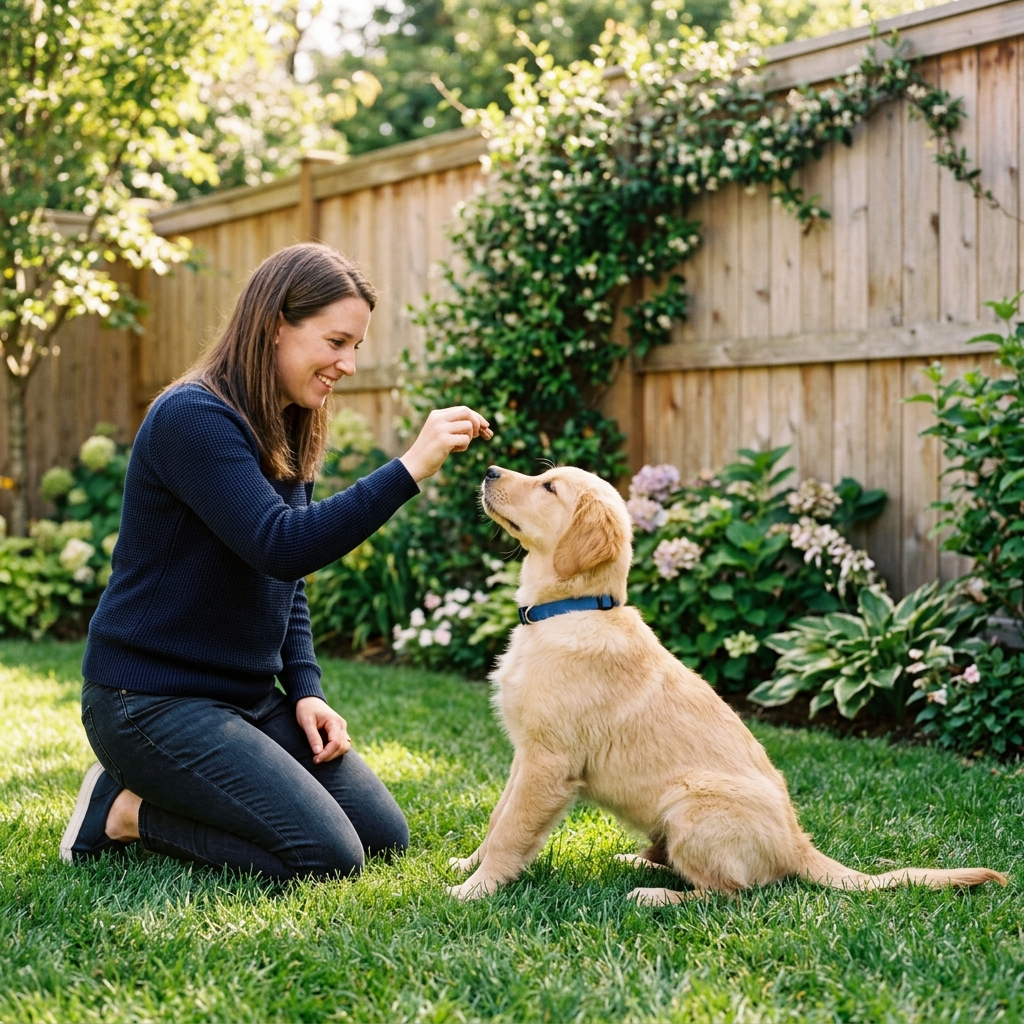
A crate can be one of the most valuable tools in your dog-training toolkit — when introduced correctly. Done right, the crate becomes your dog's personal safe space, a place they choose to go when they want to rest, feel secure, or simply be alone. Done wrong, it becomes a source of stress and anxiety that damages the bond between you and your dog.
This guide shows you how to introduce the crate gradually, build positive associations, and use it appropriately — without ever using it as punishment.
The Quick Answer
Introduce the crate gradually with treats and meals. Never force your dog inside. Build positive associations over several days before closing the door. Start with short periods of confinement and slowly increase duration. The crate should never be used as punishment, and confinement should never exceed appropriate time limits based on your dog's age.
Why Crate Training Is Valuable
A crate-trained dog has a safe retreat when they feel overwhelmed. They travel more safely and calmly. They are easier to house-train because dogs naturally avoid soiling their sleeping area. They are prepared for veterinary stays, boarding, and emergency situations. These practical benefits make crate training a worthwhile investment of time and patience.
Choosing the Right Crate
- Wire crates offer ventilation and visibility. Many are collapsible for travel and come with divider panels for growing puppies.
- Plastic crates provide more enclosure and a den-like feeling. They are airline-approved for travel.
- Soft-sided crates are lightweight and portable but are not suitable for dogs that chew or scratch.
Size matters. Your dog should be able to stand without their head touching the top, turn around in a full circle, and lie stretched out comfortably. For a growing puppy, buy the adult-sized crate and use a divider to limit the space until they grow into it.
Step-by-Step Introduction
Day 1–2: Open Exploration
Place the crate in a common area with the door open and secured so it cannot swing shut. Toss treats just inside the entrance. Let your dog investigate at their own pace — do not push, lure forcefully, or close the door. If your dog enters voluntarily, praise calmly. Place a comfortable blanket or bed inside.
Day 3–4: Meals in the Crate
Begin feeding your dog's regular meals inside the crate with the door still open. Place the food bowl toward the back so they need to step fully inside to eat. This creates a powerful positive association — the crate is where delicious things happen.
Day 5–7: Brief Door Closing
While your dog eats in the crate, gently close the door. Open it immediately when they finish eating. Gradually increase the time the door stays closed after the meal — thirty seconds, one minute, two minutes. If your dog shows stress, reduce the time and progress more slowly.
Week 2: Short Absences
Close the crate door, give a stuffed Kong or chew, and step out of sight for one to two minutes. Return calmly, open the door, and let your dog out without fanfare. Gradually extend the time — five minutes, ten minutes, fifteen minutes. Vary the duration so your dog does not always expect you to return at the same interval.
Week 3 and Beyond: Overnight and Longer Stays
Place the crate in your bedroom for overnight use. Take your puppy out for a final bathroom trip before bed. Expect some restlessness the first few nights. Young puppies may need one nighttime bathroom break. As your puppy matures, they will sleep through the night.
Important Duration Guidelines
- Eight to ten weeks old — thirty to sixty minutes maximum
- Eleven to fourteen weeks old — one to three hours
- Fifteen to sixteen weeks old — three to four hours
- Seventeen weeks and older — four to six hours (with a break)
- Adult dogs — no more than six to eight hours, with exercise before and after
These are maximum guidelines, not targets. Less time in the crate is always better. If your schedule requires extended crating, arrange for a dog walker or pet sitter to provide a midday break.
What the Crate Is NOT
The crate is not a punishment tool. Never send your dog to the crate when you are angry. Never use the crate as a time-out for bad behavior. Never confine a dog for extended hours as a convenience. These practices destroy the positive association and can lead to anxiety, distress, and behavioral problems. A crate used correctly is a privilege — a place your dog wants to be.
Common Mistakes
Rushing the introduction. Closing the door on Day One almost always backfires. Take the time to let your dog develop positive associations before any confinement.
Using the crate as punishment. This is the single most damaging mistake. Once the crate becomes associated with negative emotions, the dog will resist entering it.
Crating for too long. Extended confinement causes physical discomfort, boredom, and emotional distress. Follow age-appropriate guidelines and arrange breaks during long days.
When to Stop and Consult a Professional
If your dog shows signs of separation distress — excessive barking, drooling, destructive escape attempts, or self-harm — the issue is not about crate training. It is about underlying anxiety that requires professional evaluation. A certified veterinary behaviorist can help determine whether your dog's response to the crate is normal adjustment or a symptom of a deeper behavioral condition.
Final Thoughts
Crate training is an investment in your dog's safety, comfort, and independence. When done patiently and positively, the crate becomes a place your dog loves — their personal den in your shared home. Take it slow, follow your dog's comfort level, and never use the crate in anger. The result is a confident, settled dog who sees their crate not as a cage, but as a haven.
Frequently Asked Questions
What's Your Reaction?
 Like
0
Like
0
 Dislike
0
Dislike
0
 Love
0
Love
0
 Funny
0
Funny
0
 Wow
0
Wow
0
 Sad
0
Sad
0
 Angry
0
Angry
0




Comments (0)