
Dog Weight Management: Nutrition and Portion Control Guide
A comprehensive, science-backed guide to dog weight management. Learn how to design a safe weight loss program, calculate daily energy requirements, and use portion control.

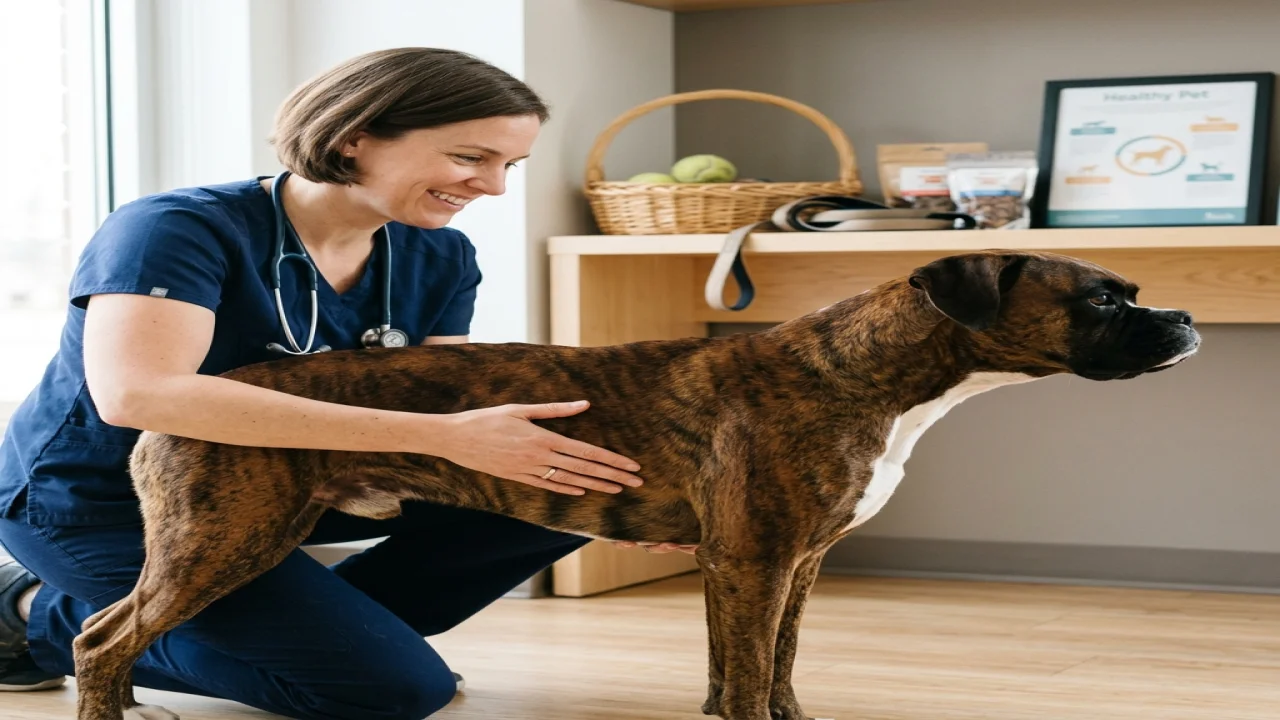
Dog Weight Management: Nutrition and Portion Control Guide
Obesity is the most common preventable disease in companion dogs in developed countries. Recent studies indicate that up to 60% of pet dogs are overweight or obese. While a chubby dog might look cute to some, extra weight has severe biological consequences. Obesity is a state of chronic, low-grade inflammation that puts mechanical and physiological stress on a dog’s body, resulting in a shortened lifespan, osteoarthritis, diabetes, kidney disease, respiratory distress, and an increased risk of cancer. Successful dog weight management is not about starvation; it requires a structured, science-based approach to nutrition, calorie restriction, and portion control.
Every dog has a unique metabolic profile, and weight gain occurs when calorie intake exceeds daily calorie expenditure. Returning a dog to a healthy weight requires calculating their ideal weight, designing a safe calorie deficit, and using precise portion control. It also requires understanding the difference between standard retail diets and veterinary weight-loss formulas. This guide provides the practical formulas and veterinary-approved steps needed to manage your dog's weight safely and effectively.
Key Takeaways for Weight Management
- Acknowledge the Health Risks: Obesity is a chronic inflammatory disease that shortens a dog's lifespan by up to two years.
- Identify the Ideal Weight: Set your target weight based on skeletal structure and breed standards, under veterinary guidance.
- Calculate a Safe Caloric Deficit: Restrict calories systematically to aim for a safe weight loss rate of 1% to 2% of body weight per week.
- Use a Digital Scale: Weigh food portions in grams. Measuring cups are highly inaccurate and contribute to weight-loss plateaus.
- Incorporate Fiber for Satiety: Use high-fiber ingredients or specialized diets to help your dog feel full while consuming fewer calories.
The Nutritional Concept: The Physiology of Canine Weight Loss
To support a healthy metabolism during weight loss, let's look at the role of dietary fiber and protein. In veterinary weight-loss diets, the fiber content is significantly increased, often comprising 10% to 15% of the crude fiber compared to 2% to 4% in maintenance foods. Fiber increases the physical volume of food in the stomach, stimulating stretch receptors that signal satiety to the brain. Additionally, soluble fibers delay gastric emptying and slow glucose absorption, preventing blood sugar spikes and reducing post-meal begging. High protein levels (typically 30% to 35% of the dry matter) are also crucial. Protein has a high thermic effect, meaning the body burns more energy digesting protein than fats or carbohydrates, and it provides the amino acids needed to prevent the body from breaking down muscle tissue for energy during calorie restriction.
It is also important to understand that obesity is not just excess fat tissue; it is an active endocrine organ. Adipose tissue secretes inflammatory cytokines like tumor necrosis factor-alpha (TNF-alpha) and interleukin-6 (IL-6). These chemicals cause chronic systemic inflammation, which damages blood vessels and joints, and contributes to insulin resistance. This is why overweight dogs are highly prone to developing secondary chronic illnesses and showing decreased mobility. By implementing a veterinary-prescribed diet rich in anti-inflammatory omega-3 fatty acids (EPA/DHA), you can suppress this systemic inflammation and support joint health during the weight loss process.
To design a successful dog weight management plan, owners must understand how canine energy metabolism works. Weight loss occurs when a dog is placed in a negative energy balance, forcing their body to burn stored adipose tissue (fat) for fuel. However, this deficit must be calculated and managed carefully:
Calculating Target Calories for Weight Loss
To determine the correct portion size for weight loss, veterinarians do not base calculations on the dog's current overweight weight. Doing so would only maintain their current size. Instead, calculations must be based on the dog's target "ideal" body weight. The resting energy requirement (RER) is calculated using this target weight in kilograms:
Target RER = 70 * (Ideal Body Weight in kg)^0.75
To trigger weight loss in dogs, the daily caloric intake is typically restricted to 1.0 times the target RER for neutered adult dogs, or 60% to 80% of the dog's maintenance energy requirement (MER). For example, let’s calculate the weight-loss calories for an overweight dog currently weighing 25 kg whose target ideal weight is 20 kg:
- Calculate target RER using the 20 kg ideal weight: RER = 70 * (20)^0.75 ≈ 662 kcal/day.
- Set the daily weight-loss allowance at 1.0 * RER: 662 kcal/day.
The Danger of "Portion Reduction" Deficiencies
A common mistake pet owners make is simply feeding less of their dog's current maintenance food. While this cuts calories, it also cuts intake of all other nutrients. Maintenance diets are formulated assuming the dog will consume a standard daily volume. If you reduce that volume by 30% or more to trigger weight loss, you are also reducing their intake of protein, essential fatty acids, vitamins, and minerals by 30%. This can result in nutritional deficiencies, skin issues, muscle wasting, and constant begging. Specially formulated weight-management or metabolic diets are designed with higher concentrations of essential nutrients relative to their calorie density, ensuring the dog receives complete nutrition even on restricted portions.
Factors that Influence Weight Loss
Several physiological and lifestyle factors affect how easily a dog loses weight:
Metabolic Differences and Sterilization
Spayed and neutered dogs have lower metabolic rates and require fewer calories than intact dogs. Some breeds, such as Labrador Retrievers, Golden Retrievers, Beagles, and Cocker Spaniels, have genetic predispositions to obesity. In fact, research has identified a genetic mutation in many Labradors that alters their brain's satiety signals, making them feel constantly hungry and prone to overeating.
Body Composition and Sarcopenia
The goal of weight loss is to reduce body fat while preserving lean muscle mass. Muscle is metabolically active tissue that burns calories even at rest. If a dog loses weight too rapidly or consumes insufficient protein, their body will burn muscle tissue instead of fat. This slows their metabolic rate, making it easier for them to regain weight later (the "yo-yo" effect). Weight loss diets must maintain high protein levels to protect muscle mass.
Practical Step-by-Step Guidance for Weight Management
Follow this systematic process to implement a weight-loss program for your dog:
- Determine Target Weight and BCS: Work with your veterinarian to identify your dog's current Body Condition Score (on the 9-point scale) and establish a realistic ideal target weight.
- Calculate Weight Loss Calories: Use the target weight to calculate their RER and set their daily calorie allowance.
- Choose the Right Food: If you need to restrict calories by more than 10%, switch to a veterinary-prescribed weight-loss food or a high-fiber, low-calorie commercial weight management formula.
- Weigh the Food in Grams: Use a digital kitchen scale to measure every meal. Do not use plastic measuring cups, as they lack the accuracy needed for consistent weight loss.
- Restrict and Log Treats: Ensure all treats and table scraps make up no more than 10% of their daily calorie allowance. Keep a log of all treats given, or use a portion of their daily kibble as training rewards.
- Track Weekly Weight: Weigh your dog once a week on the same scale. Aim for a steady weight loss of 1% to 2% of their body weight per week. If they lose weight too quickly, increase food by 5%. If they fail to lose weight after 3 weeks, consult your vet to adjust the calories downward.
Designing a Safe Exercise Plan for Weight Loss
While portion control is the primary driver of weight loss in dogs, physical activity supports the process by building lean muscle mass and boosting metabolism. However, obese dogs must never be forced into strenuous exercise. Carrying excess weight puts immense mechanical strain on their joints, ligaments, and cardiovascular system. Forcing an overweight dog to run or jump can lead to cranial cruciate ligament (CCL) ruptures, joint injury, or heatstroke. Exercise must be introduced gradually and safely under veterinary guidance.
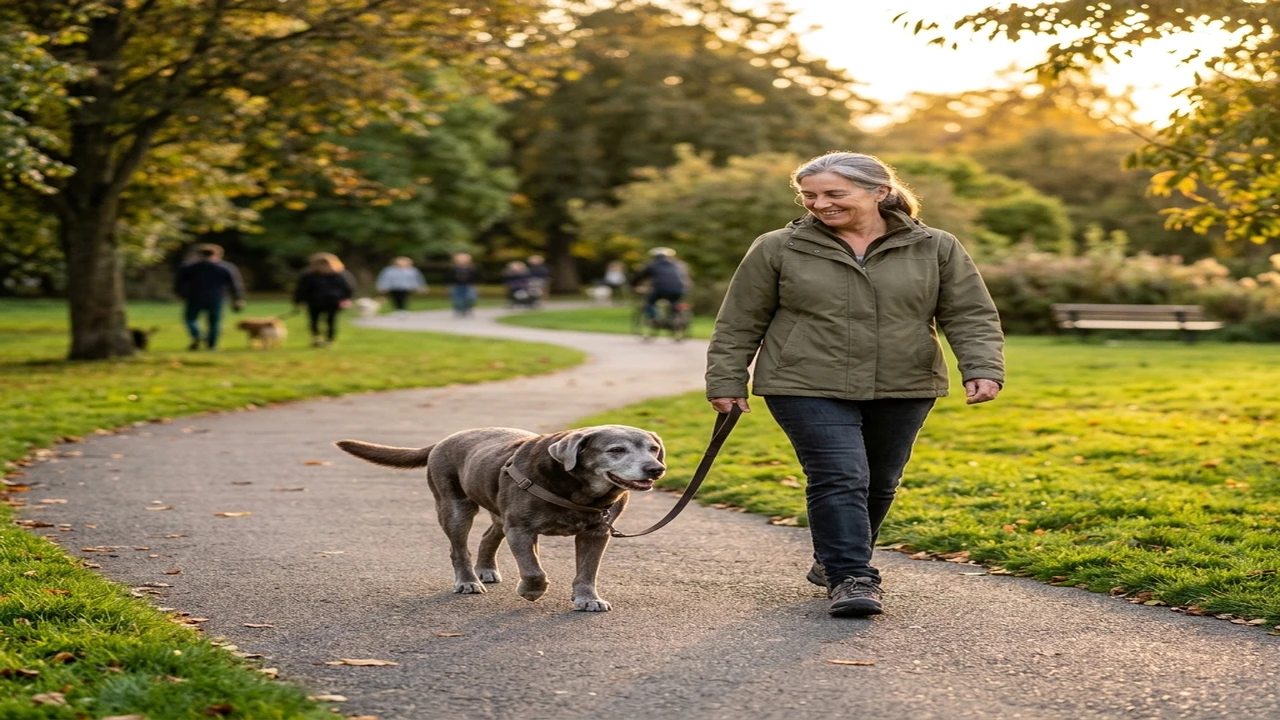
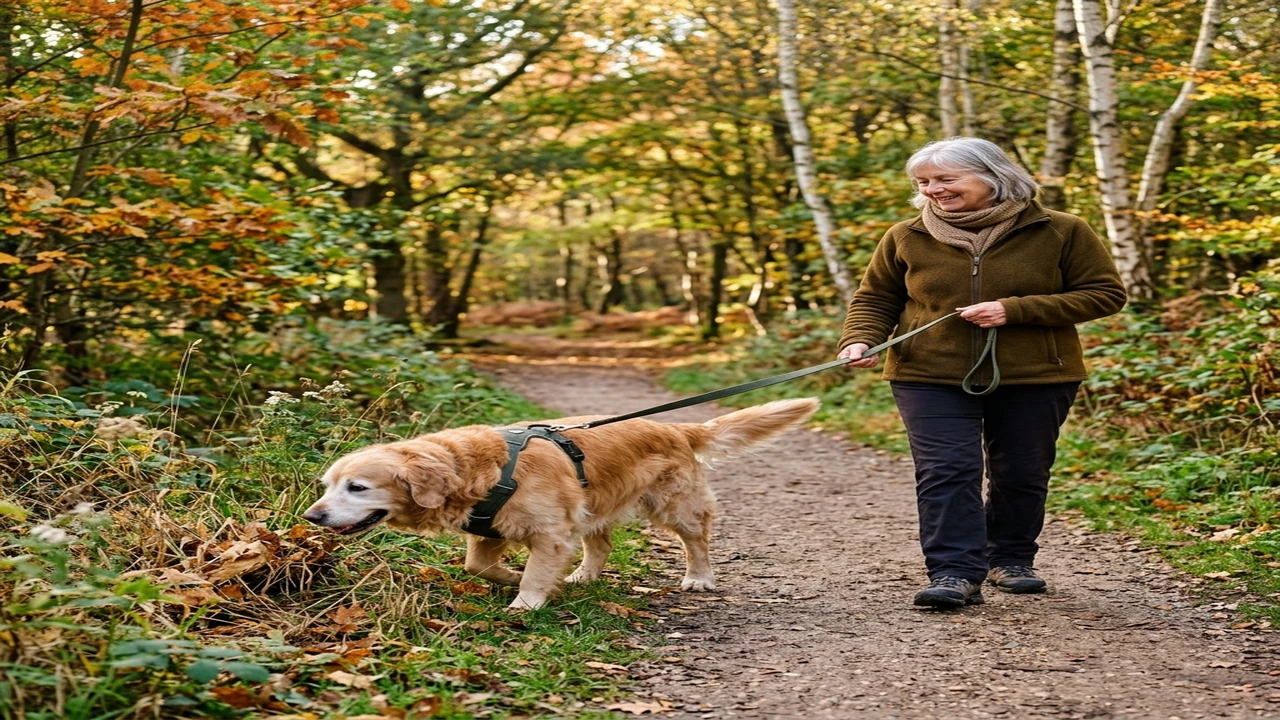
Start with low-impact activities like slow, controlled leash walks on flat, even surfaces. Begin with 10 to 15 minutes twice daily and increase the duration by 5 minutes each week as their stamina improves. Swimming or water treadmill therapy is another excellent option because the buoyancy of water supports the dog's weight, allowing them to build muscle and burn calories without putting stress on their arthritic joints. Combine this gradual activity plan with a veterinary-prescribed weight loss formula to ensure safe, effective weight management.
Designing a Safe Exercise Plan for Weight Loss
While portion control is the primary driver of weight loss in dogs, physical activity supports the process by building lean muscle mass and boosting metabolism. However, obese dogs must never be forced into strenuous exercise. Carrying excess weight puts immense mechanical strain on their joints, ligaments, and cardiovascular system. Forcing an overweight dog to run or jump can lead to cranial cruciate ligament (CCL) ruptures, joint injury, or heatstroke. Exercise must be introduced gradually and safely under veterinary guidance.
Start with low-impact activities like slow, controlled leash walks on flat, even surfaces. Begin with 10 to 15 minutes twice daily and increase the duration by 5 minutes each week as their stamina improves. Swimming or water treadmill therapy is another excellent option because the buoyancy of water supports the dog's weight, allowing them to build muscle and burn calories without putting stress on their arthritic joints. Combine this gradual activity plan with a veterinary-prescribed weight loss formula to ensure safe, effective weight management.
Designing a Safe Exercise Plan for Weight Loss
While portion control is the primary driver of weight loss in dogs, physical activity supports the process by building lean muscle mass and boosting metabolism. However, obese dogs must never be forced into strenuous exercise. Carrying excess weight puts immense mechanical strain on their joints, ligaments, and cardiovascular system. Forcing an overweight dog to run or jump can lead to cranial cruciate ligament (CCL) ruptures, joint injury, or heatstroke. Exercise must be introduced gradually and safely under veterinary guidance.
Start with low-impact activities like slow, controlled leash walks on flat, even surfaces. Begin with 10 to 15 minutes twice daily and increase the duration by 5 minutes each week as their stamina improves. Swimming or water treadmill therapy is another excellent option because the buoyancy of water supports the dog's weight, allowing them to build muscle and burn calories without putting stress on their arthritic joints. Combine this gradual activity plan with a veterinary-prescribed weight loss formula to ensure safe, effective weight management.
Common Mistakes to Avoid
Using volume-based cups. Kibble density varies between batches and kibble shapes pack differently. Weighing the food on a scale is the only way to ensure consistent caloric intake.
Failing to align the entire household. Weight loss programs fail when family members give extra treats or table scraps behind the primary caretaker's back. Everyone must commit to the dog's dietary plan.
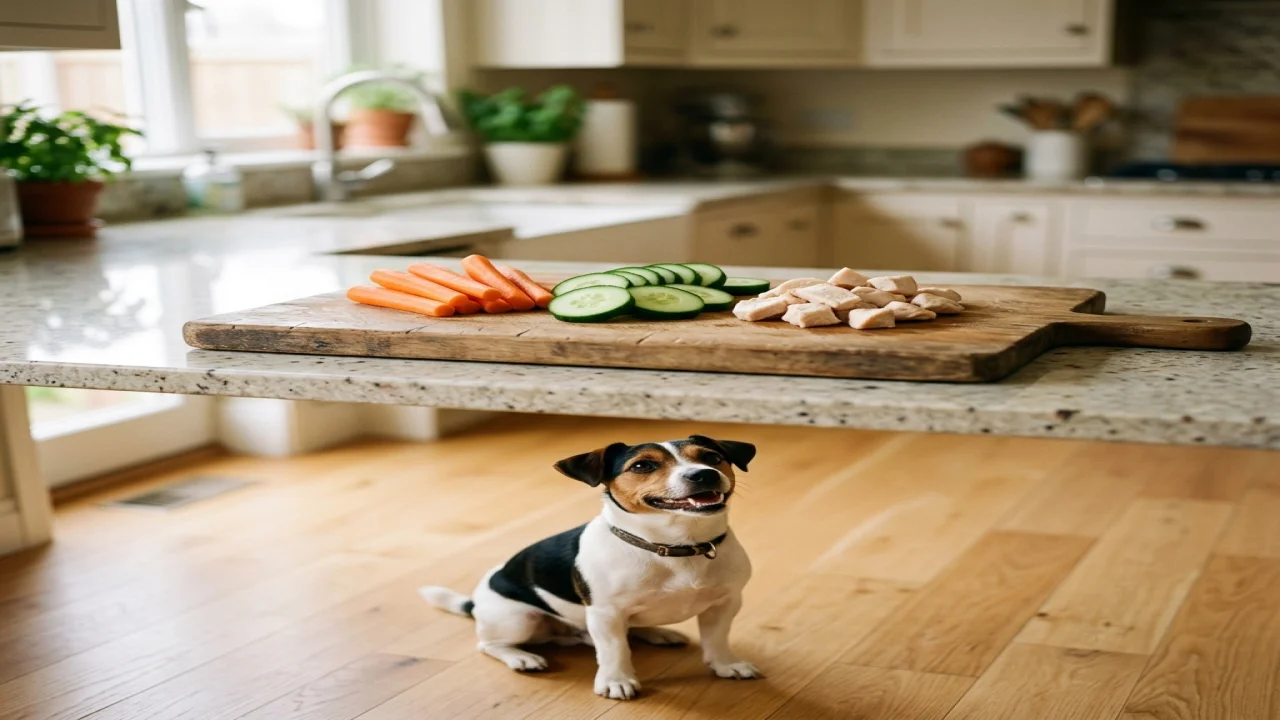
Feeding high-calorie treats. Giving your dog cheese, hot dogs, or marrow bones adds hundreds of hidden calories. Replace these with low-calorie vegetables like raw baby carrots or plain green beans.
Safety Risks and Warning Signs
Rapid weight loss (losing more than 3% of body weight per week) is dangerous and can lead to hepatic lipidosis (fatty liver disease), muscle wasting, and nutrient deficiencies. If your dog exhibits lethargy, weakness, chronic vomiting, or diarrhea during their weight loss program, stop the diet and seek veterinary care. These symptoms can indicate metabolic stress or underlying illnesses. Additionally, if your dog is unable to lose weight despite strict calorie restriction, this is a warning sign of endocrine disorders like hypothyroidism or Cushing's disease that require diagnostic testing.
When Veterinary Guidance is Critical
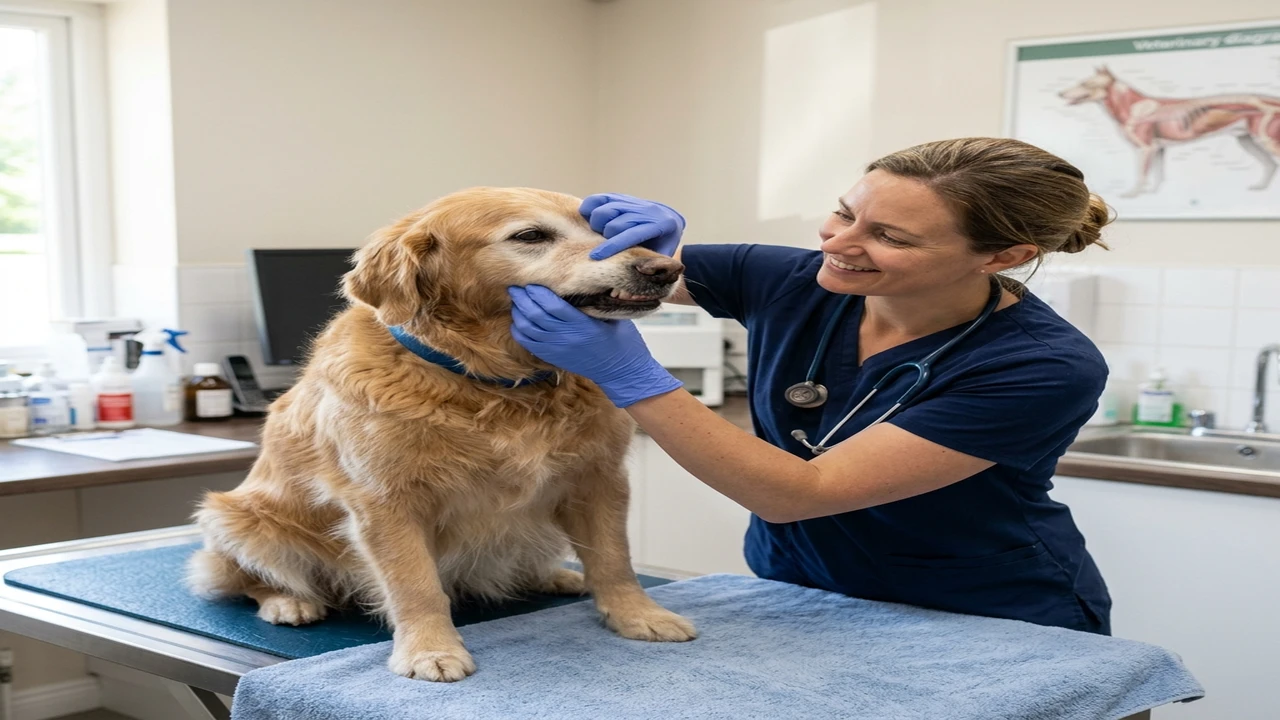
Never put your dog on a severe calorie-restriction program without veterinary supervision. Your vet must perform blood work prior to the diet to ensure there are no underlying metabolic issues. For severely obese dogs (BCS of 8 or 9), veterinary-supervised weight management programs using prescription metabolic diets are highly recommended, as these diets are clinically proven to alter gene expression and support healthy metabolic rates during weight loss.
This article provides general educational information and does not replace individualized advice from a veterinarian or board-certified veterinary nutritionist. Consult your veterinarian before making significant changes to your dog’s diet.
Sources and Further Reading
- World Small Animal Veterinary Association (WSAVA): Body Condition Score Chart
- Association of American Feed Control Officials (AAFCO): Understanding Pet Nutrition
- Tufts University Petfoodology: Helping Your Pet Lose Weight Safely
- Journal of the American Veterinary Medical Association: Evaluation of Weight Loss in Obese Dogs
Conclusion
Successful dog weight management is one of the greatest gifts you can give your dog. By keeping them at a healthy weight, you reduce chronic pain from arthritis, protect their vital organs, and add years to their life. By calculating precise calorie deficits, weighing their portions on a kitchen scale, and working in partnership with your veterinarian, you can help your dog achieve a lean, active, and healthy body.
Frequently Asked Questions
What's Your Reaction?
 Like
0
Like
0
 Dislike
0
Dislike
0
 Love
0
Love
0
 Funny
0
Funny
0
 Wow
0
Wow
0
 Sad
0
Sad
0
 Angry
0
Angry
0







Comments (0)