
Essential Dog Grooming Tools: Brushes, Clippers and Nail Care
A comprehensive guide to essential dog grooming tools. Learn how to select the right brushes, nail care gear, and clippers for your dog's coat type and safety.

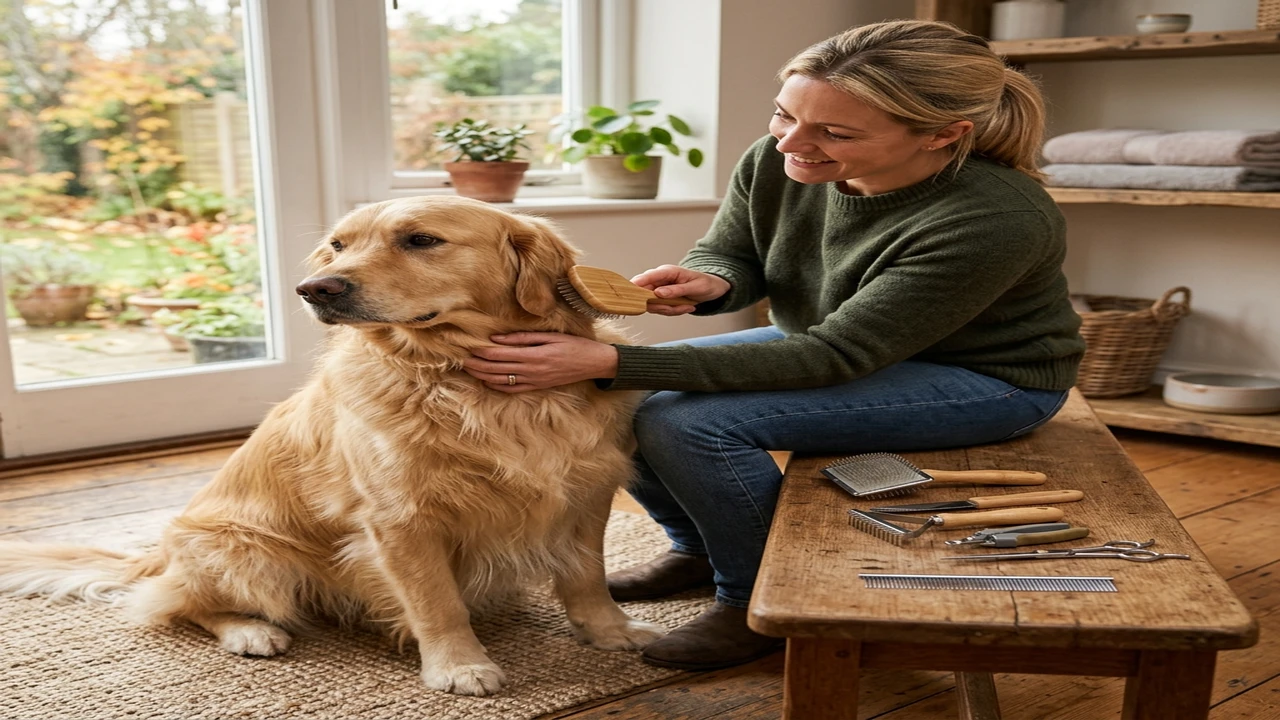
Essential Dog Grooming Tools: Brushes, Clippers and Nail Care
Grooming is more than just a way to keep your dog looking clean and smelling fresh. It is a fundamental aspect of their physical health and preventive care. Regular brushing removes loose fur, prevents painful hair matting, distributes skin oils, and helps regulate body temperature. Grooming sessions also provide an excellent opportunity to inspect your dog's skin for lumps, ticks, parasites, or dry patches before they escalate into serious medical conditions. For general skin health guidelines, see preventive care for dogs.
However, using the wrong grooming tools can turn a pleasant bonding activity into a stressful, painful experience for your dog. A brush that is unsuitable for your dog's coat type can scratch their skin, pull their hair, and fail to remove the dead undercoat. Similarly, improper nail care tools can lead to pain and injury. In this guide, we will look at the different types of grooming tools, explain how to select them based on coat type, and share safety rules for nail care. For ear health checks during grooming, read dog ear infection signs.
Choosing the Right Brush for Your Dog's Coat Type
Canine coats vary widely in texture, density, and length. To prevent hair damage and skin irritation, you must match the brush to the coat:
1. Slicker Brushes
Slicker brushes feature a flat or slightly curved head filled with fine, short wire pins that are bent at a slight angle.
- Best For: Medium to long-haired dogs, curly coats (Poodles), and double-coated breeds.
- Function: Excellent for detangling, removing loose undercoat, and breaking up small mats.
- Safety Tip: Do not press the pins directly into the dog's skin, as this can cause "slicker burn" (scratches and irritation). Brush gently in the direction of hair growth.
2. Undercoat Rakes
Rakes feature a single or double row of long, sturdy metal pins designed to reach through the outer coat.
- Best For: Heavy, double-coated dogs like Golden Retrievers, German Shepherds, and Huskies.
- Function: Pulls out the dead, fuzzy undercoat before it mats, particularly during seasonal shedding periods.
- Safety Tip: Choose a rake with rotating pins to reduce pulling, and ensure the pin tips are rounded to protect the skin.
3. Pin and Bristle Combo Brushes
These two-sided brushes have metal pins on one side and soft nylon or natural bristles on the other.
- Best For: Short-haired, smooth-coated dogs (Beagles, Boxers, Labradors).
- Function: The pin side removes loose surface dirt and hair, while the bristle side smooths the coat and distributes natural skin oils, leaving the coat shiny.
4. Deshedding Blades
Deshedding blades feature a fine, comb-like metal edge that catches loose hair.
- Best For: Heavy-shedding dogs with short to medium coats.
- Function: Pulls out bulk loose undercoat efficiently.
- Safety Tip: Never use these tools on dogs with single coats (like Maltese or Poodles) or on sensitive areas like the face or legs. Use light pressure to avoid scratching the skin.
| Coat Type | Common Breeds | Primary Tool | Secondary Tool |
|---|---|---|---|
| Double Coat | Golden Retriever, Husky, German Shepherd | Undercoat Rake | Slicker Brush |
| Curly / Poodle Coat | Poodle, Bichon Frise, Doodles | Slicker Brush | Metal Greyhound Comb |
| Short / Smooth Coat | Boxer, Beagle, Pug | Bristle Brush | Rubber Curry Brush |
| Silky / Long Single | Yorkie, Maltese, Shih Tzu | Pin Brush | Metal Comb |
Nail Care Tools: Clippers vs. Grinders
Trimming your dog's nails is essential to prevent splayed toes, joint pain, and ingrown nails. If your dog's nails click on hardwood floors, they are too long. There are two primary tools for nail care:
1. Scissor and Guillotine Clippers
Standard clippers use sharp metal blades to cut the nail in a single squeeze.
- Pros: Fast, silent, and clean. Scissor-style clippers are preferred for large, thick nails.
- Cons: Easy to cut the "quick" (the blood vessel and nerve inside the nail) if you are not careful. They can also crush dry, brittle nails.
2. Rotary Nail Grinders
Grinders use a rotating sander wheel to slowly file down the nail.
- Pros: Reduces the risk of cutting the quick because you file in tiny increments. It leaves smooth, rounded edges that won't scratch your floors or skin.
- Cons: The noise and vibration of the motor can terrify fearful dogs. It also generates heat, so you must only touch the nail for 2-3 seconds at a time to prevent burning.
To desensitize your dog to grooming sounds, reward-based training is essential; see how to train a dog.
Safety Rules for Nail Care
If your dog has white nails, the quick is visible as a pink line inside the nail. Cut below this line. If your dog has black nails, the quick is invisible. Cut in small, 1-millimeter increments. Look at the cut tip after each clip; if you see a chalky white center, it is safe to continue. Once you see a soft, dark or gray circle appear in the center of the nail, you are approaching the quick—stop cutting immediately.
Always keep styptic powder (or cornstarch) within reach. If you accidentally cut the quick, press the powder firmly onto the bleeding nail tip for 10-15 seconds to stop the bleeding. Remain calm, as dogs can sense your panic. For general safety parameters, refer to preventive care for dogs.
Essential Grooming Kit Checklist
- [ ] Slicker brush or undercoat rake appropriate for the dog's coat type
- [ ] Metal Greyhound-style comb to check for hidden mats
- [ ] Sharp, scissor-style nail clippers with a safety guard
- [ ] Styptic powder to stop nail bleeding instantly
- [ ] pH-balanced dog shampoo (never human shampoo)
- [ ] Ear cleaning solution and cotton cotton balls (no Q-tips)
- [ ] Pet-safe tooth brushing kit for oral care
Skin Conditions Detected During Grooming Sessions
Regular grooming is your first line of defense against canine skin disorders. As you brush through your dog's coat, you can observe the skin beneath, looking for early signs of issues. These include hot spots (localized, red, weeping bacterial infections), dandruff (dry skin or seborrhea), and redness indicating flea allergy dermatitis. Identifying these problems early allows you to seek veterinary treatment before a minor irritation becomes a painful, widespread infection. For general health monitoring, read preventive care for dogs.
If you notice black, dirt-like particles on your dog's skin, they may have fleas. Comb through their fur with a fine-toothed flea comb and place the debris on a wet paper towel; if the particles dissolve into red rings, it is flea dirt (feces containing digested blood), and you must start flea treatment immediately. Refer to dog ear infection signs to check their ears for dark discharge or redness during grooming sessions, as ear mites and infections are common skin-related issues.
Desensitizing Your Dog to Nail Grinders and Brushes
Many dogs fear grooming tools due to the noise of clippers or the pulling sensation of brushes. To build confidence, practice this desensitization protocol:
- Tool Presentation: Place the brush or nail grinder on the floor. When your dog approaches to sniff it, reward them with a high-value treat. Repeat until they approach the tool happily.
- Tactile Conditioning: Touch the handle of the brush (not the pins) to your dog's shoulder. Feed a treat and remove it. Repeat this touch on different parts of their body, rewarding calm behavior.
- Sound Desensitization: Turn the nail grinder on at a distance from your dog. Reward them immediately with treats, then turn the grinder off. Gradually bring the running grinder closer over several sessions, always rewarding relaxation.
- First Contact: Turn the grinder on and gently touch the metal housing (not the sander) to your dog's paw to let them feel the vibration. Reward and stop. Repeat until they tolerate the vibration. Then, file a single nail for 2 seconds, reward, and finish the session.
Professional Brushing Mechanics by Coat Type
Effective brushing requires using the correct technique for your dog's specific coat type to prevent skin irritation and ensure all mats are removed:
- Double Coats (Undercoat): Breeds like Golden Retrievers or Shepherds need line brushing. Part the hair with one hand and brush small sections from the skin outward with a slicker brush, followed by an undercoat rake to pull out loose hairs. This prevents mats and improves skin circulation. For grooming puppies, read puppy grooming guide.
- Wire Coats: Terriers require a slicker brush and a stripping comb to maintain their coat texture. Regular brushing prevents matting in their dense, coarse fur and stimulates natural skin oils.
- Curly Coats: Poodles and Bichons need daily combing with a steel Greyhound comb to prevent tight knots from forming near the skin. Always mist the coat with detangling spray first, as dry brushing can cause hair breakage.
Nail Quick Anatomy and Safe Styptic Care
A dog's nail contains a sensitive inner core called the quick, which houses blood vessels and nerves. Cutting into the quick causes sudden pain and profuse bleeding. If your dog has white nails, the quick is visible as a pink circle. For black nails, the quick is hidden, making nail trimming more stressful. To cut safely, trim in thin slices; when you see a small, dark dot in the center of the nail, you are approaching the quick and must stop immediately.
Always keep styptic powder (or cornstarch as a backup) within reach during nail trims. If you accidentally cut the quick, press the powder firmly against the tip of the nail for 10-15 seconds to stop the bleeding. Remain calm, reward your dog with high-value treats, and end the session to prevent them from developing a fear of nail trims. If you notice signs of paw pain or infection, consult a vet; read dog ear infection signs for screening other areas.
Preventative Health Screening During Grooming Sessions
Regular grooming sessions are the perfect opportunity to perform a full-body health screening. Run your hands over your dog's body to search for abnormal lumps, bumps, or tender spots. Part the fur to inspect the skin for external parasites like ticks or fleas, dry skin flakes, or redness. Early detection of skin conditions allows for prompt veterinary care before a minor issue escalates. Check their ears for redness, odor, or discharge, as these are common signs of ear infections; refer to dog ear infection signs for ear care details.
Standard Maintenance and Storage Tips
To keep your grooming tools functioning safely and prevent the transmission of skin bacteria, maintain them after every grooming session. Remove all hair from slicker brushes and combs, and wash them monthly with warm water and a pet-safe disinfectant. Dry them immediately to prevent the metal pins from rusting. For clippers and nail grinders, brush away dander and lubricate the moving blades with clipper oil after each use to keep them sharp and prevent friction heat, which can burn your dog's skin.
Store shears, clippers, and brushes in a padded case in a dry cupboard. Keep blades covered when not in use to protect the sharp edges from damage and prevent accidental cuts. Never store damp tools in enclosed boxes, as moisture will cause rust and dull the blades quickly. Regular maintenance of tools ensures a hygienic, stress-free grooming routine for your pet; see puppy grooming guide for acclimation tips.
Additionally, remember that professional tool care is a key factor in successful home grooming. Dull clipper blades can snag and pull your dog's hair, causing pain and making them fearful of future grooming sessions. Clean and oil your blades after every use, and replace them as soon as you notice any pulling or resistance. High-quality tools last longer and guarantee a clean, painless cut for your pet; see puppy grooming guide for details on tool acclimation.
Conclusion
Equipping yourself with the correct grooming tools is vital for your dog's coat and skin health. By selecting brushes designed for their specific coat texture, choosing precise nail care gear, and practicing safety measures like the quick check, you make grooming a positive, pain-free routine. Regularly inspect your dog's skin and coat to catch potential health issues early.
Sources consulted: American Professional Pet Groomers Association guidelines, American Veterinary Medical Association (AVMA) hygiene recommendations, and veterinary dermatology studies. Verified on June 18, 2026.
Dog Grooming Tools FAQ
What's Your Reaction?
 Like
0
Like
0
 Dislike
0
Dislike
0
 Love
0
Love
0
 Funny
0
Funny
0
 Wow
0
Wow
0
 Sad
0
Sad
0
 Angry
0
Angry
0



Comments (0)