
How to Train an Older Dog: Effective Tips and Training Plan
Train an adult or senior dog with adjusted sessions, motivation strategies, realistic progression, and a plan for adopted dogs and behavior changes.

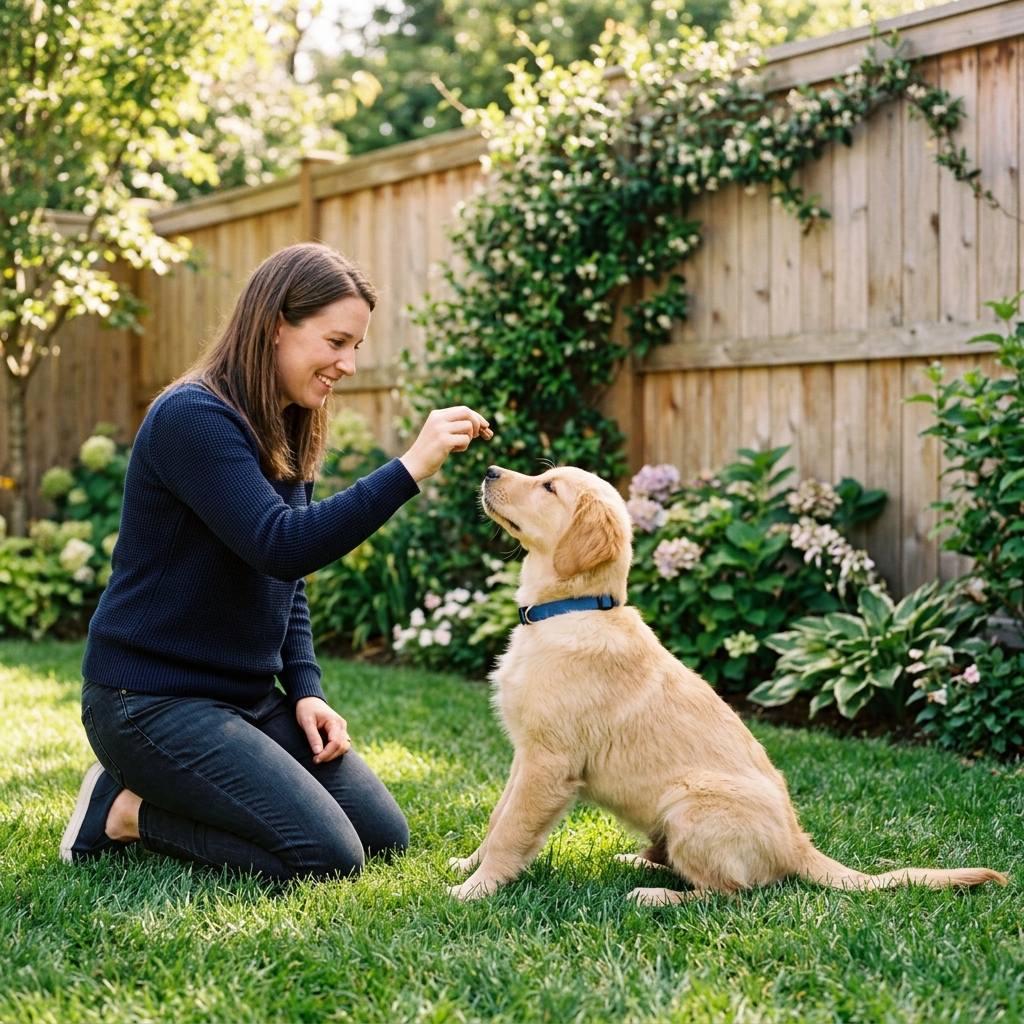
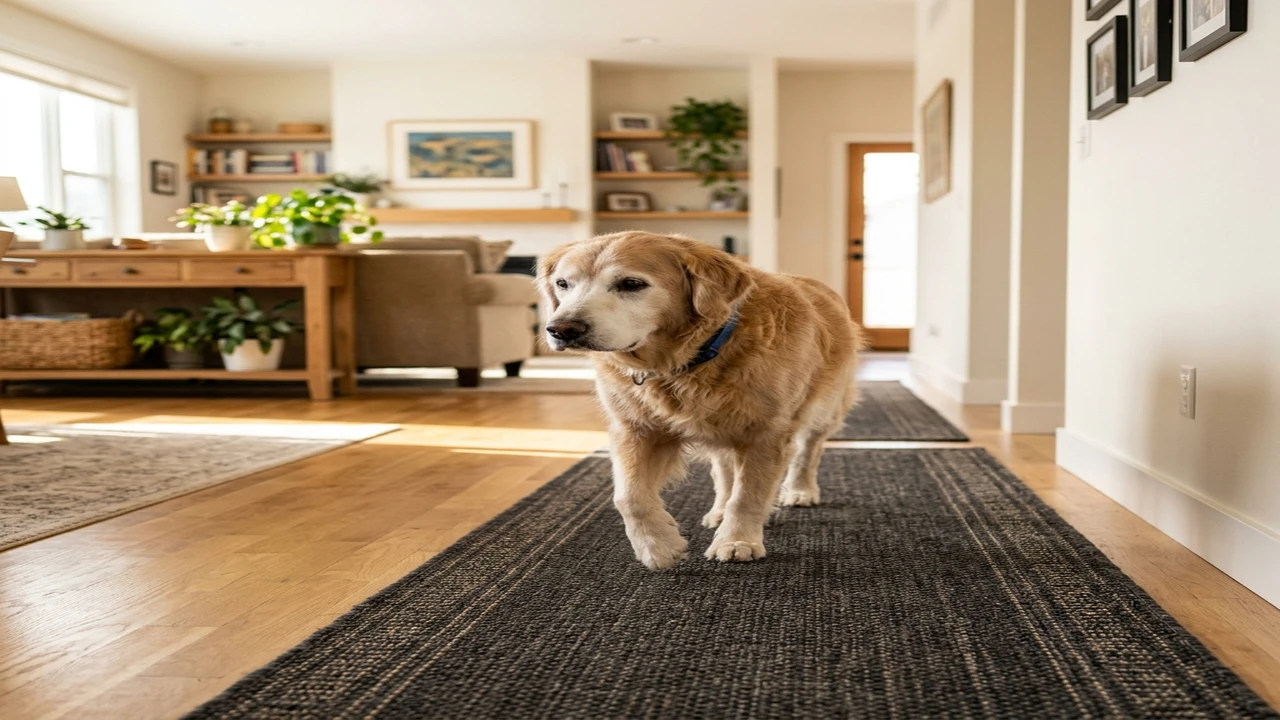
There is a stubborn myth that older dogs cannot be trained. It is completely wrong. Dogs are lifelong learners. Whether you have adopted a three-year-old rescue, brought home a five-year-old dog with no prior training, or want to teach your twelve-year-old companion a few new skills, the learning capacity is there. What changes with age is not the ability to learn but the approach you need to take.
This guide covers how to train adult and senior dogs effectively, with realistic expectations, adjusted methods, and a plan that respects your dog's physical and emotional state.
The Quick Answer
Older dogs learn the same way puppies do — through positive reinforcement and repetition. Keep sessions short, find high-value motivation, be patient with existing habits, and adjust for physical limitations. Most adult dogs show meaningful progress within three to six weeks of consistent daily training. If behavior changes suddenly, consult your veterinarian to rule out medical causes.
Why Older Dogs Are Great Learners
Contrary to popular belief, older dogs often have significant advantages over puppies when it comes to training. They have longer attention spans. They are less hyperactive and more capable of sustained focus. They have matured past the impulsive, mouthy stage that makes puppy training chaotic. They understand the concept of rewards because they have experienced them throughout their lives.
What older dogs do bring to training is established habits — both good and bad. A dog that has pulled on the leash for five years has five years of practice at pulling. Changing that pattern takes more repetitions than teaching a puppy who has no history at all. But the change is absolutely possible with patience and consistency.
Adjusting Your Approach for Age
Physical Considerations
Many older dogs have joint stiffness, arthritis, reduced stamina, or other age-related physical changes. Respect these limitations:
- Train on soft surfaces like carpet or grass rather than hard floors
- Avoid exercises that require prolonged standing, jumping, or rapid position changes if your dog shows discomfort
- Keep sessions short — five to ten minutes is often plenty
- Use elevated food bowls or hand-feed at a comfortable height if bending is difficult
- Allow warm-up time before active exercises
Sensory Changes
Dogs can experience hearing loss, vision reduction, or cognitive changes as they age. If your dog seems to ignore verbal cues, they may simply not hear you. Switch to hand signals or touch cues. If they seem confused by exercises they previously knew well, consider a veterinary evaluation for cognitive dysfunction syndrome — the canine equivalent of dementia.
Motivation and Reward Selection
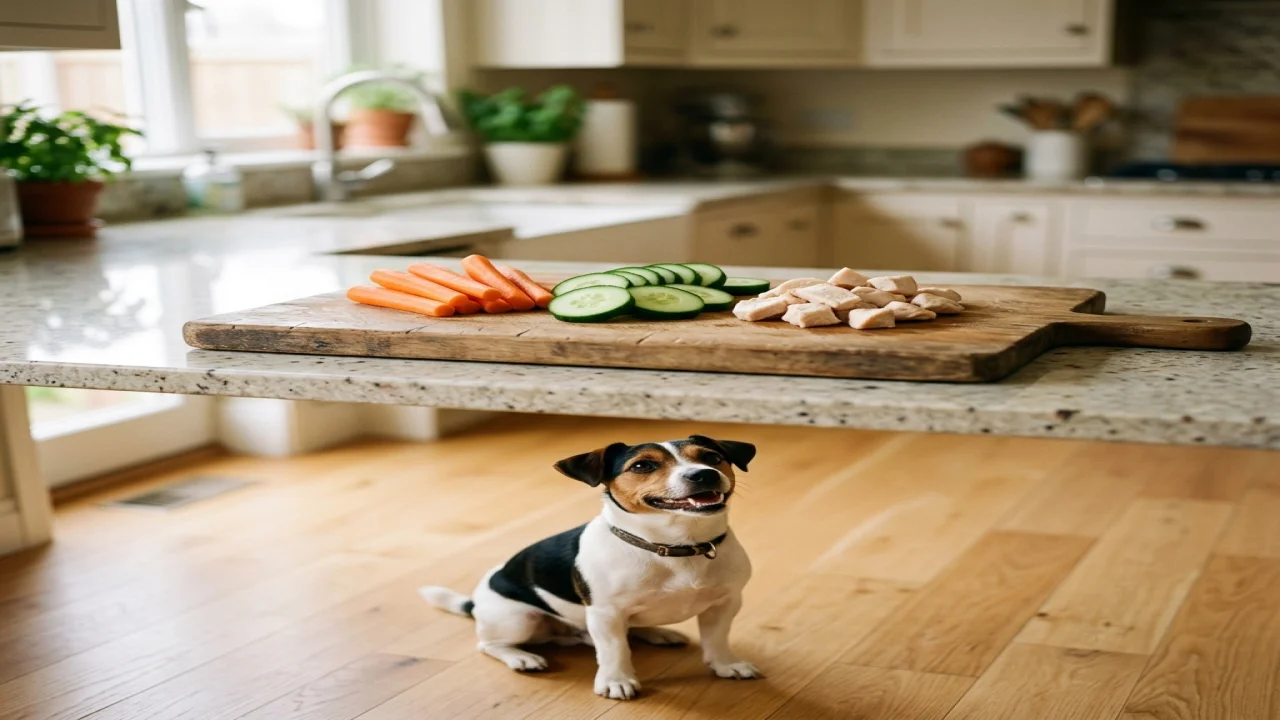
Some older dogs become less food-motivated, while others become more particular about what they will work for. Experiment with different rewards: high-value treats, gentle petting, verbal praise, brief play sessions, or access to a favorite resting spot. Find what lights up your individual dog and use it consistently.
Training Plan for Adult Dogs (1–7 Years)
Week 1–2: Assessment and Foundation
Spend the first two weeks observing your dog's current behavior. What do they already know? What triggers problem behaviors? What motivates them? Start with basic engagement exercises — name recognition, eye contact, and marker conditioning. This builds a communication system before you introduce formal commands.
Week 3–4: Core Commands
Introduce or refresh sit, down, and stay using positive reinforcement. If your dog already knows these but performs them inconsistently, rebuild them with fresh rewards and new contexts. Practice in multiple rooms and environments to build generalization.
Week 5–6: Real-World Application
Begin practicing commands in real-life situations: sit before meals, stay while you open the door, come when called from another room. Address specific problem behaviors like jumping, pulling, or demand barking using the positive methods described in our other dog training articles.
Training Plan for Senior Dogs (8+ Years)
Physical-Friendly Exercises
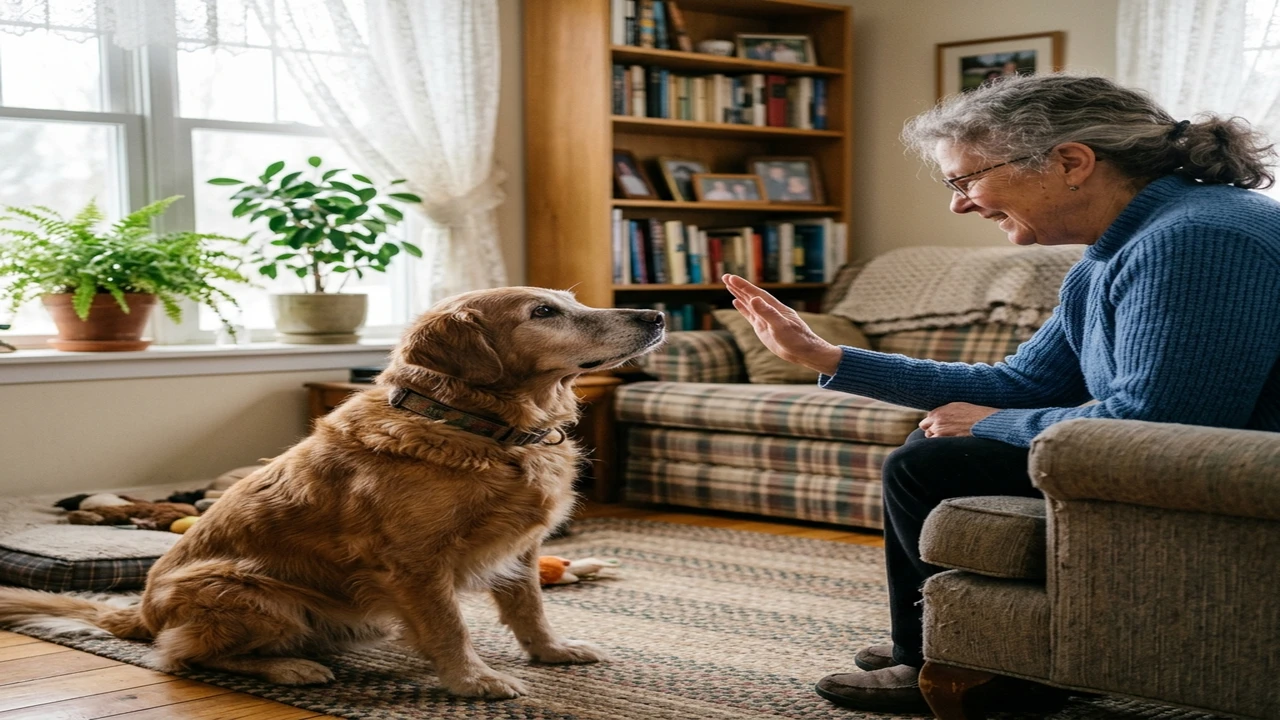
- Touch. Teach your dog to touch their nose to your palm — a simple, physically easy behavior that builds engagement
- Name recognition. Even senior dogs benefit from strengthened name response
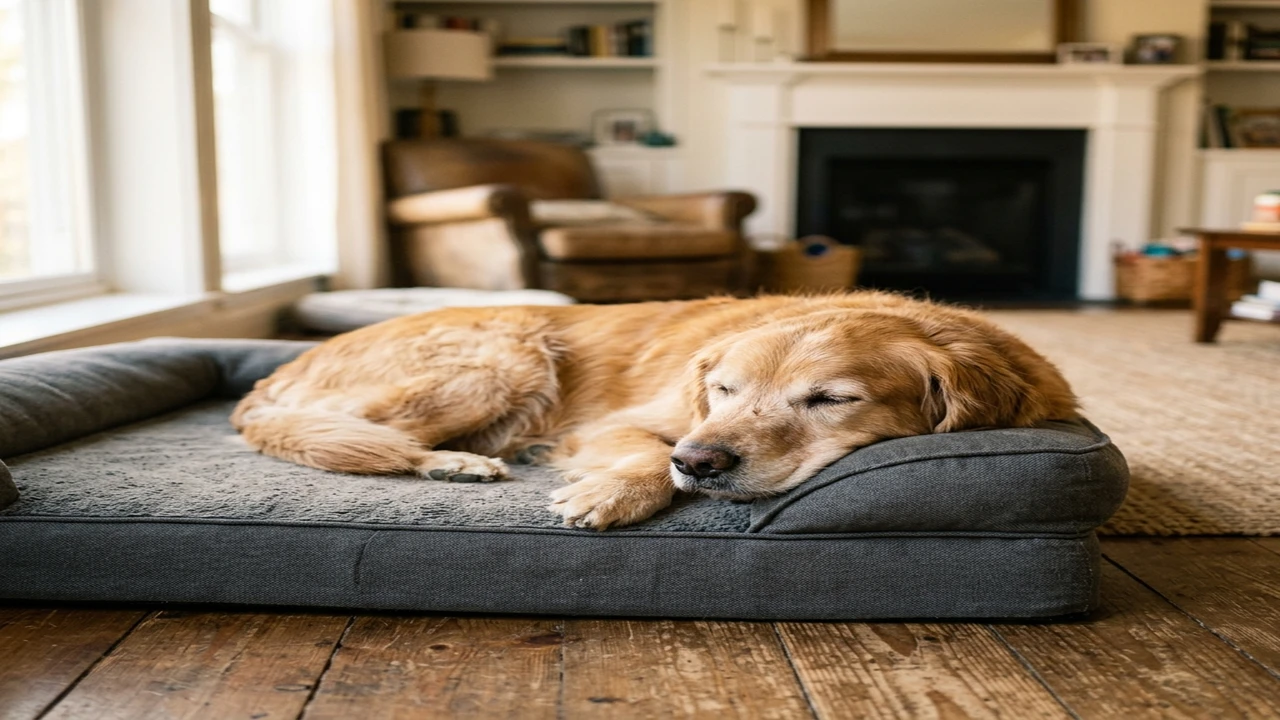
- Settle on a mat. Teaching a calm settle on a designated mat or bed is physically comfortable and practically useful
- Hand signal responses. Especially valuable for dogs with hearing loss
Mental Enrichment
Senior dogs benefit enormously from mental stimulation. Puzzle toys, snuffle mats, scent games, and short training sessions keep the brain active and may help slow cognitive decline. Think of training as brain exercise — it keeps your senior dog sharp and engaged with the world around them.
Training Adopted or Rescue Dogs
Adopted dogs come with unknown histories. They may have experienced trauma, inconsistent training, or no training at all. The most important thing during the first few weeks is building trust and establishing safety.
- Give your new dog at least two weeks to decompress before expecting training progress — many rescue dogs go through a "honeymoon period" where they seem perfect, followed by a settling-in phase where real behaviors emerge
- Start with the basics: name recognition, basic engagement, and hand-feeding meals to build trust
- Do not flood your dog with new experiences. Introduce novelty gradually
- If your dog shows fear-based behaviors — cowering, freezing, trembling, or aggression born from fear — work with a certified behavior professional
Common Mistakes
Expecting instant results. Older dogs with years of ingrained habits need more time than puppies learning from scratch. Celebrate incremental progress and stay patient.
Assuming the dog is being stubborn. When an older dog does not respond to a cue, the cause is more likely confusion, physical discomfort, sensory loss, or low motivation than stubbornness. Investigate the reason rather than increasing pressure.
Over-training. Enthusiasm for a new training program can lead to sessions that are too long or too frequent for an older dog's stamina. Watch for fatigue signals and stop before your dog is exhausted.
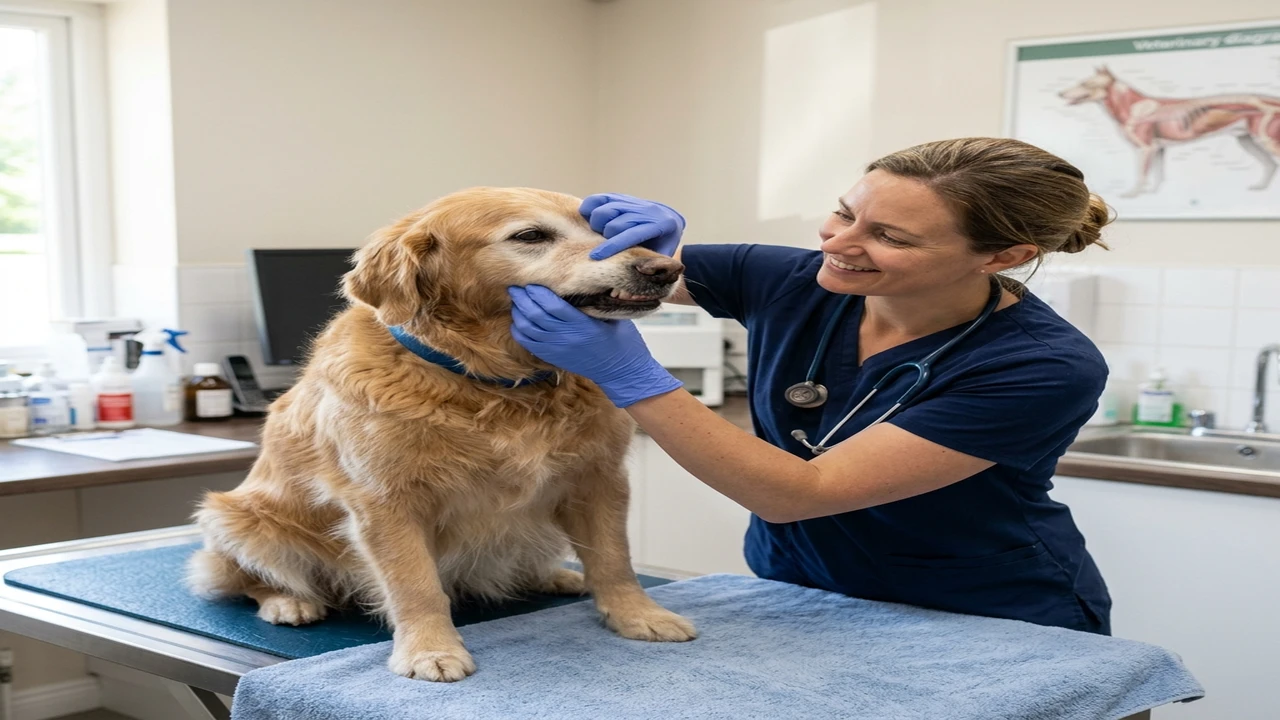
Ignoring medical factors. Sudden behavior changes in older dogs — regression in house-training, new anxiety, unexpected aggression, or confusion — often have medical causes. Always rule out health issues before addressing behavior.
When to Consult a Professional
Seek professional guidance if your older dog shows sudden aggression that was not present before, exhibits signs of cognitive decline such as disorientation or disrupted sleep cycles, has anxiety or fear responses that interfere with daily life, or if you are struggling to change deeply ingrained behavioral patterns. A veterinary evaluation should always be the first step when behavior changes suddenly in an older dog. A certified professional can then work with you to design a training plan that accounts for your dog's age, health, and individual needs.
Final Thoughts
Training an older dog is not only possible — it is deeply rewarding. There is something special about watching an adult or senior dog discover that learning can be fun, that cooperation earns rewards, and that they can still surprise themselves with what they are capable of. Age brings wisdom, patience, and an eagerness to connect that makes older dogs wonderful training partners.
Whether your older dog needs to learn new behaviors, unlearn old ones, or simply stay mentally sharp, the principles remain the same: positive reinforcement, patience, short sessions, and a genuine respect for who they are at this stage of their life. You are never too old to grow, and neither is your dog.
Frequently Asked Questions
What's Your Reaction?
 Like
0
Like
0
 Dislike
0
Dislike
0
 Love
0
Love
0
 Funny
0
Funny
0
 Wow
0
Wow
0
 Sad
0
Sad
0
 Angry
0
Angry
0



Comments (0)