
Raw and Homemade Diets for Dogs: Benefits, Risks and Safety
A comprehensive, science-based review of raw and homemade diets for dogs. Discover the potential benefits, serious contamination risks, and nutritional imbalances associated with raw feeding.

Raw and Homemade Diets for Dogs: Benefits, Risks and Safety
In recent years, interest in raw and homemade diets for dogs has grown significantly. Many pet owners, disillusioned by commercial pet food recalls or seeking a more "natural" approach to pet care, have turned to raw meat diets (often called BARF—Biologically Appropriate Raw Food) or home-cooked meals. Advocates claim these diets improve coat quality, reduce stool volume, increase energy, and support dental health. However, feeding raw or homemade food introduces significant risks. To make an informed decision, owners must look past social media trends and examine current scientific consensus regarding bacterial contamination, public health risks, and nutritional imbalances.
Every feeding choice has consequences. While a carefully formulated home-cooked diet can be highly beneficial, an unbalanced recipe can cause permanent skeletal or cardiac damage. Furthermore, feeding raw meat introduces zoonotic pathogens into the home, posing a safety risk to the entire household. This guide provides a detailed, science-backed analysis of raw and homemade diets for dogs, details the current official guidance from major veterinary organizations, and outlines safe food-handling protocols.
Key Takeaways for Raw and Homemade Diets
- Official Guidance Disapproves Raw Feeding: Major veterinary organizations, including the FDA, AVMA, AAHA, and WSAVA, strongly discourage raw pet food due to pathogen risks.
- High Risk of Bacterial Contamination: Raw diets frequently contain pathogenic bacteria like Salmonella, Listeria monocytogenes, and Campylobacter.
- Public Health Implications: Pathogens from raw food can spread to human household members through direct contact, dog saliva (licking), and feces.
- Improvised Recipes Cause Imbalances: Improvised home-cooked recipes are almost always deficient in essential vitamins, calcium, phosphorus, and trace minerals.
- Professional Formulation is Mandatory: Any homemade diet (raw or cooked) must be formulated by a board-certified veterinary nutritionist to ensure completeness.
1. The Risk of Bacterial Contamination in Raw Diets
Let's examine the bacterial risks of raw feeding in detail. Pathogenic bacteria like Salmonella enterica are adapted to survive in the gastrointestinal tracts of animals and can cause severe systemic infections. In dogs, salmonellosis can lead to severe gastroenteritis, characterized by hemorrhagic (bloody) diarrhea, high fever, abdominal pain, and sepsis. Furthermore, some dogs remain asymptomatic carriers. These carrier dogs do not show signs of illness but shed millions of active bacteria in their feces and saliva, contaminating their environment and creating a continuous infection risk for other pets and humans. Listeria monocytogenes is another critical pathogen. Listeria can survive freeze-thaw cycles and grows in cold temperatures. In pregnant dogs, Listeria infection can cross the placental barrier, causing fetal death, abortion, or neonatal mortality, and in geriatric dogs, it can lead to meningitis or sepsis.
Additionally, raw feeding carries physical risks that should not be overlooked. Raw bones, even when ground or raw, can cause dental fractures. The canine carnassial teeth are designed to shear meat, not crush dense bones. Chewing on bones frequently leads to painful slab fractures of the upper fourth premolars. If swallowed, bone fragments can fail to dissolve in the stomach acid, leading to mechanical obstruction in the stomach or intestines, or worse, sharp splinters can puncture the esophagus, stomach, or colon, causing life-threatening peritonitis (abdominal infection) that requires emergency surgery.
Furthermore, current official guidance from major scientific and veterinary organizations is unanimous in discouraging the feeding of raw diets. The American Veterinary Medical Association (AVMA), the American Animal Hospital Association (AAHA), the World Small Animal Veterinary Association (WSAVA), and the Centers for Disease Control and Prevention (CDC) have all published official statements warning against raw protein diets. These consensus statements emphasize that the documented health risks of bacterial infections (to both dogs and humans) and the high probability of nutritional imbalances outweigh any anecdotal benefits. Feeding raw food is recognized as a significant public health hazard within the household, especially in homes with children or immunocompromised individuals.
The primary concern regarding raw meat diets is the high prevalence of pathogenic bacteria. Raw meat intended for human consumption is processed under the assumption that it will be cooked prior to ingestion, which kills harmful pathogens. When this meat is fed raw to dogs, those pathogens remain active. The FDA Center for Veterinary Medicine conducted a multi-year study testing commercial raw pet foods and found that a significant percentage tested positive for Salmonella and Listeria monocytogenes.
These bacteria pose safety risks to both the dog and the human household members:
- Canine Salmonellosis: While some dogs can consume contaminated meat without showing symptoms, they can still develop clinical salmonellosis. Signs include fever, bloody diarrhea, vomiting, severe abdominal pain, and lethargy. In severe cases, the bacteria can enter the bloodstream, leading to septicemia and death.
- Listeriosis: Listeria is a hardy bacterium that can grow at refrigeration temperatures. It is particularly dangerous to pregnant dogs (causing abortion), puppies, and immunocompromised pets, leading to neurological signs or systemic infections.
2. Public Health Risks to the Household
Feeding raw food is not just a decision that affects your dog; it affects everyone living in your home. Dogs fed raw diets shed pathogenic bacteria in their saliva and feces, even if they do not show clinical signs of illness themselves. This bacterial shedding can persist for up to several weeks after consuming a contaminated meal.
Transmission to humans occurs through several pathways:
- Direct contact with raw food, contaminated bowls, or prep surfaces.
- Being licked by the dog (salivary transmission).
- Handling toys, blankets, or waste where the dog has shed bacteria.
For healthy adults, exposure to Salmonella or Listeria may result in self-limiting food poisoning. However, for high-risk individuals—such as infants, young children, pregnant women, elderly family members, and immunocompromised individuals—exposure to these pathogens can lead to severe hospitalization, miscarriage, or life-threatening systemic infections. For this reason, veterinary clinics and hospitals often prohibit raw-fed dogs from entering their facilities unless they undergo strict containment protocols.
3. Nutritional Imbalance in Improvised Homemade Diets
Aside from pathogen risks, the second major concern with home-prepared diets (both raw and cooked) is nutritional imbalance. Improvised diets created by owners using online recipes, blogs, or human cookbooks are almost always deficient in one or more essential nutrients. A study conducted by the University of California, Davis School of Veterinary Medicine analyzed 200 homemade dog food recipes from various sources and found that 95% were deficient in at least one essential nutrient, and 83% had multiple nutritional deficiencies.
Common imbalances in improvised homemade diets include:
- Inverted Calcium-to-Phosphorus Ratio: Improvised diets that are heavy in muscle meat but lack adequate calcium (bone or calcium carbonate) have a severely inverted calcium-to-phosphorus ratio. In growing puppies, this causes nutritional secondary hyperparathyroidism, leading to bone softening, fractures, and skeletal deformities.
- Zinc Deficiency: Zinc is critical for skin health and immune function. Improvised diets often lack adequate zinc, resulting in zinc-responsive dermatosis, characterized by thick crusts around the eyes, mouth, and joints.
- Vitamin D Deficiencies or Toxicities: Vitamin D is essential for calcium absorption, but dogs cannot synthesize it from sunlight. A lack of dietary Vitamin D leads to rickets, while an excess (from over-supplementation with liver or fish oils) causes organ calcification and kidney failure.
4. The Importance of Professional Formulation
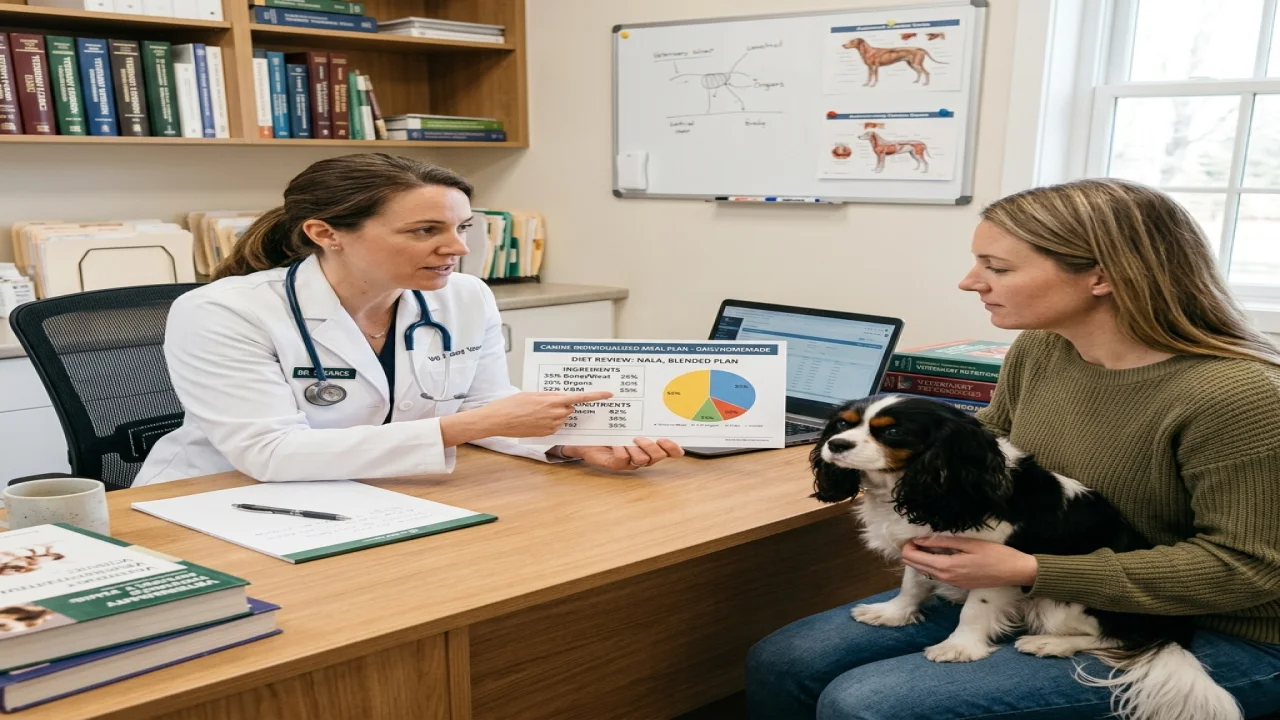
If an owner is committed to feeding a homemade diet (whether cooked or novel raw), they must not rely on random recipes. The diet must be formulated specifically for the individual dog by a Board-Certified Veterinary Nutritionist (DACVIM-Nutrition) or a PhD animal nutritionist. These professionals use specialized database software to analyze the raw ingredients and formulate a recipe that meets AAFCO nutrient profiles. They will specify the exact weight of each ingredient in grams and prescribe a targeted vitamin-mineral supplement to balance the recipe.
5. Safe Food Handling Guidelines
If you choose to feed a raw or homemade diet despite the risks, you must implement strict kitchen sanitation and hygiene protocols to protect your household:
- Sanitize Prep Areas: Designate specific cutting boards, knives, and bowls for your dog's food. Wash them with hot, soapy water and sanitize with a bleach solution immediately after use.
- Wear Gloves: Wear disposable gloves when handling raw meat, and wash your hands thoroughly with soap and water for at least 20 seconds afterward.
- Feed in Clean Bowls: Use stainless steel or ceramic food bowls. Wash the bowl with hot, soapy water immediately after your dog finishes eating. Avoid plastic bowls, as scratches can harbor bacteria.
- Discard Uneaten Food: Do not leave raw food sitting in the bowl. If your dog does not eat it within 15 minutes, discard it safely in a closed trash bin.
- Avoid Licking: Do not allow raw-fed dogs to lick your face or hands, especially after they have eaten. Wash any contact areas immediately.
Safety Risks and Warning Signs
Be alert to warning signs that your dog is suffering from foodborne illness or nutritional deficiency. If your dog experiences sudden vomiting, watery or bloody diarrhea, lethargy, fever, or refusal to eat, contact your veterinarian immediately. These are symptoms of bacterial gastroenteritis. For dogs fed raw bones, monitor for signs of emergency gastrointestinal obstruction or perforation, including repeated retching, abdominal pain (splinting the abdomen), straining to defecate, or collapse.
Public Health Concerns and Pathogen Transmission in Raw Diets
Raw meat diets carry a high risk of bacterial contamination with pathogens such as Salmonella, Listeria monocytogenes, and Campylobacter. While adult dogs with healthy immune systems may not show clinical symptoms of infection, they can act as asymptomatic carriers, shedding these bacteria in their feces and saliva. This poses a significant public health risk to human household members, particularly children, the elderly, pregnant women, or immune-compromised individuals. Normal household contact, cleaning up waste, or being licked by the dog can lead to accidental transmission and severe human illness.
Common Nutritional Deficiencies in Improvised Homemade Diets
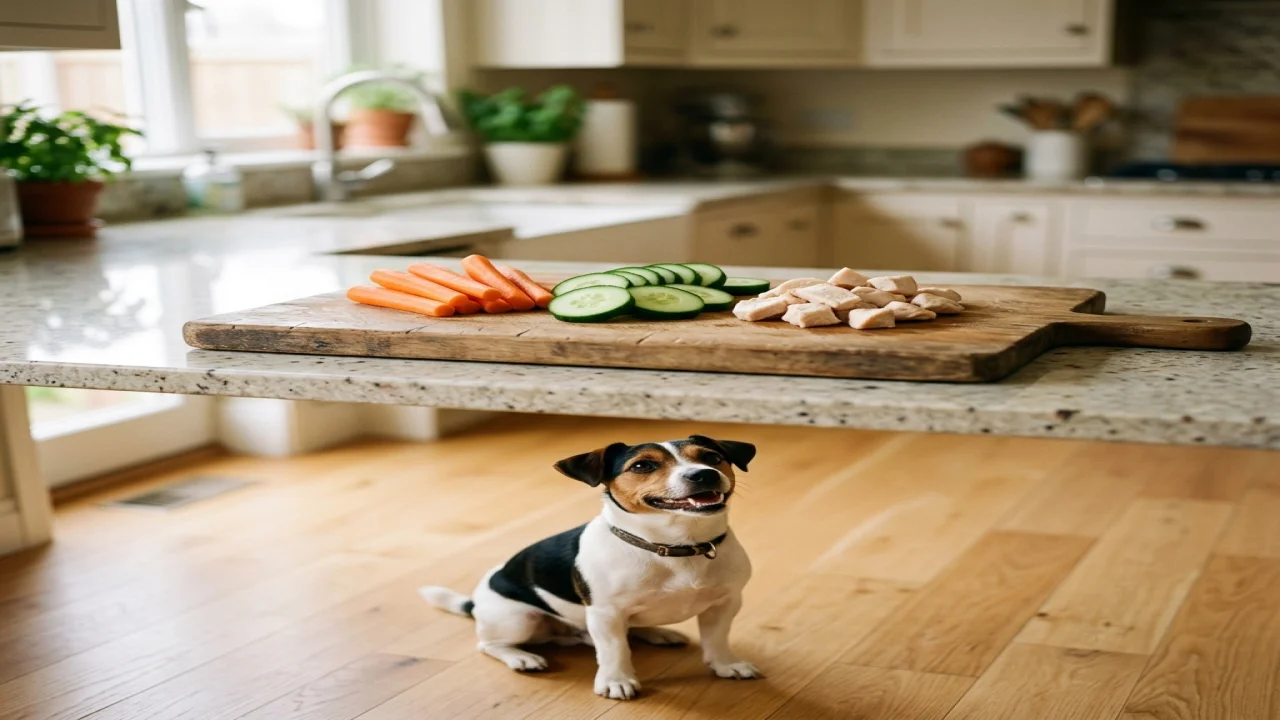
Many pet owners prepare homemade meals for their dogs under the assumption that fresh ingredients are inherently balanced. However, without a precise recipe formulated by a veterinary nutritionist, improvised homemade diets (like chicken breast, rice, and carrots) are almost always severely deficient in key micronutrients. The most common deficiencies include calcium, zinc, copper, iron, vitamin D, and essential fatty acids. For instance, meat is naturally high in phosphorus and extremely low in calcium. Feeding a meat-heavy diet without a calcium supplement leads to secondary hyperparathyroidism, where the body pulls calcium from the bones to maintain blood levels, causing skeletal weakness and fractures.
The Role of Board-Certified Veterinary Nutritionists
To ensure a homemade diet is safe and complete, it must be formulated specifically for your dog by a Board-Certified Veterinary Nutritionist. These specialists use advanced software to calculate exact nutrient levels based on your dog's age, weight, breed, and medical history. They provide a precise recipe including specific vitamin and mineral supplements (such as calcium carbonate, taurine, or specialized powders) that must be added to the cooked ingredients. Regular blood work and veterinary wellness exams are necessary to monitor the dog's nutritional status over time and adjust the recipe as they age.
When Veterinary Guidance is Critical
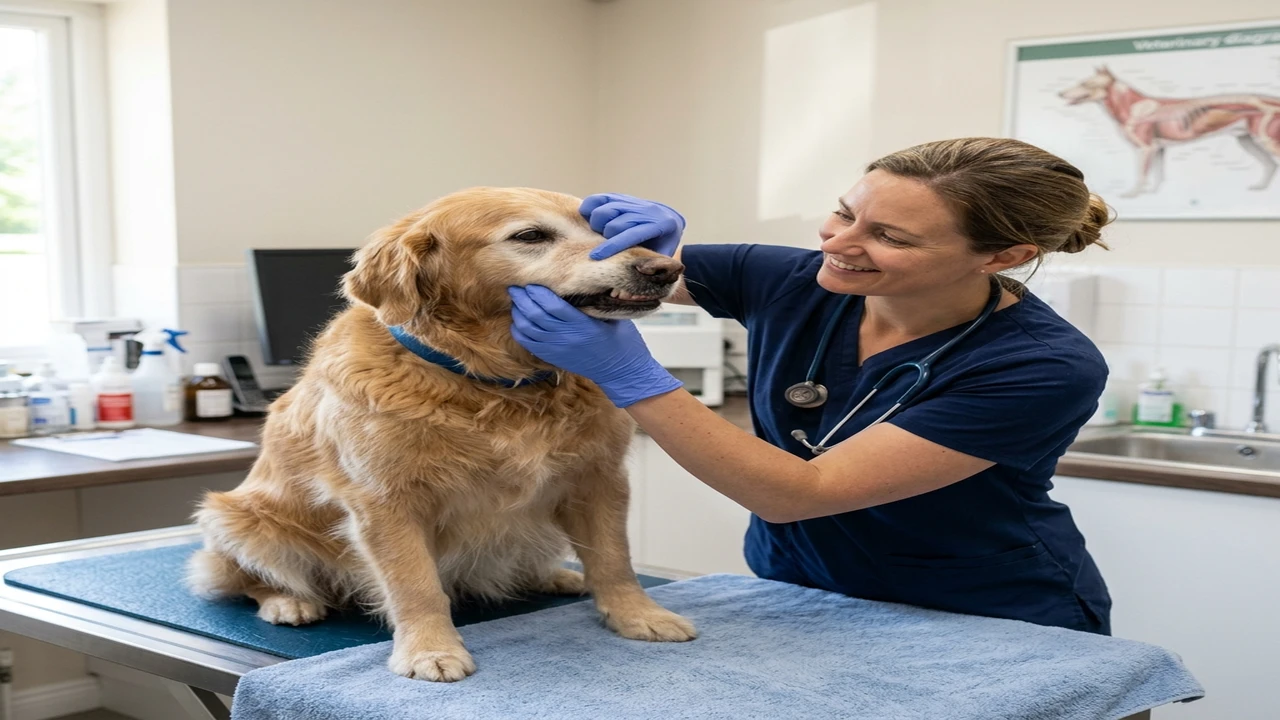
Veterinary guidance is mandatory if you are feeding a raw or homemade diet. Your veterinarian must perform regular physical examinations, monitor body condition, and run annual blood work and fecal testing to detect subclinical infections or nutrient deficiencies. If your dog has a chronic illness, do not attempt to feed a homemade diet without direct coordination between your veterinarian and a veterinary nutritionist, as their tolerance for nutrient fluctuations is significantly reduced.
This article provides general educational information and does not replace individualized advice from a veterinarian or board-certified veterinary nutritionist. Consult your veterinarian before making significant changes to your dog’s diet.
Sources and Further Reading
- FDA Center for Veterinary Medicine: Raw Pet Food Diets Danger Warnings
- American Veterinary Medical Association (AVMA): Policy on Raw or Undercooked Protein Diets
- Cummings School of Veterinary Medicine at Tufts University: Raw Diets - Healthy or Hype?
- Journal of the American Veterinary Medical Association: Evaluation of Homemade Diets for Dogs
Conclusion
While raw and homemade diets for dogs are popular, they carry significant, scientifically documented risks of bacterial contamination and nutritional imbalance. By understanding these risks, avoiding improvised online recipes, and ensuring that any homemade diet is formulated by a board-certified veterinary nutritionist, you protect both your pet and your family. Maintain open communication with your veterinarian to monitor your dog's health and nutritional status.
Frequently Asked Questions
What's Your Reaction?
 Like
0
Like
0
 Dislike
0
Dislike
0
 Love
0
Love
0
 Funny
0
Funny
0
 Wow
0
Wow
0
 Sad
0
Sad
0
 Angry
0
Angry
0










Comments (0)