
What Human Foods Can Dogs Eat? Safe and Dangerous Foods
A comprehensive, veterinary-verified guide on what human foods dogs can eat. Discover safe, healthy human snacks and learn about toxic foods like chocolate, grapes, and xylitol.

What Human Foods Can Dogs Eat? Safe and Dangerous Foods
Many pet owners enjoy sharing table scraps or sharing a snack with their canine companions. The human-animal bond is often expressed through food, and it can be hard to resist those pleading puppy eyes. However, a dog’s digestive tract and metabolic processes differ significantly from ours. Foods that are perfectly healthy and delicious for humans can cause severe digestive upset, organ failure, or death in dogs. To protect your pet, you must learn to answer the question: "what human foods can dogs eat?" by understanding the science of canine toxins and safe nutritional boundaries.
Feeding human food is not inherently bad, but it must be done with extreme caution. Owners must distinguish between toxic foods that require emergency veterinary intervention, foods that are safe in small quantities, and nutritious vegetables and fruits that make healthy low-calorie treats. Furthermore, sharing human food must not disrupt the nutritional balance of their primary commercial diet. This guide details the safety profiles of common human foods, outlines toxicity symptoms, and provides practical advice for safe feeding.
Key Takeaways for Feeding Human Foods
- Verify Before Feeding: Never feed a human food to your dog unless you have verified that it is safe from an authoritative veterinary source.
- Know the Major Toxins: Memorize high-risk toxins including chocolate, grapes, raisins, onions, garlic, macadamia nuts, alcohol, caffeine, and xylitol.
- Check Peanut Butter Labels: Ensure peanut butter is free from xylitol, a sweetener that causes life-threatening blood sugar drops.
- Keep Extras Under 10%: All human food treats, table scraps, and training rewards combined must not exceed 10% of your dog's daily calorie allowance.
- Feed Plain and Cooked: When sharing safe meats or vegetables, ensure they are prepared without salt, oils, butter, onions, garlic, or spices.
Nutritional Boundaries: The 10% Treat Rule
Even when feeding human foods that are completely safe and non-toxic, pet owners must maintain strict dietary balance. A complete and balanced commercial dog food is formulated with a precise ratio of vitamins, minerals, protein, and fat. If you add large volumes of unfortified human foods (such as plain chicken breast, rice, or vegetables) to their bowl, you dilute these nutrient concentrations. Over time, this can lead to nutritional deficiencies.
To prevent this dilution, veterinarians recommend the "10% rule." This rule dictates that no more than 10% of a dog’s total daily caloric intake should come from unbalanced foods, including dog treats, commercial chews, and human foods. The remaining 90% must come from a complete and balanced commercial diet. For example, if a small dog requires 300 calories per day, they can receive a maximum of 30 calories from treats (equivalent to about half a teaspoon of peanut butter or a few small pieces of carrot), with the remaining 270 calories coming from their kibble.
Highly Dangerous and Toxic Human Foods
Let's examine the clinical toxicity mechanisms of several key toxins to understand why they are so dangerous. Chocolate contains theobromine, which inhibits cellular adenosine receptors and increases intracellular calcium. This leads to skeletal muscle stimulation, cardiac hyperactivity, and central nervous system excitability. Symptoms like vomiting and hyperactivity can occur within 2 to 4 hours of ingestion, and dark chocolate or cocoa powder require emergency veterinary triage because their toxic dose is very low. A 10 kg dog can develop severe cardiotoxicity from eating just one ounce of baking cocoa.
Grapes and raisins contain tartaric acid, which causes acute renal tubular necrosis, meaning it kills the cells responsible for filtering waste in the kidneys. The toxic threshold is completely unpredictable, which is why any ingestion is treated as an emergency. The veterinarian will typically induce vomiting within 2 hours of ingestion, administer activated charcoal to prevent absorption, and place the dog on aggressive intravenous fluid therapy for 48 hours to protect their kidneys. Waiting until the dog shows signs of kidney failure (like lethargy and vomiting) before seeking treatment drastically reduces their prognosis, as damaged kidney cells cannot regenerate easily.
The following foods contain chemical compounds that are toxic to dogs. Ingestion of these items can cause serious illness and requires immediate veterinary attention:
1. Chocolate and Cocoa Products
3. Onions, Garlic, Leeks, and Chives (Allium Family)
All members of the Allium family contain organosulfur compounds like thiosulfate. When chewed and digested, these compounds cause oxidative damage to the hemoglobin in red blood cells. This damage leads to the formation of Heinz bodies and causes the red blood cells to rupture (hemolysis), resulting in hemolytic anemia. Garlic is approximately five times more concentrated in these toxins than onions. Symptoms of Allium toxicity develop over several days and include weakness, pale gums, rapid breathing, dark orange or red urine, and collapse.
4. Xylitol (Birch Sugar / Wood Sugar)
Xylitol is a sugar alcohol sweetener used in sugar-free chewing gum, sugar-free peanut butter, candies, baked goods, toothpaste, and chewable vitamins. In humans, xylitol has no effect on insulin levels. In dogs, however, it is rapidly absorbed into the bloodstream and tricks the pancreas into releasing a massive amount of insulin. This results in severe, life-threatening hypoglycemia (low blood sugar). In higher doses, xylitol causes acute liver necrosis (liver failure). Symptoms begin within 30 minutes of ingestion and include vomiting, weakness, loss of coordination, seizures, and coma.
5. Macadamia Nuts
Macadamia nuts contain an unidentified toxin that affects a dog’s nervous and muscular systems. Ingestion leads to a condition characterized by profound weakness, particularly in the hind limbs. Other symptoms include depression, vomiting, muscle tremors, hyperthermia (fever), and joint stiffness. While macadamia nut poisoning is rarely fatal, it is highly distressing and requires supportive veterinary care.
6. Caffeine and Alcohol
Dogs are highly sensitive to caffeine and ethanol (alcohol). Caffeine, found in coffee, tea, energy drinks, and soda, causes severe central nervous system stimulation and cardiac arrhythmias. Ethanol, present in alcoholic beverages, vanilla extract, and raw yeast bread dough, causes rapid alcohol poisoning. Raw yeast dough is doubly dangerous because the warm environment of the stomach causes the yeast to ferment, producing ethanol while the expanding dough causes gastric distension or rupture.
Safe and Healthy Human Foods (In Moderation)
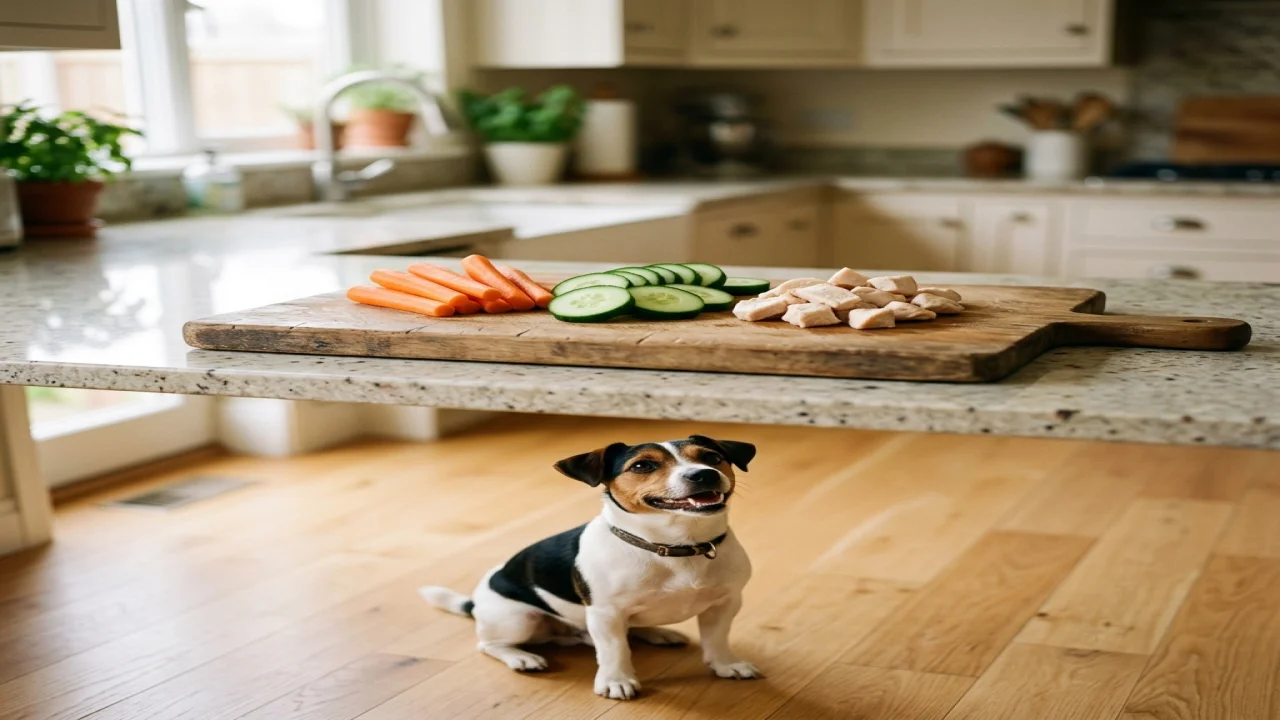
When prepared plain (without butter, oil, salt, spices, onions, or garlic), several human foods make nutritious, low-calorie treats for dogs:
Safe Vegetables
- Carrots: Rich in beta-carotene, fiber, and vitamin A. Chewing raw carrots also helps clean teeth.
- Green Beans: Low in calories and high in fiber. Green beans are an excellent filler treat for dogs on weight loss programs.
- Pumpkin: Plain, cooked canned pumpkin (not pumpkin pie mix) is high in soluble fiber and helps regulate both diarrhea and constipation.
Safe Fruits (Remove Seeds and Pits)
- Apples: A crunchy source of vitamins A and C. You must remove the core and all seeds, as apple seeds contain amygdalin, which releases cyanide when chewed.
- Blueberries: Packed with antioxidants, fiber, and vitamin C. They make excellent training rewards.
- Bananas: High in potassium and vitamins, but high in sugar. Feed only in small slices.
Safe Meats and Fish
- Chicken and Turkey: Skinless, boneless, cooked poultry provides highly digestible protein. Avoid feeding cooked bones, which splinter and puncture the gut.
- Salmon: Fully cooked salmon is rich in omega-3 fatty acids, supporting skin and coat health. Never feed raw salmon due to salmon poisoning disease caused by parasites.
Practical Step-by-Step Guidance for Owners
Follow these steps to safely manage human foods in your household:
- Verify the Ingredients: If sharing a commercial human product (like peanut butter), read the entire ingredient list to ensure it is free from xylitol, onion powder, or artificial sweeteners.
- Prepare Foods Plain: Cook safe meats or vegetables separately from your family meals, without adding salt, butter, oils, spices, garlic, or onions.
- Measure Portions: Keep human treats extremely small (e.g., a single blueberry or a tiny cube of plain chicken). Add up the calories and ensure they stay below 10% of the dog's daily limit.
- Secure Toxic Foods: Keep chocolate, grapes, onions, and sugar-free items in high cabinets or locked pantries. Educate all family members and visitors about what foods are dangerous.
The Dangerous Mechanism of Grape and Raisin Toxicity
Grapes, raisins, and sultanas are extremely toxic to dogs, regardless of the breed, size, or age of the dog. While the exact toxic agent has historically been elusive, recent veterinary research suggests that tartaric acid and potassium bitartrate are the likely culprits behind this idiosyncratic poisoning. Ingestion of even a small quantity of grapes or raisins can cause sudden, acute kidney injury (AKI) in dogs. The clinical signs typically manifest within 6 to 24 hours and include vomiting, diarrhea, lethargy, anorexia, and abdominal pain. As the condition worsens, the kidneys lose their ability to produce urine (anuria), which is a life-threatening medical emergency. Never offer grapes or raisins as treats, and ensure they are kept out of your pet's reach.
The Critical Danger of Xylitol (Birch Sugar)
Xylitol is a sugar alcohol commonly used as a sweetener in sugar-free chewing gum, candies, baked goods, and even some brands of peanut butter. While completely safe for humans, xylitol is highly toxic to dogs. When a dog ingests xylitol, it is rapidly absorbed into the bloodstream and triggers a massive release of insulin from the pancreas. This causes a sudden, severe drop in blood sugar (hypoglycemia) within 30 to 60 minutes. Symptoms include vomiting, weakness, loss of coordination, seizures, and coma. At higher doses, xylitol causes acute liver necrosis and liver failure. Always read peanut butter labels carefully to ensure it contains only peanuts and salt, and never feed sugar-free human treats to dogs.
Understanding Yeast Dough and Raw Bread Dough Risks
Raw yeast dough is another household hazard. If a dog eats raw bread dough, the warm, moist environment of their stomach acts as an incubator. The yeast continues to ferment the carbohydrates in the dough, producing carbon dioxide gas and ethanol. The expanding gas causes gastric distension (bloating), which can progress to life-threatening gastric dilatation-volvulus (GDV). Meanwhile, the ethanol is rapidly absorbed, leading to alcohol poisoning. Symptoms include severe bloating, abdominal pain, retching, coordination loss, hypothermia, and metabolic acidosis. Immediate veterinary intervention is required to cool the stomach and remove the dough.
What to Do in Case of Ingestion
If your dog ingests a toxic human food, do not wait for symptoms to develop. Contact your veterinarian or an animal poison control hotline immediately. Have the packaging or ingredient list ready, along with the estimated amount consumed, the time of ingestion, and your dog’s weight. Early veterinary intervention—such as inducing vomiting, administering activated charcoal to bind toxins, and providing intravenous fluids—is the most effective way to prevent organ damage and save your dog’s life.
Onions, garlic, leeks, and chives (members of the Allium family) contain toxic compounds called organosulfoxides. When chewed, these compounds are converted into highly reactive oxidants that damage the dog's red blood cells. The oxidative stress causes the hemoglobin to clump together, forming structures known as Heinz bodies. This leads to hemolytic anemia, where the body's immune system destroys its own damaged red blood cells. Symptoms like pale gums, rapid breathing, and dark, reddish-brown urine may take several days to appear after ingestion. Both raw and cooked forms of these vegetables are toxic, so never share seasoned leftovers with your pet.
When Veterinary Guidance is Necessary
Always speak with your veterinarian before introducing new human foods to dogs with chronic health issues. For example, dogs with history of pancreatitis must avoid any high-fat human foods (like cheese or bacon), as even small amounts can trigger a painful relapse. Dogs with kidney issues must avoid foods high in phosphorus or sodium. Your veterinarian can help you identify safe, low-calorie vegetables that will not interfere with their medical management.
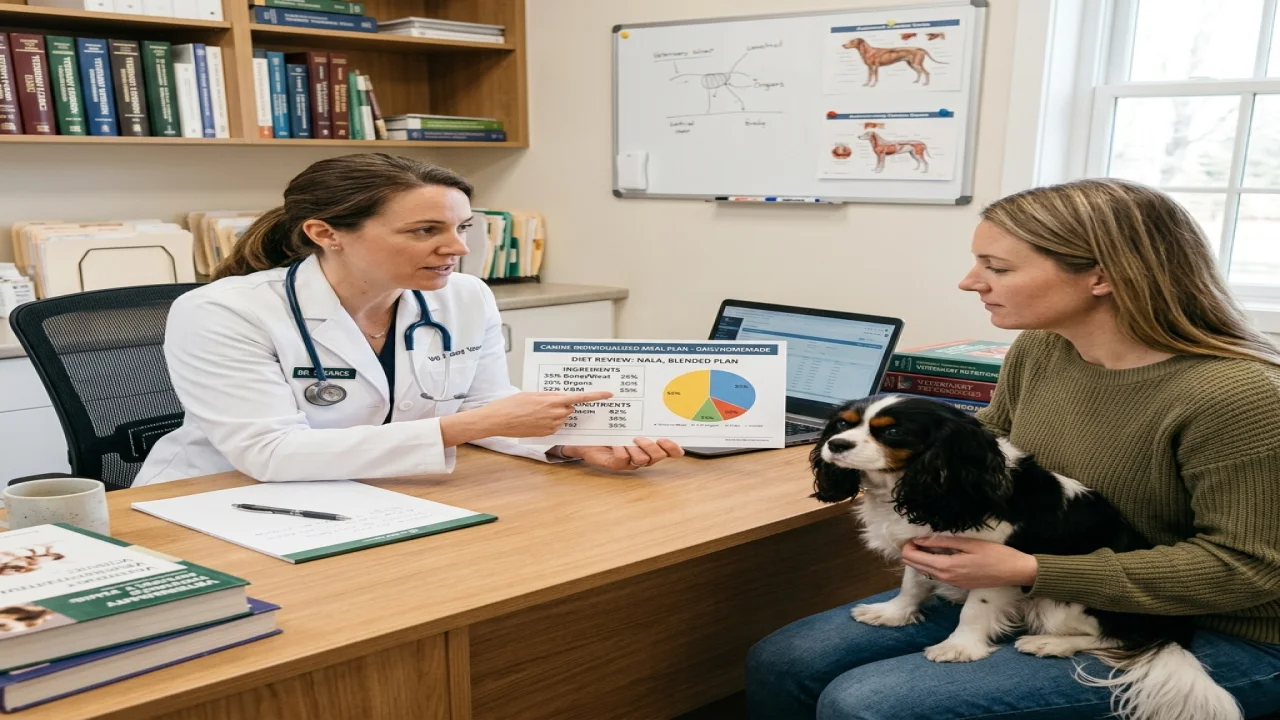
This article provides general educational information and does not replace individualized advice from a veterinarian or board-certified veterinary nutritionist. Consult your veterinarian before making significant changes to your dog’s diet.
Sources and Further Reading
- FDA Consumer Updates: Peanuts, Peanut Butter, and Xylitol Risks
- ASPCA Animal Poison Control: People Foods to Avoid Feeding Your Pets
- Tufts University Petfoodology: Healthy Treats for Pets
- Interdisciplinary Toxicology: Common Food Toxicities in Companion Animals
Conclusion
Learning what human foods dogs can eat is a key aspect of responsible pet ownership. By keeping toxic foods out of reach, ensuring all shared human treats are prepared plain and fed in tiny portions, and adhering to the 10% limit, you can safely include your dog in snack time without compromising their nutrition or safety. Always consult your veterinarian if you are unsure about the safety of any food item.
Frequently Asked Questions
What's Your Reaction?
 Like
0
Like
0
 Dislike
0
Dislike
0
 Love
0
Love
0
 Funny
0
Funny
0
 Wow
0
Wow
0
 Sad
0
Sad
0
 Angry
0
Angry
0







Comments (0)