
How to Stop Excessive Dog Barking with Humane Training
Reduce excessive barking humanely by identifying triggers, teaching quiet behavior, using enrichment, gradual exposure, and knowing when to seek help.

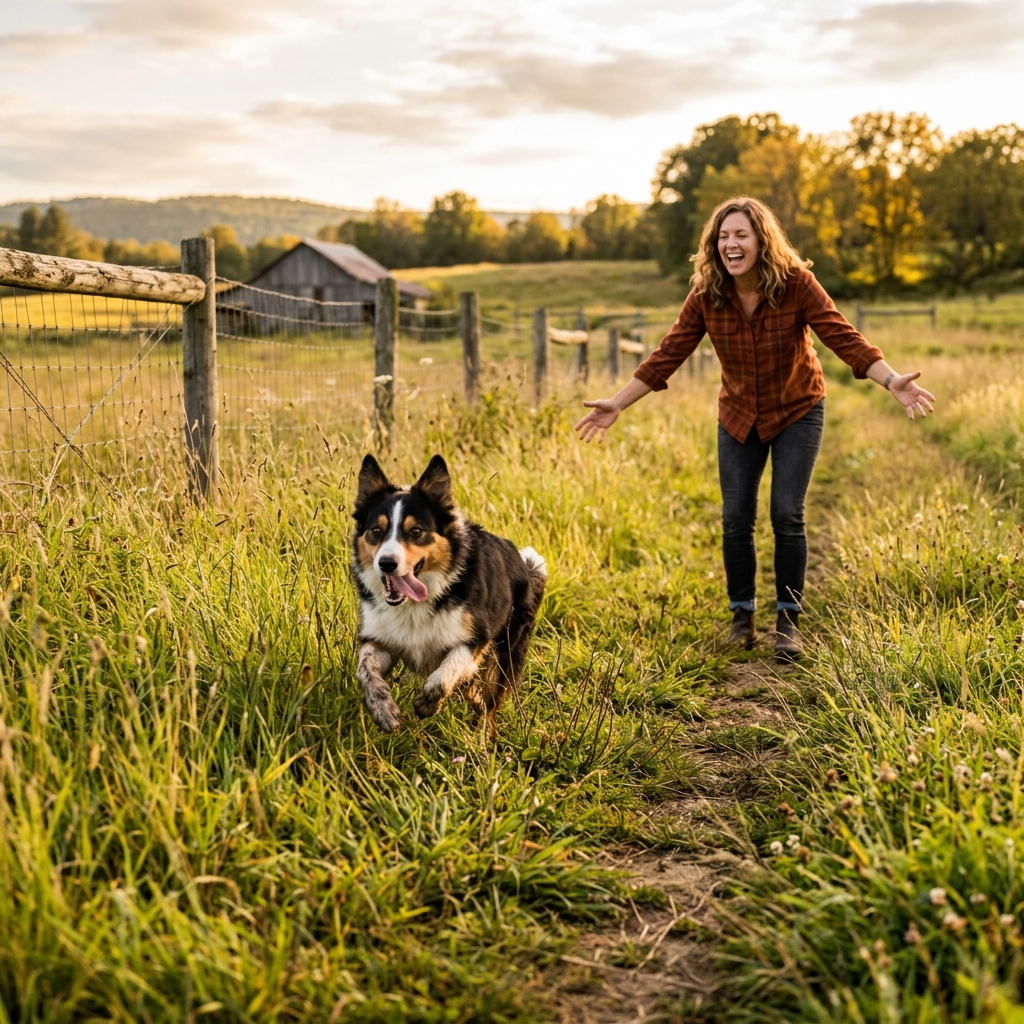
Barking is one of the most common complaints dog owners have — and one of the most misunderstood. Dogs bark for dozens of reasons, and the appropriate response depends entirely on why the barking is happening. A bored dog that barks all day needs more enrichment. A fearful dog that barks at strangers needs desensitization. An excited dog that barks during play may need help settling. There is no single solution because there is no single cause.
This guide helps you identify why your dog barks excessively and provides humane, effective strategies to reduce it. No shock collars, no shouting, no punishment — just clear communication and systematic training.
The Quick Answer
Identify the trigger that causes the barking. Manage the environment to reduce exposure. Teach an alternative behavior like quiet or settle. Reward silence and calm behavior generously. Increase mental and physical enrichment to address boredom. Seek professional help if the barking stems from fear, aggression, or severe anxiety.
Understanding Why Dogs Bark
Alert Barking
Your dog hears or sees something and barks to notify you — a delivery person, a passing dog, or a squirrel in the yard. This is normal dog behavior rooted in guarding instinct. The bark typically consists of a few sharp, loud vocalizations followed by a pause.
Demand Barking
Your dog barks at you to get something — food, attention, a toy, or access to a room. This barking is reinforced every time you give your dog what they want in response to the bark.
Boredom and Frustration Barking
Dogs left alone without adequate exercise or mental stimulation may bark continuously. This barking is often monotonous and repetitive — a sign of a dog that needs more engagement in their daily routine.
Fear and Anxiety Barking
Dogs that are afraid — of strangers, other dogs, loud sounds, or unfamiliar environments — may bark as a defensive response. This barking is often accompanied by body language like cowering, tucked tail, whale eye, or attempts to retreat.
Excitement Barking
Some dogs bark when overly excited — at mealtimes, before walks, during play, or when visitors arrive. This barking is typically high-pitched and accompanied by jumping, spinning, or tail wagging.
Step-by-Step Solutions by Bark Type
For Alert Barking
- Allow two to three barks — your dog is doing their job
- Calmly acknowledge: "Thank you" or "I see it"
- Call your dog away from the trigger with "come" or "here"
- Reward them for disengaging and coming to you
- If barking continues, manage the environment — close blinds, play white noise, move your dog to a quieter room
For Demand Barking
- Do not give your dog what they want while they are barking — this reinforces the behavior
- Wait for silence — even one second of quiet
- The instant they stop barking, mark with "yes" and reward
- Teach an alternative behavior: your dog must sit quietly to receive meals, attention, or access to what they want
- Be consistent — if you give in sometimes, the barking will get worse before it gets better
For Boredom Barking
- Increase daily exercise — both physical and mental
- Provide puzzle toys, snuffle mats, and food-dispensing toys
- Rotate toys to keep them interesting
- Consider doggy daycare or a dog walker for long days alone
- Teach new tricks or practice training exercises to engage their brain
For Fear-Based Barking
Fear-based barking requires desensitization and counterconditioning — gradually exposing your dog to the trigger at a distance where they can observe without reacting, and pairing the trigger with something positive. This process takes weeks to months and should be guided by a certified professional if the fear is severe or involves aggression.
Teaching the Quiet Cue
- Wait for your dog to bark at a trigger they commonly react to
- The moment they pause — even for one second — mark with "yes" and deliver a treat
- Repeat many times, gradually extending the silent period required before marking
- Once your dog begins offering silence deliberately, add the word "quiet" just before the natural pause
- With consistent practice, "quiet" becomes a cue your dog understands and responds to
Common Mistakes
Yelling at a barking dog. To your dog, yelling sounds like you are barking along with them. It escalates the situation rather than calming it.
Using punishment devices. Bark collars, spray bottles, and citronella collars suppress the behavior without addressing the cause. They can create additional anxiety and worsen the problem.
Ignoring the underlying need. If your dog barks because they are bored, afraid, or in pain, no amount of quiet training will solve the problem until the root cause is addressed.
When to Get Professional Help
Consult a certified professional if your dog's barking is accompanied by aggression, involves severe anxiety or panic responses, has caused neighbor complaints or legal concerns, or if you have tried consistent training for several weeks without improvement. A veterinary behaviorist can evaluate whether the barking has a medical component and can design a comprehensive behavior modification plan.
Final Thoughts
Barking is normal. Excessive barking is a symptom — of boredom, fear, frustration, or unmet needs. Addressing the root cause while teaching alternative behaviors produces lasting results. Be patient, be consistent, and remember that your dog is communicating the only way they know how. Your job is to listen, understand, and help them find a better way to express what they need.
Frequently Asked Questions
What's Your Reaction?
 Like
0
Like
0
 Dislike
0
Dislike
0
 Love
0
Love
0
 Funny
0
Funny
0
 Wow
0
Wow
0
 Sad
0
Sad
0
 Angry
0
Angry
0












Comments (0)