
New Puppy Essentials: What You Need and What You Can Skip
A practical veterinary guide for new puppy owners. Discover the essential products you must buy, which items you can safely skip, and puppy teething safety tips.

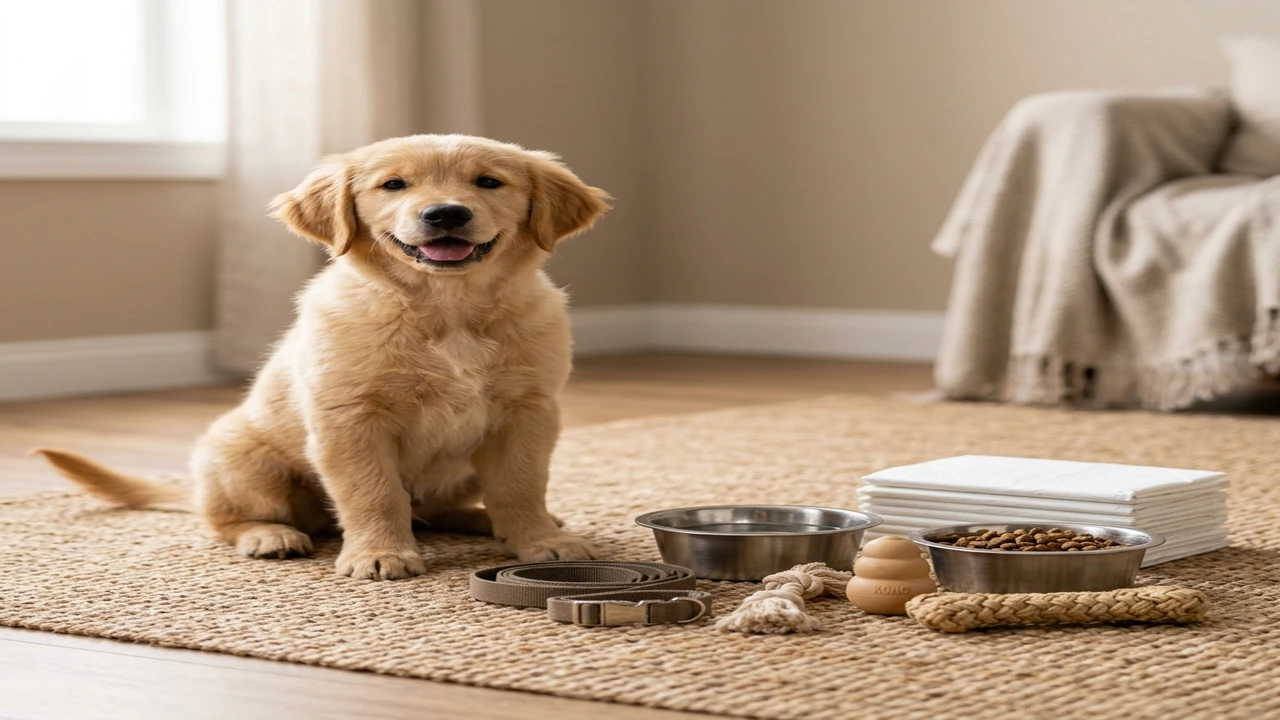
New Puppy Essentials: What You Need and What You Can Skip
Bringing a new puppy home is one of the most exciting milestones a pet owner can experience. However, walking into a pet store or browsing online shopping sites can quickly lead to budget overwhelm. The pet industry is flooded with thousands of products designed to appeal to human emotions, from designer puppy outfits and high-tech GPS trackers to expensive orthopedic beds. The reality is that puppies have very simple needs, and many of these products are unnecessary or even dangerous.
During their first few months, puppies grow rapidly, chew destructively due to teething, and are prone to accidents in the house. Buying the wrong gear can lead to wasted money, behavior issues, and veterinary emergencies. This guide provides an expert-backed list of essential puppy supplies you must have, optional items you can safely skip, and critical safety rules. For structural checklists and training guides, read our new puppy checklist and learn how to potty train a puppy.
The Essentials: What You Must Buy
These products are non-negotiable for your puppy's health, safety, and training foundation:
- Y-Shaped Harness and ID Tags: Puppies have fragile necks, and pulling on a collar can easily cause tracheal injury. A Y-shaped harness distributes pressure safely across their chest, leaving their shoulders free. Attach a flat collar with an engraved ID tag containing your phone number; tags are crucial if they bolt. For leash walking manners, see how to train a dog.
- Crate with a Divider Panel: A metal wire crate is an invaluable tool for housebreaking. Choose an adult-sized crate that includes a movable divider panel. This allows you to adjust the crate's size to fit your puppy's current body, preventing them from using one end as a bathroom. Check out crate training a dog for positive setup tips.
- Enzymatic Cleaning Spray: Puppies will have accidents. Standard household cleaners mask odor to humans but leave organic compounds that puppies can still smell. An enzymatic cleaner breaks down these compounds, eliminating the scent mark completely so they do not return to soil the same spot.
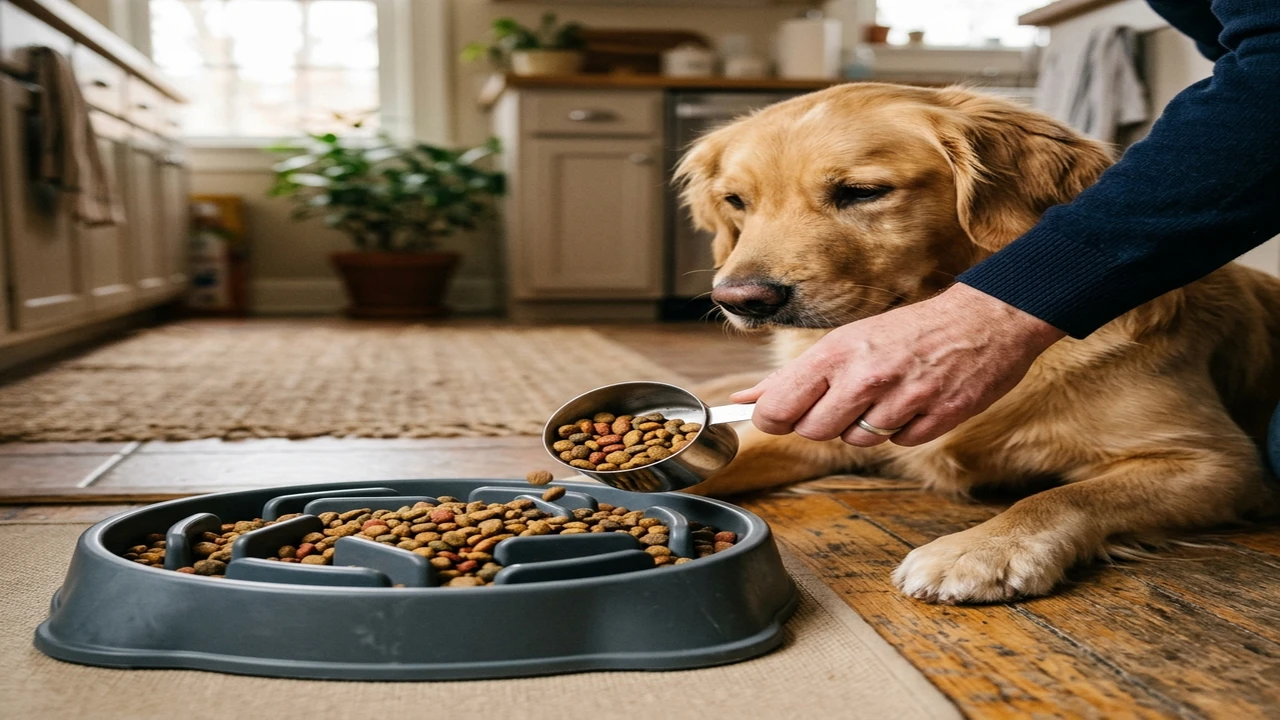
- High-Quality Puppy Food: Puppies need nutrient-dense food with specific calcium-to-phosphorus ratios to support bone and muscle development. Ensure the food is formulated for puppies, and adjust portions; see puppy feeding guide.
- Puppy-Safe Chew Toys: Puppies chew to soothe their sore, inflamed gums during the teething phase. Provide soft rubber or latex toys designed specifically for puppies. Avoid hard antlers or bones, which can fracture their delicate baby teeth. For teething management, check puppy teething guide.
The Non-Essentials: What You Can Safely Skip
To save your budget, avoid these common pet store traps during your puppy's first year:
1. Expensive Plush Beds
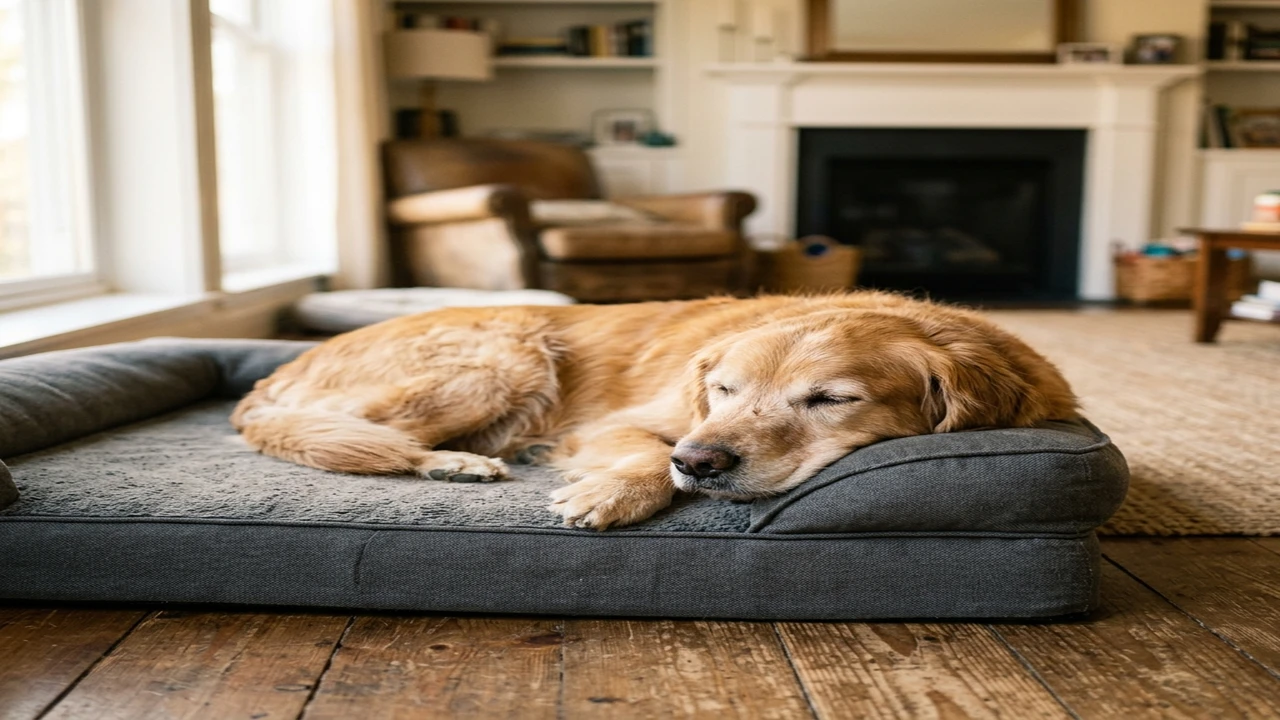
An expensive, fluffy orthopedic plush bed is a waste of money for a puppy. Between teething curiosity and housetraining accidents, the bed will likely be torn apart or soiled within weeks. Ripped plush beds present a severe swallowing hazard if the puppy ingests the polyester fiberfill. Instead, use cheap, durable flat mats, old towels, or fleece blankets in their crate until they are fully housebroken and past the destructive chewing phase.
2. Complex Electronic Training Gadgets
Electronic bark collars, clicker remote systems, or fancy automated treat dispensers are unnecessary. Early training relies on building a connection with your puppy using simple positive reinforcement. A bag of high-value treats and a basic training pouch are all you need. Avoid any aversive collars or devices that rely on shock, vibration, or sound to punish, as they can cause fear-based aggression.
3. Giant Bulk Food Bags
While buying a 40-pound bag of kibble seems cost-effective, it is a bad choice for a single puppy. Once opened, dog food begins to oxidize and fats turn rancid. Vitamins degrade, and the food can attract mold or pests. An open bag should be consumed within 4 to 6 weeks. Buy smaller bags that match your puppy's consumption rate to guarantee nutritional freshness.
4. Designer Outfits and Costumes
Unless you have a toy breed or a hairless puppy that needs a sweater during winter to prevent hypothermia, clothing is unnecessary. Outfits can restrict a puppy's movement, cause chafing, and create stress. Spend your budget on positive socialization classes instead.
| Product Category | Essential (Must Buy) | Non-Essential (Can Skip) | Veterinary Rationale |
|---|---|---|---|
| Containment | Crate with divider panel | Luxury indoor puppy playhouses | Divider adjusts to prevent accidents; playhouses are easily chewed |
| Sleeping | Washable flat crate mats, towels | Expensive plush designer beds | High ingestion risk of plush stuffing; easy cleaning for accidents |
| Training | High-value treats, basic clicker | Shock/vibe collars, automatic dispensers | Aversive tools cause fear; reward-based training builds trust |
| Toys | Soft rubber teething toys, chew toys | Real animal hooves, hard antlers | Antlers fracture fragile baby teeth; rubber protects gums |
Safety Cautions for Puppy Proofing
Puppies explore the world with their mouths, making chemical safety critical.
- Store all cleaning supplies, laundry pods, and human medications in high, locked cabinets.
- Keep house plants out of reach. Many common plants (like lilies, philodendrons, and sago palms) are highly toxic to puppies.
- Secure electrical cords behind furniture or wrap them in protective plastic tubing to prevent electrocution if chewed.
- Keep trash cans locked, as discarded food scraps (like chicken bones, chocolate, or onions) can cause choking or poisoning. Refer to preventive care for dogs for toxic food lists.
New Puppy Shopping Checklist
- [ ] Y-shaped harness and flat collar with ID tags containing owner contact info
- [ ] Metal wire crate with divider panel to adjust usable space
- [ ] Enzymatic cleaning spray for biological odor destruction
- [ ] Soft rubber puppy chew toys (free of plastic buttons or small parts)
- [ ] High-quality puppy kibble (checked fat and protein levels)
- [ ] Stainless steel food and water bowls (bacteria-resistant)
- [ ] Pet-safe gate to restrict access to unsafe rooms
- [ ] Basic 6-foot nylon leash for outdoor socialization walks
Puppy Development Phases and Gear Adaptability
Puppies grow at an astonishing rate, with their bones, muscles, and ligaments changing daily. During their first 6 to 8 months, their long bones grow from cartilage growth plates located near the joints. These growth plates are soft and easily injured by repetitive stress or physical trauma. Using a heavy, rigid harness or pulling on a collar can cause permanent skeletal damage or contribute to hip dysplasia. Select a lightweight, highly adjustable Y-harness that can expand as your puppy grows, ensuring their shoulder joints remain free of pressure. For general health guidelines, read preventive care for dogs.
Additionally, monitor their weight weekly and adjust the harness straps to maintain the two-finger fit. Never buy a giant harness for a puppy to "grow into," as the loose straps will rub against their armpits, causing painful chafing, or allow them to escape. Choose gear that fits their current size and budget for replacement harnesses as they mature. For portion schedules that match growth, see puppy feeding guide.
Enzymatic Odor Elimination and Housebreaking Success
Puppy housetraining is a game of smell. A puppy's sense of smell is thousands of times more sensitive than a human's, allowing them to detect microscopic urine traces that standard household disinfectants cannot remove. If a puppy smells even a faint trace of their previous urine, their brain receives a chemical signal to eliminate in that same spot again. Standard bleach or ammonia-based cleaners actually make this issue worse: ammonia smells similar to urine components, attracting the puppy back to the area.
Enzymatic cleaners contain specific enzymes (like amylase and protease) and friendly bacteria that consume the uric acid and proteins in pet waste. This breaks down the odor compounds at a molecular level, eliminating the scent mark completely. Apply the enzymatic cleaner generously to the soiled area, let it sit for 10-15 minutes, and blot dry. Using enzymatic cleaners daily is essential for successful housebreaking; read how to potty train a puppy and check our new puppy checklist for training setup.
The Cost Analysis of Puppy Gear: What is Worth the Investment?
Preparing for a new puppy can be expensive, and it is easy to overspend on accessories that your puppy will quickly grow out of or destroy. Understanding where to invest and where to save can protect your budget.
- Where to Save: Skip expensive designer collars and fancy dog beds. Puppies grow rapidly, meaning a collar will fit for only a few weeks, and their natural chewing instincts during teething will easily destroy a plush bed. Buy simple, adjustable nylon collars and use soft, washable towels or cheap blankets for bedding until they finish teething and are housebroken.
- Where to Invest: Invest in a high-quality, adjustable Y-harness to protect their growing skeleton, natural rubber chew toys (which are safe and durable), a solid travel crate, and enzymatic odor cleaners. For chewing habits, read why dogs chew everything.
Crate Training vs. Playpen Setup: Safety and Boundaries
A puppy needs a secure, restricted area to prevent accidents and keep them safe when you cannot supervise them. Combining a crate with a playpen (puppy zone) is the most effective setup. The crate serves as their sleeping area and den, while the playpen offers a safe zone for play, water, and chew toys. This setup prevents the puppy from chewing on electrical cords or swallowing household items. To set up their crate positively, read how to potty train a puppy and refer to our new puppy checklist.
Avoid using the playpen as an all-day containment zone. Puppies need social interaction, physical exercise, and training to develop into balanced adults. Use the playpen for short periods during the day, and prioritize structured training and play sessions. For overall puppy training tips, see how to train a dog.
Teething Timelines and Chew Toy Selection Safety
Puppy teething is a long process, starting around 12 to 16 weeks when their deciduous (baby) teeth fall out and permanent adult teeth emerge. During this phase, puppies experience significant gum discomfort and chew aggressively to relieve the pressure. Providing safe chew toys, such as natural rubber toys that can be frozen, helps soothe their gums. Avoid cooked bones, hard plastic toys, or raw hides, which can fracture their fragile new teeth or cause choking and blockages. Check their toys daily for signs of wear; see puppy feeding guide for nutritional joint support.
Standard Maintenance and Storage Tips
Puppy gear requires frequent sanitation because puppies have developing immune systems and are highly susceptible to bacterial infections. Wash chew toys, bowls, and training crates weekly using pet-safe, non-toxic cleansers. Clean puppy playpens and gates daily with an enzymatic disinfectant to remove urine traces that could slow housebreaking progress. Inspect puppy toys daily and discard any that show signs of tearing or cracking to prevent choking.
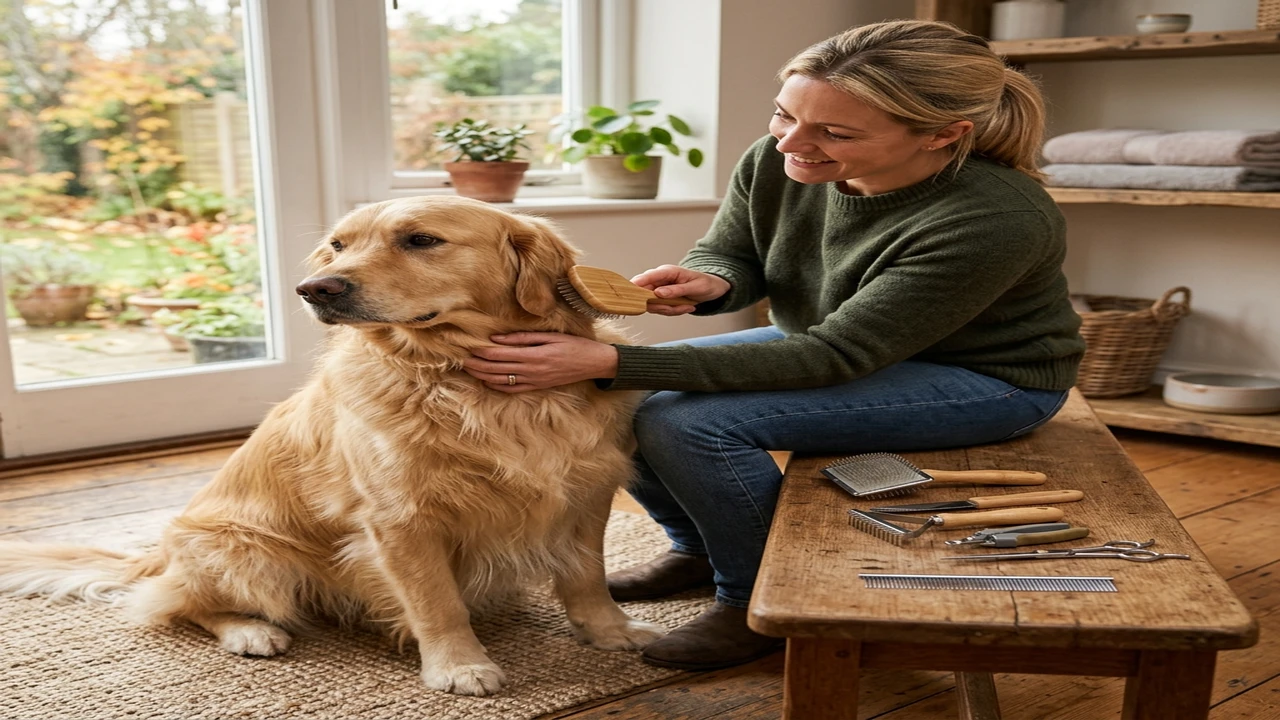
Store puppy supplies in a designated plastic bin to keep them organized and clean. Keep spare collars, training pads, and grooming supplies in a dry cupboard out of your puppy's reach. Keeping their gear sanitized and safe protects your puppy during their critical early growth stages; see new puppy checklist and how to potty train a puppy for structured puppy management.
Furthermore, establish a consistent routine for introducing new puppy supplies. Introduce only one new toy or piece of gear at a time to prevent sensory overload and anxiety. Let your puppy explore the new object at their own pace, and reward their curiosity with praise and high-value treats. Building positive associations with everyday supplies during their early socialization window ensures they grow into a confident, well-adjusted adult dog; see new puppy checklist and how to potty train a puppy.
Conclusion
Welcoming a new puppy does not require spending thousands on luxury accessories. By focusing your budget on high-quality essentials like a Y-shaped harness, an adjustable crate, and safe teething toys, you build a foundation for training and safety. Skip the expensive plush beds and complicated electronic gadgets during the first year, and prioritize simple, reward-based interactions to nurture a lifetime of trust.
Sources consulted: American Veterinary Medical Association (AVMA) puppy care briefs, Association of Professional Dog Trainers (APDT) startup lists, and veterinary dental health guidelines. Verified on June 18, 2026.
New Puppy Products FAQ
What's Your Reaction?
 Like
0
Like
0
 Dislike
0
Dislike
0
 Love
0
Love
0
 Funny
0
Funny
0
 Wow
0
Wow
0
 Sad
0
Sad
0
 Angry
0
Angry
0



Comments (0)