
Why Dogs Jump on People and How to Manage It Humanely
Does your dog greet guests by launching themselves at them? Understand the reasons behind why dogs jump on people and learn force-free training methods to teach calm greetings.

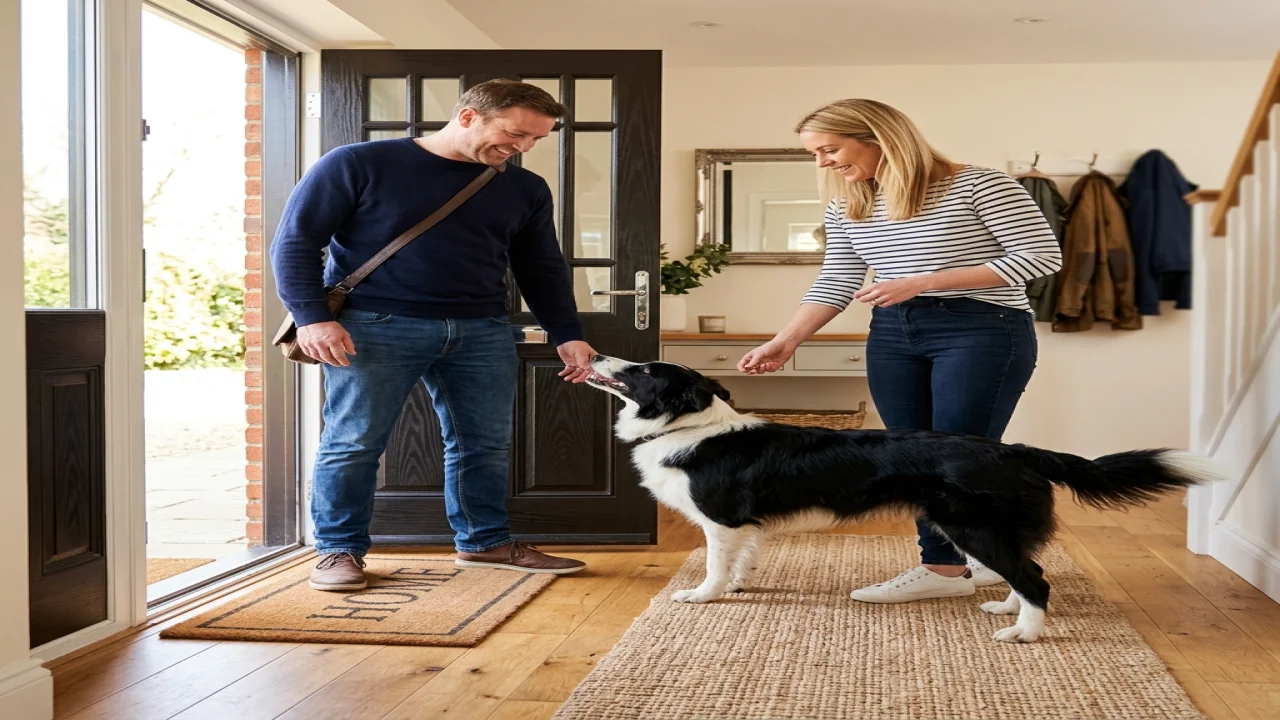
Why Dogs Jump on People and How to Manage It Humanely
When you arrive home, having your dog greet you with enthusiasm is a heartwarming experience. However, when that greeting involves a 60-pound dog launching themselves at your chest, scratching your arms, or knocking over visitors and young children, it becomes a serious behavioral issue. Understanding why dogs jump on people is the first step toward correcting the behavior. It is important to realize that dogs do not jump to dominate you, show status, or assert authority; they jump because it is a natural greeting behavior that has been reinforced over time.
In the canine world, face-to-face contact is a standard part of greeting and showing affiliation. Since humans are much taller, dogs jump up to get closer to our faces. When owners respond to this by patting, talking to, or even pushing the dog, the dog receives the attention they wanted, which reinforces the behavior. This guide will show you how to manage and modify this greeting behavior humanely using positive reinforcement and management strategies. To read more about greeting management, check out stop dog jumping on people.
Key Takeaways
- Greeting Instinct: Jumping is a natural greeting behavior intended to reach human faces for social contact.
- Attention is the Reward: Pushing away, talking to, or looking at a jumping dog all count as attention and reinforce the jump.
- Four Paws Rule: Only interact with your dog when all four paws are on the floor. Turn away and ignore them if they jump.
- Use Management Tools: Keep your dog on a leash or behind a baby gate when guests arrive to prevent them from practicing the jump.
- Teach an Alternative: Train your dog to perform a reliable alternative behavior, like sitting, to receive greetings.
Why Dogs Jump on People: Core Motivations
To change your dog's greeting habits, we must examine the specific reasons why dogs jump on people. The primary motivations include:
1. Face-to-Face Greeting Instinct
Jumping is a natural behavior that stems from wild canine greeting routines. When pack members reunite, they lick each other's muzzles to show respect and solicit food. Since humans are much taller, domestic dogs naturally jump up in an attempt to reach our faces to sniff and interact. When owners react to this by patting the dog, speaking to them, or pushing them, the dog receives the physical and social contact they wanted, which reinforces the behavior. This greeting instinct is social, not an attempt to dominate. To read more about managing greetings, see stop dog jumping on people.
Additionally, over-excitement and high arousal levels at the front door contribute to jumping. When guests arrive, the dog's adrenaline spikes. Lacking self-control, they channel this energy into jumping. Keeping your dog on a leash or behind a baby gate when guests arrive prevents them from practicing the jump, allowing them to calm down before interacting. This makes training much easier.
Teaching a reliable alternative behavior, such as sitting, is the key to polite greetings. A dog cannot sit and jump at the same time. By rewarding your dog only when they sit during greetings, you replace the jumping behavior with a polite alternative. To practice a solid sit command under distraction, refer to how to teach a dog to sit.
Consistency from all family members and visitors is crucial. If one person allows the dog to jump while another ignores it, the dog will continue to jump. Ensure everyone follows the "four paws on the floor" rule, ignoring the dog completely until they are quiet and have all four paws on the ground. Read how to train a dog for further training tips.
In wild canines and domestic puppies, greetings involve licking the muzzle of the mother or adult pack members to show submission and solicit food. Since humans stand upright, domestic dogs naturally jump up in an attempt to reach our faces to sniff, lick, and establish social contact. This is a natural greeting instinct, not a sign of dominance.
2. Seeking Attention
For many dogs, any attention is good attention. If you push a jumping dog away, grab their paws, or yell "Down!", you are giving them physical touch and verbal feedback. To a dog that has been waiting alone all day, this negative attention is highly rewarding, causing them to repeat the behavior during future greetings.
3. High Arousal and Over-Excitement
When the front door opens, or when a new guest arrives, a dog's physiological arousal level spikes. They experience a rush of adrenaline and excitement. Lacking self-control, they channel this hyperactive energy into jumping and pacing. To teach self-control, refer to our guide on how to teach a dog to sit.
4. Fear and Defensiveness
In some cases, a dog may jump at a person to warn them or force them to keep their distance. This is an active defense response and is usually accompanied by tense body posture, pulled-back ears, and alert vocalizations. It is important to distinguish this from excited greetings.
Common Triggers and Contributing Factors
High arousal levels at the entryway contribute heavily to jumping. When guests arrive, the sound of the doorbell or knock triggers a spike in the dog's adrenaline. Lacking self-control, they channel this energy into greeting visitors as high up as possible. Visual triggers like direct eye contact, open arms, or high-pitched voices from guests also act as invitations for the dog to jump. Managing the environment using baby gates or a leash prevents the dog from practicing this behavior. To read more about positive training, visit how to train a dog.
Accidental reinforcement from owners and visitors is another major factor. If anyone pushes the dog away, pats them, or even says "No" in an excited voice while the dog is jumping, the dog receives the physical and social contact they wanted, which reinforces the behavior. Establishing a strict "four paws on the floor" rule for everyone who interacts with the dog is crucial. Refer to preventive care for dogs for health support.
Jumping behavior is often triggered and maintained by these household habits:
- Inconsistent Rules: Allowing the dog to jump on family members when wearing casual clothes but scolding them when wearing work clothes. Dogs cannot make this distinction.
- Visitor Behavior: Guests who say "I don't mind!" and pet the dog while they are jumping. This undermines your training efforts.
- Lack of Management: Allowing an excited dog to run freely to the front door as soon as guests open it.
- Lack of Basic Training: Not practicing polite greetings and basic obedience in low-distraction settings first. Read how to train a dog for foundational training tips.
Dog Body-Language Signals to Observe
Observe your dog's posture during greetings. An excited, friendly dog will have a loose, curving body, a low or mid-level tail wagging loosely, and a soft, open mouth. A stressed or hyperactive dog will have stiff muscles, tense facial features, panting, and frantic movements. A fearful or defensive dog will have a low tail, pinned ears, and a tense, alert posture, indicating that their jump is a request for space, not a greeting.
What Owners Can Do Safely
To safely manage jumping, owners must prioritize prevention and redirection. Keep your dog behind a baby gate or on a leash when guests arrive, so they cannot jump on anyone. Ask guests to ignore the dog until they are calm. Teach your dog a reliable alternative behavior, such as sitting, before letting them greet anyone. A dog cannot sit and jump at the same time, making sitting a perfect alternative. To build a solid sit command under distraction, see how to teach a dog to sit.
If your dog jumps, immediately cross your arms, turn your back, and look at the ceiling. Do not speak to them, touch them, or look at them. Reward them only when all four of their paws are on the floor. To practice letting go of exciting items, refer to teach dog leave it drop it.
The safest way to handle a dog that jumps is to implement strict management protocols to prevent the behavior from occurring. Follow these practices:
- Leash Your Dog: Put your dog on a leash before opening the door to guests. Step on the leash to give just enough slack for the dog to stand and sit comfortably, but not enough to jump up.
- Use Baby Gates: Keep your dog behind a baby gate in a separate room when guests arrive. Only allow them to enter the living area when they have calmed down.
- Instruct Your Guests: Ask guests to completely ignore your dog (no eye contact, no speaking, no touching) until the dog is quiet and has all four paws on the floor.
- Avoid Punishment: Never use physical force like kneeing them, stepping on their feet, or pulling their collar. These can cause pain, injury, and fear-based aggression.
Step-by-Step Polite Greeting Training
To teach your dog that sitting is the only way to get attention, follow this training plan:
- Step 1: Establish the Rule: The first step is to establish a strict rule with all family members: only interact with the dog when all four of their paws are on the floor. When you enter a room, if your dog jumps, immediately cross your arms, turn your back, and look at the ceiling. Do not speak to them, touch them, or look at them. This deprives them of the attention they are seeking through jumping.
Ensure you remain calm and still. Moving your arms or yelling can be interpreted by the dog as play, which increases their excitement and encourages more jumping.
- Step 2: Wait for Calm: Wait for your dog to stop jumping and place all four paws on the floor.
- Step 3: Ask for a Sit: Once they are quiet on the floor, say "Sit" in a calm voice.
- Step 4: Reward the Sit: As soon as their rear hits the floor, bend down and pet them calmly. If they stand up to jump, instantly stand up and turn away again.
- Step 5: Generalize with Guests: Practice this leashed setup with friends. Have the friend enter the room. If the dog sits, the friend approaches and feeds them a treat. If the dog jumps, the friend immediately steps out of reach. Repeat until the dog automatically sits when a person approaches.
Common Mistakes to Avoid
Pushing the Dog Away: Using your hands to push the dog off you is a physical interaction that many dogs perceive as play, reinforcing the jump.
Talking and Yelling: Yelling "No! Off! Stop it!" provides vocal feedback, which serves as attention and keeps the dog's arousal levels high.Allowing Selective Jumping: Letting the dog jump on you when you are in comfortable clothes but expecting them to stay down when you are dressed up. Rules must be consistent for all people, at all times.
When a Veterinarian Should Be Consulted
>>>If your dog suddenly stops jumping, or if an older dog displays distress or stiffness after jumping on furniture, consult your veterinarian. Pain from conditions like osteoarthritis or hip dysplasia can make jumping painful. A sudden drop in activity or refusal to jump can be a primary indicator of joint discomfort. A veterinary orthopedic exam will help diagnose pain and provide relief. Refer to dog health emergency warning signs for monitoring pain symptoms.
If your dog's jumping is accompanied by sudden hyperactive episodes, extreme reactivity, or difficulty settling down after greetings, consult your veterinarian. High arousal and lack of impulse control can sometimes be linked to underlying medical conditions like thyroid imbalances, chronic pain that makes sitting uncomfortable, or sensory issues. Your vet can check their health and discuss calming protocols.
When a Qualified Behavior Professional Is Needed
If your dog's jumping is driven by reactivity, fear of visitors, or is accompanied by snapping, growling, or defensive body language, contact a certified force-free behavior consultant. Managing a reactive or fearful dog requires specialized desensitization training to ensure safety and prevent bite incidents.
This article provides general educational information and is not a substitute for individualized advice from a veterinarian or qualified behavior professional. Seek professional help if the behavior is sudden, severe, dangerous, or causing significant distress.
Sources and Further Reading
- American Veterinary Society of Animal Behavior (AVSAB)
- International Association of Animal Behavior Consultants (IAABC)
- ASPCA: Managing Jumping in Dogs
- RSPCA: Dog Training and Greetings
Conclusion
Teaching your dog not to jump is about establishing consistent rules and showing them that calm behavior is the key to getting the attention they crave. By managing entries, ignoring jumps, and rewarding sits, you will guide your dog toward polite greeting habits that keep everyone safe and comfortable.
Frequently Asked Questions about Dog Jumping
What's Your Reaction?
 Like
0
Like
0
 Dislike
0
Dislike
0
 Love
0
Love
0
 Funny
0
Funny
0
 Wow
0
Wow
0
 Sad
0
Sad
0
 Angry
0
Angry
0



Comments (0)