
Puppy Grooming Guide: Bathing, Brushing, Nails and Ear Care
Learn how to groom a puppy with simple tips for bathing, brushing, nail trimming, ear care, coat care, and making grooming less stressful.

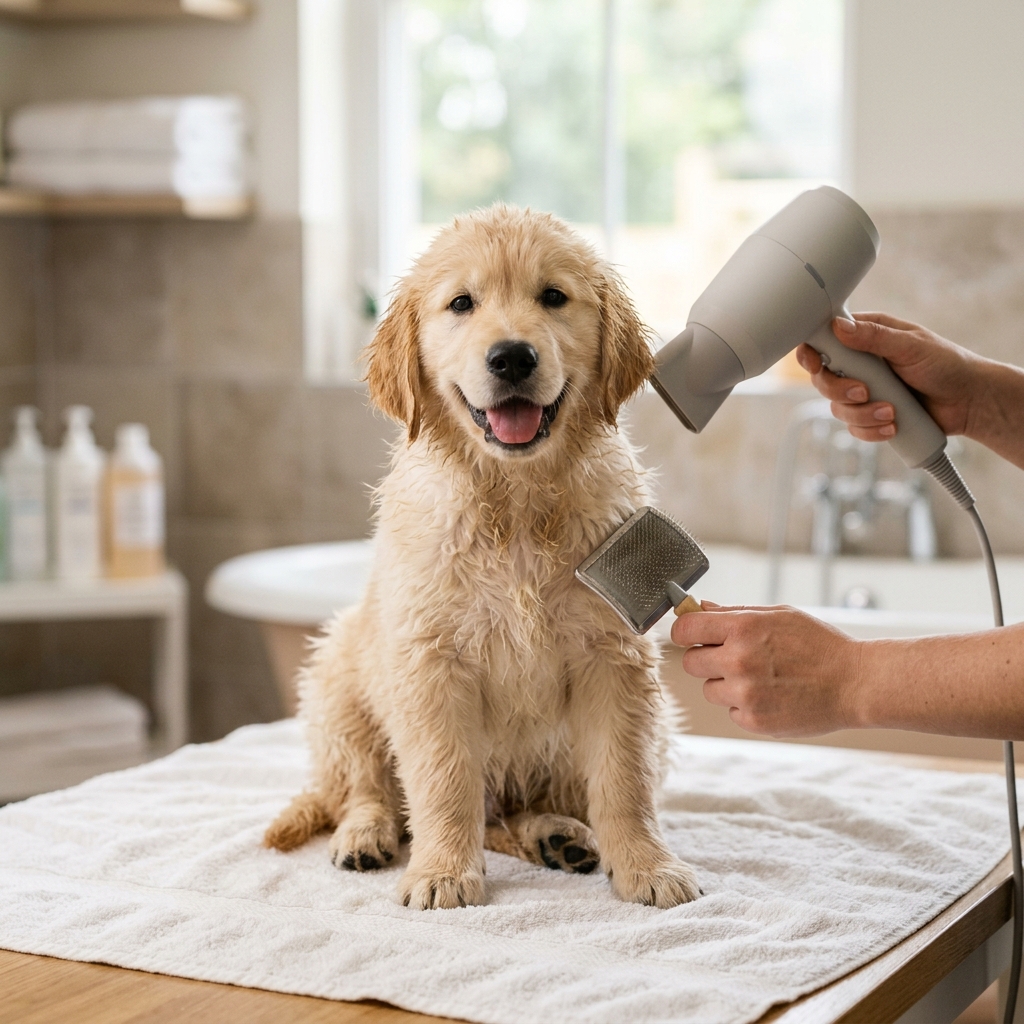
Grooming is more than just keeping your puppy looking cute — it is an essential part of their health care. Regular grooming helps you spot potential problems early, keeps your puppy's skin and coat healthy, prevents painful matting and nail overgrowth, and builds your puppy's tolerance for the handling they will experience throughout their life at veterinary clinics, grooming salons, and at home.
Many new puppy owners feel intimidated by grooming, but it does not need to be complicated or stressful. Starting early and keeping sessions short, positive, and reward-filled turns grooming into a bonding experience that both you and your puppy can enjoy.
Quick Overview: Puppy Grooming at a Glance
- Brushing — Several times per week, daily for long-coated breeds
- Bathing — Once a month or when needed, using puppy-specific shampoo
- Nail trimming — Every two to three weeks, or when nails click on the floor
- Ear care — Weekly checks, clean as needed
- Dental care — Brush several times per week with dog-specific toothpaste
- Start early — Introduce all grooming activities gently during puppyhood
Why Grooming Matters for Puppies
Grooming serves multiple purposes beyond hygiene. During grooming sessions, you have the opportunity to inspect your puppy's body for lumps, bumps, parasites, skin irritation, ear infections, dental problems, and other health concerns that might otherwise go unnoticed. Early detection means earlier treatment, which often means better outcomes and lower veterinary costs.
Grooming also teaches your puppy to accept handling — a skill that pays dividends for life. A puppy that is comfortable having their paws touched, their ears examined, and their body brushed grows into a dog that cooperates during veterinary exams, behaves at the groomer, and tolerates necessary care without fear or resistance.
Brushing Your Puppy
Choosing the Right Brush
The right brush depends on your puppy's coat type. Short-coated breeds like Beagles and Boxers do well with a bristle brush or rubber grooming mitt. Medium-coated breeds like Golden Retrievers benefit from a slicker brush and an undercoat rake during shedding season. Long-coated breeds like Yorkshire Terriers and Shih Tzus need a pin brush and a metal comb to prevent tangles and matting.
How to Brush
Start with short sessions of just a few gentle strokes and gradually increase the duration as your puppy becomes comfortable. Brush in the direction of hair growth, working from the head toward the tail. Pay special attention to areas that tend to mat — behind the ears, under the legs, around the collar area, and near the tail. If you encounter a tangle, hold the base of the hair near the skin and gently work the tangle out with a comb rather than pulling through it.
Always pair brushing with treats and calm praise. If your puppy starts to struggle, stop before they become stressed, give a treat, and try again later. The goal is to keep grooming a positive experience so your puppy looks forward to it rather than dreading it.
Bathing Your Puppy
When to Start
Most puppies can have their first bath around eight weeks old. If your puppy is younger or very small, you can use puppy wipes for spot cleaning until they are ready for a full bath. Keep the first few baths very gentle and brief to create positive associations with water.
Step-by-Step Bath Guide
- Gather everything you need before putting your puppy in the tub — puppy shampoo, towels, a cup or gentle sprayer for rinsing, treats, and a non-slip mat
- Use lukewarm water — not hot, not cold. Test it with your wrist
- Wet your puppy's body thoroughly, avoiding the face and ears
- Apply a small amount of puppy-specific shampoo and lather gently
- Rinse thoroughly — leftover shampoo residue can cause itching and skin irritation
- Use a damp washcloth to gently clean the face
- Towel dry thoroughly, using a blow dryer on the lowest, coolest setting only if your puppy tolerates it
- Reward with treats and praise throughout
Never use human shampoo, dish soap, or household cleaners on your puppy. These products have the wrong pH balance for a dog's skin and can cause dryness, irritation, and allergic reactions.
Nail Trimming
Why It Matters
Overgrown nails can cause discomfort, alter your puppy's gait, lead to joint problems, and even curl into the paw pad causing pain and infection. Regular trimming keeps nails at a healthy length and prevents these issues.
How to Trim Safely
Use puppy-sized nail clippers or a nail grinder designed for small dogs. Hold your puppy's paw gently but firmly. Trim a small amount at a time — just the tip of the nail. For light-colored nails, you can see the pink quick inside the nail — cut just below where the pink begins. For dark nails, trim in very small increments and stop when you see a chalky white or grayish circle in the center of the cut surface.
If you accidentally cut the quick, it will bleed and your puppy will yelp. Apply styptic powder or cornstarch to stop the bleeding, and offer comfort and a treat. A single quick incident does not mean failure — it happens to everyone, even professional groomers. Stay calm, and your puppy will recover quickly.
Building Nail Trim Tolerance
Start by simply touching and holding your puppy's paws daily. Then progress to touching the clippers to the nails without cutting. Then clip one nail and reward. Over time, your puppy will learn that nail trims are quick, painless, and followed by good things.
Ear Care
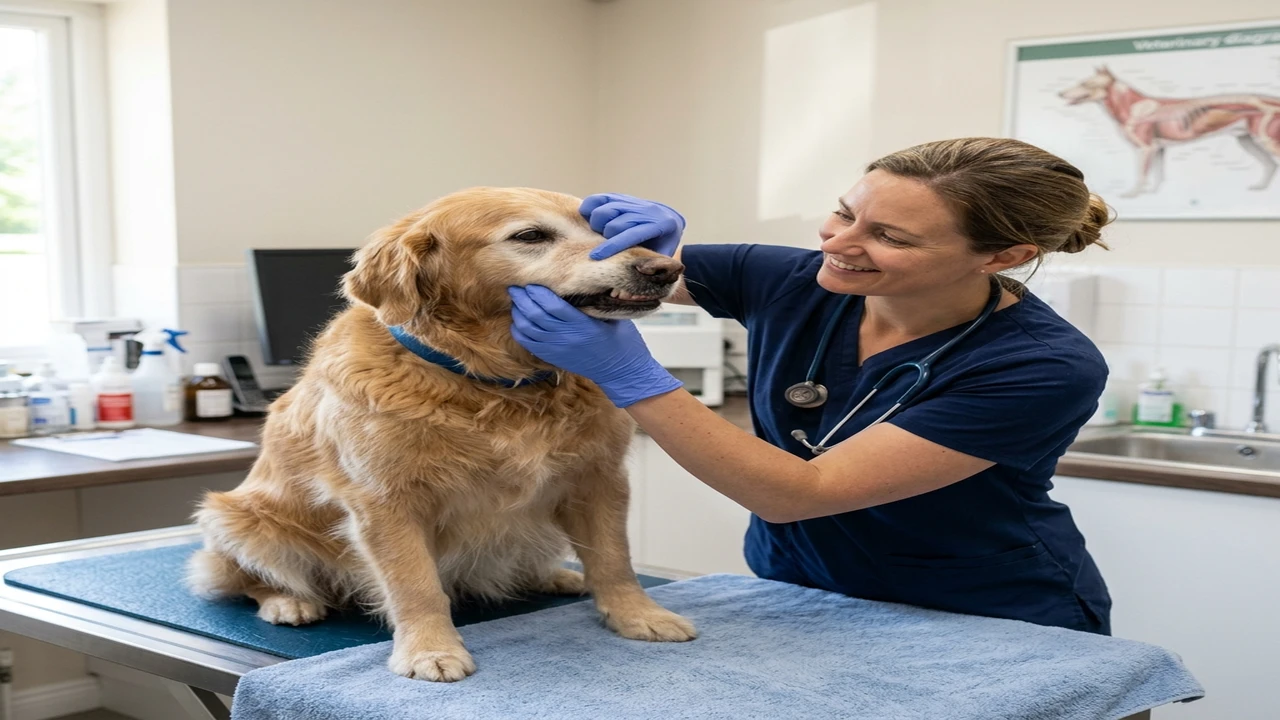
Check your puppy's ears weekly for redness, swelling, odor, discharge, or excessive wax. Healthy ears are pink, clean, and odor-free inside. Breeds with floppy ears — like Cocker Spaniels, Basset Hounds, and Labrador Retrievers — are more prone to ear infections because the ear flap traps moisture and limits air circulation.
To clean your puppy's ears, apply a small amount of veterinarian-approved ear cleaning solution to a cotton ball and gently wipe the visible parts of the inner ear. Never insert cotton swabs or any object into the ear canal — this can cause injury. If your puppy's ears smell bad, appear red or swollen, or produce unusual discharge, contact your veterinarian.
Dental Care
Dental disease is one of the most common health problems in adult dogs, and prevention starts in puppyhood. Introduce dental care early by letting your puppy taste dog-specific toothpaste — which comes in flavors like poultry and beef. Then gently rub the toothpaste on their gums with your finger. Progress to a finger brush, and eventually a small, soft-bristled puppy toothbrush.
Aim to brush your puppy's teeth several times a week, working toward daily brushing as a long-term goal. Dental chews and toys designed for oral health can supplement brushing but should not replace it. Regular veterinary dental check-ups are also important for catching problems early.
Common Mistakes to Avoid
Waiting too long to start grooming. The longer you wait, the harder it becomes. Puppies that are not introduced to grooming early often develop fear and resistance that makes grooming stressful for everyone.
Making grooming sessions too long. Keep early sessions short — two to three minutes is plenty for a young puppy. Gradually extend the time as your puppy builds comfort and tolerance.
Skipping rewards. Treats and praise are essential for building positive grooming associations. Without them, your puppy learns that grooming is something to endure rather than enjoy.
Bathing too often. Excessive bathing strips natural oils and causes dry, itchy skin. Once a month is sufficient for most breeds unless your puppy gets into something messy.
Neglecting nails. If you can hear your puppy's nails clicking on hard floors, they are too long. Regular trims prevent pain and posture problems.
When to Call a Vet
Contact your veterinarian if you notice any of the following during grooming: skin lumps, bumps, or sores that were not there before; signs of ear infection including redness, swelling, odor, or discharge; excessive scratching, licking, or biting at the skin; bald patches, flaking, or unusual skin color changes; broken or cracked nails; swollen or bleeding gums; or any signs of parasites such as fleas or ticks. Regular grooming sessions are your first line of defense for catching health issues early — your hands and eyes are powerful diagnostic tools when you know what to look for.
Final Thoughts
Grooming your puppy is an act of love that goes far beyond appearance. It is about keeping your puppy healthy, comfortable, and confident. By starting early, keeping sessions positive, and building gradually, you create a grooming routine that your puppy accepts — and may even enjoy.
The skills you teach your puppy now — tolerance for handling, comfort with tools, and trust during close contact — will serve them throughout their entire life. Whether it is a quick brush at home, a nail trim in the kitchen, or a professional grooming appointment, a puppy that has been gently and positively introduced to grooming will handle it all with calm confidence.
Frequently Asked Questions
What's Your Reaction?
 Like
0
Like
0
 Dislike
0
Dislike
0
 Love
0
Love
0
 Funny
0
Funny
0
 Wow
0
Wow
0
 Sad
0
Sad
0
 Angry
0
Angry
0


Comments (0)