
Exercise and Mental Enrichment for Senior Dogs
Discover the best ways to keep your senior dog physically active and mentally sharp. Learn about low-impact physical exercise, sniffing walks, and cognitive puzzles.

Exercise and Mental Enrichment for Senior Dogs
Physical activity and mental stimulation are essential components of caring for a senior dog. As dogs age, their bodies naturally slow down, but their need for movement and brain engagement does not disappear. Regular, low-impact exercise helps maintain joint flexibility, prevents muscle wasting, and manages weight, which is critical for arthritic joints. Simultaneously, mental enrichment keeps their minds sharp, reduces anxiety, and helps slow the progression of cognitive decline.
When designing an exercise routine for an older dog, the golden rule is individualization. There is no one-size-fits-all approach; a routine that keeps a senior terrier happy could be dangerous for a senior mastiff. You must tailor activities to your dog's current mobility, cardiovascular health, and stamina, and learn to recognize when they are telling you they have had enough. For basic positive training techniques, see how to train a dog.
Safe Physical Exercise Alternatives
High-impact activities like catching frisbees, chasing tennis balls, or jogging on hard pavement should be replaced with gentle, low-impact alternatives that preserve joint cartilage and prevent injury.
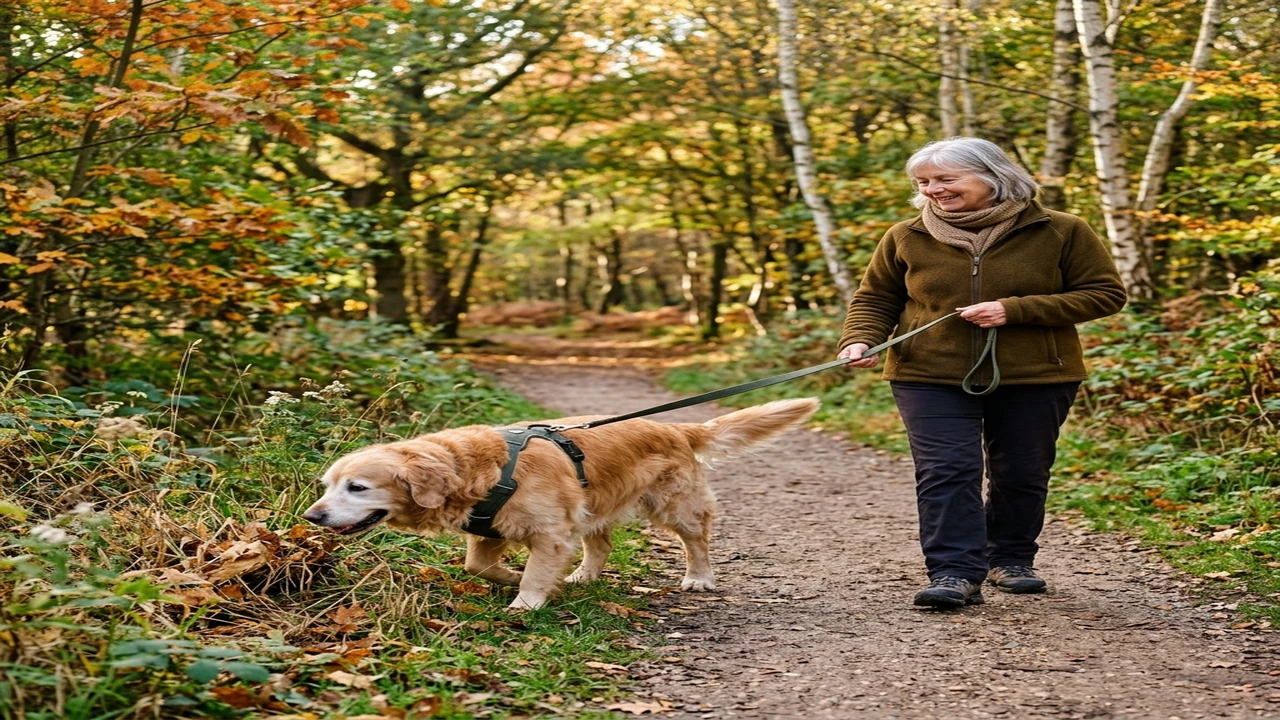
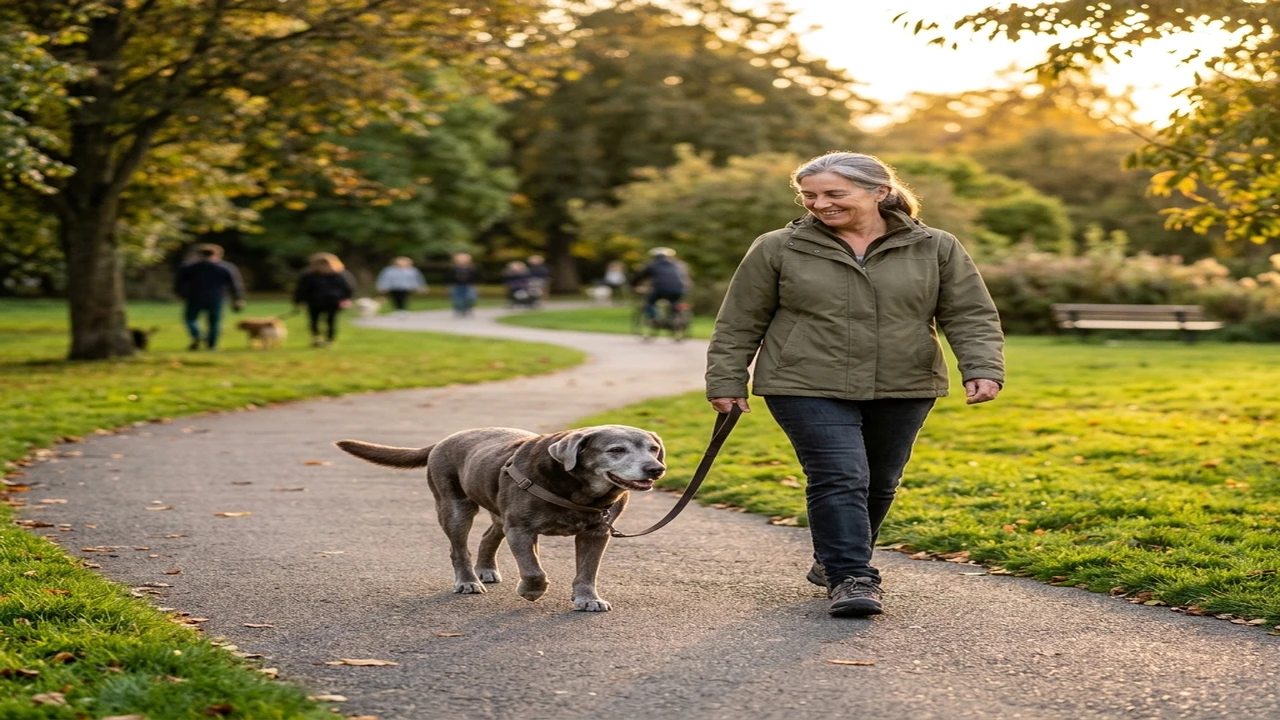
- Shorter, More Frequent Walks: Instead of one long, grueling walk that leaves your dog stiff for days, break their daily outdoor time into two or three shorter walks of 10 to 15 minutes each. Always let your dog set the pace.
- Sniffing Walks (Sniffari): Allow your dog to stop, explore, and sniff to their heart's content. Sniffing is a natural canine behavior that stimulates the brain, lowers cortisol (stress) levels, and burns significant mental energy, making it as tiring as a long physical walk.
- Hydrotherapy and Swimming: Water provides buoyancy, which supports your dog's body weight and eliminates high-impact stress on their joints. Swimming under supervision, or using an underwater veterinary treadmill, builds muscle strength and improves joint mobility.
Mental Enrichment for Cognitive Sharpness
Providing mental exercises is just as important as physical walks for a senior dog's overall well-being. Keeping their brain active helps build new neural pathways and combats boredom and anxiety.
- Interactive Food Puzzles: Use puzzle boards, snuffle mats, or stuffable rubber toys to make your dog work for their meals. Licking and foraging are self-soothing behaviors that help reduce anxiety and encourage problem-solving.
- Scent Games at Home: Hide small, smelly treats around the room and encourage your dog to "find it." This simple game can be played by dogs with limited mobility, allowing them to engage their noses and minds without moving far.
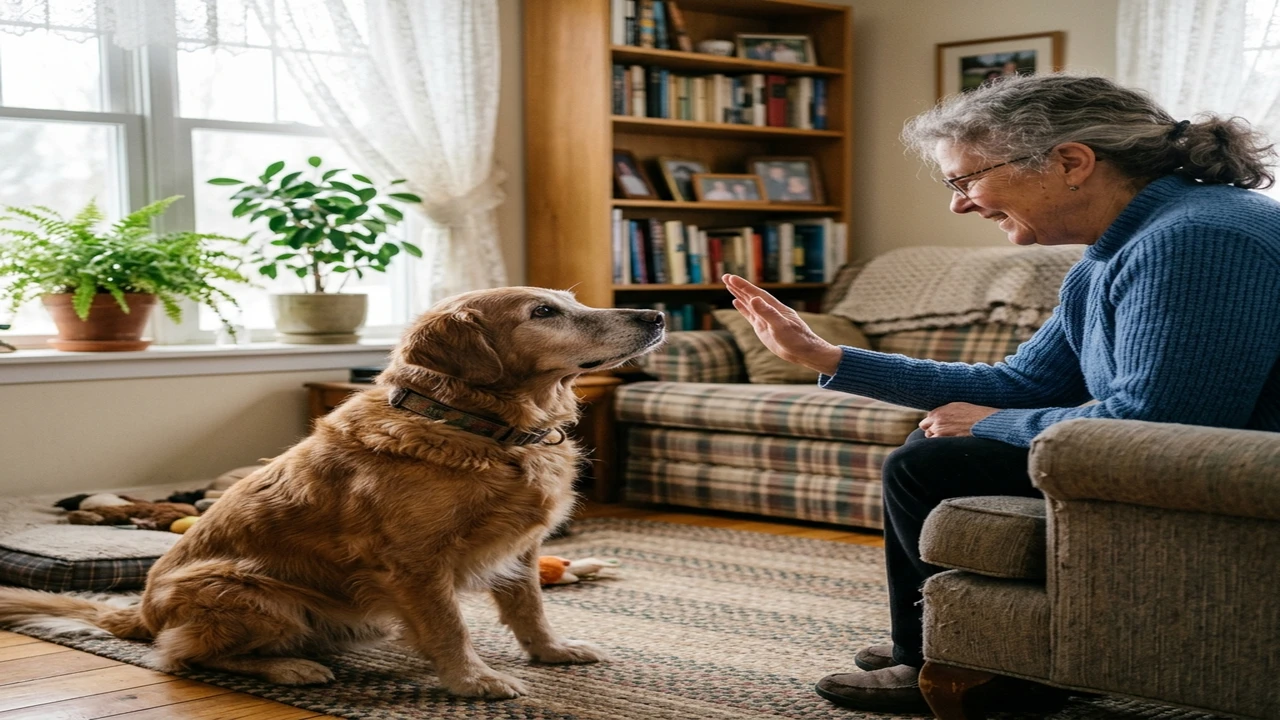
- Gentle Training Sessions: Keep teaching your senior dog new commands or reinforcing old ones. Keep training sessions very short (2 to 5 minutes) and focus on low-impact behaviors, like touching your hand or targeting an object.
Monitoring for Exercise Intolerance
It is crucial to monitor your dog closely during and after exercise to ensure the activity is beneficial and not causing pain or injury.
- Warning Signs During Exercise: Excessive panting, lagging behind, refusal to walk further, sitting or lying down on the trail, or limping. If you observe any of these, stop, rest, and head home.
- Post-Exercise Recovery: A healthy exercise routine should leave your dog relaxed, not exhausted or stiff. If your dog takes more than 30 minutes to recover, or shows stiffness, limping, or reluctance to move the next day, the workout was too intense.
| Activity Type | Safe Options | Activities to Avoid | Key Benefit |
|---|---|---|---|
| Physical Exercise | Multiple 10-minute sniffing walks, controlled swimming, hydrotherapy | Long runs, chasing balls, jumping over obstacles | Maintains muscle mass and joint mobility; manages weight |
| Mental Enrichment | Snuffle mats, frozen food puzzles, simple hide-and-seek scent games | Complex puzzles that cause frustration; high-distraction environments | Slows cognitive decline; reduces anxiety and boredom |
The Physiology of Exercise Tolerance in Geriatric Canines
Exercise tolerance in senior dogs is determined by physiological changes in the cardiovascular, respiratory, and musculoskeletal systems. As dogs age, cardiac output decreases due to changes in heart muscle elasticity and vascular compliance. The respiratory system also experiences a decline in vital capacity, meaning less oxygen is delivered to the blood during exertion. Muscularly, sarcopenia reduces overall strength, while osteoarthritic changes in the joints increase the friction and energy required for movement. These factors combine to lower the dog's aerobic capacity, meaning they tire more quickly and take longer to recover after physical activity.
Veterinarians emphasize that monitoring exercise tolerance is a key indicator of systemic health. A sudden decline in exercise tolerance is not just "normal aging" but can indicate conditions like congestive heart failure, laryngeal paralysis, anemia, or systemic pain. Structured, low-impact exercise stimulates blood flow, promotes the circulation of synovial fluid (which lubricates joints), and helps maintain lean muscle mass. Maintaining a lean body condition reduces the mechanical workload on the heart and arthritic joints, preserving mobility and overall function.
Structured Cognitive Enhancement and Neuroplasticity Support
Mental exercise is essential for supporting neuroplasticity—the brain's ability to reorganize itself by forming new neural connections throughout life.
- Scent-Work Games: Hide high-value treats inside cardboard boxes or around the living room. Forcing your dog to search stimulates the olfactory cortex, which connects directly to the brain's emotional and cognitive centers, burning mental energy and promoting relaxation.
- Modified Food Puzzlers: Use interactive toys with sliding compartments or spinning parts. Freezing canned food or purees inside rubber toys extends the licking and working time, providing a self-soothing activity that stimulates neurotransmitter release.
- Gentle Training Routines: Practice simple obedience commands or teach new, low-impact tricks (like touching a target or resting their chin in your hand). Use soft, highly aromatic treats and keep sessions under 3 minutes to maintain focus without physical fatigue.
Physical Rehabilitation Techniques and Passive Range of Motion
Physical rehabilitation plays a vital role in maintaining joint health and mobility in senior dogs. Passive Range of Motion (PROM) exercises involve gently moving your dog's limbs through their natural range of motion while they are lying down comfortably. PROM exercises help stimulate the production of synovial fluid (which lubricates joints), stretch muscles and tendons, and maintain joint flexibility. Always consult your veterinarian or a certified veterinary rehabilitation therapist to learn correct PROM techniques, as improper movements can cause pain or joint injury.
Other beneficial physical rehabilitation techniques include therapeutic massage to release muscle tension, heat therapy to warm up stiff joints before exercise, and balance exercises using low stability discs or foam cushions. These targeted activities help strengthen core muscles and improve balance, protecting your senior dog from painful slips and falls. Combining rehabilitation techniques with low-impact physical exercise supports joint longevity and keeps your senior companion moving comfortably.
Designing a Structured Daily Enrichment Schedule
A structured daily enrichment schedule helps keep your senior dog mentally active and prevents boredom, anxiety, and cognitive decline.
- Morning Activity: Start the day with a brief, low-impact sniffing walk, allowing your dog to explore scent marks at their own pace. Follow the walk with a stuffed rubber toy filled with frozen wet food for breakfast.
- Midday Stimulation: Set up a simple scent game by hiding treats around the room, or practice a brief, 2-minute training session focusing on low-impact behaviors. Use soft, easy-to-chew treats to keep them motivated.
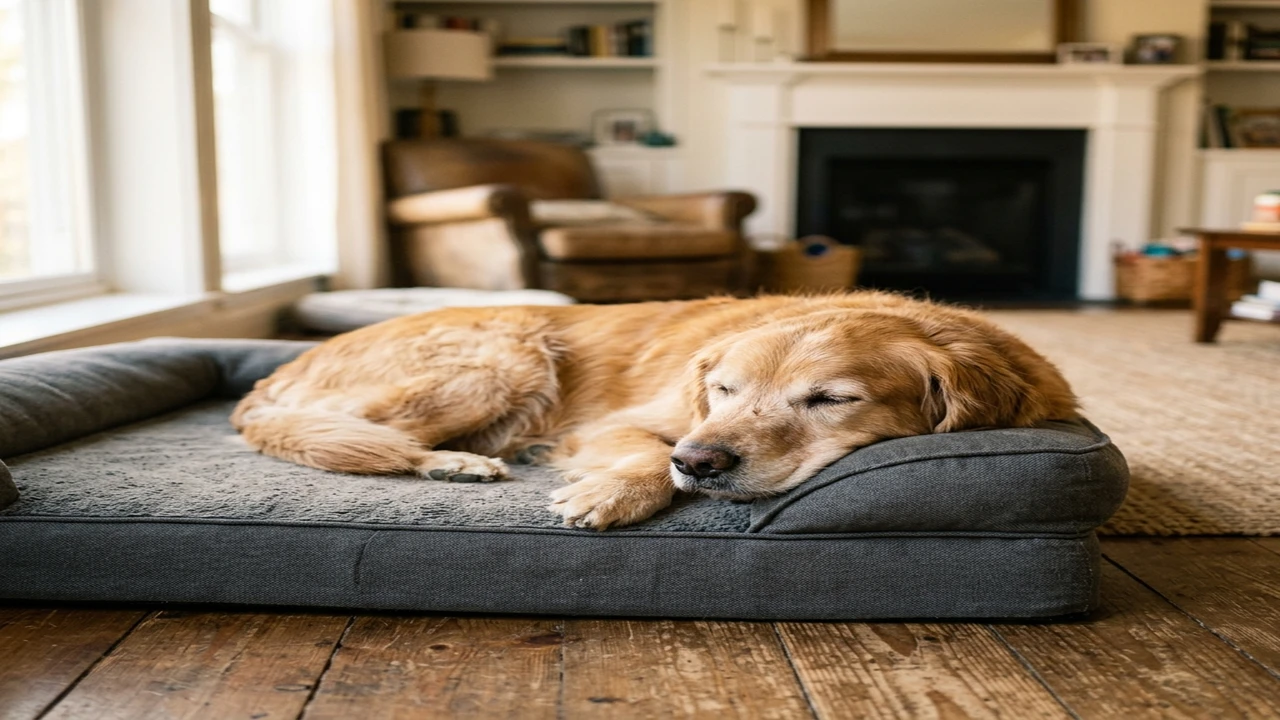
- Evening Relaxation: End the day with a gentle brushing session or therapeutic massage to soothe muscles. Place their orthopedic bed in a quiet, warm area near the family, ensuring they feel secure and can rest comfortably.
Individualized Exercise Prescription and Enrichment Planner
To keep your senior dog physically active and mentally sharp, use this structured daily enrichment and exercise planner:
- Low-Impact Exercise: Replace long, exhausting runs with multiple shorter walks of 10 to 15 minutes. Let your dog set the pace and stop to sniff. Sniffing walks provide excellent mental enrichment without physical strain.
- Physical Therapy at Home: Practice passive range-of-motion (PROM) exercises under veterinary guidance to maintain joint flexibility. Use gentle massage to relieve muscle tightness in the neck and shoulders.
- Cognitive Enrichment: Incorporate interactive food toys, frozen puzzles, and scent-work games into their daily routine. Freezing their meals inside rubber toys extends foraging time and reduces anxiety.
- Rest and Recovery: Ensure your dog has quiet, comfortable resting areas. Monitor their recovery after activity; if they remain stiff or tired for more than 30 minutes, shorten the duration of their next walk.
Structured Activity Monitoring and Veterinary Coordination
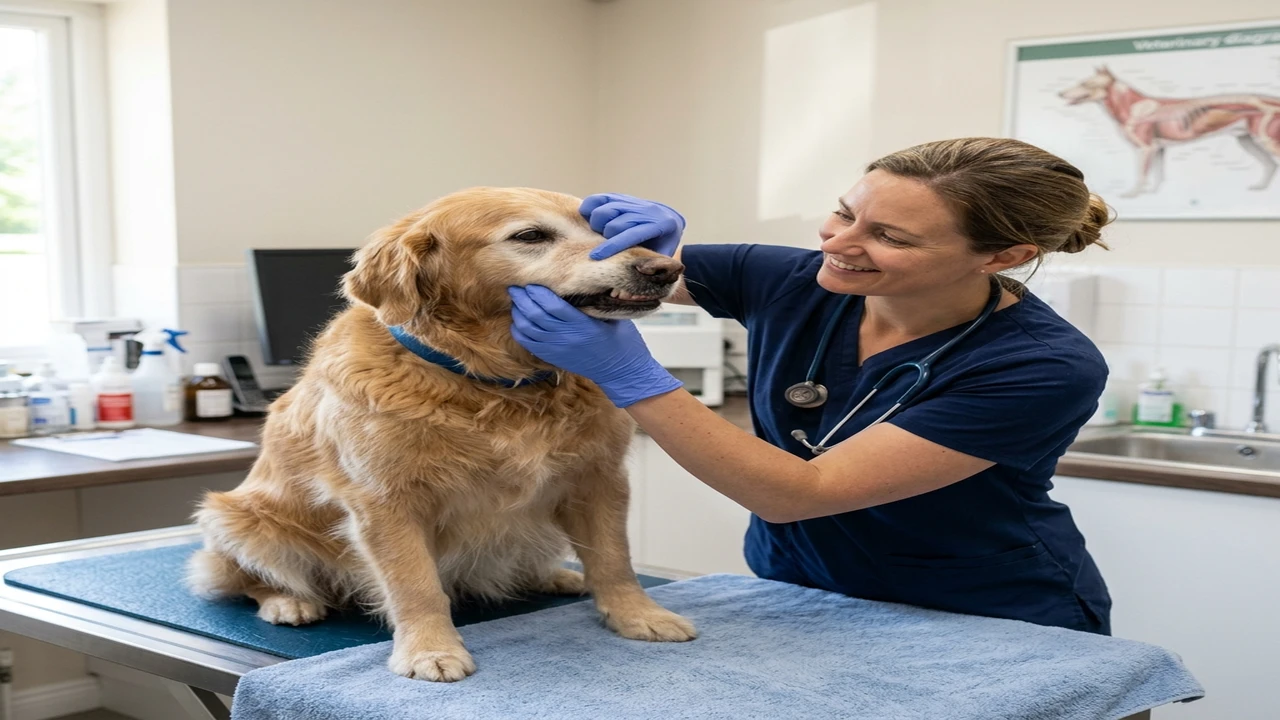
Designing a safe activity routine for a senior dog requires structured monitoring and regular coordination with your veterinarian. Track your dog's daily stamina, walking duration, and post-exercise recovery times in a wellness journal. Share this log with your veterinarian during senior checkups, allowing them to evaluate for signs of exercise intolerance, cardiovascular changes, or joint pain adjustments.
Your vet can help customize their activity plan based on diagnostic screenings, such as cardiac auscultation or joint radiographs. If your dog is diagnosed with conditions like congestive heart failure or severe arthritis, your vet can recommend precise activity limits and prescribe appropriate pain management or joint supplements, ensuring exercise remains a safe, beneficial component of their daily life.
Behavioral Benefits of Daily Brain Games and Enrichment
Engaging your senior dog in daily brain games and enrichment activities offers significant behavioral benefits. Mental stimulation helps burn excess mental energy, reduces anxiety, and prevents problem behaviors driven by boredom or frustration. Licking, sniffing, and foraging are natural canine behaviors that promote the release of calming neurotransmitters, helping reduce stress and encourage relaxation.
Implement a structured enrichment schedule that fits your dog's physical stamina. Use frozen food puzzles to extend foraging time, set up simple scent games, and practice brief, reward-based training sessions. Keeping their brain active through these fun, low-impact activities supports cognitive function and ensures your senior dog remains happy, relaxed, and mentally sharp during their golden years.
Monitoring Vital Health Trends and Veterinary Clinic Communication
Tracking vital health trends, such as weekly body weight, resting respiration rate, and daily water consumption, is critical for senior dogs. A sudden change in weight or hydration levels can be the first indicator of subclinical metabolic changes, indicating it is time to coordinate with your vet clinic. Maintain a clear, chronological record of these markers to share during checkups, allowing for proactive, individualized care adjustments.
Daily Activity Planners and Rehabilitation Exercises
Structured daily planning is essential for balancing exercise and rest in senior dogs. A certified veterinary rehabilitation specialist can design a customized program that includes passive range of motion (PROM) stretching to maintain joint flexibility, combined with balance exercises using foam stability pads. These brief sessions (5 to 10 minutes) stimulate muscle fibers, improve proprioception, and help prevent the muscle wasting and weakness associated with aging.
\nIntegrating these daily enrichment activities and low-impact exercises into your senior dog's routine promotes mental clarity, supports physical coordination, and strengthens their overall well-being, keeping them happy and active.
[!IMPORTANT]Medical Disclaimer: This article provides general educational information and does not replace an examination, diagnosis or treatment plan from a licensed veterinarian. Contact your veterinarian about new or worsening changes in your senior dog.
Sources and Further Reading
- American Animal Hospital Association (AAHA) - Cognitive and Physical Activity for Senior Canines.
- Veterinary Clinics of North America: Small Animal Practice - Physical Rehabilitation for Geriatric Patients.
- Journal of Veterinary Behavior - Environmental Enrichment and Cognitive Function in Aging Dogs.
- World Small Animal Veterinary Association (WSAVA) - Guidelines for Senior Dog Care.
Senior Dog Exercise FAQ
What's Your Reaction?
 Like
0
Like
0
 Dislike
0
Dislike
0
 Love
0
Love
0
 Funny
0
Funny
0
 Wow
0
Wow
0
 Sad
0
Sad
0
 Angry
0
Angry
0



Comments (0)