
Puppy Socialization Guide: How to Raise a Confident Dog
A practical guide to puppy socialization, including safe exposure, people, sounds, places, other dogs, and confidence-building routines.

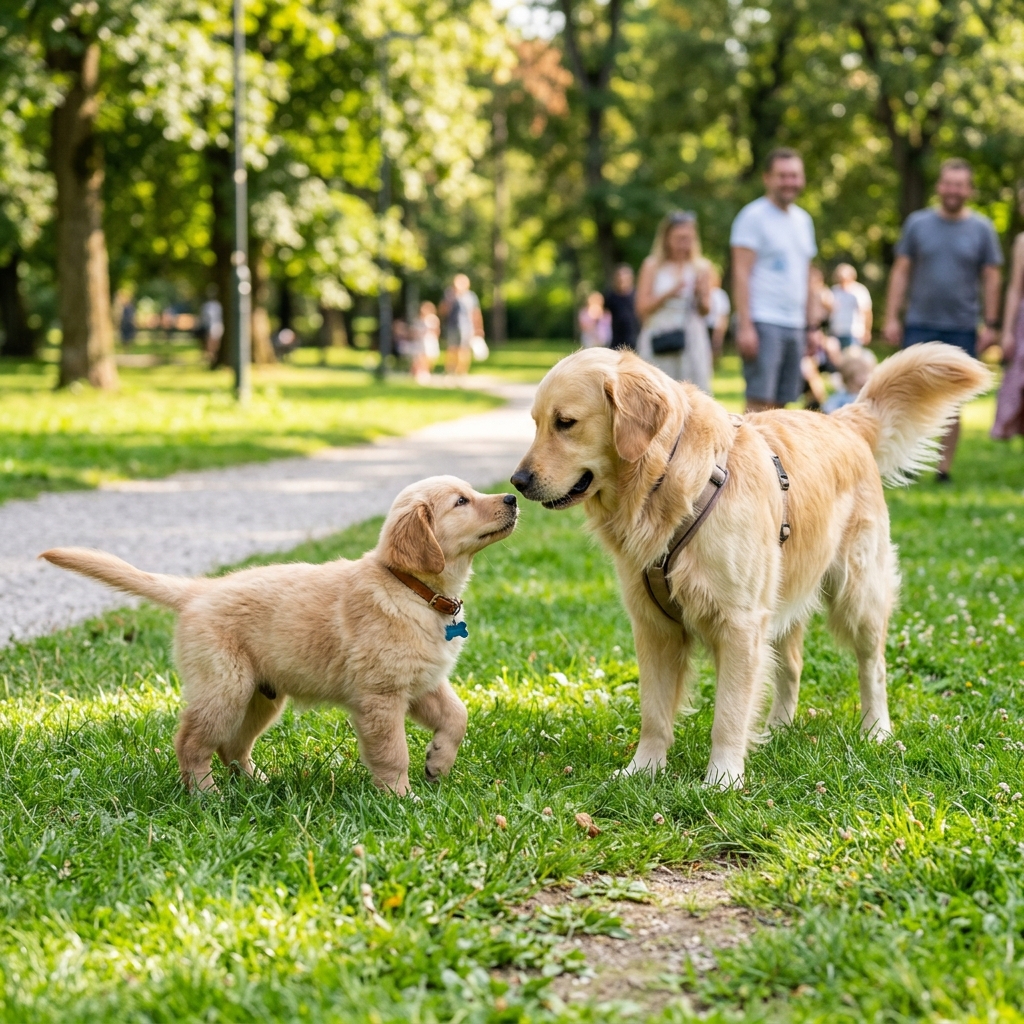
Socialization is one of the most important gifts you can give your puppy. A well-socialized puppy grows into a confident, relaxed, and well-adjusted adult dog who handles new situations with curiosity rather than fear. A poorly socialized puppy, unfortunately, is more likely to develop anxiety, fear, and reactivity — behaviors that can affect their quality of life and yours for years to come.
The good news is that socialization is not complicated. It simply means exposing your puppy to a wide variety of positive experiences during a critical developmental window. This guide explains what socialization is, why it matters, when to do it, and how to do it safely and effectively.
Quick Overview: Puppy Socialization at a Glance
- Critical window — Three to fourteen weeks of age
- Goal — Positive exposure to people, animals, sounds, surfaces, and environments
- Key principle — Quality over quantity, positive experiences only
- Safety — Avoid unvaccinated dogs and high-risk areas until vaccines are complete
- Ongoing — Continue socialization throughout your dog's life
Why Puppy Socialization Matters
Between three and fourteen weeks of age, your puppy's brain is uniquely wired to accept new experiences. During this critical period, puppies are naturally curious and less fearful of novelty. Positive experiences during this window shape how your puppy perceives the world for the rest of their life.
A puppy that meets friendly strangers, hears different sounds, walks on various surfaces, and visits different environments during this period is far more likely to grow into a calm, confident dog. Conversely, a puppy that is kept isolated during this time may develop fear of unfamiliar people, dogs, sounds, or situations — and once the window closes, changing these responses becomes much harder.
It is important to understand that socialization does not mean overwhelming your puppy with as many experiences as possible. It means providing carefully controlled, positive exposures that build confidence without causing fear or stress.
Step-by-Step Socialization Tips
Step 1: Start with People
Your puppy should meet a wide variety of people during the socialization period. This includes men and women of different ages, children of various ages with gentle supervision, people wearing hats, sunglasses, uniforms, or carrying umbrellas, people with beards, different hairstyles, and different body types, and people using wheelchairs, walkers, or crutches.
Always make these encounters positive. Have visitors offer your puppy a treat and let the puppy approach at their own pace. Never force your puppy to interact with someone they seem hesitant about. A calm, voluntary approach builds confidence — a forced interaction builds fear.
Step 2: Introduce Other Animals
Arrange playdates with friendly, fully vaccinated dogs that you know are gentle and well-mannered. Puppy socialization classes led by qualified trainers are an excellent option — they provide structured interaction in a safe environment where all participants are health-screened.
If possible, also expose your puppy to other animals from a safe distance — cats, birds, horses, livestock. The goal is not for your puppy to interact with every animal, but to observe them calmly without becoming overly excited or fearful.
Step 3: Explore Different Environments
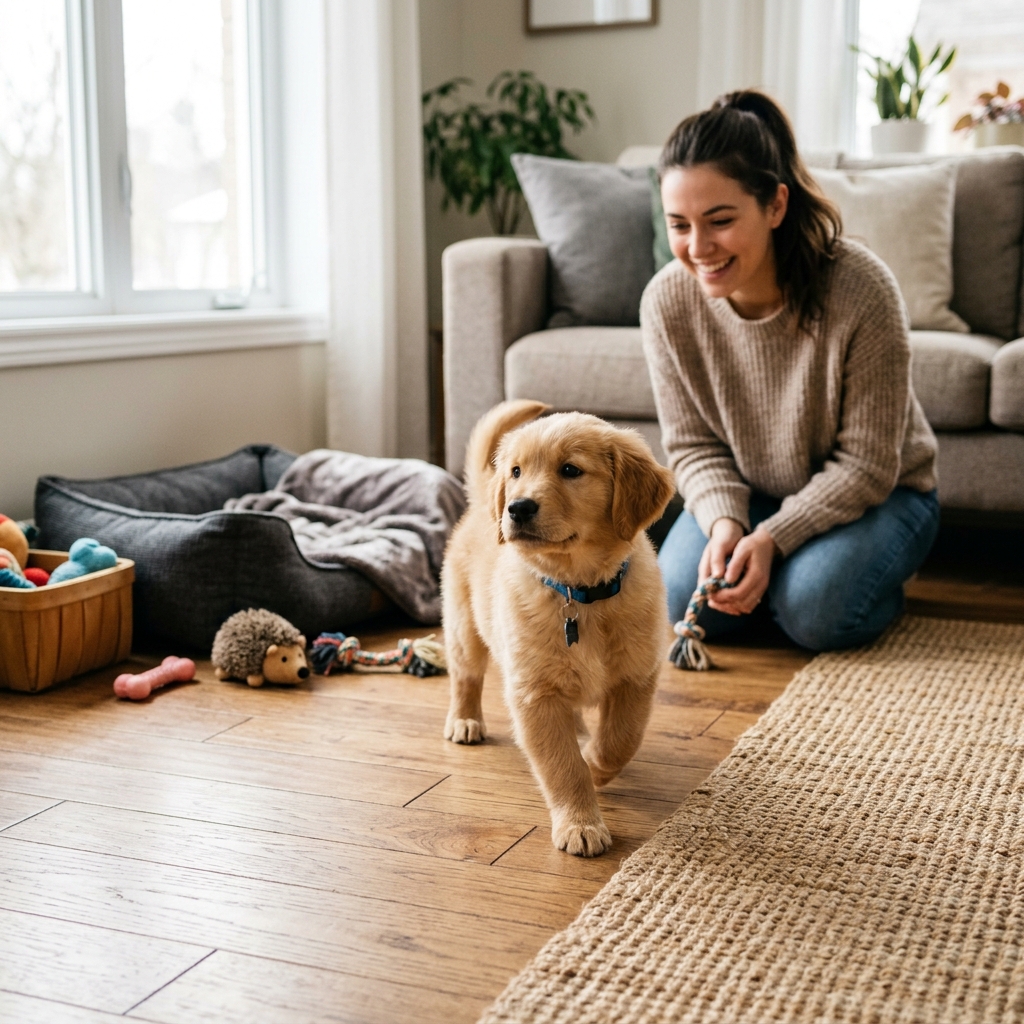
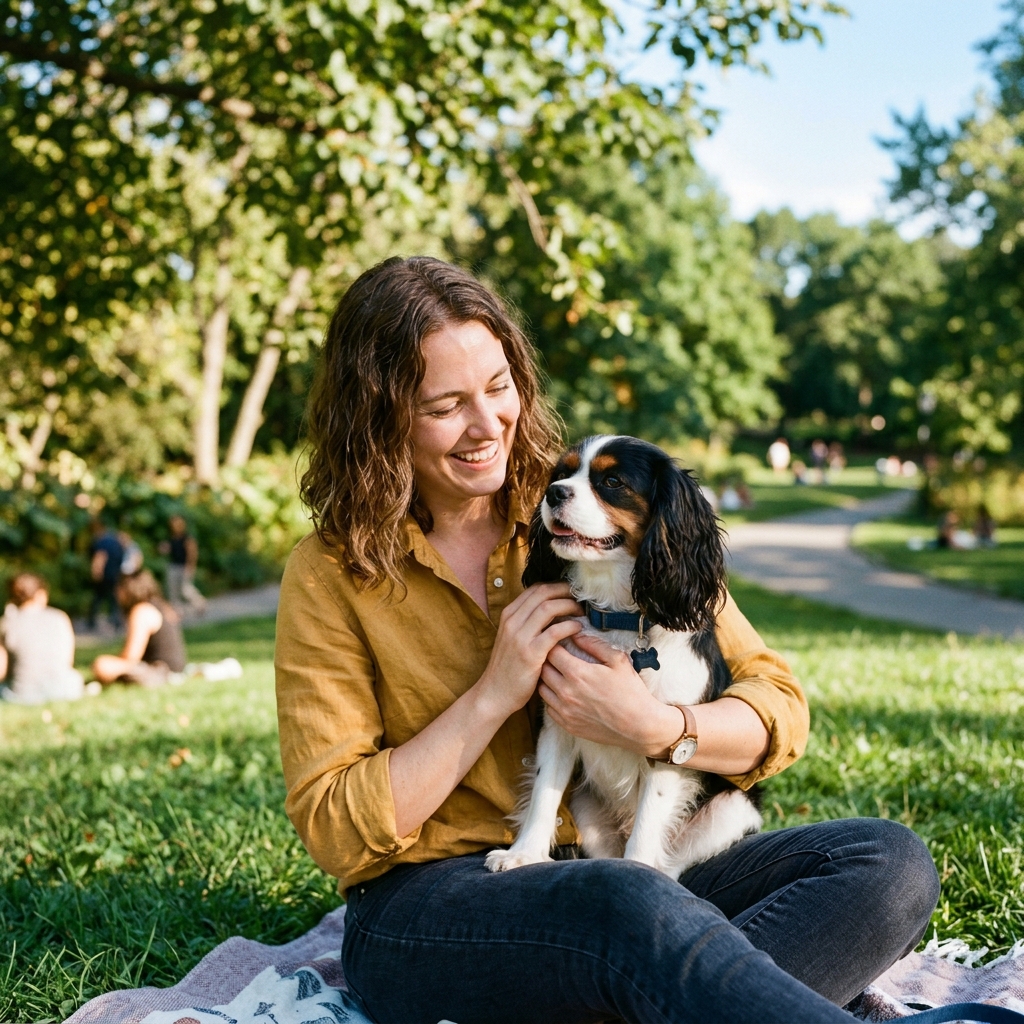
Take your puppy to different places — always safely and in your arms if they are not fully vaccinated. Experiences to seek out include quiet neighborhood streets, busy urban areas observed from a distance, parks and green spaces, hardware stores or pet-friendly retailers, friends' homes, veterinary clinic lobby for fun visits with no procedures, and car rides of varying lengths.
Each new environment offers different sights, sounds, smells, and surfaces. Let your puppy observe and explore at their own pace, rewarding calm and curious behavior with treats and praise.
Step 4: Introduce Sounds
Puppies need to hear and become comfortable with a variety of sounds they will encounter throughout life. These include vacuum cleaners and household appliances, doorbells and knocking, traffic and car horns, thunder and rain, fireworks played at low volume, construction noises, children playing and crying, and music and television at various volumes.
Start with sounds at a low volume and gradually increase as your puppy shows comfort. Pair unfamiliar sounds with treats and play so your puppy forms positive associations. Never blast loud noises at your puppy — gradual exposure is key.
Step 5: Walk on Different Surfaces
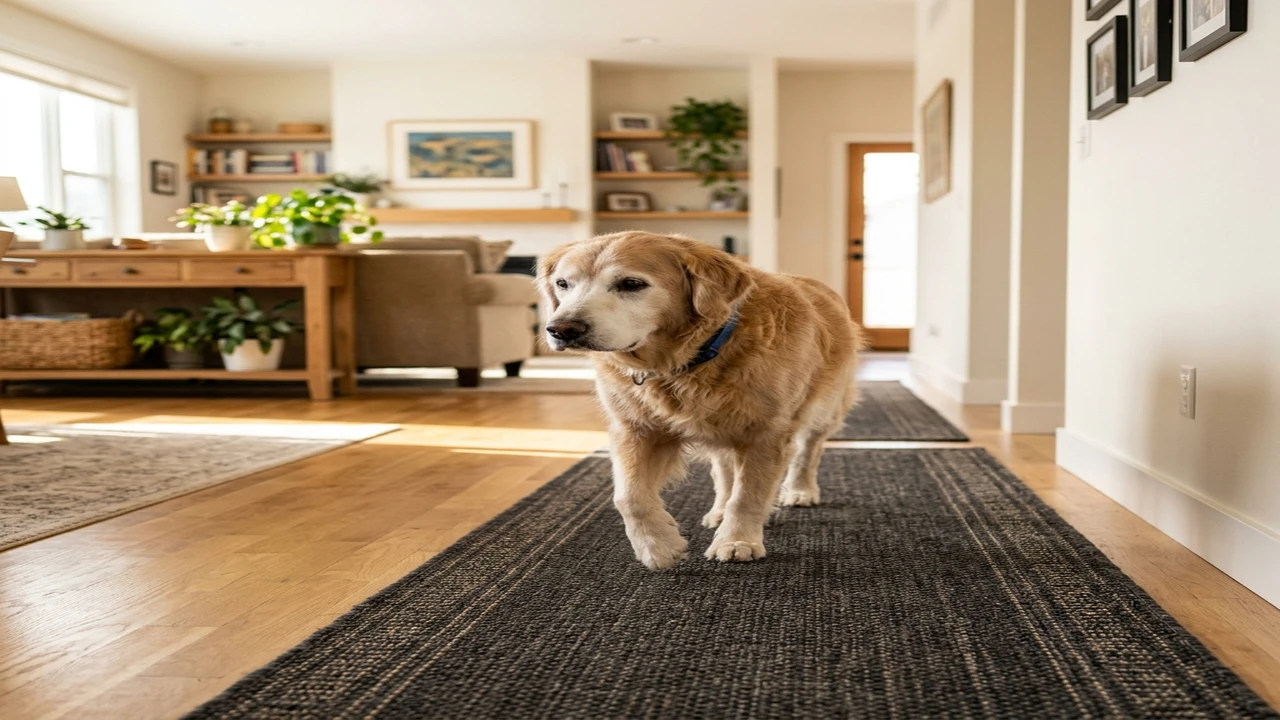
Many dogs develop surface sensitivities because they were never exposed to different textures as puppies. Introduce your puppy to grass, concrete, gravel, sand, tile, hardwood floors, metal grates, rubber mats, wet surfaces, and carpet. Let them explore each surface at their own pace, using treats to encourage stepping onto surfaces they seem unsure about.
Step 6: Practice Handling
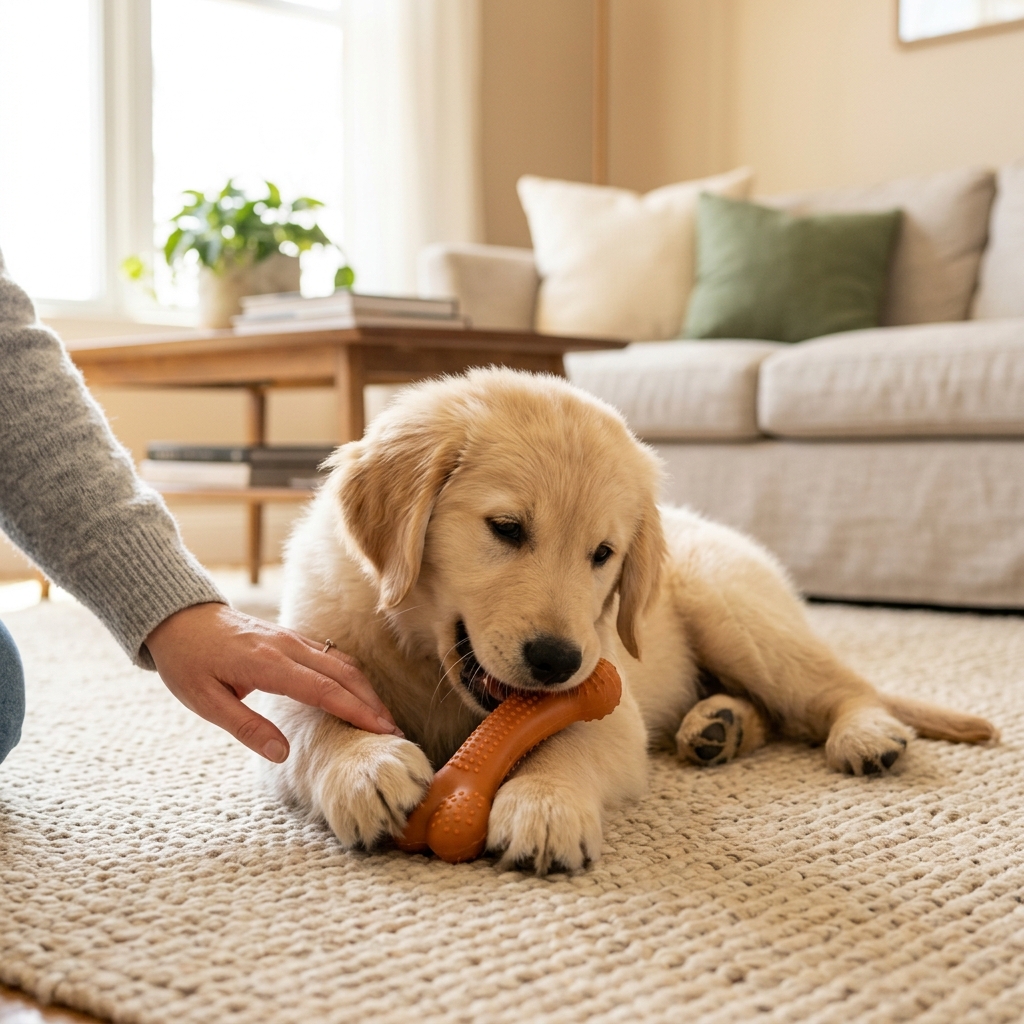
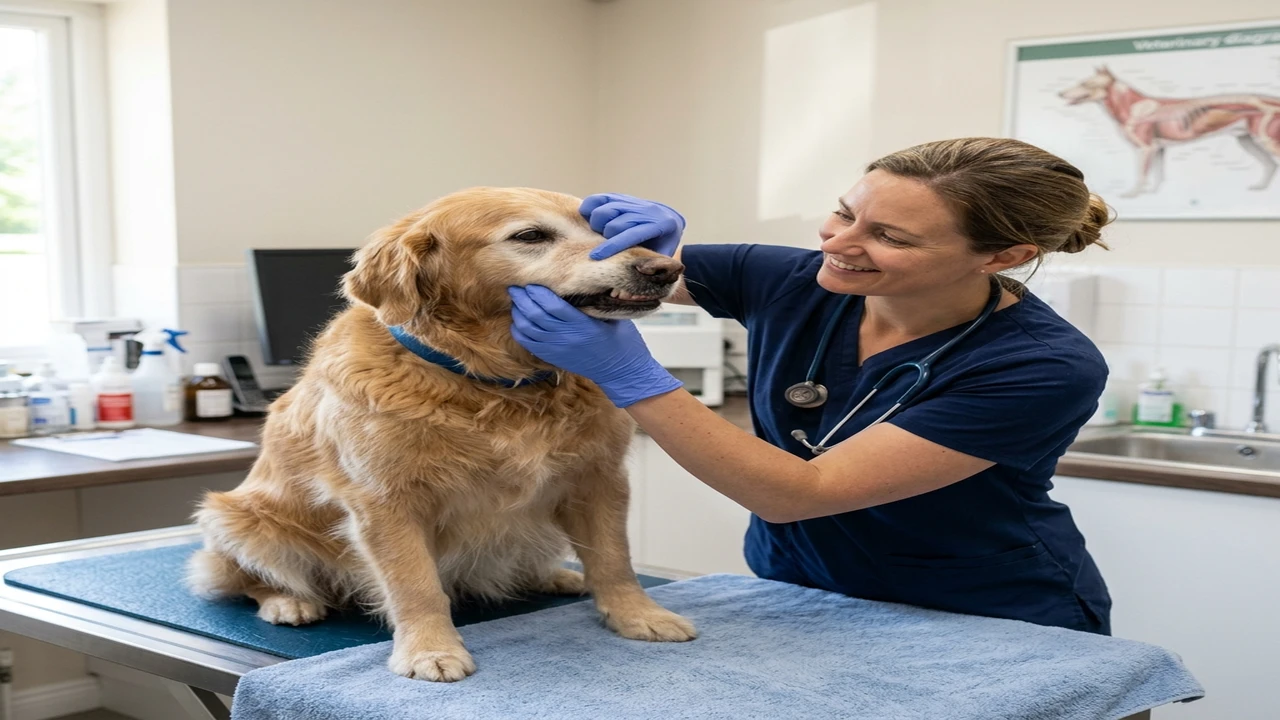
Your puppy will need to be handled by veterinarians, groomers, and family members throughout their life. Start early by gently touching your puppy's paws, ears, mouth, tail, and belly daily. Open their mouth to look at their teeth. Handle their paws and touch between their toes. Look inside their ears. Run your hands along their body. Make each handling session brief, gentle, and paired with treats.
Building a Socialization Routine
Create a weekly socialization plan that covers multiple categories:
- Monday — Meet a new person with a distinct appearance
- Tuesday — Practice handling exercises at home
- Wednesday — Visit a new environment or walk a different route
- Thursday — Introduce a new sound from the household or the street
- Friday — Puppy playdate or socialization class
- Weekend — Family outings that include the puppy, new surfaces, car ride
Keep a socialization log to track what your puppy has been exposed to and their reaction. This helps you identify areas that need more work and celebrate progress over time.
Common Mistakes to Avoid
Overwhelming your puppy. Taking your puppy to a crowded farmers' market on their first outing is a recipe for fear. Start with calm, controlled environments and gradually build up to busier settings.
Forcing interactions. Pushing your puppy toward a person or dog they are trying to avoid teaches them that you do not respect their boundaries. Always let your puppy choose to approach.
Waiting too long. The critical socialization window closes around fourteen weeks. Every day matters during this period. Do not wait until all vaccines are complete to begin — find safe ways to socialize while still protecting your puppy's health.
Only socializing with other dogs. Socialization is not just about dog-to-dog interaction. It encompasses people, environments, sounds, surfaces, handling, and novel objects. A puppy that plays well with dogs but panics at the sight of a wheelchair is not well-socialized.
Ignoring fear signals. Tucked tails, cowering, trying to hide, whale eyes, and freezing are signs that your puppy is uncomfortable. Acknowledge the fear, create distance, and try again later at a level your puppy can handle.
Signs That Need Extra Attention
- Persistent fear of specific people, objects, or environments despite repeated positive exposure
- Aggressive responses — growling, snapping, or lunging — toward unfamiliar people or dogs
- Extreme shutdown behavior — freezing, refusing to move, or trying to escape
- Generalized anxiety that worsens rather than improves with gentle exposure
- Fear-based bathroom accidents during socialization outings
When to Ask a Veterinarian
If your puppy shows persistent or extreme fear responses despite careful, positive socialization efforts, consult your veterinarian. Some puppies may have underlying anxiety disorders that benefit from professional behavioral support. Your vet can evaluate whether your puppy's fear responses are within the normal range or whether referral to a certified veterinary behaviorist would be beneficial. Early professional intervention for fear-based behaviors produces much better outcomes than waiting until the dog is an adult.
Final Thoughts
Socialization is not a task to check off a list — it is an ongoing commitment to helping your puppy experience the world with confidence and joy. The experiences you provide during the first few months of your puppy's life will echo throughout their entire lifetime, influencing how they handle new people, new places, unexpected sounds, and unfamiliar situations.
Be patient, be positive, and let your puppy set the pace. Every calm introduction to something new builds a brick in the foundation of a confident, well-adjusted adult dog. The time you invest now is one of the greatest gifts you can give your puppy — and the return on that investment is a dog who walks through the world with curiosity, trust, and peace.
Frequently Asked Questions
What's Your Reaction?
 Like
0
Like
0
 Dislike
0
Dislike
0
 Love
0
Love
0
 Funny
0
Funny
0
 Wow
0
Wow
0
 Sad
0
Sad
0
 Angry
0
Angry
0


Comments (0)