
How to Switch Dog Food Safely: A Step-by-Step Transition Guide
A complete step-by-step transition guide on how to switch dog food safely. Learn about gastrointestinal adaptation, microbial shifts, and troubleshooting transition issues.

How to Switch Dog Food Safely: A Step-by-Step Transition Guide
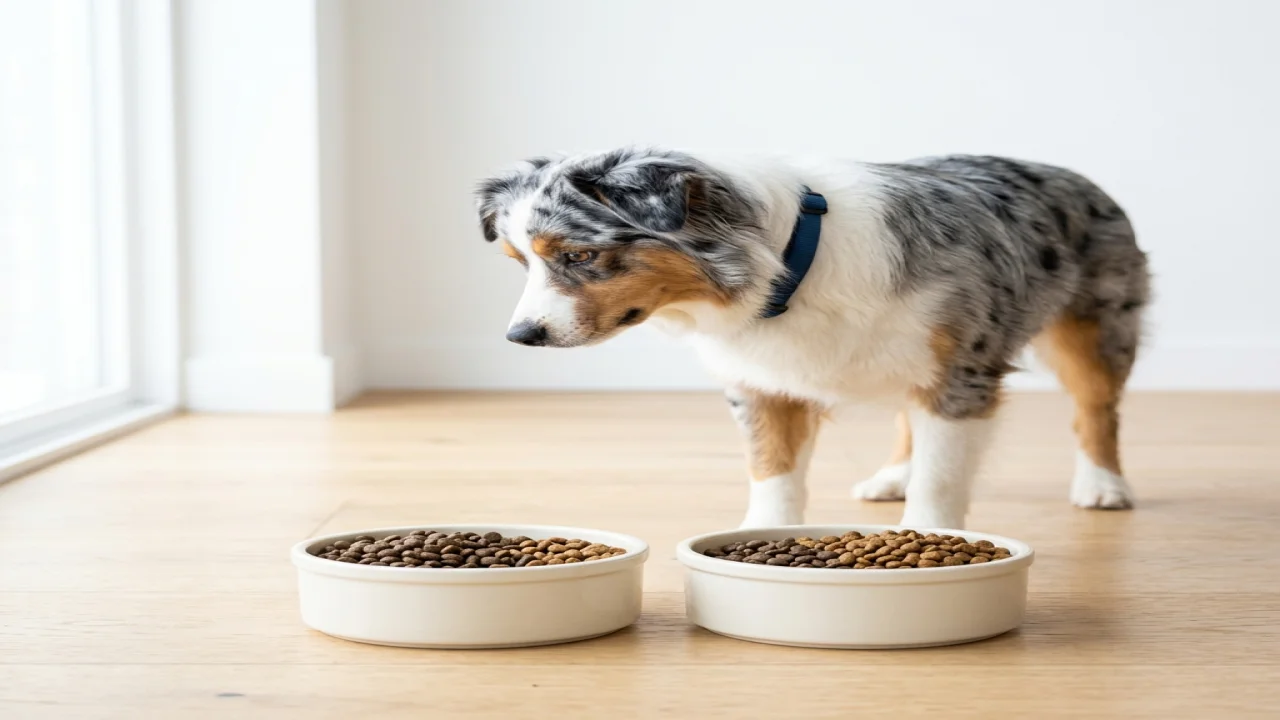
Pet owners have many reasons for changing their dog's diet. As a puppy matures into adulthood, they must transition from growth formulas to adult maintenance food. Similarly, senior dogs require senior-specific nutrients, active dogs may need performance diets, and dogs diagnosed with chronic illnesses require therapeutic prescription formulas. Other times, an owner simply wishes to switch brands or address a food intolerance. Regardless of the reason, a sudden diet change can cause significant gastrointestinal distress. To protect your dog's digestive health, you must learn how to switch dog food safely by understanding the biology of canine digestion and following a structured transition schedule.
A dog's gut is a complex ecosystem populated by trillions of bacteria that assist in digesting food. A sudden change in food disrupts this delicate balance, resulting in fermentation, gas, vomiting, and diarrhea. Learning how to switch dog food safely involves planning a gradual ratio-based transition, monitoring physical indicators of gut health, and knowing how to troubleshoot digestive issues if they arise. This guide provides the practical guidance needed to handle this transition smoothly.
Key Takeaways for Food Transitions
- Gradual Transitions Are Essential: A sudden diet change can cause vomiting, diarrhea, and inflammation. Always transition over 7 to 10 days.
- Follow the Ratio Method: Slowly decrease the old food portion while increasing the new food portion in measured percentages.
- Monitor Stool Consistency: Stool quality is the primary indicator of gut adaptation. Use a stool chart to track progress.
- Extend the Timeline for Sensitive Dogs: Dogs with sensitive stomachs or histories of food intolerances should transition over 14 days or longer.
- Prepare for Flavor Changes: Treat different recipes from the same brand as unique foods requiring a transition period.
The Nutritional Concept: Canine Digestive Adaptation
To fully understand digestive adaptation, let's explore how the gut microbiome reacts to dietary changes. The canine large intestine is home to diverse bacterial phyla, primarily Firmicutes, Bacteroidetes, and Proteobacteria. These microbes ferment dietary fibers that escape digestion in the small intestine, producing beneficial short-chain fatty acids (SCFAs) like acetate, propionate, and butyrate. SCFAs are the primary energy source for colonocytes (colon cells) and play a vital role in maintaining the gut barrier and preventing inflammation. When a diet is changed suddenly, the specific prebiotic fibers that sustain these beneficial bacteria disappear. This leads to a rapid decline in SCFA production and allows pathogenic bacteria like Clostridium perfringens to proliferate. The result is acute mucosal inflammation and increased intestinal permeability, which manifests as clinical diarrhea and gas.
Additionally, the physical structure of the diet affects digestion. Commercial dry kibble is cooked under pressure, gelatinizing starches and making them easy to digest. Wet canned food contains higher moisture and fat content, which slows down gastric emptying. Raw or fresh diets contain uncooked proteins that require higher stomach acidity to break down. Because of these structural differences, transitioning between different food formats requires an even slower adaptation phase. Transitioning from dry to wet food too quickly can overwhelm the pancreas's capacity to secrete lipase, leading to greasy, voluminous stools or temporary pancreatic inflammation.
Furthermore, pancreatic adaptation is a key aspect of food changes. The pancreas alters its production of digestive enzymes (amylase, protease, and lipase) based on the nutrient ratios of the food. If a dog transitions from a high-protein, low-fat diet to a high-fat diet suddenly, the sudden influx of fats cannot be broken down by the existing levels of lipase. The undigested fats travel to the colon, drawing water and causing oily, liquid stools. In some cases, the pancreas can become overstimulated, leading to acute pancreatitis, a painful and life-threatening condition. A 7-to-10 day transition allows the pancreas to gradually shift its enzyme production, ensuring safe digestion.
To understand why a gradual transition is necessary, it helps to look at the biology of the canine digestive system. Digestion is not a passive chemical bath; it is an active process that relies on specialized digestive enzymes and a stable population of gut microorganisms (the gut microbiome):
Enzymatic Adaptation
The pancreas and intestinal lining secrete enzymes specifically tailored to break down the proteins, fats, and carbohydrates present in your dog's current diet. For example, if a dog has been eating a low-fat, high-carbohydrate kibble for two years, their digestive tract is optimized to secrete high levels of amylase (for starch) and moderate levels of lipase (for fat). If they are suddenly switched to a high-fat, low-carbohydrate formula, the pancreas cannot instantly adjust its enzyme output. Undigested fat passes into the colon, drawing water and triggering acute diarrhea or pancreatitis.
The Gut Microbiome
Trillions of bacteria live in your dog's large intestine, breaking down fiber and producing beneficial short-chain fatty acids. This microbiome is highly adapted to the specific ingredients in their regular food. A sudden change in ingredients—such as switching from corn-inclusive to pea-based kibble—deprives the resident bacteria of their food source, causing a mass die-off, while other bacteria multiply rapidly. This imbalance (dysbiosis) causes inflammation, gas, cramping, and soft stool.
Factors that Influence Transition Speed
A standard transition takes 7 to 10 days, but several variables can require you to slow down the process:
Individual Sensitivity and Medical History
Dogs with a history of sensitive stomachs, irritable bowel disease (IBD), food allergies, or frequent stress-induced diarrhea should transition very slowly. For these dogs, a 14-day or even 21-day timeline is safer. This gives their digestive enzymes and gut bacteria ample time to adapt without triggering inflammatory flares.
Difference Between Formulas
The greater the difference between the old and new foods, the slower the transition should be. Transitioning between dry kibbles from the same brand requires less adjustment than transitioning from dry kibble to raw or wet canned food. Similarly, switching between different protein sources (e.g., chicken to fish) or dramatically different fat and fiber concentrations requires a patient approach.
Practical Step-by-Step Transition Schedule
To switch your dog's food safely, follow this 7-to-10 day veterinary-approved transition schedule. For best results, weigh the portions on a kitchen scale to ensure accurate ratios:
| Phase / Days | Old Food Percentage | New Food Percentage | Key Actions |
|---|---|---|---|
| Days 1–2 | 75% | 25% | Introduce a small amount of new kibble mixed thoroughly with the old. Monitor stool quality. |
| Days 3–4 | 50% | 50% | Feed an equal mix of old and new food. Watch for signs of gas or loose stool. |
| Days 5–6 | 25% | 75% | The majority of the meal is now the new food. Maintain this ratio if digestion remains stable. |
| Day 7 and beyond | 0% | 100% | Transition complete. Continue monitoring for another week to ensure long-term tolerance. |
If your dog has a sensitive stomach, adapt this schedule to a 10-to-14 day timeline:
- Days 1–3: 90% Old, 10% New
- Days 4–6: 75% Old, 25% New
- Days 7–9: 50% Old, 50% New
- Days 10–12: 25% Old, 75% New
- Day 13 and beyond: 100% New
Probiotics and Prebiotics: Supporting Gut Microbes During Transition
When switching dog foods, the sudden alteration in dietary fiber, protein sources, and fats can disrupt the delicate balance of the canine gastrointestinal microbiome. To smooth this transition and reduce the incidence of soft stool, incorporating prebiotics and probiotics can be highly beneficial. Prebiotics, such as chicory root or fructooligosaccharides (FOS), serve as nourishment for beneficial gut bacteria. Probiotics, which are live beneficial bacteria like Enterococcus faecium, help repopulate the gut and maintain a healthy acidic environment that inhibits pathogenic bacteria. Choosing a transition strategy that includes these digestive aids can prevent stress-induced diarrhea and support the immune system.
Differentiating Normal Transition Stool Changes from Food Intolerance
During a food transition, it is common for dogs to experience mild changes in their stool consistency. The introduction of new ingredients and nutrient ratios alters the metabolic activity of the gut microbiome, which can lead to slightly soft stools or mild flatulence. This is a normal part of the adaptation process and usually resolves within three to five days as the beneficial bacterial populations adjust. Stool quality should be monitored using a standard chart, looking for well-formed, firm stools that are easy to pick up.
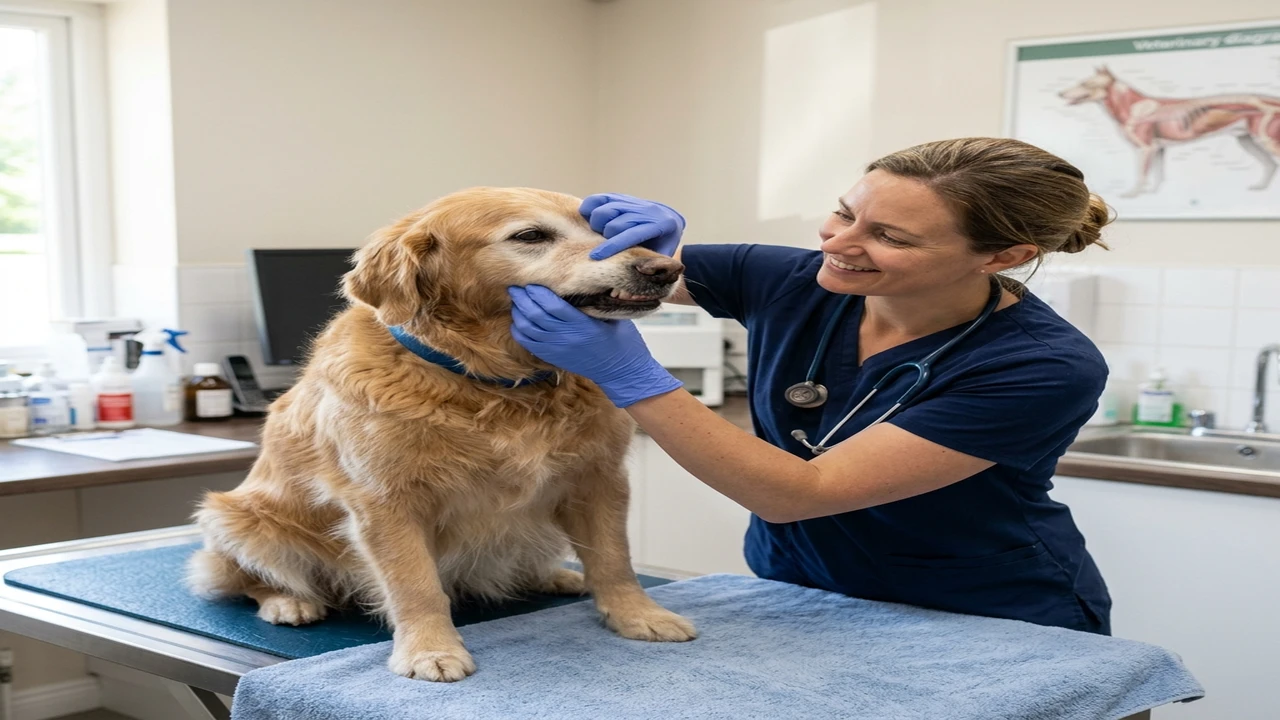
However, owners must distinguish this temporary adjustment from actual food intolerance or allergies. If the stool becomes liquid diarrhea, or if it is accompanied by frequent vomiting, severe abdominal pain, lethargy, or chronic skin scratching and redness, the transition should be stopped. These signs indicate that the new food contains an allergen or ingredient that the dog's digestive system cannot tolerate. In such cases, revert to their previous food until their stomach settles, and consult your veterinarian to identify a more appropriate diet formula.
Common Mistakes to Avoid During Transitions
Rushing the process. Many owners try to complete a transition in 2 or 3 days because they ran out of the old food bag. If you run out of food suddenly, it is often better to buy a small bag of the old food or consult your vet for a temporary bland diet rather than forcing a rapid change.
Ignoring soft stool. If your dog’s stool becomes watery on Day 4 (the 50/50 mix), do not progress to Day 5 (the 25/75 mix). Maintain the 50/50 ratio for an extra 2 to 3 days, or drop back to the 75/25 ratio until their stool returns to normal, then resume the transition at a slower pace.
Adding digestive toppings or home-cooked ingredients during the transition. Adding toppers, pumpkin, yogurt, or meats while changing foods complicates the process. If your dog experiences digestive upset, you will not know if it was caused by the new kibble or the added toppings. Keep the diet clean and simple during the transition.
During any food transition, the canine gut microbiome undergoes a significant taxonomic shift. The bacteria residing in the large intestine are highly specialized, meaning they are adapted to fermenting the specific fiber and carbohydrate structures of the previous food. When a new diet is introduced, some populations of bacteria will shrink while others expand. If this shift happens too rapidly, the sudden imbalance can lead to dysbiosis, which manifests as gas, cramping, and loose stools. By proceeding slowly, you give the beneficial bacteria sufficient time to adapt, ensuring a stable gut environment and preventing opportunistic pathogens from colonizing the digestive tract.
Safety Risks and Warning Signs
While mild soft stool or flatulence is normal during a food transition, severe symptoms are warning signs of food intolerance or systemic issues. If your dog experiences persistent vomiting, liquid diarrhea, bloody stool, loss of appetite, or extreme lethargy, stop feeding the new food and contact your veterinarian. Severe vomiting or diarrhea can cause dehydration, particularly in small toy breeds and senior dogs, and may indicate an acute inflammatory response (such as acute gastroenteritis) or pancreatitis.
While the standard 7-day food transition protocol is suitable for the majority of healthy adult dogs, individuals with sensitive stomachs, food allergies, or chronic gastrointestinal diseases (like Inflammatory Bowel Disease) require a more conservative approach. For these dogs, a 14-day transition schedule is recommended. During the first four days, feed 90% old food and 10% new food. From days five to eight, adjust the ratio to 75% old food and 25% new food. Days nine to eleven should consist of a 50/50 mix, and days twelve to thirteen should be 25% old food and 75% new food. By day fourteen, the transition is complete. This slow rate allows the enteric nervous system and digestive enzymes to adapt without triggering a flare-up.
When Veterinary Guidance is Necessary
Consult your veterinarian if your dog has an underlying health condition that requires a therapeutic diet. Changing to a therapeutic food (such as a kidney, urinary, or hypoallergenic diet) requires a customized plan. Your veterinarian may recommend introducing the therapeutic food even more slowly, or using short-term gut-supporting supplements like veterinary-approved probiotics or prebiotics to stabilize the gut microbiome during the transition.
This article provides general educational information and does not replace individualized advice from a veterinarian or board-certified veterinary nutritionist. Consult your veterinarian before making significant changes to your dog’s diet.
Sources and Further Reading
- World Small Animal Veterinary Association (WSAVA): Nutrition Assessment Guidelines
- Association of American Feed Control Officials (AAFCO): Safe Feeding Practices
- Tufts University Petfoodology: Introducing a New Food Slowly is Best
- Frontiers in Veterinary Science: The Canine Gut Microbiome and Diet Changes
Conclusion
Learning how to switch dog food safely is a simple but critical skill for every pet owner. By executing a gradual, ratio-based transition over 7 to 10 days, weighing meals on a scale, and adjusting the schedule based on your dog’s stool consistency, you protect their gastrointestinal health and ensure a smooth adaptation. Keep your veterinarian informed of any diet changes, especially if your dog has a history of digestive sensitivity.
Frequently Asked Questions
What's Your Reaction?
 Like
0
Like
0
 Dislike
0
Dislike
0
 Love
0
Love
0
 Funny
0
Funny
0
 Wow
0
Wow
0
 Sad
0
Sad
0
 Angry
0
Angry
0



Comments (0)