
How to Stop a Dog from Jumping on People
Stop your dog from jumping on people with four-paws-on-the-floor training, sit for greetings, visitor practice, and consistent household rules.

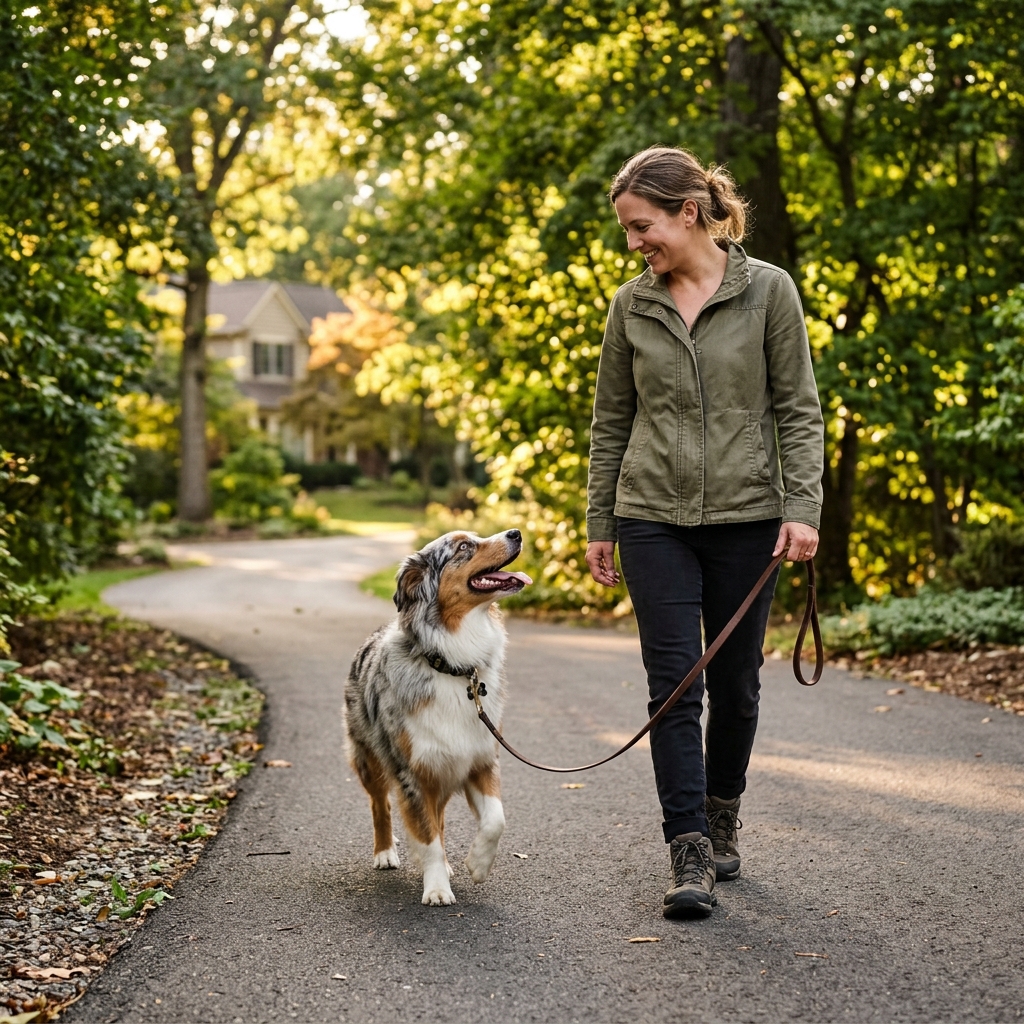
A dog that jumps on every person they greet might seem friendly, but the behavior is at best annoying and at worst dangerous. A large dog can knock over a child, an elderly person, or someone carrying something fragile. Even small dogs that jump can scratch skin, ruin clothing, and create an uncomfortable experience for visitors. The good news is that jumping is one of the most straightforward behaviors to change — if everyone in the dog's life follows the same rules.
This guide explains why dogs jump, how to teach a polite alternative, and how to get consistency from family members and visitors so the training sticks.
The Quick Answer
Remove all attention when your dog jumps — turn away, cross your arms, and ignore. The instant four paws are on the floor, give enthusiastic attention and a treat. Teach "sit for greetings" as the default behavior. Practice with family first, then controlled visitor scenarios. Everyone your dog interacts with must follow the same rules.
Why Dogs Jump and Why It Persists
Dogs jump because jumping has always produced a result. Even when we push the dog off, scold them, or hold their paws — these are all forms of attention, and any attention reinforces the behavior. The dog learns: I jump, something happens. From their perspective, the attention is worth the effort, even if we consider it negative.
Additionally, dogs are social creatures that greet face-to-face. Since our faces are much higher than theirs, jumping is their natural attempt to get closer to us at the level they prefer for social interaction.
The Training Strategy
Step 1: Remove the Reward
When your dog jumps, immediately remove all attention. Turn your body sideways or completely away from the dog. Cross your arms. Look at the ceiling. Do not speak, do not make eye contact, do not push the dog. Become completely boring. This removes the reward that jumping has always produced.
Step 2: Reward Four Paws on the Floor
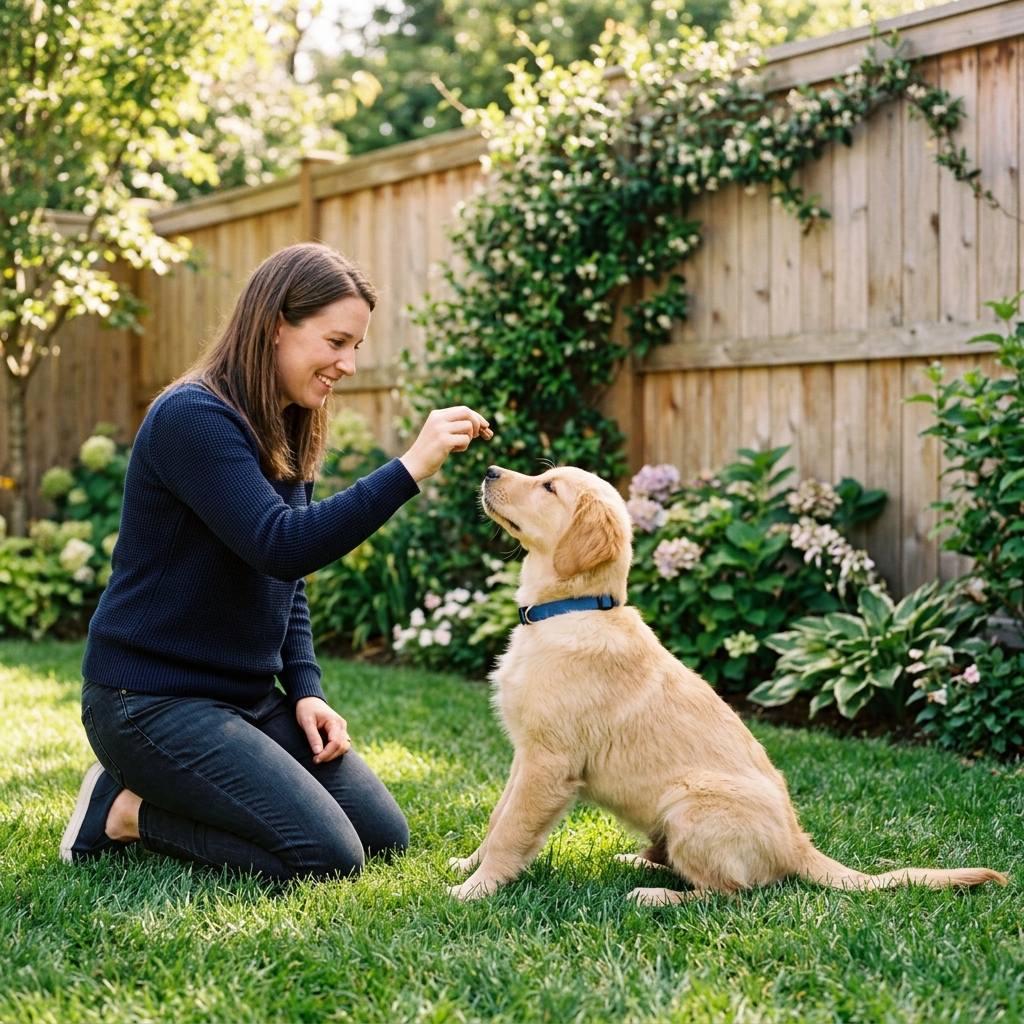
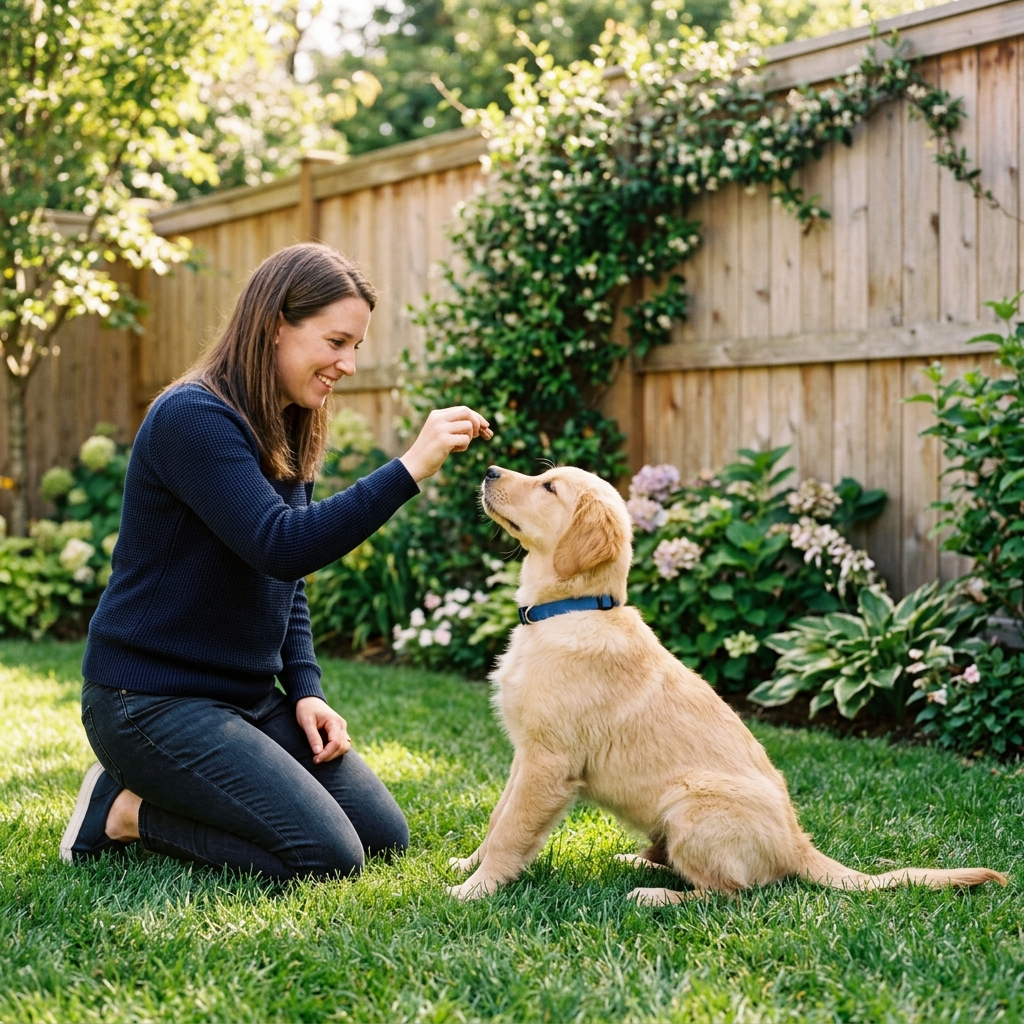
The instant all four paws are on the ground — even for a moment — turn back to your dog, say "yes" enthusiastically, and deliver a treat. You are teaching a clear rule: paws on the floor gets everything, paws in the air gets nothing.
Step 3: Teach Sit for Greetings
- Before any greeting situation, ask your dog to sit
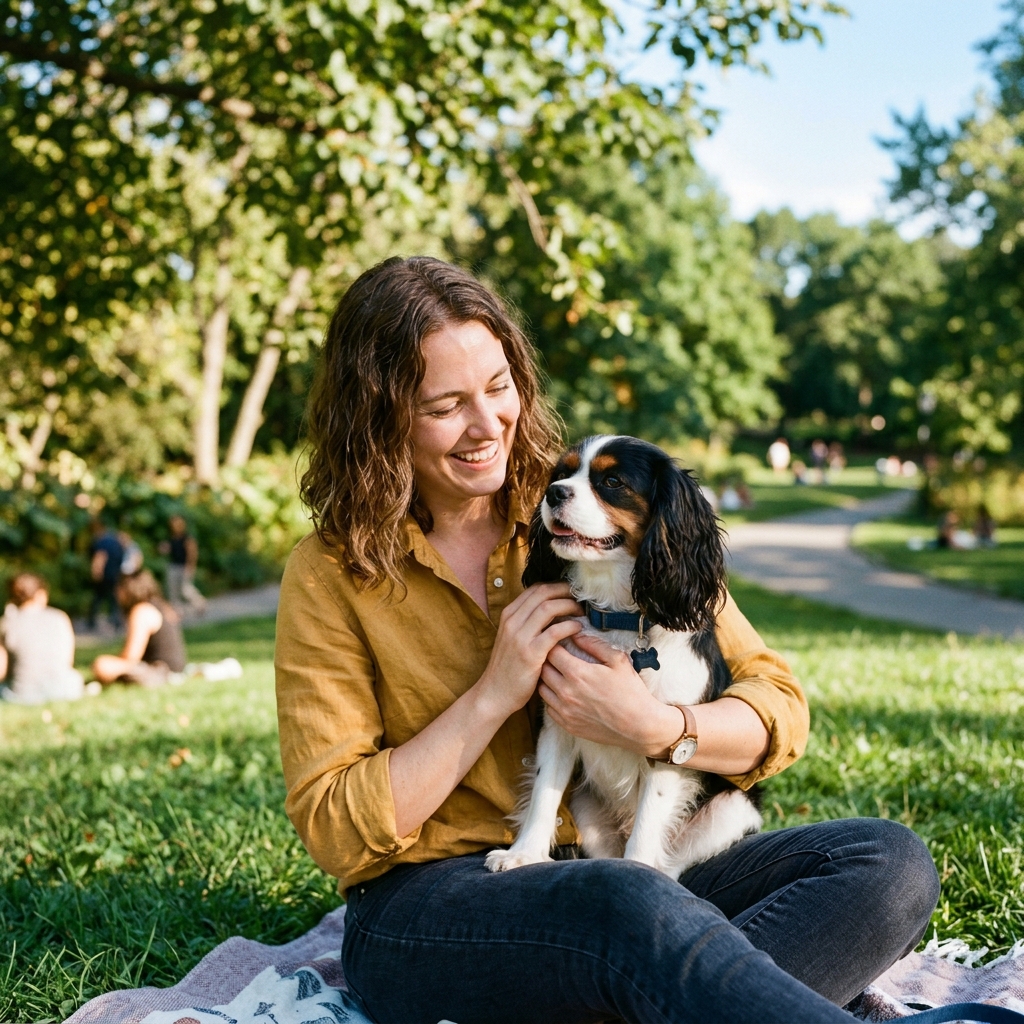
- While your dog is sitting, approach and give calm attention — a pat, a verbal greeting
- If your dog breaks the sit to jump, immediately turn away and remove attention
- When they sit again, resume the greeting
- With consistent practice, your dog learns that sitting is the key to receiving the interaction they want
Step 4: Practice with Visitors
Controlled practice is essential because visitors are the most exciting greeting scenario. Before a visitor arrives, leash your dog or put them behind a baby gate. Instruct the visitor on the rules — no attention until the dog is calm with four paws down or sitting. Release the dog to greet only when they demonstrate self-control. Have treats available for the visitor to reward calm behavior.
Managing the Environment
- Keep a leash by the front door to control your dog during arrivals
- Use baby gates to create distance between your dog and incoming guests
- Place a mat or bed near the entrance and train your dog to go to that spot when the doorbell rings
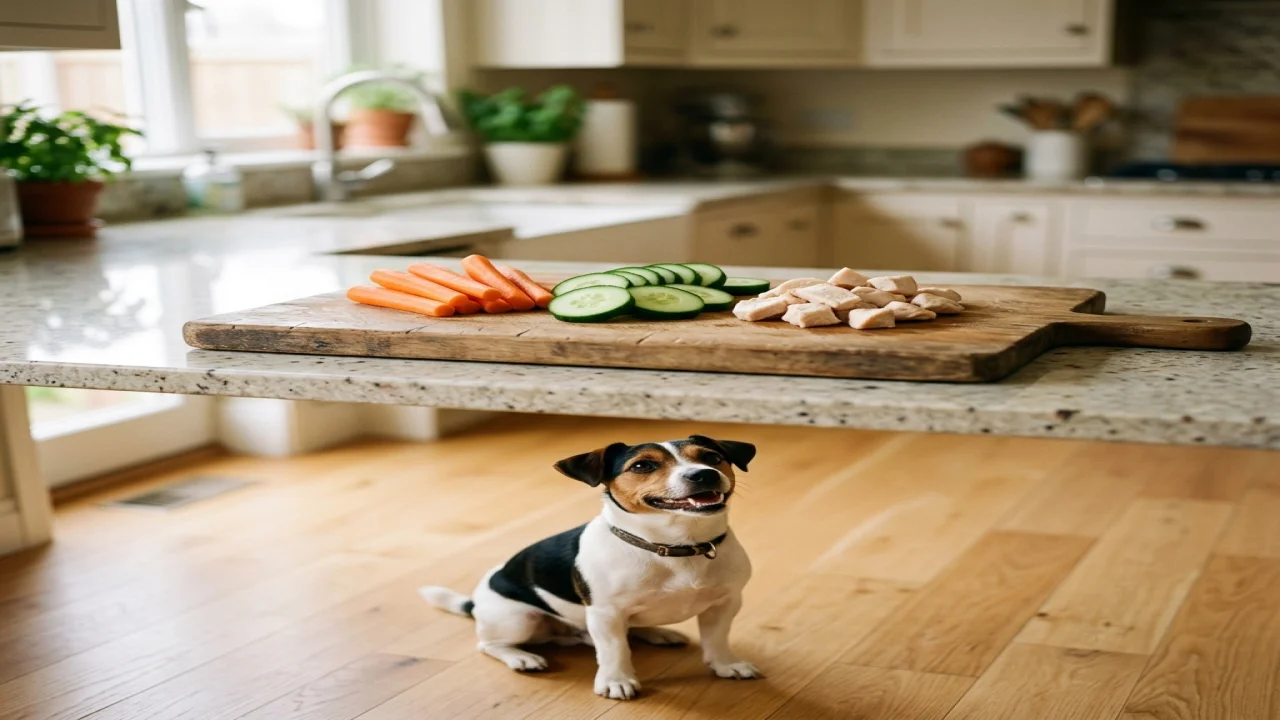
- Keep treats accessible in a jar near the door for quick rewards
Common Mistakes
Giving attention when the dog jumps. Any response — pushing, talking, making eye contact — reinforces the behavior. Complete withdrawal of attention is the only effective response.
Inconsistency between household members. If one family member allows jumping while others do not, the behavior will persist. Everyone must follow the same protocol.
Punishing the dog physically. Kneeing, stepping on toes, or using leash corrections creates pain and fear without teaching the dog what you want them to do instead. Teach the alternative behavior positively.
Not rewarding the alternative. If you only correct jumping but never reward calm greetings, your dog has no reason to choose calm behavior. Reward what you want to see more of.
When to Seek Professional Help
If your dog's jumping is accompanied by mouthing, growling, or other signs of over-arousal that escalate during greetings, consult a certified trainer. Some dogs become so overwhelmed during greetings that standard approaches are insufficient — a professional can assess whether the issue involves frustration, anxiety, or poor impulse control and design a more targeted plan.
Final Thoughts
Stopping jumping is one of the most achievable training goals — but only if everyone participates. Your dog does not need to be told no a thousand times. They need to be shown yes — that sitting calmly earns everything jumping used to provide. Consistency, patience, and universal cooperation from everyone your dog meets are the three keys to polite greetings that last.
Frequently Asked Questions
What's Your Reaction?
 Like
0
Like
0
 Dislike
0
Dislike
0
 Love
0
Love
0
 Funny
0
Funny
0
 Wow
0
Wow
0
 Sad
0
Sad
0
 Angry
0
Angry
0


Comments (0)