
Puppy Sleep Guide: How Much Sleep Do Puppies Need?
Learn how much sleep puppies need, how to create a bedtime routine, where puppies should sleep, and how to handle nighttime crying.

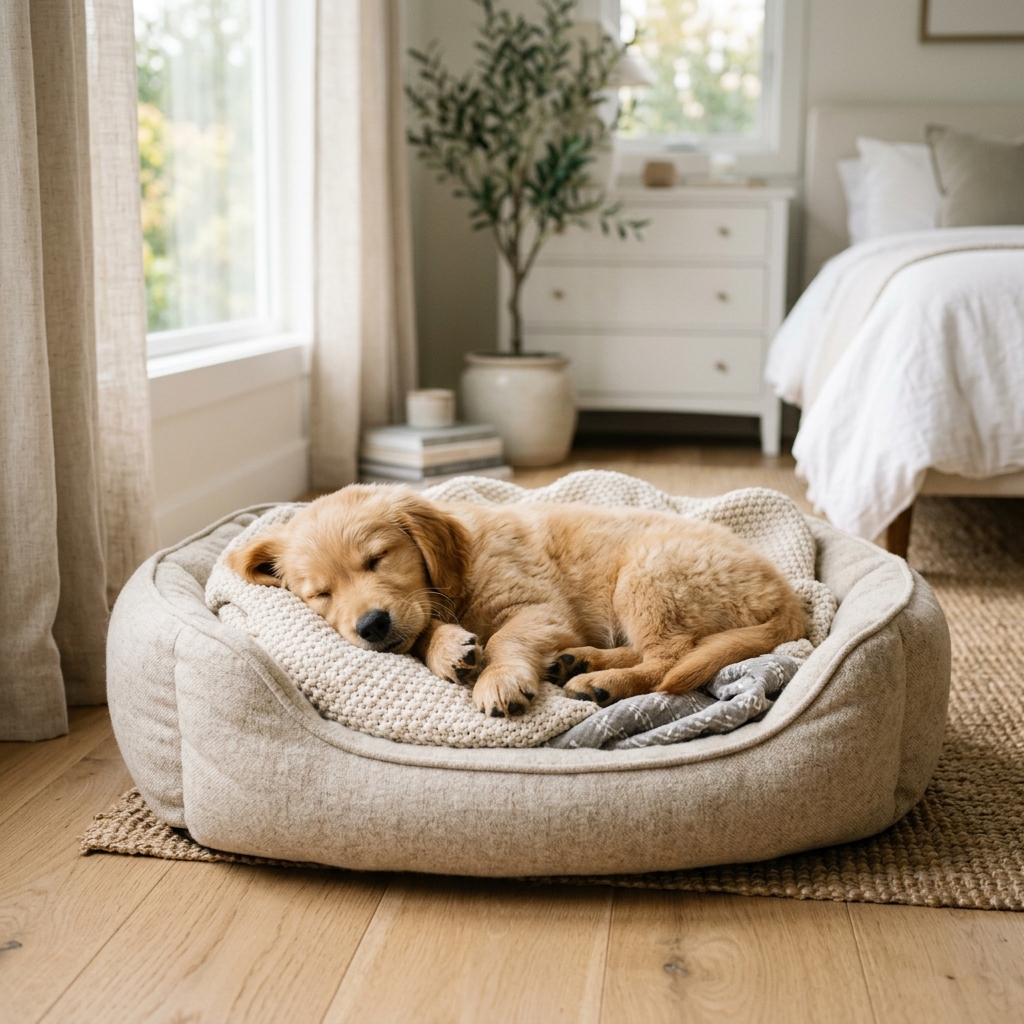
Sleep is not just a luxury for your puppy — it is an absolute necessity. During sleep, your puppy's body grows, their brain processes everything they learned during the day, their immune system strengthens, and their muscles repair. A well-rested puppy is a happier, calmer, more trainable puppy. A sleep-deprived puppy, on the other hand, becomes cranky, mouthy, hyperactive, and difficult to manage.
Yet many new puppy owners are surprised by just how much sleep their puppy needs — and equally surprised by how difficult those first few nights can be. This guide covers everything from sleep requirements and bedtime routines to handling nighttime crying and creating the perfect sleeping environment.
Quick Overview: Puppy Sleep at a Glance
- Total sleep needed — Eighteen to twenty hours per day for young puppies
- Naps — Multiple naps throughout the day, often after play or meals
- Nighttime — Most puppies sleep through the night by four months old
- Best sleeping spot — A crate in your bedroom during the first weeks
- Bedtime routine — Consistent steps every night signal that sleep time is coming
- Nighttime crying — Common in the first one to two weeks, usually resolves with patience
Why Sleep Matters So Much for Puppies
It might seem like your puppy is sleeping their life away, but all that rest serves a critical purpose. During deep sleep, growth hormone is released, which is essential for your puppy's physical development. The brain consolidates memories and learning from training sessions and new experiences. The immune system produces proteins that fight infection and disease. And muscles and tissues repair from the wear and tear of an active puppy's day.
Puppies that do not get enough sleep often exhibit behaviors that owners mistake for personality problems — excessive biting, inability to focus during training, hyperactivity, and emotional reactivity. In many cases, simply ensuring adequate rest resolves these issues entirely.
How Much Sleep Do Puppies Need by Age
Eight to Twelve Weeks
At this age, your puppy is a sleeping machine. Expect them to sleep eighteen to twenty hours per day, often in short bursts of thirty minutes to two hours, interspersed with brief periods of play, eating, and exploring. Very young puppies have virtually no stamina — they will play hard for fifteen to twenty minutes and then collapse for a nap. This is completely normal and should be encouraged, not interrupted.
Three to Six Months
As your puppy matures, their sleep needs decrease slightly to about fifteen to eighteen hours per day. They will start having longer periods of wakefulness — up to an hour or more — and their naps may become fewer but longer. You may notice distinct active periods in the morning and evening with quieter stretches in between.
Six to Twelve Months
Adolescent puppies typically need fourteen to sixteen hours of sleep per day. Their sleep patterns begin to resemble an adult dog's schedule, with longer wake periods during the day and a longer stretch of sleep at night. However, they still need more rest than adult dogs, so do not expect your adolescent puppy to keep up with you all day without rest breaks.
Where Should Your Puppy Sleep
The Crate: Your Best Friend for Puppy Sleep
A crate provides a safe, enclosed, den-like space that appeals to your puppy's natural instincts. Dogs are den animals — they feel secure in small, cozy spaces. A properly introduced crate becomes your puppy's sanctuary, a place where they can retreat for rest and feel protected.
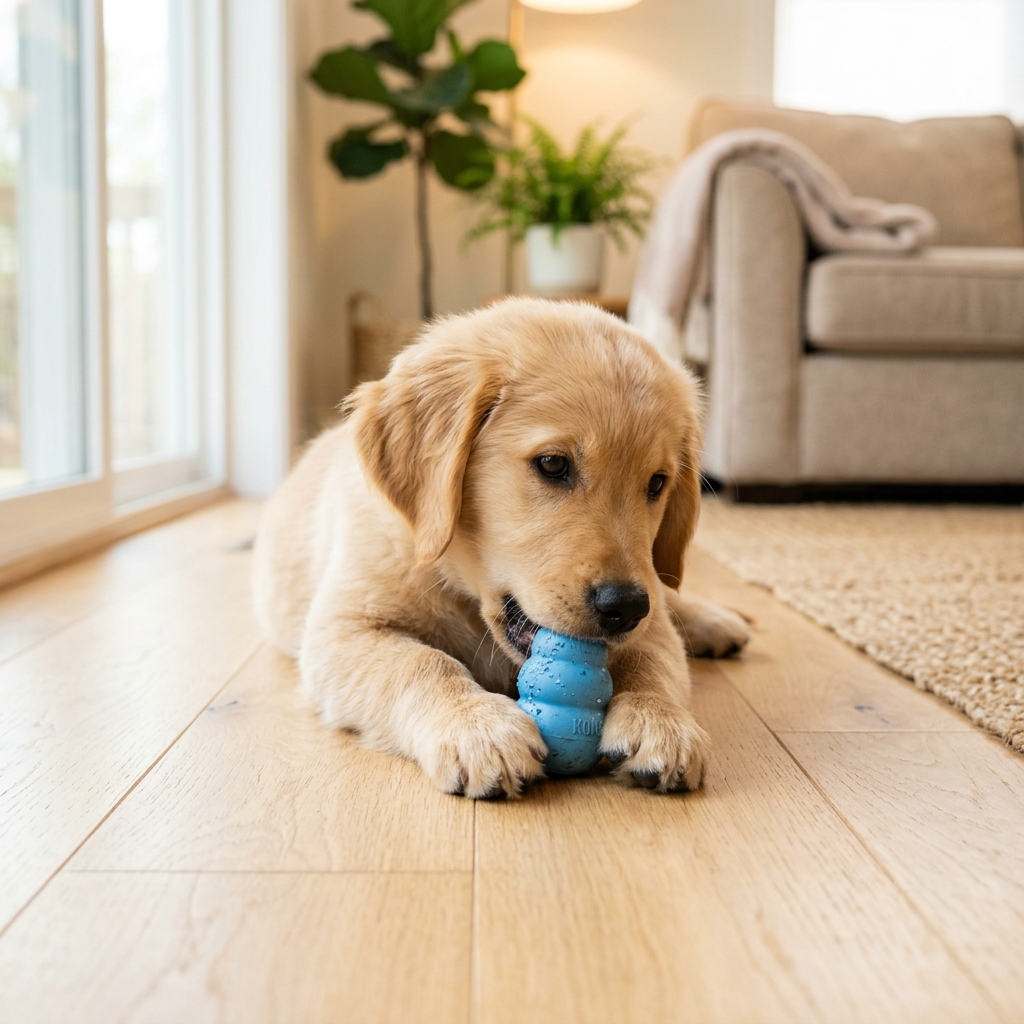
Choose a crate that is large enough for your puppy to stand up, turn around, and lie down comfortably, but not so large that they can use one end as a bathroom. Wire crates with adjustable dividers are excellent because they grow with your puppy. Place a washable blanket or bed inside, along with a safe chew toy for comfort.
Crate Placement Matters
During the first few weeks, place the crate in your bedroom. Being close to you provides comfort and reduces nighttime anxiety and crying. Your puppy can hear your breathing and sense your presence, which helps them feel safe in their new environment. As your puppy adjusts and gains confidence, you can gradually move the crate to its permanent location if desired.
Step-by-Step Bedtime Routine
A consistent bedtime routine signals to your puppy that the day is winding down and sleep is approaching. Here is a routine that works well for most puppies:
Step 1: Evening Wind-Down
About an hour before bedtime, start reducing stimulation. Put away exciting toys, lower the lights, and shift from active play to calm activities like gentle stroking or quiet sitting together. This transition helps your puppy's energy level naturally decrease.
Step 2: Last Meal and Water
Feed your puppy's last meal at least two to three hours before bedtime to allow for digestion. Remove the water bowl about one to two hours before bed to reduce the chance of overnight accidents. Make sure your puppy has had enough water during the day before limiting evening access.
Step 3: Final Potty Trip
Take your puppy outside for a final bathroom break immediately before putting them in the crate. Wait patiently until they go, even if it takes a few minutes. This final trip dramatically reduces the likelihood of a middle-of-the-night wake-up.
Step 4: Crate Time
Place your puppy in the crate with a safe chew toy or a stuffed toy that provides comfort. Some owners find that placing a ticking clock or a warm water bottle wrapped in a towel near the crate simulates the warmth and heartbeat of littermates. Close the crate door, say a calm goodnight, and resist the urge to keep interacting.
Handling Nighttime Crying
The first few nights with a new puppy can be rough. Your puppy has just been separated from their mother and siblings, placed in a completely new environment, and asked to sleep alone. Crying is a natural response to this transition.
Distinguish Between Needs and Wants
If your puppy cries within the first hour or two after going to bed, they may genuinely need a bathroom break. Take them out calmly, keep the lights low, avoid talking or playing, and return them to the crate immediately afterward. If your puppy was recently taken out and continues to cry, they are likely seeking attention rather than expressing a physical need.
Wait for a Pause
When your puppy cries for attention, wait for a brief moment of silence — even a two-second pause — before responding. This teaches your puppy that quiet behavior, not crying, gets results. Over the course of several nights, the crying periods will shorten and the quiet periods will lengthen.
Stay Patient and Consistent
Most puppies adjust within one to two weeks. The crying will feel endless during those first nights, but it does get better. Avoid taking your puppy out of the crate and bringing them to your bed as a response to crying — this teaches them that crying is the key to getting what they want.
Common Mistakes to Avoid
Letting your puppy stay up too long. Puppies often do not know when to stop. They will play until they are completely overstimulated and overtired, at which point their behavior deteriorates rapidly. Watch for signs of fatigue — yawning, slow movements, glazed eyes, increased biting — and proactively settle your puppy for a nap before they reach the meltdown point.
Waking your puppy from naps. Resist the temptation to wake a sleeping puppy for play or attention. Sleep is when critical development happens, and interrupting it can leave your puppy cranky and harder to manage when they are awake.
No consistent bedtime routine. Puppies thrive on predictability. Going to bed at different times, in different locations, with different routines creates confusion and anxiety. Establish a routine and stick with it every night.
Making nighttime bathroom trips exciting. Middle-of-the-night potty breaks should be boring — no talking, no play, minimal light. The goal is for your puppy to go, get praised quietly, and return to sleep without becoming fully awake and energized.
Skipping the last potty break. Always take your puppy outside right before bed, even if they went recently. A full bladder is the most common reason for nighttime wake-ups and crying.
Signs That Need Extra Attention
While most puppy sleep issues are normal and temporary, some signs may warrant attention:
- Excessive sleepiness even during usual active times — your puppy may be unwell
- Difficulty settling despite a consistent routine — may indicate pain or discomfort
- Snoring or labored breathing during sleep — could signal respiratory issues, especially in flat-faced breeds
- Restlessness and frequent position changes — may suggest physical discomfort
- Significant change in sleep patterns — more or less sleep than usual can indicate illness
When to Ask a Veterinarian
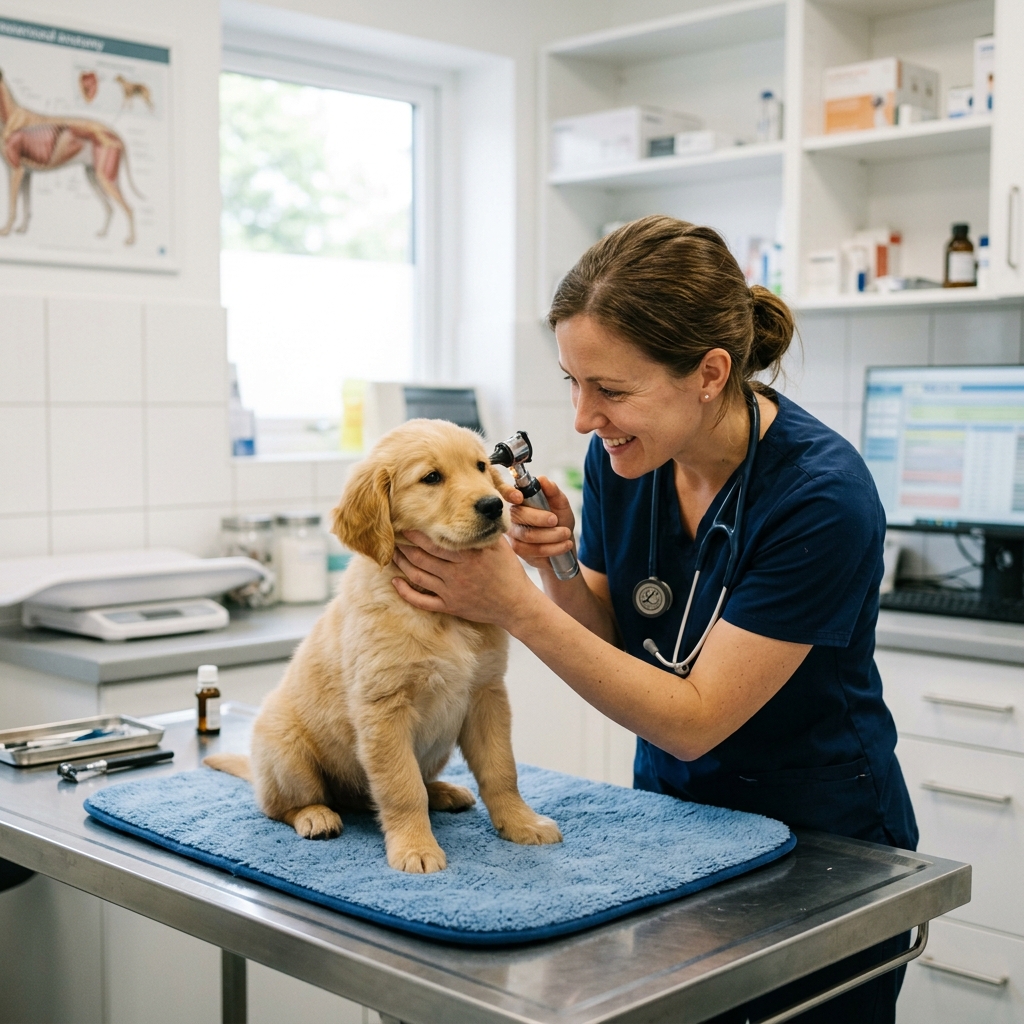
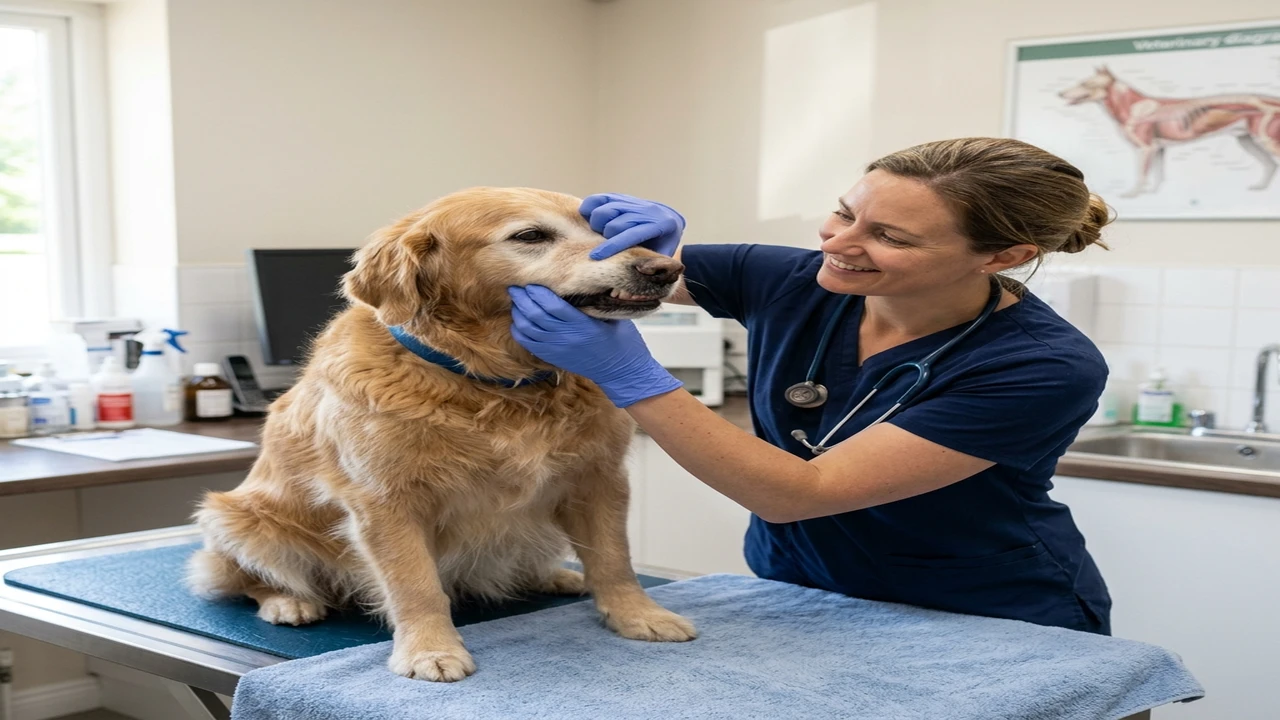
If your puppy consistently struggles with sleep despite a good routine, or if you notice changes in sleep patterns accompanied by other symptoms like loss of appetite, vomiting, diarrhea, or behavioral changes, consult your veterinarian. Some medical conditions — including gastrointestinal discomfort, urinary tract infections, and pain from injuries or teething — can disrupt sleep. Your vet can rule out physical causes and provide guidance tailored to your puppy's specific situation.
Final Thoughts
Sleep is the unsung hero of puppy development. It fuels growth, supports learning, strengthens immunity, and keeps your puppy's temperament balanced. By understanding how much sleep your puppy needs, creating a comforting bedtime routine, and handling nighttime challenges with patience and consistency, you set the stage for a well-rested puppy who wakes up each day ready to learn, play, and bond with you.
Those first few nights might test your patience, but they pass quickly. Before long, your puppy will associate their crate with safety and comfort, the bedtime routine will become second nature, and the house will be quiet through the night. Sweet dreams — for both of you.
Frequently Asked Questions
What's Your Reaction?
 Like
0
Like
0
 Dislike
0
Dislike
0
 Love
0
Love
0
 Funny
0
Funny
0
 Wow
0
Wow
0
 Sad
0
Sad
0
 Angry
0
Angry
0


Comments (0)