
When Is a Dog Considered Senior? Signs and Life-Stage Guide
Understand when dogs enter their senior years. This comprehensive guide covers signs of aging, how size and breed affect life stages, and when to seek veterinary advice.

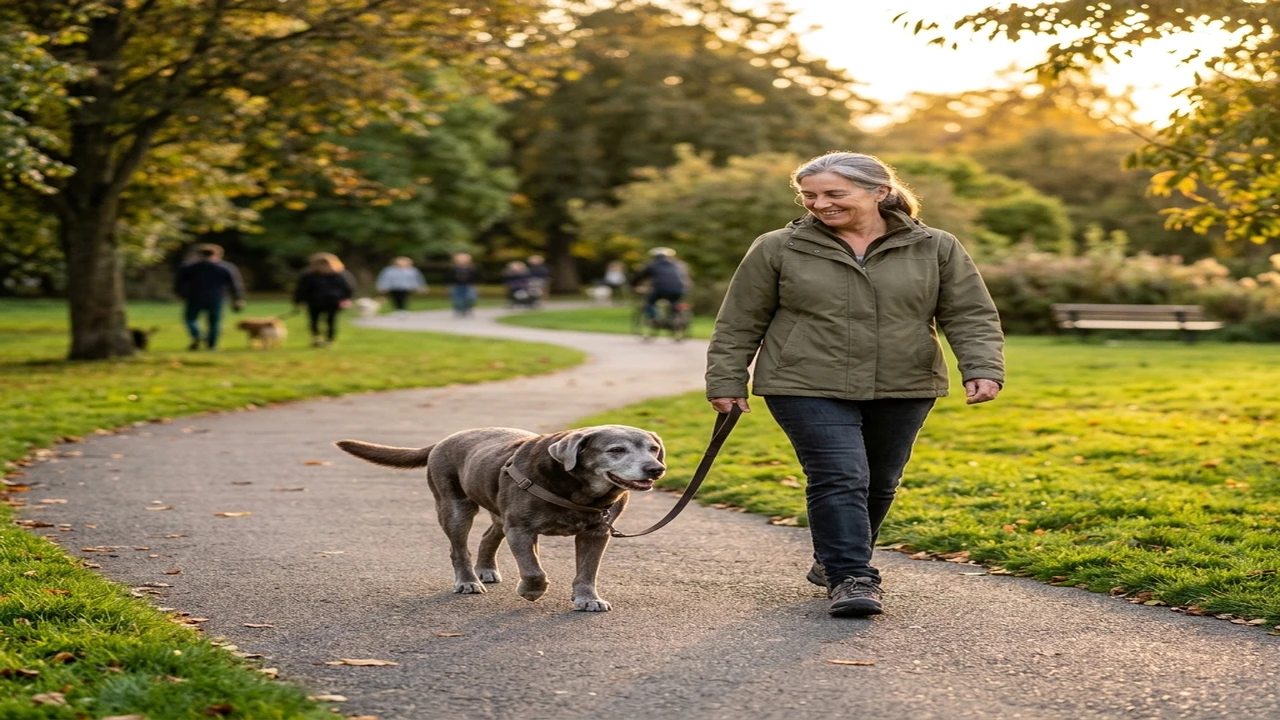
When Is a Dog Considered Senior? Signs and Life-Stage Guide
The transition of a beloved dog into their senior years is a significant milestone that every owner must understand. Our canine companions age much faster than we do, and their physical and behavioral needs shift as they grow older. However, determining exactly when a dog is considered senior is not as simple as checking a calendar. The concept of "senior status" is dynamic, varying widely based on a dog's size, breed, genetics, and individual health history.
Many dog owners are familiar with the traditional rule of thumb that one dog year equals seven human years. While simple, this formula is scientifically inaccurate. Canine aging is non-linear; dogs mature rapidly during their first two years of life, and then the rate of aging slows down and diverges based on body weight. A giant mastiff ages at a completely different rate than a miniature poodle. Understanding these differences is crucial for providing the right preventive care, nutrition, and environmental support. For starting point guidelines, see preventive care for dogs.
Understanding How Size and Breed Affect Aging
The single most important factor in determining when a dog is considered senior is their size. In the animal kingdom, larger mammal species generally live longer than smaller ones. However, within the domestic dog species (Canis lupus familiaris), the opposite is true: large and giant breeds age much faster and have significantly shorter lifespans than small and toy breeds.
- Small and Toy Breeds (Under 20 lbs): Dogs like Chihuahuas, Toy Poodles, and Yorkies have long expectancies, often living 14 to 18 years. They are typically not considered senior until they reach 10 to 11 years of age.
- Medium Breeds (21 to 50 lbs): Dogs like Cocker Spaniels and French Bulldogs live around 11 to 13 years and enter their senior phase around 8 to 9 years of age.
- Large Breeds (51 to 90 lbs): Golden Retrievers, Labradors, and German Shepherds live about 10 to 12 years. They are considered senior at 7 to 8 years old.
- Giant Breeds (Over 90 lbs): Great Danes, Mastiffs, and Irish Wolfhounds have short lifespans, often 6 to 8 years. They enter their senior years as early as 5 to 6 years of age.
Physical and Behavioral Signs of Aging
As your dog ages, you will begin to notice gradual changes in their appearance, mobility, and behavior. While some changes are expected, others can indicate underlying medical conditions that require veterinary intervention.
- Graying Muzzle and Coat: One of the most obvious signs is the loss of pigment in the fur, particularly around the muzzle, eyes, and paws. The coat may also become thinner, drier, or lose its luster.
- Sensory Decline: Gradual clouding of the eyes (nuclear sclerosis) is common and normal, but cataracts can lead to blindness. You may also notice your dog not responding to their name or commands as quickly, indicating hearing loss.
- Slowing Down: Senior dogs sleep more and have less stamina. However, if your dog struggles to stand up, hesitates before stairs, or limps, this is a sign of joint pain or osteoarthritis, which requires medical management.
- Weight and Muscle Changes: Metabolic rates slow down, making weight gain common. Conversely, very old dogs may experience muscle wasting (sarcopenia) and weight loss. For weight control strategies, check is my dog overweight.
Home Monitoring and Preventive Care
Owners play a critical role in maintaining a senior dog's quality of life through home monitoring and proactive care.
- Track Activity Levels: Keep a journal of your dog's walks, stamina, and resting habits. A sudden reluctance to walk can indicate cardiovascular or orthopedic pain.
- Monitor Weight and Appetite: Weigh your dog monthly. Sudden weight loss can be an early indicator of kidney disease, diabetes, or cancer, while weight gain increases strain on arthritic joints.
- Inspect the Body: Periodically run your hands over your dog's body to check for new lumps, bumps, or tender spots. Note any changes in their breathing rate at rest (normal resting respiratory rate is under 30 breaths per minute).
| Size Category | Weight Range | Senior Onset Age | Average Lifespan |
|---|---|---|---|
| Small / Toy | Under 20 lbs | 10 - 11 years | 14 - 18 years |
| Medium | 21 - 50 lbs | 8 - 9 years | 11 - 13 years |
| Large | 51 - 90 lbs | 7 - 8 years | 10 - 12 years |
| Giant | Over 90 lbs | 5 - 6 years | 6 - 8 years |
The Cellular Pathophysiology of Canine Senescence
At the molecular level, canine aging, or senescence, is characterized by a progressive decline in cellular repair mechanisms, increased oxidative stress, and the accumulation of somatic mutations. Telomere shortening—the gradual loss of the protective caps at the ends of chromosomes during cell division—eventually leads to cellular senescence, where cells lose the ability to divide and function optimally. In dogs, this process is accompanied by a decline in mitochondrial efficiency, leading to decreased ATP production and a higher release of reactive oxygen species (ROS). This oxidative damage affects lipids, proteins, and DNA, contributing to systemic tissue degeneration.
As senescence progresses, the immune system undergoes a shift known as immunosenescence. The efficiency of both cell-mediated and humoral immunity decreases, making aging dogs more susceptible to chronic inflammatory conditions, infectious diseases, and neoplasia. At the same time, a low-grade, chronic systemic inflammation develops—a phenomenon often referred to as "inflammaging." This underlying inflammatory state plays a major role in the progression of age-related conditions such as osteoarthritis, chronic kidney disease, and cognitive decline, explaining why senior dogs require a comprehensive veterinary monitoring approach to catch these subclinical cellular changes early.
Mitigating Age-Related Deconditioning at Home
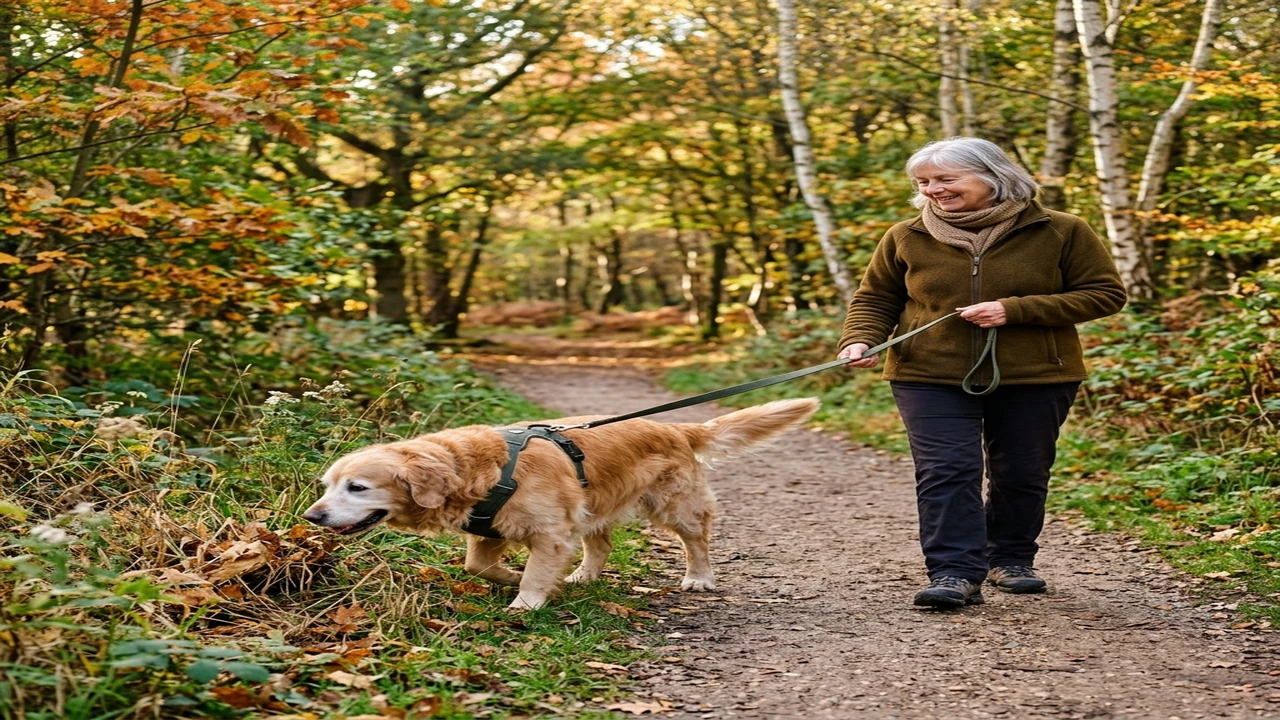
Physical deconditioning in senior dogs occurs rapidly when activity levels decline. Sarcopenia, the age-related loss of skeletal muscle mass and strength, is driven by decreased protein synthesis, physical inactivity, and chronic low-grade inflammation. To mitigate this deconditioning, owners should implement structured, low-impact exercise programs. These activities stimulate muscle fibers, promote circulation, and support joint mobility without causing micro-trauma to already compromised cartilage. Short, controlled walks on soft, level surfaces help maintain cardiovascular health and muscle tone, preventing the rapid decline associated with prolonged inactivity.
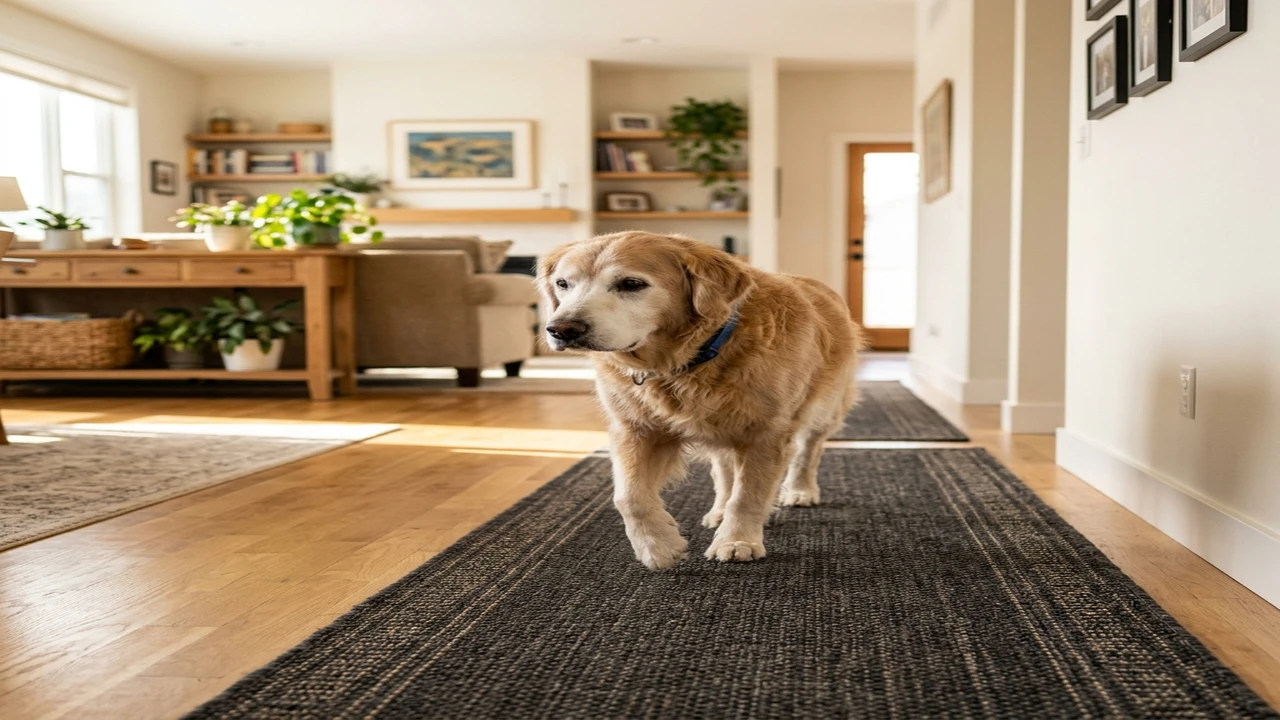
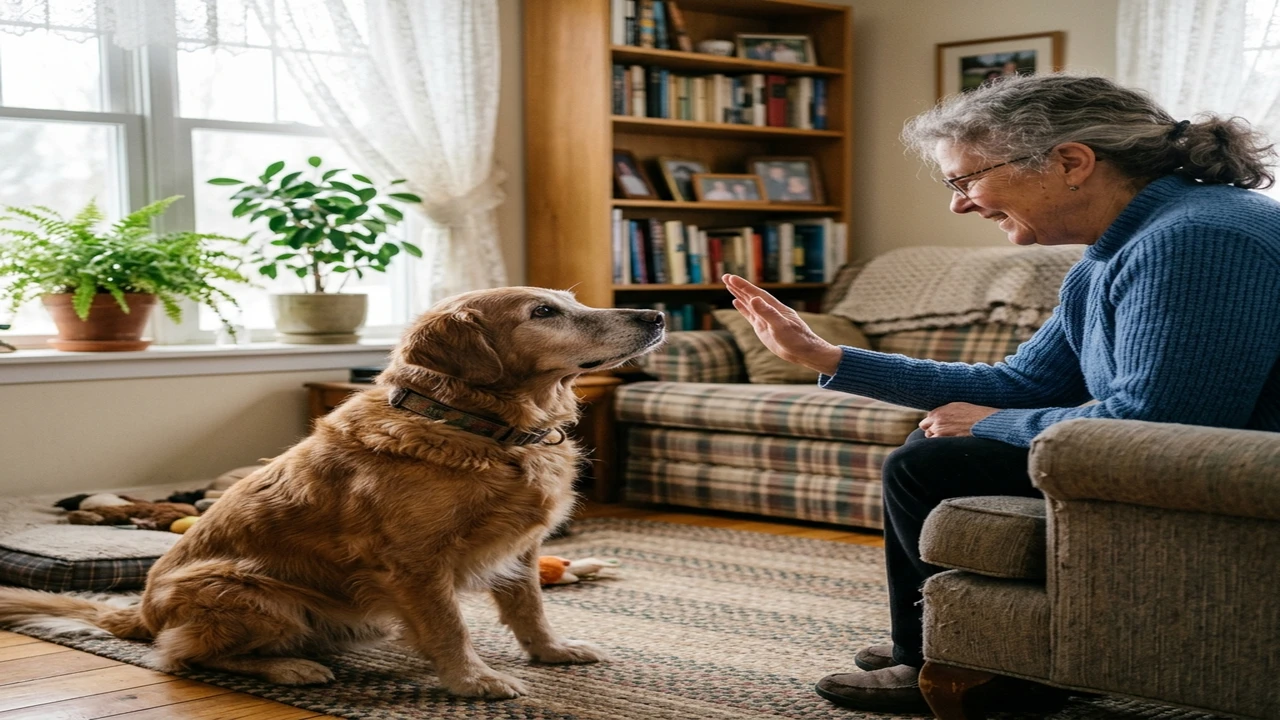
In addition to physical movement, environmental enrichment plays a vital role in slowing cognitive and physical deconditioning. Environmental modification, such as providing pathways with excellent traction and reducing the need to jump, encourages senior dogs to remain active within the home. Interactive enrichment, including scent games and food-foraging tasks, stimulates the brain and maintains neural pathways. Keeping your senior dog engaged prevents the depression and lethargy that often accompany sensory and mobility loss, ensuring they remain active participants in family life.
Genetic and Breed-Specific Aging Rates
The genetics of dog breeds play a profound role in their rate of physiological aging. Scientific research shows that giant breeds undergo accelerated aging rather than simply starting to age earlier. Their cellular division occurs at a rapid rate, which correlates with higher levels of growth hormones like IGF-1 (insulin-like growth factor 1) in their youth. This rapid early growth is linked to early cellular exhaustion, higher cancer rates, and accelerated musculoskeletal degeneration. In contrast, small dogs grow slowly and maintain lower levels of IGF-1 throughout their lives, allowing their cellular repair systems to keep up with metabolic damage over a longer span.
Individual genetics also create variations within the same breed. Mixed-breed dogs often benefit from hybrid vigor, showing fewer breed-specific genetic disorders, though their lifespan is still primarily governed by their adult weight category. Environmental factors such as body condition, lifetime diet quality, and preventive veterinary care further influence whether a dog's biological age aligns with their chronological age. A lean, active large breed dog may show the biological markers of a medium breed dog, highlighting the impact of proactive health management.
Endocrine and Immunological Changes in Aging Canines
The endocrine system undergoes major transformations in the senior years, altering hormone balance and metabolic pathways. The thyroid gland's output often decreases, leading to lower circulating thyroid hormones, which regulates baseline metabolic rate. Similarly, the adrenal glands can show altered cortisol production, affecting stress responses and immune system function. These shifts lead to changes in fat distribution, skin elasticity, and wound healing, making senior dogs more vulnerable to conditions like diabetes mellitus and pituitary-dependent hyperadrenocorticism (Cushing's disease).
Immunologically, the thymus gland, which is responsible for T-cell maturation, undergoes complete atrophy by middle age. This results in a decreased ability to respond to novel antigens and a reduced efficacy of vaccinations, which is why veterinarians recommend customized vaccine schedules for seniors. Additionally, the decrease in immune surveillance allows malignant cells to escape destruction, explaining why neoplasia (cancer) is the leading cause of death in dogs over the age of eight. Routine diagnostic screening is essential for identifying these endocrine and immunological shifts before they manifest as advanced disease.
Practical Home Lifestage Assessment Checklist
To help you determine when and how to adjust your dog's care routine, use this practical home lifestage assessment checklist. Evaluate these four key areas every six months to track your dog's biological aging process:
- Activity and Mobility: Does your dog take longer to stand up after sleeping? Do they hesitate before jumping onto the couch or climbing stairs? Slowing down is often the first visible sign of joint stiffness, indicating it is time to discuss joint supplements or non-slip flooring with your veterinarian.
- Sensory and Behavior: Is your dog easily startled by touch? Do they show less interest in interactive play or greeting family members? Subtle behavioral shifts can be early indicators of vision decline, hearing loss, or mild cognitive changes.
- Body Condition and Weight: Is your dog losing muscle mass along their spine and hindquarters (sarcopenia)? Have they gained weight due to a slower metabolism? Keeping your dog at a lean body condition score (BCS of 4 or 5 on a 9-point scale) is critical for reducing joint strain.
- Dental and Coat Quality: Does your dog have noticeable bad breath (halitosis)? Is their coat dry, thin, or graying? Bad breath is a sign of dental plaque, which requires professional evaluation, while changes in coat quality can indicate underlying metabolic or endocrine shifts.
Veterinary Coordination: Structuring Senior Preventive Care Plans
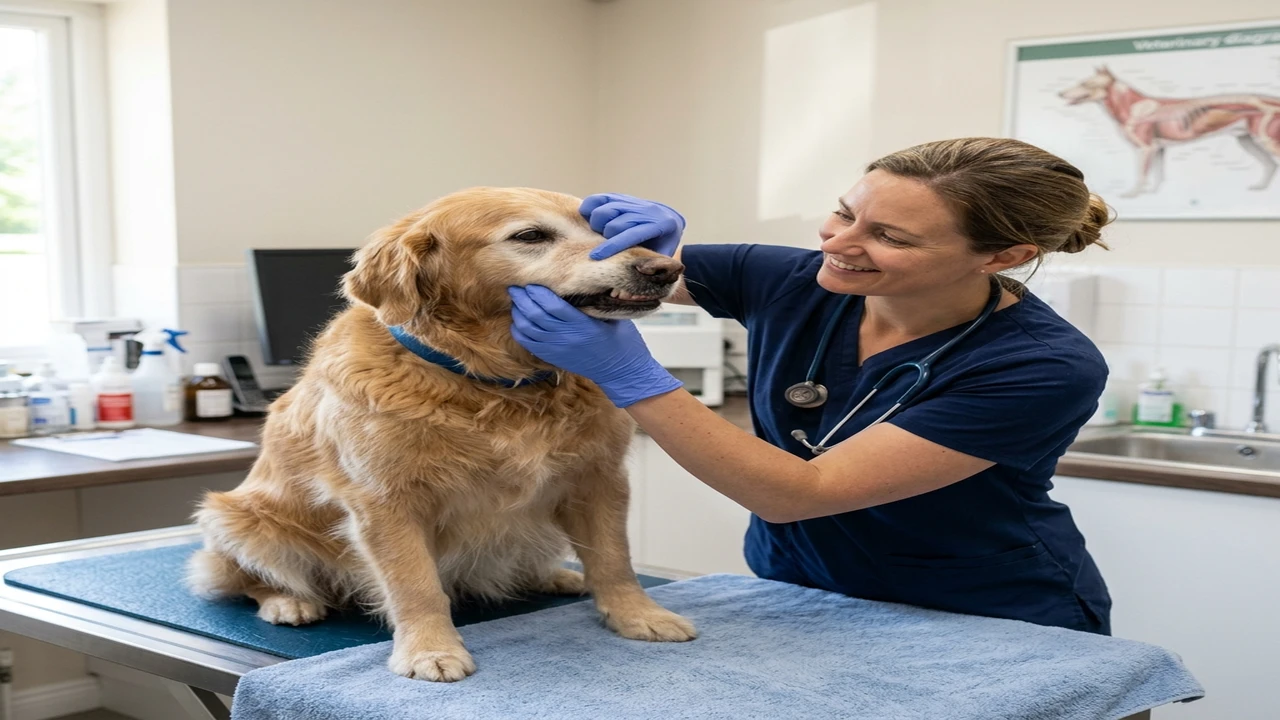
As your dog transitions into their senior lifestage, establishing a structured, collaborative preventive care plan with your veterinary clinic is essential. A comprehensive senior wellness program should include scheduling detailed clinical examinations twice a year, which allows your veterinarian to establish baseline health parameters. This baseline is critical for detecting subtle physiological deviations in blood values, blood pressure, or joint flexibility before they manifest as clinical illness. During these visits, discuss a customized vaccination and parasite prevention protocol tailored to your dog's changing immune system and individual exposure risk.
Active communication with your vet is the foundation of senior care. Prepare for visits by maintaining a detailed journal of your dog's daily routines, appetite shifts, and mobility levels at home. This collaborative record helps your veterinarian make informed recommendations regarding diet changes, joint support supplements, or diagnostic blood panels, ensuring your dog's care plan evolves with their biological needs.
Behavioral Indicators of Cognitive and Physical Transition
As dogs cross the threshold into their senior years, behavioral indicators often precede obvious physical signs of aging. You may notice your dog showing a decreased tolerance for noisy environments or children, which can be linked to subclinical discomfort or sensory decline. Changes in social dynamics with other household pets are also common; a senior dog may become more defensive or, conversely, seek more reassurance from their companions. Recognizing these behavioral shifts as indicators of physical transition allows for early adjustments in their care routine.
It is important to remember that sudden changes in behavior, such as aggression, excessive panting, or vocalizing, require immediate veterinary examination to rule out acute pain or illness. Supporting your senior dog's psychological well-being by keeping their routines consistent and providing quiet, safe retreats in the home helps ease this transition, ensuring they feel secure and comfortable during their golden years.
Monitoring Vital Health Trends and Veterinary Clinic Communication
Tracking vital health trends, such as weekly body weight, resting respiration rate, and daily water consumption, is critical for senior dogs. A sudden change in weight or hydration levels can be the first indicator of subclinical metabolic changes, indicating it is time to coordinate with your vet clinic. Maintain a clear, chronological record of these markers to share during checkups, allowing for proactive, individualized care adjustments.
[!IMPORTANT]Medical Disclaimer: This article provides general educational information and does not replace an examination, diagnosis or treatment plan from a licensed veterinarian. Contact your veterinarian about new or worsening changes in your senior dog.
Sources and Further Reading
- American Animal Hospital Association (AAHA) Senior Care Guidelines for Dogs and Cats.
- American Veterinary Medical Association (AVMA) Senior Pet Care FAQ.
- Veterinary Clinics of North America: Small Animal Practice - Geriatric Medicine Briefs.
- Tufts University Cummings School of Veterinary Medicine Senior Pet Care Guides.
When Is a Dog Considered Senior FAQ
What's Your Reaction?
 Like
0
Like
0
 Dislike
0
Dislike
0
 Love
0
Love
0
 Funny
0
Funny
0
 Wow
0
Wow
0
 Sad
0
Sad
0
 Angry
0
Angry
0



Comments (0)