
Dog Aggression: Warning Signs, Possible Causes and Safety
Does your dog growl or snap under pressure? Learn to identify early dog aggression warning signs, manage environmental safety, and consult qualified professionals.

Dog Aggression: Warning Signs, Possible Causes and Safety
Aggressive behavior in dogs—such as growling, snapping, lunging, or biting—is one of the most stressful challenges a pet owner can face. It is also a significant public safety concern. When a dog displays aggression, it is easy for owners to feel embarrassed, frustrated, or fearful. To address the issue safely and humanely, we must understand that aggression is not a personality trait or a character flaw. It is a communication tool used by a dog when they feel threatened, anxious, painful, or cornered.
Dogs do not display aggression to "dominate" their owners or to be spiteful. Rather, aggressive behaviors are distance-increasing signals, pleading for the trigger to back away. Using confrontational training methods (like collar corrections, yelling, or alpha rolling) to suppress these warning signs is highly dangerous. It does not resolve the underlying fear or pain, but it does teach the dog that humans are dangerous, making a bite much more likely. This guide will help you understand dog aggression warning signs, explore potential medical causes, and outline critical safety and professional help guidelines. For baseline training advice, see how to train a dog.
Key Takeaways
- Distance-Increasing Signals: Aggressive behaviors are communication tools meant to create distance between the dog and a perceived threat.
- Never Punish Warnings: Growling is a vital warning. Suppressing the growl through punishment teaches the dog to bite without warning.
- Rule Out Medical Pain: A massive percentage of sudden aggression is caused by physical pain (like arthritis or dental disease) and requires a vet check.
- Prioritize Safety: Use management tools like double-leashing, basket muzzles, baby gates, and secure fencing to prevent bites.
- Seek Qualified Help: Aggression cannot be self-treated. You must work with a certified force-free professional or a veterinary behaviorist.
Understanding Dog Aggression Warning Signs
To prevent serious bite incidents, it is vital to spot the early, subtle warning signs of aggression. Dogs rarely bite without warning; instead, they display a series of escalating signals (known as the Canine Ladder of Aggression) before resorting to physical contact. Recognizing these signs allows you to intervene safely by increasing distance:
1. Subtle, Early Warning Signs
Spotting the early, subtle warning signs of aggression is critical for safety and bite prevention. Before a dog growls or bites, they display warning signals like yawning, lip-licking, turning their head away, or stiffening their body. Recognizing these signs allows you to increase distance immediately and diffuse the tension. Never punish a growl, as this suppresses their warning signal, which can lead to a bite without warning. For training tips, see how to train a dog.
Additionally, physical pain is a major cause of sudden aggression in dogs. Conditions like dental disease, arthritis, ear infections, or joint strain lower a dog's tolerance for touch, causing them to react defensively to protect their sore bodies. A thorough veterinary exam is mandatory to rule out pain before starting behavior modification. Refer to preventive care for dogs.
To keep everyone safe, implement strict management protocols. Use basket muzzles (acclimated with positive reinforcement), sturdy harnesses, and physical barriers like baby gates to prevent bites. Double-leashing is also recommended for reactive dogs on walks. For safety guidelines during emergencies, refer to dog health emergency warning signs.
Finally, work with a certified veterinary behaviorist or an IAABC consultant to address aggression safely. They will design a customized, force-free behavior modification plan to desensitize your dog to their triggers without using confrontation or aversive tools that worsen fear-aggression.
The earliest signs of discomfort include yawning, licking the lips (when food is not present), turning the head away, or walking away from the person. If these are ignored, the dog will freeze, stiffen their muscles, stand with their weight shifted forward, and hold their tail in a high, rigid position (flagging).
2. Active Warning Signs
If the dog cannot escape, they will progress to active warnings. This includes staring intensely (hard eyes), curling their lips to expose their teeth, growling, lunging, snapping (biting the air next to the target), and finally, making contact with a bite. Never approach, restrain, punish, or test a dog showing these signs.
To safely manage your dog's triggers and prevent high-arousal situations, refer to dog health emergency warning signs for recognizing veterinary emergencies.
Common Triggers and Contributing Factors
Fear, frustration, and pain are the primary triggers for dog aggression. Most aggressive reactions are defensive; the dog uses distance-increasing signals (like growling or snapping) to drive away a perceived threat. Confrontational training methods, such as alpha rolls, choke collars, or physical corrections, are major contributing factors. These methods cause pain and fear, which actually worsen aggression by confirming the dog's belief that they must defend themselves. Managing triggers using safety barriers is crucial. To build a foundation of focus and cooperation, see how to train a dog.
Undiagnosed physical pain is another major trigger. Joint pain, dental disease, or spinal discomfort lower a dog's tolerance for touch, causing defensive reactions to protect their sore bodies. A thorough veterinary exam is mandatory to rule out pain before behavior modification. Refer to dog health emergency warning signs for identifying emergency symptoms.
Aggression is typically triggered by specific situations that push a dog past their coping threshold. Common triggers include:
- Fear and Self-Defense: The most common cause of aggression. The dog barks or bites to keep a scary person or dog away.
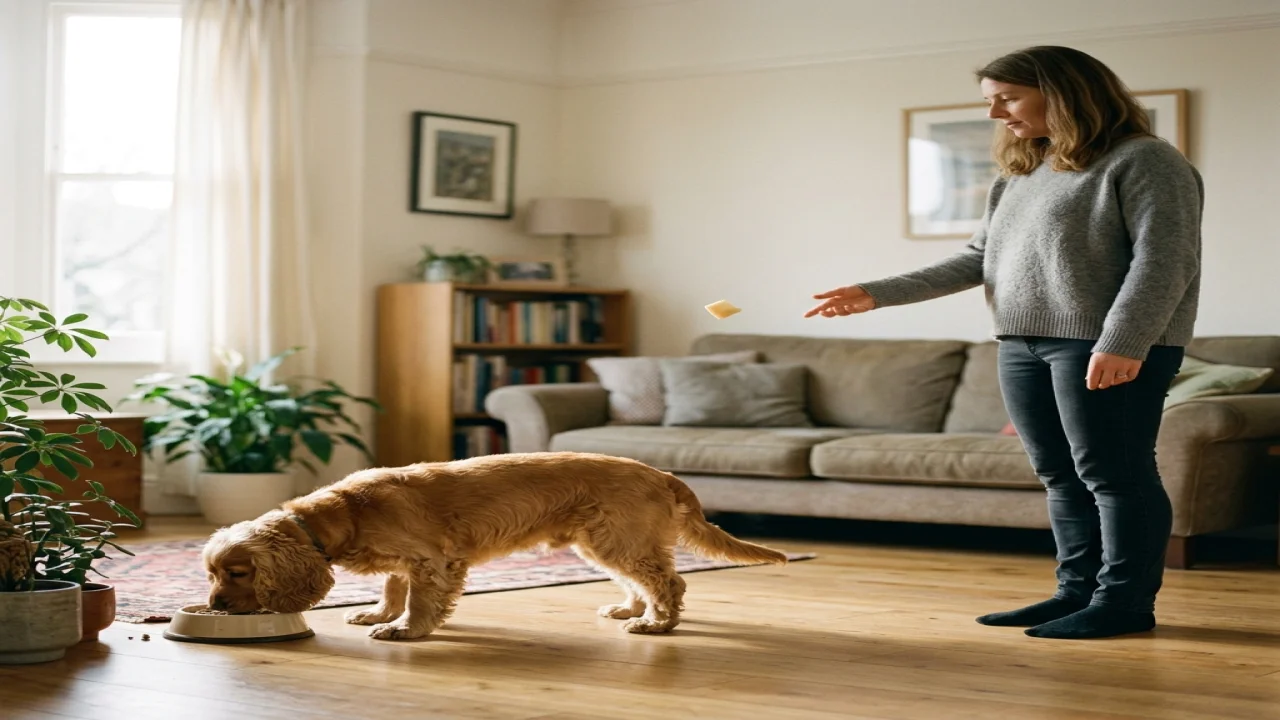
- Resource Guarding: Defending food, toys, sleeping areas, or owners. Refer to our resource guarding guide for detail.
- Leash Reactivity: Frustration caused by the restraint of a leash, which prevents normal social greeting or escape.
- Undiagnosed Medical Pain: Pain lowers a dog's tolerance for touch or approach, causing them to react defensively to protect their sore joints. Refer to preventive care for dogs.
Dog Body-Language Signals to Observe
Watch your dog's body language from a safe distance. A dog approaching their threshold will show tense facial muscles, closed mouth, staring eyes (with pupils dilated), and a rigid tail that may wag in a tight, fast, vibrating pattern. If you see your dog's body go completely still (the "freeze"), this is a critical warning. Do not reach for their collar or try to touch them; instead, use a happy voice to call them away to another room, or step back to give them space.
What Owners Can Do Safely
To safely manage aggression, owners must focus on prevention, distance, and safety gear. Use physical barriers like baby gates to keep your dog separated from visitors. Acclimate your dog to a basket muzzle using positive reinforcement so they can wear it comfortably on walks. Never punish a growl; growling is a vital warning sign. If you punish the growl, you suppress the warning, which teaches the dog to bite without warning. To practice redirection commands, see teach dog leave it drop it.
Avoid forcing your dog to interact with people or dogs they react to. Keep a safe distance where your dog can remain calm, and reward them for quiet behavior. To build basic focus and sitting habits in low-distraction environments, see how to teach a dog to sit.
If your dog has shown aggressive behaviors, your absolute priority is safety management to prevent bites. Follow these safety rules:
- Use a Basket Muzzle: Acclimate your dog to a basket muzzle using positive reinforcement. A basket muzzle allows your dog to pant, drink water, and take treats, while keeping everyone safe during walks or vet visits.
- Double-Leash Protocol: Use a secure harness paired with a flat collar and two separate leashes to ensure you maintain control if a clip breaks.
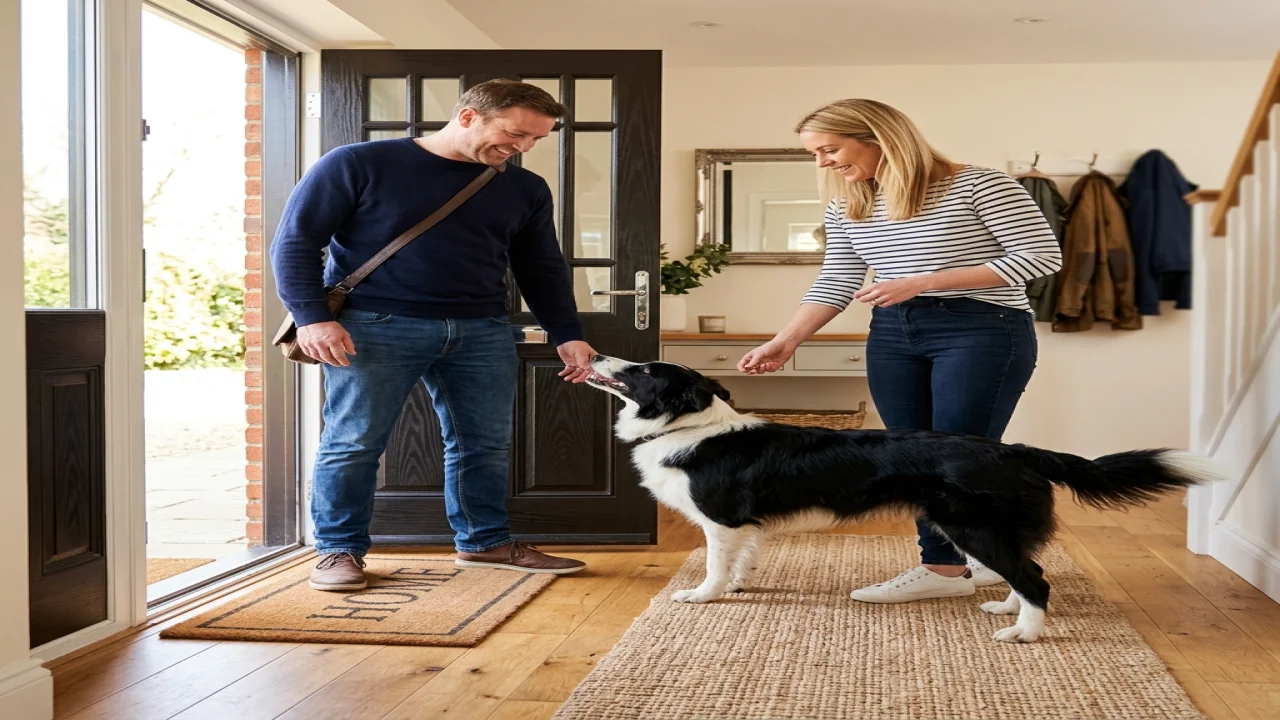
- Secure Your Property: Ensure your yard has a tall, sturdy fence with locked gates. Use baby gates or a separate room to keep your dog secure when guests visit.
- Manage Walks: Walk your dog during low-traffic hours, and maintain a wide distance from other dogs and pedestrians.
Step-by-Step Safety and Management Setup
To prevent escalations, follow this safety setup in your home:
- Step 1: Set Up Physical Barriers: The first step in managing aggression is to install sturdy baby gates or separate doors in your home to divide it into distinct safety zones. This prevents accidental encounters between your dog and visitors or children. Ensure your yard has a tall, locked fence to prevent escapes or territory defense.
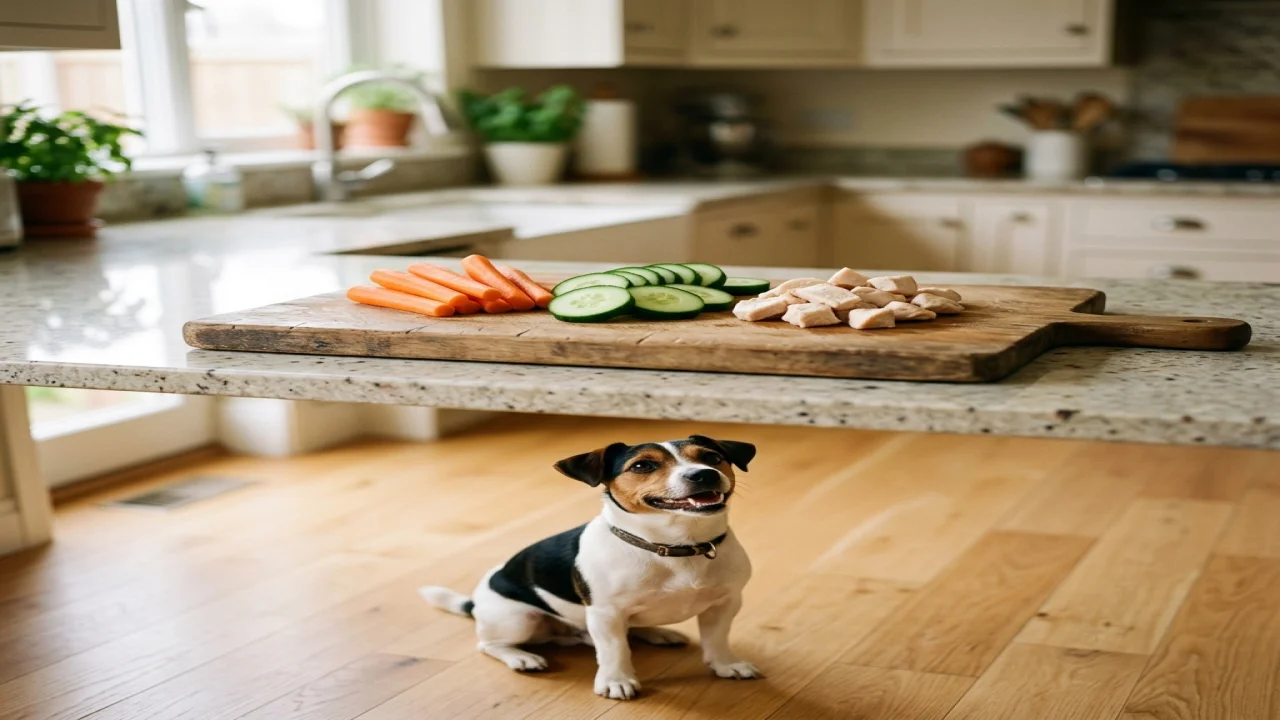
Keep a basket muzzle and treats ready. Muzzle training must be done slowly over weeks, rewarding your dog for putting their nose in voluntarily, so they associate it with positive outcomes.
- Step 2: Muzzle Acclimation: Place a treat inside the basket muzzle. Let your dog put their nose in voluntarily to get the treat. Repeat daily for weeks before fastening the straps.
- Step 3: Establish Safe Zones: Ensure your dog has a quiet room or crate where no one is allowed to bother them. Keep guests completely separated from this area.
- Step 4: Identify Threshold Distances: Learn how far away your dog must be from a trigger (like another dog) to remain calm. Always work at a distance greater than this threshold.
- Step 5: Call Vet for Examination: Schedule a veterinary check to rule out pain, hip issues, or thyroid dysfunction before starting behavioral training.
Common Mistakes to Avoid
Yelling and Physical Punishments: Yelling, hitting, or using choke, prong, or shock collars to stop a growl is dangerous. It increases the dog's stress and confirms that the trigger causes pain, worsening the aggression.
Forcing the Dog to "Face Their Fear": Forcing an aggressive or fearful dog into close proximity with their trigger (e.g., forcing them to let a stranger pet them) leads to defensive bites.Ignoring Early Warning Signs: Assuming a stiff body or whale eye is harmless. Ignoring these early signs pushes the dog to use louder signals, like biting.
When a Veterinarian Should Be Consulted
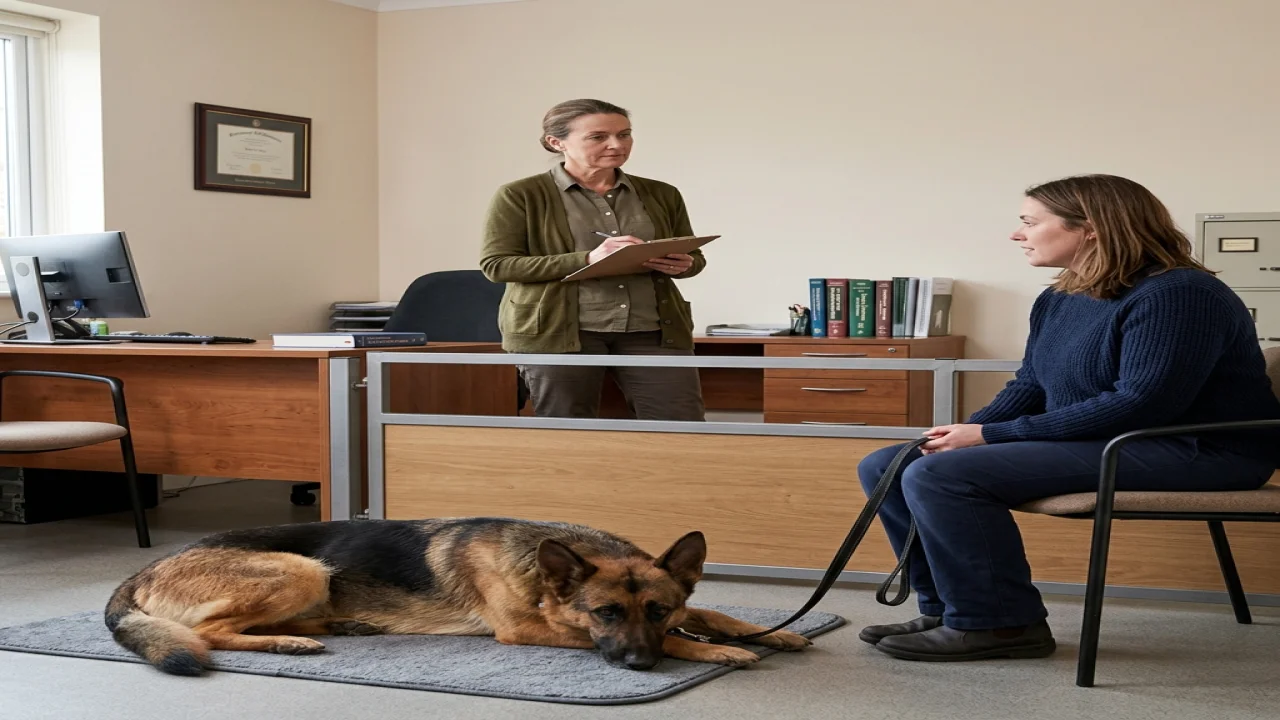
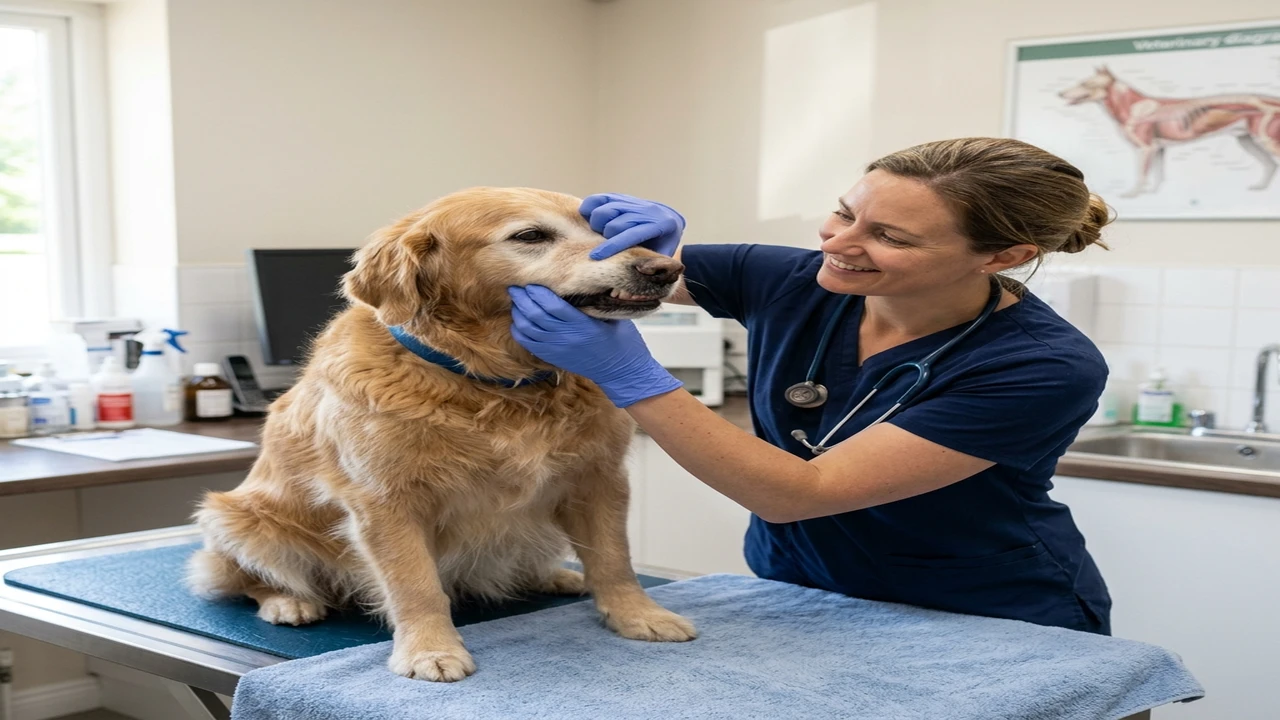
If your dog displays sudden aggression, a comprehensive veterinary evaluation is the first and most critical step. Pain from arthritis, hip dysplasia, dental issues, or ear infections is a common cause of sudden irritability and defensive biting. Your veterinarian can perform blood tests and orthopaedic checks to rule out these health issues, and discuss behavioral support options. Refer to preventive care for dogs for general health guidance.
Furthermore, chronic pain alters a dog's brain chemistry by keeping them in a constant state of low-grade stress. When a dog has been in pain for months, their cortisol levels remain permanently elevated, which leads to sleep deprivation and extreme irritability. Addressing this pain is not just a physical health requirement, but a foundational requirement for any successful behavioral modification plan.
A sudden change in behavior—such as a friendly dog suddenly snapping or growling when touched—is a strong indicator of physical pain or illness. Osteoarthritis, dental pain, ear infections, and thyroid disorders are common causes of sudden aggression. A thorough veterinary examination, including blood work and orthopedic checks, is mandatory to rule out or treat these medical conditions before behavioral training starts.
When a Qualified Behavior Professional Is Needed
Dog aggression is a serious issue that should never be handled alone. Seek the help of a qualified behavior professional. Look for a Board-Certified Veterinary Behaviorist (DACVB) or a Certified Applied Animal Behaviorist (CAAB), or a consultant certified by the International Association of Animal Behavior Consultants (IAABC). They will design a customized, force-free desensitization program and prioritize safety. Avoid trainers who guarantee results or use aversive tools, as these methods pose high bite risks.
This article provides general educational information and is not a substitute for individualized advice from a veterinarian or qualified behavior professional. Seek professional help if the behavior is sudden, severe, dangerous, or causing significant distress.
Sources and Further Reading
- American Veterinary Society of Animal Behavior (AVSAB) Position Statements
- International Association of Animal Behavior Consultants (IAABC)
- ASPCA: Understanding Dog Aggression
- RSPCA: Dog Behavior and Safety Advice
Conclusion
Aggression is a complex, distressing issue, but it is manageable once you understand it as a plea for space and safety. By recognizing warning signs, avoiding confrontational training, securing your environment, and working with qualified veterinary and behavioral professionals, you can protect your dog and your community.
Frequently Asked Questions about Dog Aggression
What's Your Reaction?
 Like
0
Like
0
 Dislike
0
Dislike
0
 Love
0
Love
0
 Funny
0
Funny
0
 Wow
0
Wow
0
 Sad
0
Sad
0
 Angry
0
Angry
0





Comments (0)