
Hearing and Vision Loss in Senior Dogs: How to Help
Learn how to support a senior dog experiencing hearing or vision loss. Recognize signs of sensory decline, make practical home adjustments, and build new ways to communicate.

Hearing and Vision Loss in Senior Dogs: How to Help
As dogs navigate their senior years, it is common for their sensory faculties to decline. Hearing loss and vision impairment are frequent developments in aging canines, often occurring gradually over months or years. While these changes can be challenging, most dogs adapt remarkably well to sensory decline because they rely heavily on their sense of smell. However, the transition requires patience, understanding, and proactive adjustments from their owners to keep them safe and confident.
It is crucial to understand that while gradual sensory decline is common, sudden vision or hearing loss is not a normal part of aging. Sudden sensory changes indicate a serious medical emergency—such as glaucoma, high blood pressure, or a severe infection—and require immediate veterinary attention. By recognizing the early signs of decline and adapting your home and communication methods, you can support your dog's independence. For general medical care guidelines, see preventive care for dogs.
Recognizing Signs of Sensory Decline
Because sensory decline is usually gradual, the signs can be subtle at first. Owners often mistake early hearing loss for stubbornness or "cognitive aging" until they notice a lack of reaction to loud noises.
- Signs of Hearing Loss: Not responding to verbal commands or their name, sleeping through doorbells or loud noises, barking more frequently or louder (as they cannot monitor their own volume), and being easily startled when touched from behind.
- Signs of Vision Loss: Bumping into furniture or walls, hesitating before stairs, having difficulty finding food bowls or toys, walking with their head held low, and showing reluctance to move in low-light conditions.
- Physical Eye Changes: Cloudiness in the pupil, redness, tearing, squinting, or a change in the pupil's size or reaction to light. While a bluish haze can be nuclear sclerosis, white cataracts or cloudiness require veterinary diagnosis.
Supportive Management for Blind and Deaf Dogs
Adapting your daily routines and communication methods helps sensory-impaired dogs feel secure and navigate their world without anxiety.
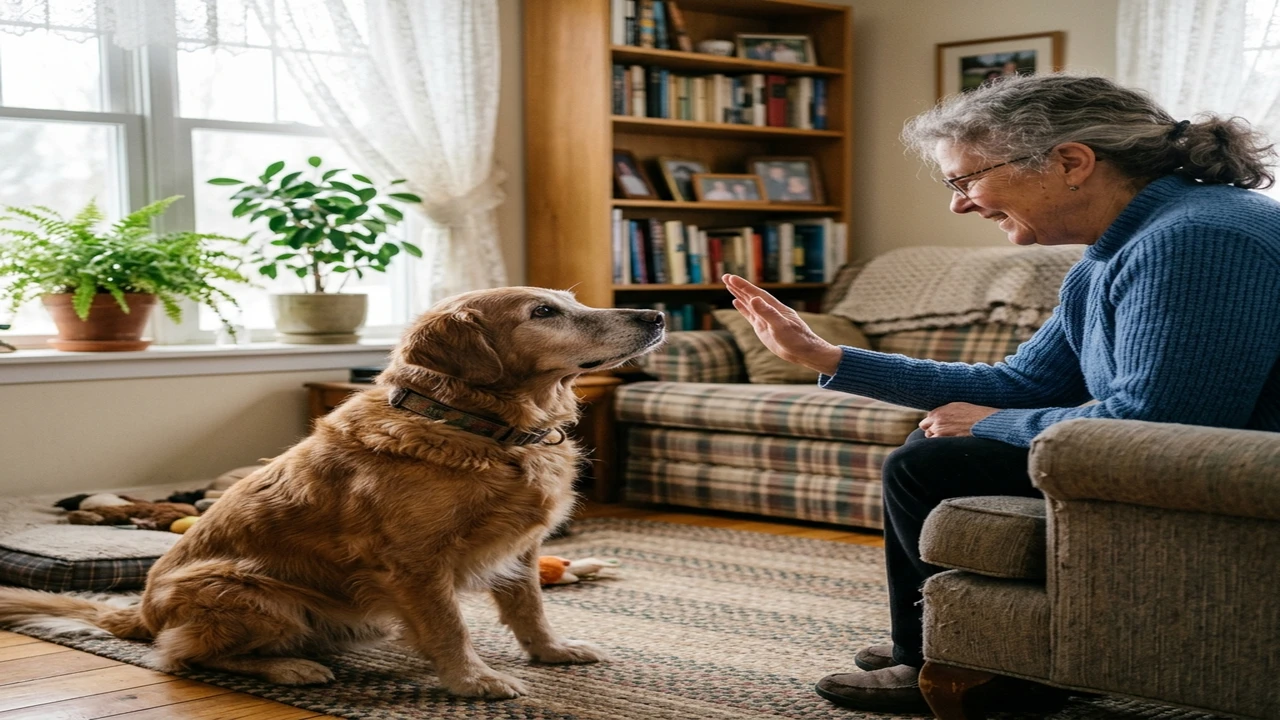
- Communicating with Deaf Dogs: Transition from verbal commands to clear hand signals. Use a distinct hand sign for basic commands, and always pair them with positive reinforcement. To gain their attention, you can gently stomp on the floor so they feel the vibration, use a flashlight beam, or use a vibrating collar.
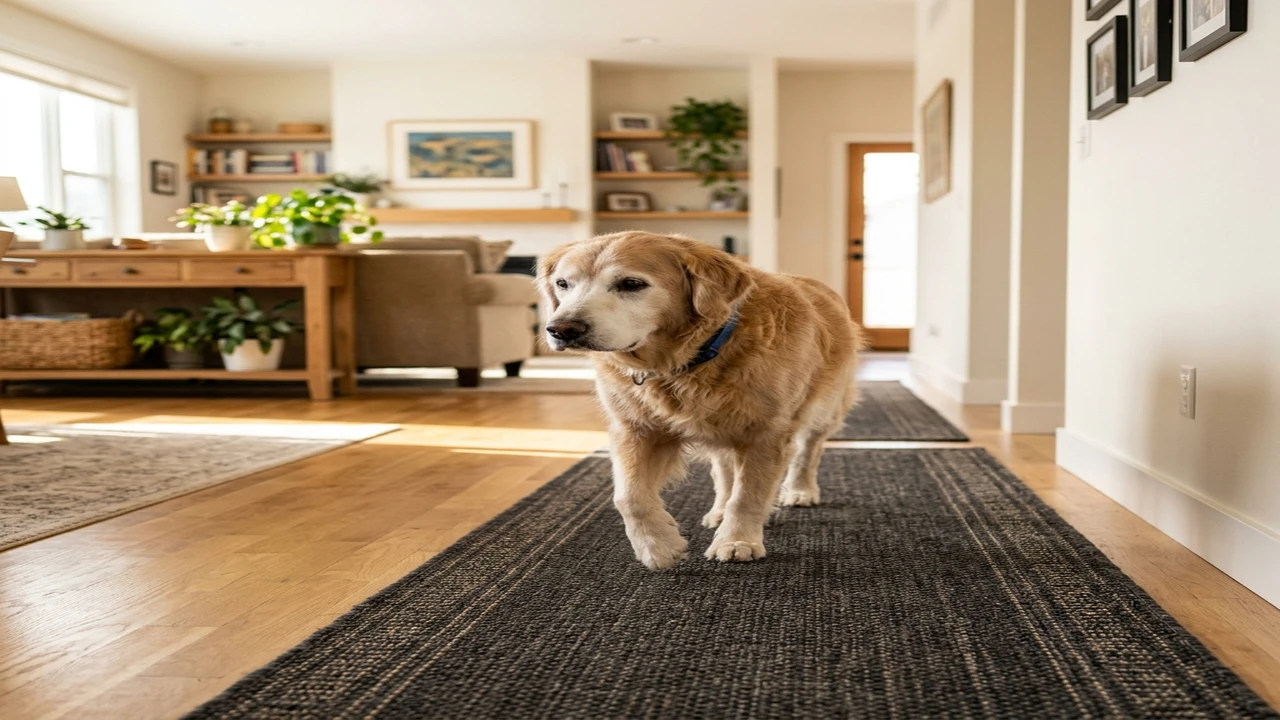
- Protecting Blind Dogs: Keep your furniture layout consistent to protect their mental map of the home. Place tactile markers—like rug runners of different textures—to designate pathways and indicate transitions to different rooms or doorways. Block off access to hazards like pools or balconies.
- Avoiding Startle Reactions: Always announce your presence before touching a sensory-impaired dog. Wake a sleeping deaf dog by placing your hand near their nose so they smell you, or gently touching their shoulder. Teach family members to touch them gently and predictably.
Veterinary Evaluation for Sensory Changes
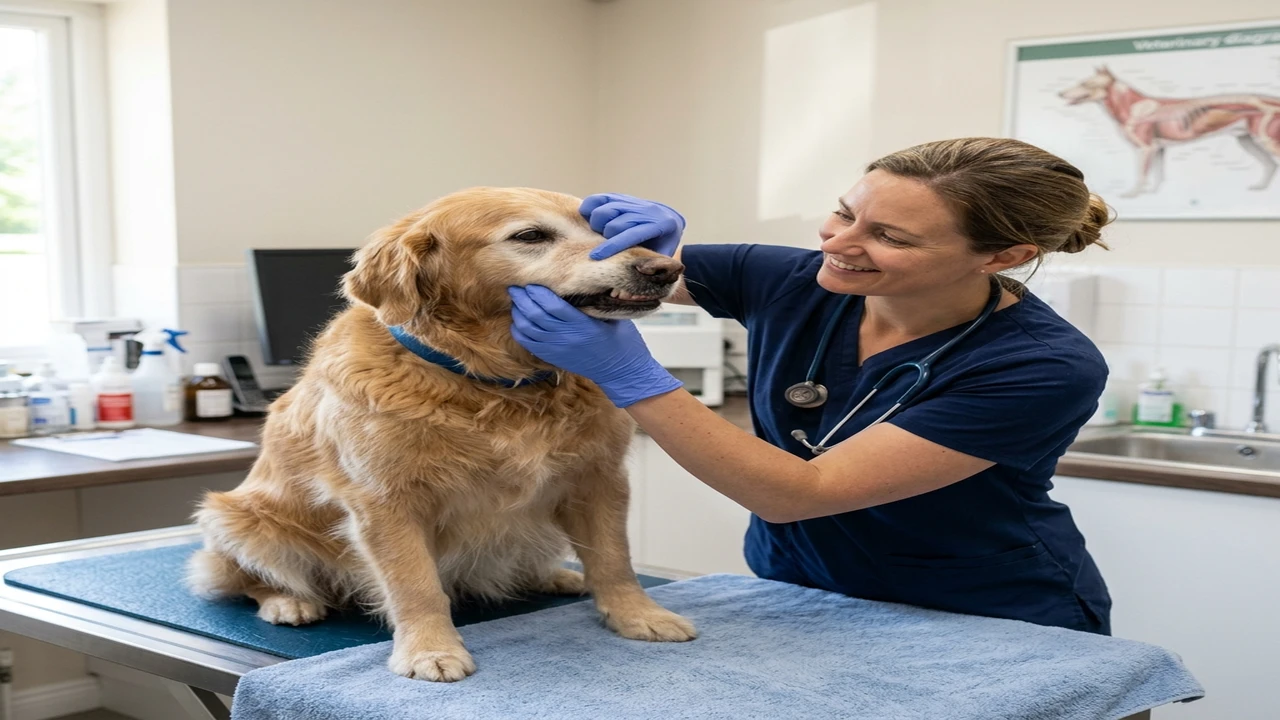
Any change in your dog's hearing or vision warrants a comprehensive veterinary exam to determine the underlying cause and ensure they are not in pain.
- Ophthalmic Exams: A veterinarian will measure intraocular pressure to rule out glaucoma (a painful condition caused by fluid buildup in the eye) and evaluate the retina and lens.
- Otoscopic Exams: The vet will inspect the ear canals to ensure hearing loss is not driven by chronic inner ear infections, ear mites, or ear canal polyps, which are treatable.
- Systemic Screening: High blood pressure (hypertension) is a common cause of sudden blindness in senior dogs. Regular blood pressure monitoring and bloodwork can detect conditions like kidney disease or Cushing's disease that contribute to sensory issues.
| Sensory Impairment | Common Signs | Practical Communication Adaptation | Safety Home Modification |
|---|---|---|---|
| Hearing Loss (Deafness) | Sleeping through noises, startled by touch, loud barking | Use distinct hand signals; stomp floor for vibrations | Announce presence with scent; wake gently by nose scent |
| Vision Loss (Blindness) | Bumping into walls, squinting, cloudy pupils, hesitant on stairs | Keep verbal cues consistent; guide with a leash indoors | Keep furniture in fixed layout; place textured rug runners |
The Pathophysiology of Canine Sensory Organs
The age-related decline of vision and hearing in dogs is driven by specific degenerative changes within the sensory organs. In the eyes, nuclear sclerosis (lenticular sclerosis) occurs as the fibers within the lens compress and harden over time, creating a classic bluish haze. While this does not cause blindness, it can reduce depth perception and light transmission. In contrast, cataracts involve a pathological alteration of lens proteins, leading to complete opacification of the lens, which blocks light from reaching the retina and causes blindness. Other age-related ocular issues include dry eye (keratoconjunctivitis sicca), glaucoma (elevated fluid pressure), and retinal degeneration, all of which require veterinary diagnosis.
In the ears, age-related hearing loss (presbycusis) is caused by the progressive degeneration of the delicate sensory hair cells within the cochlea and the auditory nerve pathways. Chronic exposure to loud noises, untreated ear infections, or toxins can accelerate this hair cell loss. Because the damage affects the inner ear, presbycusis is sensory-neural and irreversible. Understanding these specific pathophysiological changes helps veterinarians differentiate normal aging from painful or treatable diseases, ensuring that older dogs receive the correct medical support.
Visual Rehabilitation and Multi-Sensory Compensation Strategies
Helping a senior dog with sensory loss involves leveraging their remaining senses—specifically smell and touch—to compensate for their deficits.
- Scent-Marking the Environment: Use distinct, non-toxic scents (like diluted essential oils or pet-safe scents) to mark important locations in the home. Put a drop of vanilla scent near their water bowl and a lavender scent near the exit door. This helps blind dogs navigate using their acute sense of smell.
- Tactile Guiding Paths: Lay down textured mats or carpet runners leading to their favorite resting spots or food bowls. A change in floor texture under their paws tells them exactly where they are in the home. Use textured door mats to indicate thresholds leading outside.
- Visual Guiding and Safety: For dogs with remaining low-light vision, install high-contrast nightlights near pathways. Use a short leash during outdoor walks to guide them safely around obstacles, and use verbal warnings (like "step up" or "stop") to prepare them for changes in elevation.
Caring for a Blind Dog: Environmental Audits and Guiding Tactics
Caring for a blind dog requires proactive steps to secure their environment and build confidence. Conduct a thorough safety audit of your home: cushion sharp furniture corners, secure electrical cords, and install pet gates at staircases. Keep your furniture in a fixed layout to protect your dog's mental map of the home. Place textured mats or rug runners along common paths; the change in texture under their paws helps them know exactly where they are in the home. Place tactile markers near doorways leading outside, and keep pathways clear of clutter.
When walking outdoors, keep your blind dog on a short leash and use vocal warnings (like "step up," "step down," or "stop") to prepare them for changes in elevation or obstacles. You can also use a lightweight device called a "blind dog halo," which attaches to a harness and extends a flexible ring around the dog's head, alerting them to walls or furniture before making physical contact. Patience and consistent routines are essential for helping a blind dog navigate their world safely and without anxiety.
Supporting a Deaf Dog: Touch-Signals and Vibration Training
Supporting a deaf dog involves transitioning from verbal commands to clear hand signals and tactile communication. Use distinct hand gestures for basic commands (like sit, stay, or come), and always reward your dog with high-value treats to build a positive association. To gain their attention from a distance, stomp on the floor so they feel the vibration, use a flashlight beam at night, or use a collar that vibrates (never a shock collar). Pair the vibration signal with high-value treats to build a reliable recall.
To prevent startling your deaf dog, always announce your presence before touching them. Wake a sleeping deaf dog by placing your hand near their nose so they smell you, or gently touching their shoulder. Teach family members and visitors to touch them gently and predictably. By building these new communication habits, you reduce your dog's startle reactions, prevent anxiety, and ensure they remain responsive and connected to their family.
Communication Audit and Adaptive Safety Checklist
To support a senior dog with vision or hearing loss, owners should conduct a communication audit and implement this adaptive safety checklist:
- Sign Language Training: For deaf dogs, transition commands to visual hand signals. Keep signals distinct and consistent. Use flashlight beams or floor vibrations to get their attention without startling them.
- Predictable Touch Cues: Always touch your dog gently in the same location (like the shoulder) to announce your presence. Avoid touching a sensory-impaired dog from behind when they are sleeping or eating.
- Textured Guiding Paths: Lay down rugs with different textures along pathways to help blind dogs navigate using the tactile feel under their paws. Put textured mats near exits and food stations.
- Safety Boundary Checks: Audit your yard for drops, pools, or sharp plants. Never leave a visually impaired dog outside unsupervised, and use a short leash on walks to guide them around obstacles.
Sensory Loss Support and Collaborative Veterinary Monitoring
Supporting a senior dog experiencing hearing or vision loss requires active, collaborative monitoring with your veterinary clinic. Sensory decline can develop gradually, and regular veterinary checkups are essential for differentiating normal aging from treatable medical conditions. During senior wellness exams, ensure your veterinarian performs a thorough ophthalmic and otoscopic exam, including blood pressure monitoring, to rule out systemic hypertension, glaucoma, or chronic ear infections.
Coordinate closely with your veterinary team to discuss adaptive aids, behavioral training cues, and lifestyle adjustments. If your dog shows signs of stress or disorientation, your vet can recommend specialized supplements or refer you to a veterinary behaviorist. This supportive collaboration ensures your sensory-impaired senior dog remains safe, comfortable, and confident in their everyday life.
Psychological Adaptation to Progressive Sensory Decline
Progressive loss of vision or hearing requires a psychological adaptation period for both the senior dog and their owner. As sensory inputs diminish, dogs rely more heavily on their sense of smell and touch to navigate and understand their environment. During this transition, they may experience temporary periods of confusion, increased clinginess, or startle reactions to sudden movements or touch.
Support your dog's psychological adaptation by establishing predictable touch cues and maintaining consistent daily schedules. Avoid startling them by waking them gently with scent cues, and teach family members to touch them predictably. By creating a secure, predictable routine, you help your senior dog adapt to sensory loss with confidence, ensuring they remain active and happy participants in family life.
Monitoring Vital Health Trends and Veterinary Clinic Communication
Tracking vital health trends, such as weekly body weight, resting respiration rate, and daily water consumption, is critical for senior dogs. A sudden change in weight or hydration levels can be the first indicator of subclinical metabolic changes, indicating it is time to coordinate with your vet clinic. Maintain a clear, chronological record of these markers to share during checkups, allowing for proactive, individualized care adjustments.
[!IMPORTANT]Medical Disclaimer: This article provides general educational information and does not replace an examination, diagnosis or treatment plan from a licensed veterinarian. Contact your veterinarian about new or worsening changes in your senior dog.
Sources and Further Reading
- American College of Veterinary Ophthalmologists (ACVO) - Common Senior Dog Eye Diseases.
- Veterinary Clinics of North America - Sensory Impairment in the Geriatric Dog.
- Journal of the American Animal Hospital Association (JAAHA) - Blind and Deaf Pet Management.
- Cornell University College of Veterinary Medicine - Senior Canine Vision and Auditory Health.
Hearing and Vision Loss FAQ
What's Your Reaction?
 Like
0
Like
0
 Dislike
0
Dislike
0
 Love
0
Love
0
 Funny
0
Funny
0
 Wow
0
Wow
0
 Sad
0
Sad
0
 Angry
0
Angry
0


Comments (0)