
Dog Bowls and Slow Feeders: Materials, Sizes and Selection
A comprehensive veterinary guide to dog bowls and slow feeders. Compare stainless steel, ceramic, plastic, and silicone materials, and learn how slow feeders prevent bloat.

Dog Bowls and Slow Feeders: Materials, Sizes and Selection
Every day, your dog interacts with their food and water bowls. While it is easy to view these items as simple household containers, the materials and design of your dog's bowls can have a major impact on their long-term health. Using the wrong bowl can lead to bacterial infections, skin allergies, and even life-threatening digestive conditions. Additionally, the speed at which your dog consumes their meals is a critical factor in their digestive health.
For dogs that eat too quickly—a common behavior driven by instinct or resource guarding—standard open bowls can contribute to choking, vomiting, and gastric bloat. Selecting the right feeding gear requires evaluating the safety of the materials, the physical build of your dog, and their eating style. In this guide, we will examine the pros and cons of different bowl materials, explain the veterinary science behind slow feeders, and provide selection criteria. For diet selection and portions, read how to choose the best dog food and how much should I feed my dog.
The Hygiene and Safety of Bowl Materials
Dog bowls are made of several common materials, but they are not created equal when it comes to hygiene and safety. Let's evaluate the most common options:
1. Stainless Steel
Stainless steel is widely recommended by veterinarians as the safest and most hygienic material for pet bowls.
- Pros: It is highly durable, rust-free, non-porous, and scratch-resistant. Because the surface is smooth, bacteria cannot hide in microscopic crevices. It is easy to clean, dishwasher-safe, and will last a lifetime. Look for bowls labeled as "food-grade 304 stainless steel" to ensure heavy metals do not leach into the water.
- Cons: They can be noisy if your dog wears tags that clink against the metal. Some models can slide across the floor unless they feature a non-slip silicone base.
2. Ceramic
Ceramic bowls are heavy, making them stable and difficult for dogs to tip over or push around.
- Pros: Aesthetically pleasing, heavy, and dishwasher-safe. They are excellent for dogs that like to carry their bowls around.
- Cons: Ceramic is fragile and can easily chip or crack. Even hairline cracks can harbor bacteria that are impossible to wash out. Additionally, cheap decorative ceramic bowls may use glazes containing lead or other heavy metals, which can leach into the food. Only use certified lead-free, food-grade ceramics. Discard the bowl immediately if it chips.
3. Plastic
Plastic dog bowls are inexpensive, lightweight, and virtually unbreakable. However, they pose the highest health risks.
- Pros: Cheap, come in many colors and shapes, and won't break if dropped.
- Cons: Plastic is a soft material that is easily scratched by kibble, teeth, or abrasive washing pads. These tiny scratches harbor bacteria and biofilm that are extremely difficult to sanitize. When a dog eats, their chin rubs against this bacteria, leading to a condition called canine acne or folliculitis. Many plastics also contain chemical plasticizers like BPA or phthalates, which can disrupt hormones.
4. Food-Grade Silicone
Silicone is commonly used for collapsible travel bowls.
- Pros: Extremely flexible, lightweight, and easy to pack. High-quality food-grade silicone is non-toxic, heat-resistant, and easy to clean.
- Cons: Not durable enough for everyday home use, as determined chewers can easily tear and swallow pieces of the silicone. They should only be used for travel and stored safely after use. For puppy travel gear, check our guide on puppy feeding guide.
| Bowl Material | Bacterial Resistance | Durability | Best Use Case | Risks |
|---|---|---|---|---|
| Stainless Steel | High (non-porous) | High (indestructible) | Everyday water and food | Noise, sliding (without rubber base) |
| Glazed Ceramic | Medium (poor if chipped) | Low (can crack) | Heavy, stable home use | Lead glazes, chips harbor bacteria |
| Plastic | Low (scratches easily) | Medium (bite damage) | Temporary use | Canine acne, chemical leaching |
| Silicone | High | Medium (tearable) | Travel, hiking, portability | Chewing hazard if left alone |
The Veterinary Science of Slow Feeders
For dogs that swallow their meals in seconds, eating is not just a bad habit—it is a physical hazard. When a dog "inhales" their food, they also swallow large quantities of air, a condition known as aerophagia. This leads to gas, vomiting, and increases the risk of a life-threatening emergency called Gastric Dilatation-Volvulus (GDV), commonly known as bloat.
In GDV, the dog's stomach fills with gas and twists on its axis, cutting off blood flow to the stomach and heart. GDV is rapidly fatal without emergency surgery. Large, deep-chested breeds (like Great Danes, German Shepherds, and Standard Poodles) are genetically prone to bloat, but eating too fast is a major environmental trigger for all breeds.
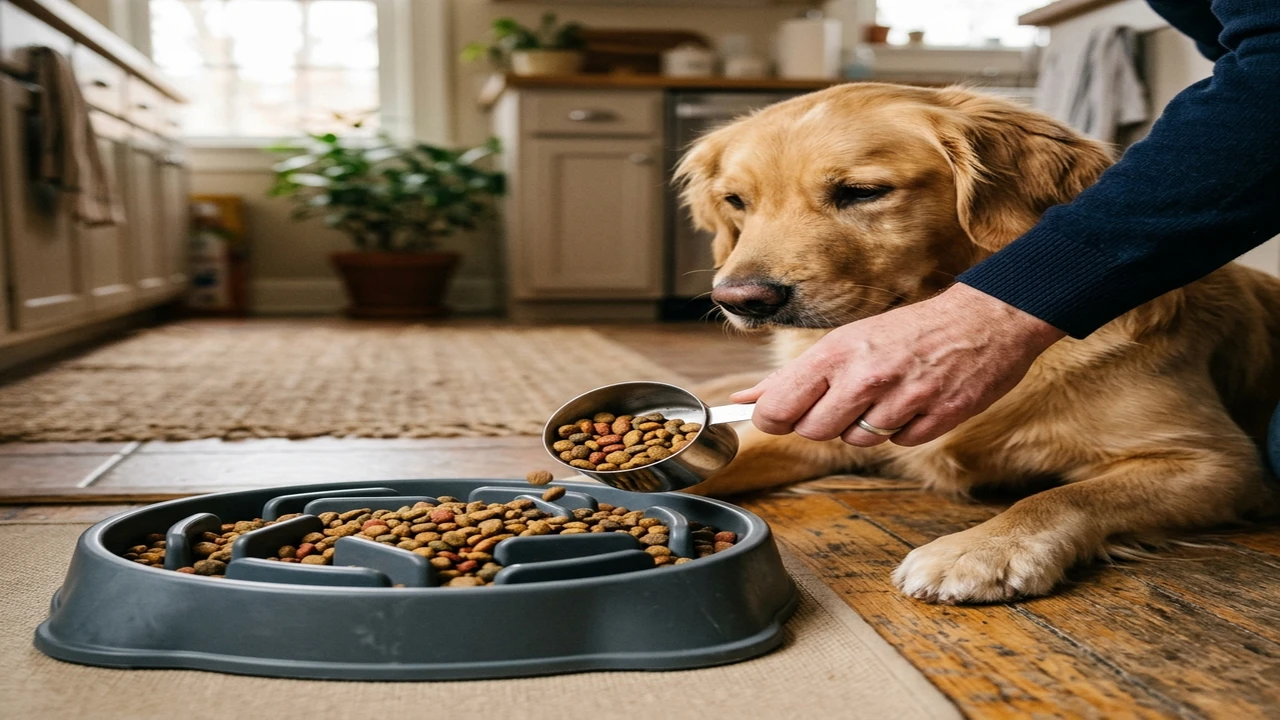
Slow-feeder bowls feature internal ridges, mazes, or bumps that divide the food into small pockets. The dog must use their tongue and muzzle to navigate around the barriers, preventing them from taking large gulps of kibble. Studies show that a slow-feeder bowl can increase a dog's eating time from under 30 seconds to over 5 to 10 minutes. This slow pace allows their digestive system to signal fullness to the brain, reduces gas, and turns mealtime into a fun, mentally stimulating puzzle. For general safety, refer to preventive care for dogs.
Choosing the Right Slow Feeder for Your Dog
Not all slow feeders work for all dogs. Consider your dog's physical structure:
- Brachycephalic (Flat-Faced) Breeds: French Bulldogs, Pugs, and Boxers have flat faces and cannot reach the bottom of deep, narrow mazes. Giving them a deep slow feeder will cause extreme frustration and can injure their muzzles. Choose shallow slow-feeder bowls with wide, rounded bumps.
- Long-Nosed Breeds: Greyhounds, Collies, and Dachshunds can easily reach into narrow crevices. They need deeper, more complex maze patterns to effectively slow down their eating.
- Food Type: If you feed raw or canned wet food, choose silicone or stainless-steel slow feeders that are easy to sanitize. Plastic mazes can be difficult to clean, leaving dried food residue in the corners that breeds bacteria.
Practical Feeding Gear Checklist
- [ ] Confirmed bowl material is 304 food-grade stainless steel or lead-free ceramic
- [ ] Selected a bowl size that comfortably holds double the meal portion
- [ ] Chosen a Y-pattern or maze slow feeder for long-nosed dogs to slow down gulpers
- [ ] Selected a shallow, wide-ridged slow feeder for flat-faced breeds
- [ ] Checked for a durable, non-slip rubber or silicone rim on the base
- [ ] Verified that plastic bowls are replaced immediately if scratched
- [ ] Inspected ceramic bowls for hairline cracks or chips before washing
The Physiology of Canine Digestion and Aerophagia
Canine digestion begins in the mouth, but unlike humans, dogs do not have digestive enzymes in their saliva. Their saliva is designed solely to lubricate food so it can slide down the esophagus. Dogs are evolutionary gulpsters; their jaw structure is designed to tear and swallow chunks of meat quickly. When a dog eats dry kibble from a standard open bowl at high speed, they swallow significant amounts of air, a physiological condition called aerophagia. This air accumulates in the stomach, causing immediate flatulence, acid reflux, and discomfort. In severe cases, the gas expansion triggers Gastric Dilatation-Volvulus (GDV), where the stomach twists, cutting off the blood supply. For dietary selection, see how to choose the best dog food.
Using a slow feeder forces the dog to take small, measured bites and chew their food. Chewing stimulates the production of saliva, which coats the kibble and makes it easier to digest in the stomach. It also slows down the passage of food into the duodenum, allowing digestive enzymes to break down nutrients efficiently. For portion control and feeding guidelines, read how much should I feed my dog.
Sanitization Standards: Biofilm and Bacterial Control
Even if a dog bowl looks clean, it can be covered in a sticky layer called biofilm. Biofilm is a collection of organic matter and bacteria (such as Salmonella, E. coli, and Listeria) that bind together and stick to the surface of the bowl. When your dog drinks or eats, they ingest this bacteria, which can cause gastrointestinal distress, vomiting, and dental plaque. Biofilm is particularly resistant to simple rinsing and requires physical scrubbing to remove. For general health safety, read preventive care for dogs.
To maintain proper sanitization:
- Wash food and water bowls daily with hot water and mild dish soap, or run them through a dishwasher on a sanitize cycle.
- Avoid plastic bowls, as microscopic scratches cannot be reached by sponges, leaving bacteria to multiply inside the plastic.
- Sanitize slow-feeder bowls using a bottle brush or soft toothbrush to clean all the internal corners of the maze, where food residue accumulates.
Elevated Feeders and Gastric Dilatation-Volvulus (GDV) Risks
Elevated bowls are often recommended for large, tall, or arthritic dogs to reduce strain on their neck, spine, and forelimbs while eating. By bringing the food closer to the mouth, the dog does not need to bend down as far, which can make eating far more comfortable. However, owners of large and giant breeds (such as Great Danes, Standard Poodles, Saint Bernards, and German Shepherds) must be aware of a critical safety trade-off. Veterinary studies, including a major epidemiological study by Purdue University, have shown that using elevated feeders significantly increases the risk of Gastric Dilatation-Volvulus (GDV)—commonly known as bloat—in breeds predisposed to the condition.
GDV is a life-threatening medical emergency where the stomach fills with gas and twists on its axis, trapping gas and cutting off blood flow to vital organs. The mechanism of how elevated feeders increase GDV is not fully understood, but it is believed that eating from an elevated position alters the swallowing angle, causing the dog to gulp more air. Therefore, for large or deep-chested breeds, it is often safer to feed them at ground level using slow feeders, unless a veterinarian specifically directs you to use an elevated stand for a specific orthopedic issue. If your dog exhibits signs of distress, pacing, or unproductive retching after eating, contact an emergency veterinarian immediately; see dog health emergency warning signs.
Material Safety: Ceramic Lead and Micro-Fracture Hazards
When selecting the material for your dog's bowl, safety goes beyond chemical leachates like BPA. Ceramic bowls are popular because they are heavy, stable, and come in attractive designs. However, they present two major safety hazards. First, cheap or imported ceramic pet bowls may be glazed with finishes that contain lead or cadmium. Over time, as the glaze wears down or is washed, lead can leach into the dog's food or water, leading to chronic lead poisoning, which causes neurological symptoms and kidney damage. Always choose ceramic bowls certified as lead-free and food-grade.
Second, ceramic is prone to cracking and chipping. Even a microscopic fracture in the glaze creates a porous surface that traps moisture, organic food particles, and bacteria, making proper sanitation impossible. Furthermore, sharp chipped edges can cause painful cuts to your dog's tongue, muzzle, or gums. If you choose ceramic, inspect it daily for any damage and discard the bowl immediately if any cracks appear. Stainless steel remains the gold standard for safety and durability.
Micro-Biome and Bacterial Resistance in Food Contact Areas
The organic residue left behind after a dog eats provides an ideal growth medium for bacterial colonies. If bowls are not washed daily, these bacteria form a protective matrix called a biofilm, which is highly resistant to simple rinsing. This biofilm can harbor pathogens like Salmonella, Listeria, and E. coli, which not only threaten your dog's gastrointestinal health but can also be transmitted to human family members, especially children or immunocompromised individuals. Regular scrubbing with hot, soapy water is mandatory to disrupt the biofilm. For preventive sanitation guidelines, refer to preventive care for dogs.
Standard Maintenance and Storage Tips
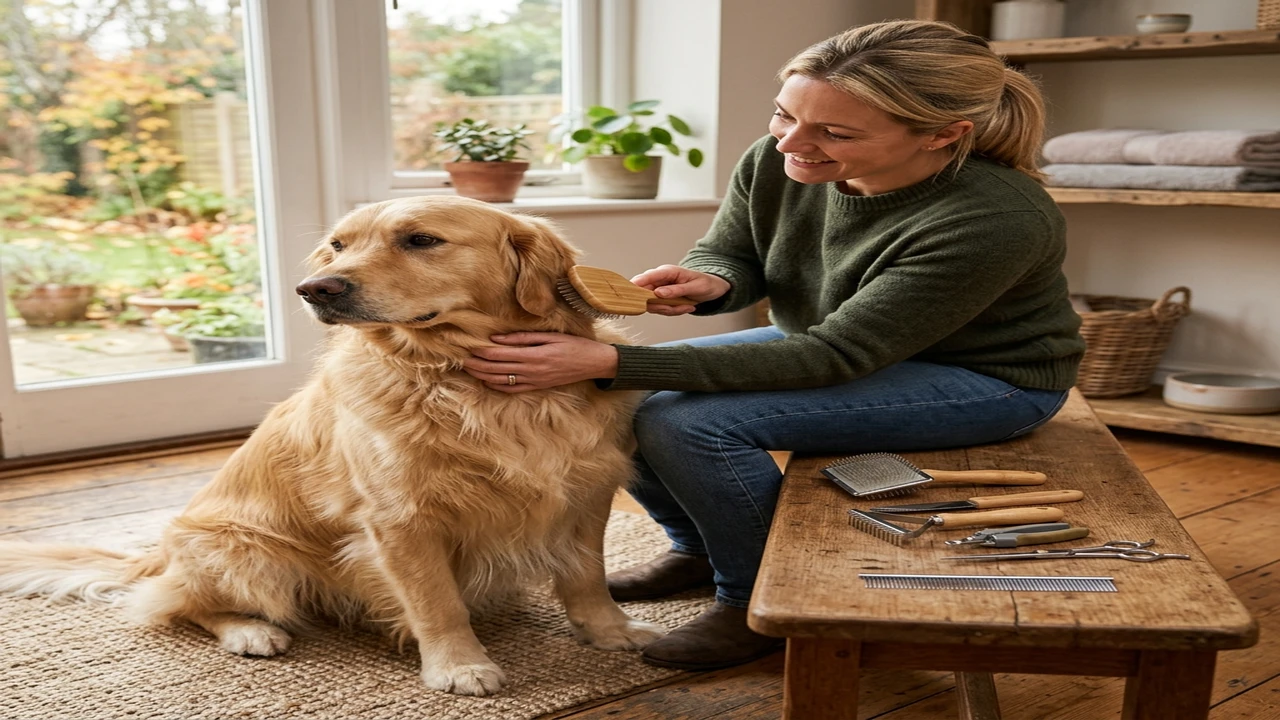
Proper sanitization of your dog's bowls and slow feeders is critical to prevent bacterial infections in your pet and family. Wash food and water bowls daily with hot water and a mild, pet-safe dish soap. Slow feeders, with their complex maze designs, require extra care; use a dedicated bottle brush or clean toothbrush to scrub inside all the crevices where wet food or kibble dust can collect. Stainless steel and high-quality ceramic bowls can also be sanitized in a dishwasher on a hot cycle.
Inspect ceramic bowls regularly for glaze cracks and discard them immediately if any damage is found. When traveling, store dry bowls in clean bags and avoid leaving food in them for extended periods outdoors, as it attracts insects and pests. Keeping water bowls clean prevents the buildup of green algae in summer. Maintaining clean feeding gear is a key aspect of pet hygiene; refer to preventive care for dogs for health maintenance advice.
Conclusion
The bowls you choose for your dog are the foundation of their daily health. Opting for non-porous, bacteria-resistant materials like stainless steel protects your pet from skin infections and chemical exposure. For fast eaters, integrating a slow-feeder bowl is a simple, life-saving measure that prevents gastric bloat and improves digestion. Choose gear designed for your dog's specific facial structure and clean it daily to maintain optimal hygiene.
Sources consulted: American College of Veterinary Surgeons (ACVS) bloat studies, American Veterinary Medical Association (AVMA) safety releases, and veterinary dermatology research on canine acne. Verified on June 18, 2026.
Dog Bowls and Slow Feeders FAQ
What's Your Reaction?
 Like
0
Like
0
 Dislike
0
Dislike
0
 Love
0
Love
0
 Funny
0
Funny
0
 Wow
0
Wow
0
 Sad
0
Sad
0
 Angry
0
Angry
0








Comments (0)