
How to Make Your Home Safer for a Senior Dog
Make your home safe for your aging dog. Learn about flooring traction, furniture access, lighting modifications, elevated feeding setups, and blocking hazards.

How to Make Your Home Safer for a Senior Dog
Our homes are designed for human convenience, but they can present significant hazards for an aging dog. As dogs grow older, they experience physical changes—such as muscle loss, joint stiffness, sensory decline, and reduced balance—that make navigating everyday environments difficult and stressful. A home layout that was perfectly safe for a young, agile dog can become a source of anxiety, slipping, and physical injury for a senior pet.
Making your home senior-friendly does not require expensive remodeling. Instead, it involves simple, practical, and low-cost modifications to improve traction, adjust lighting, make resting spots accessible, and eliminate safety hazards. By adapting your living space, you can preserve your dog's independence, prevent painful injuries, and support their overall quality of life. For preventive medical guidelines, see preventive care for dogs.
Improving Flooring Traction to Prevent Falls
The single most common hazard for senior dogs is slippery flooring, such as hardwood, laminate, vinyl, or tile.
- The Hazard of Slippery Floors: When a senior dog with joint weakness attempts to walk on a smooth floor, their paws splay outward, leading to joint strain, muscle pulls, or panic. The fear of slipping can also make them reluctant to stand up or walk to their food bowls.
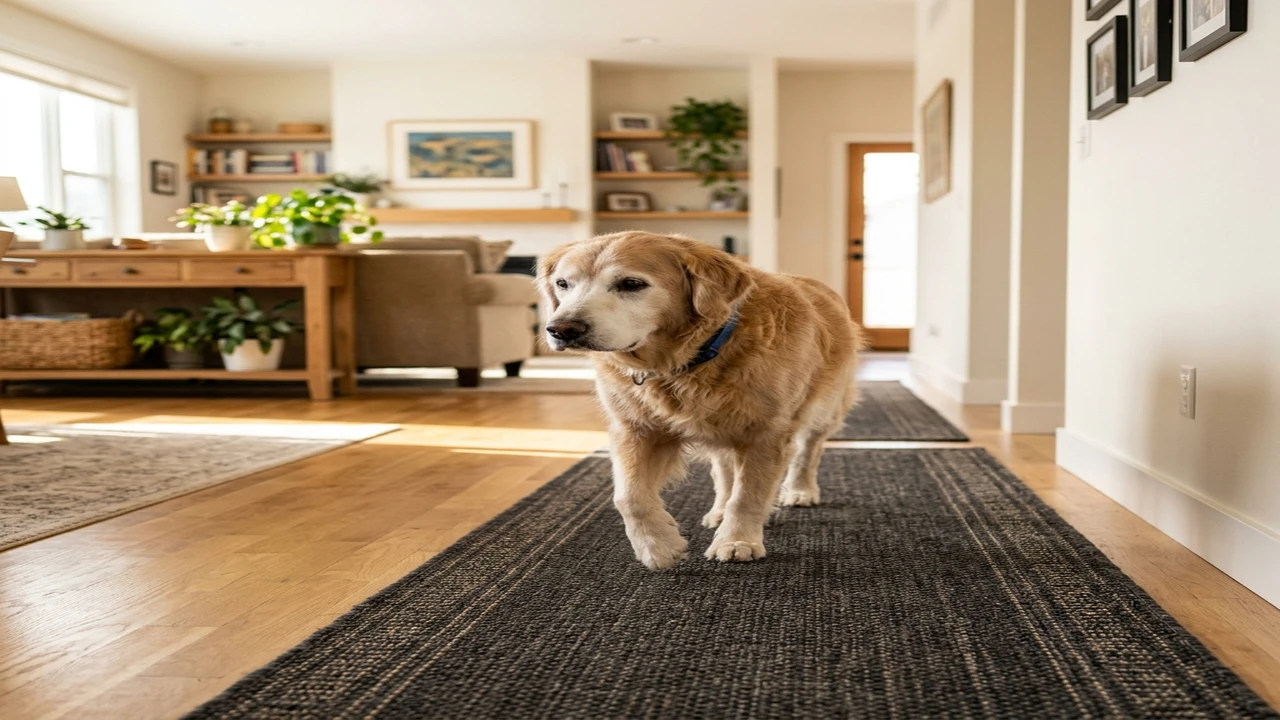
- Creating Grip Highways: Place rubber-backed rugs, runners, or interlocking foam mats along your dog's common walking paths. Ensure these mats are secured to the floor and do not slide when stepped on. Focus on pathways between their bed, food station, and exit doors.
- Alternative Solutions: If rugs are not practical, you can use dog socks with silicone grip treads, or apply non-toxic adhesive traction pads directly to their paw pads. Regularly trim the hair between their paw pads and keep their nails short to improve their natural grip. For managing behavioral changes related to slipping, see how to train a dog.
Making Eating and Resting Areas Accessible
Senior dogs spend a significant portion of their day sleeping and eating, and these activities should be as strain-free as possible.
- Orthopedic Feeder Setups: Bending down to eat from a ground-level bowl places significant strain on an arthritic dog's neck, spine, and front legs. Using an elevated feeder stand brings the bowls to their chest height, allowing them to eat in a comfortable, neutral posture. Consult your vet before using elevated stands for deep-chested breeds.
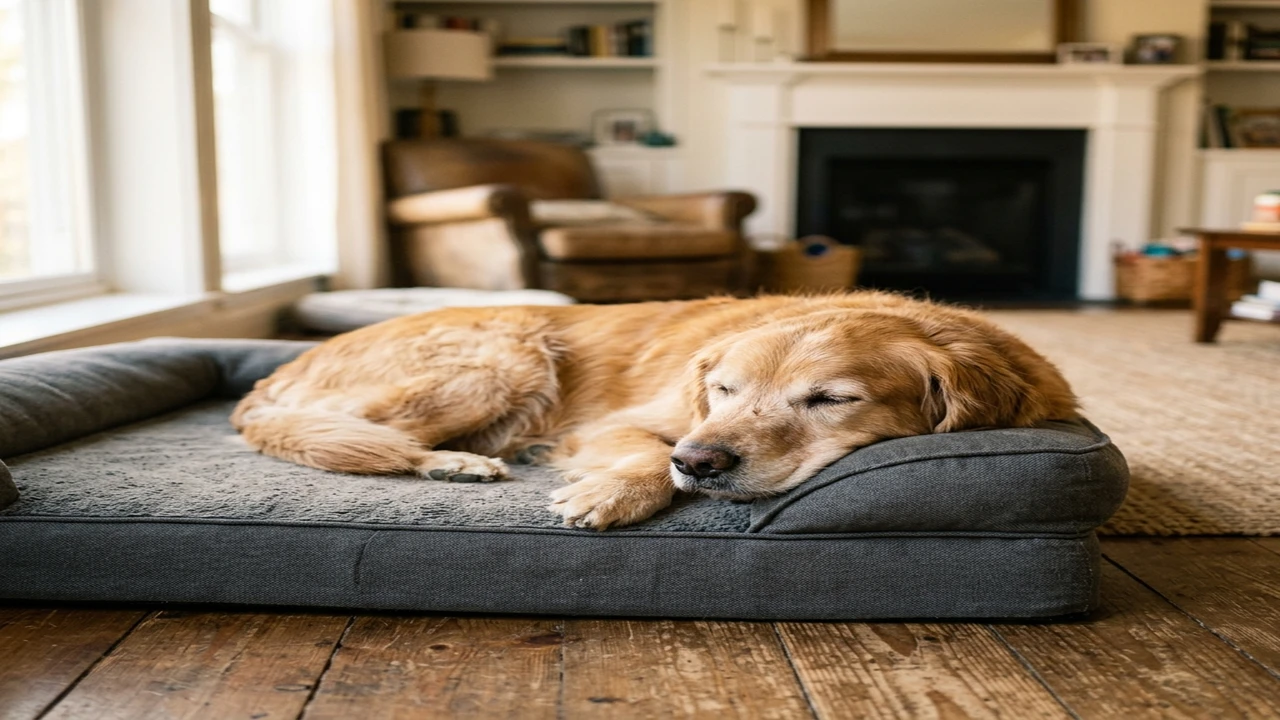
- Orthopedic Bed Placement: Ensure your dog has supportive orthopedic memory foam beds in their favorite resting spots. Place beds away from cold drafts, air vents, and busy household pathways where they might be disturbed. For joint nutritional support, see senior dog nutrition.
- Furniture Access: If your dog is allowed on the bed or sofa, use wide, stable ramps with a high-traction surface rather than steep pet stairs. Block access to furniture when unsupervised if they are prone to jumping off and injuring themselves.
Lighting and Blocking Safety Hazards
Aging eyes are less efficient at adapting to changing light levels, and senior dogs often suffer from night blindness or disorientation.
- Night Lighting: Place nightlights near your dog's sleeping, eating, and bathroom exit areas. This helps them navigate in the dark, reducing night-time pacing and confusion caused by cognitive decline.
- Blocking Staircases: Use baby gates or pet barriers to block unsupervised access to stairs. A senior dog with arthritis, vision decline, or cognitive changes can easily misstep and suffer a catastrophic fall.
- Clear Pathways: Keep common walking paths free of household clutter, electrical cords, and children's toys. This is particularly important for dogs with sensory loss who rely on predictable pathways to move around.
| Home Area | Potential Hazard | Practical Modification | Immediate Benefit |
|---|---|---|---|
| Hallways / Living Rooms | Slippery hardwood, laminate, or tile floors | Lay down rubber-backed rug runners | Provides traction; prevents joint strains and falls |
| Staircases | Accidental falls due to missteps or weakness | Install baby gates at the top and bottom | Eliminates risk of catastrophic falls |
| Feeding Station | Neck and spine strain from ground bowls | Use elevated feeder stands (vetted by vet) | Relieves pressure on front limbs and neck |
| Bedroom / Living Room | Jumping off high beds or sofas | Place secure ramps or landing mats | Eliminates high-impact landings on joints |
The Biomechanics of Slipping and Orthopedic Micro-Trauma
Slipping on smooth floors causes significant, repetitive physical stress to a senior dog's musculoskeletal system. When a dog's paws slide outward, the joint capsule, surrounding ligaments, and muscles undergo sudden, uncontrolled stretching. For a dog with existing osteoarthritis, this sudden instability triggers acute pain and micro-trauma within the joint, accelerating cartilage wear. Additionally, to prevent falling, the dog must engage in rapid compensatory muscle contractions, leading to chronic muscle strains, spasms, and soreness, particularly in the lower back, neck, and pelvic limbs.
The biomechanical strain is especially severe during transitions—specifically when standing up from a lying position or when slowing down during walking. Without adequate traction, the dog's limbs splay, requiring excessive effort to stand, which can discourage them from moving to drink or eat. Over time, this fear of slipping causes behavioral changes, including anxiety, reluctance to leave carpeted areas, and muscle atrophy due to self-imposed inactivity. Providing non-slip paths is a medical necessity for preserving joint function and muscle mass.
Systematic Home Modification Audits and Implementations
To create a safe home environment, owners should conduct a systematic audit of their living spaces from a dog's perspective.
- Traction Audits: Identify all smooth surfaces along your dog's daily paths. Place high-traction rug runners with heavy-duty rubber backings that prevent the rugs themselves from sliding. Interlocking EVA foam mats are excellent, cheap alternatives for covering larger areas.
- Staircase Audits: Check all indoor and outdoor steps. Install sturdy pet gates at the top and bottom of staircases. If your dog must navigate a short step to go outside, install a wide ramp with a slope no steeper than a 1:4 ratio, covered in non-slip grip tape or turf.
- Feeder and Bed Audits: Place non-slip mats under food and water bowls, and ensure they are elevated to chest height if recommended. Orthopedic beds should have a low entry point so the dog does not have to step over a high bolster, which can trip an arthritic animal.
Adapting Outdoor Spaces, Patios, and Yard Entrances
Home safety modifications should extend to the outdoor areas where senior dogs spend time. Navigating outdoor entrances, patios, and grass lawns can present significant challenges for dogs with mobility or vision loss.
- Entrances and Steps: If your dog must navigate steps to access the yard, install a wide ramp with a low slope. Cover the ramp with textured outdoor turf or heavy-duty grip tape to ensure traction during wet weather.
- Patio and Deck Flooring: Smooth concrete, wood decks, and stone patios can be very slippery when wet. Lay down outdoor rubber mats or non-slip runners along their common pathways to prevent falls.
- Yard Safety: Inspect your fence line for gaps or hazards, and block access to garden beds, deep holes, or steep drops. If you have a pool, install a safety fence to prevent accidental falls, as blind or cognitive-impaired dogs can easily wander into the water.
Sensory Cue Optimization for Visually and Hearing Impaired Dogs
For dogs experiencing vision or hearing loss, optimizing sensory cues in the home helps them navigate with confidence.
- Scent-Marking: Use diluted, non-toxic essential oils or pet-safe scents to mark important areas. Put a drop of lavender scent near the patio door and a vanilla scent near their food bowl. This helps blind dogs build a scent-based map of the home.
- Tactile Markers: Lay down rug runners of different textures (like plush rugs versus flat-weave rugs) to indicate transitions to different rooms or hallways. Use textured mats at doorways leading outside so they know when they have reached an exit.
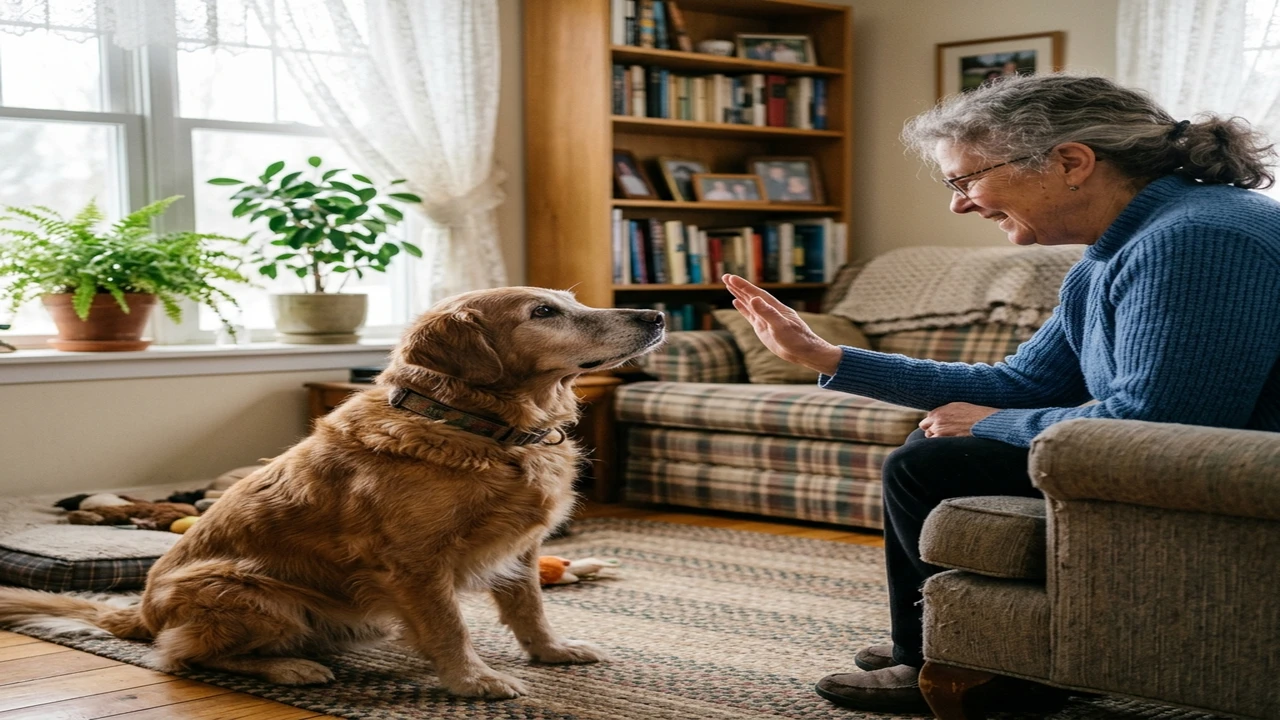
- Lighting and Auditory Cues: For visually impaired dogs, keep hallways well-lit with nightlights to eliminate shadows. For deaf dogs, use visual cues like a hand wave or a flashlight beam to gain their attention.
Safety Audit Checklist for Senior Dog Home Adaptations
Conducting a home safety audit is essential for protecting a senior dog from injury and stress. Use this checklist to evaluate and adapt your living spaces:
- Living Rooms and Hallways: Check that all smooth flooring has non-slip runners. Ensure furniture layouts are stable, leaving wide, clear pathways free of clutter or loose cables.
- Staircases: Install secure pet gates at both the top and bottom of all stairs. Never let an arthritic or visually impaired dog navigate stairs unsupervised.
- Eating Area: Ensure food and water bowls are placed on a non-slip rubber mat. Check if your dog would benefit from elevated bowls to reduce neck strain.
- Exits and Patios: Evaluate steps leading outside. Install ramps with non-slip surfaces for elevation changes. Block access to balconies, steep drops, or pools to prevent accidental falls.
Collaborative Home Assessments with Veterinary Therapists
Conducting home safety modifications is highly effective when done in collaboration with a veterinary physical therapist or rehabilitation specialist. These professionals can visit your home or conduct virtual audits to evaluate how your senior dog navigates their environment. They can identify subtle traction hazards, suggest precise placements for ramps, and recommend optimal feeding elevations based on your dog's specific joint angles and mobility limits.
Regular coordination with your rehabilitation therapist ensures your home layout adapts to your dog's changing needs. As mobility declines, they may suggest upgrading to orthopedic support harnesses, using targeted traction socks, or expanding nonslip pathways. This collaborative approach ensures your home remains a safe, comfortable sanctuary that supports joint longevity and prevents painful falls.
Reducing Environmental Stress and Supporting Spatial Orientation
Adapting your home layout is critical for reducing environmental stress and supporting spatial orientation in senior dogs, particularly those experiencing vision loss or cognitive decline. A predictable, clutter-free environment helps them navigate safely, preventing accidents and reducing anxiety. Avoid moving furniture, as this disrupts their mental map of the home, and keep walking paths clear of toys or loose cables.
Optimizing lighting is also essential for spatial orientation. Place nightlights in hallways and near their feeding and sleeping areas to eliminate dark shadows, which can cause confusion or startle reactions. By creating a stable, well-lit environment, you help your senior dog feel secure, encouraging them to remain active and independent within the home.
Monitoring Vital Health Trends and Veterinary Clinic Communication
Tracking vital health trends, such as weekly body weight, resting respiration rate, and daily water consumption, is critical for senior dogs. A sudden change in weight or hydration levels can be the first indicator of subclinical metabolic changes, indicating it is time to coordinate with your vet clinic. Maintain a clear, chronological record of these markers to share during checkups, allowing for proactive, individualized care adjustments.
[!IMPORTANT]Medical Disclaimer: This article provides general educational information and does not replace an examination, diagnosis or treatment plan from a licensed veterinarian. Contact your veterinarian about new or worsening changes in your senior dog.
Sources and Further Reading
- American Animal Hospital Association (AAHA) - Environmental Modification Guidelines for Senior Pets.
- Veterinary Clinics of North America - Home Care and Physical Rehabilitation for Geriatric Dogs.
- Journal of the American Veterinary Medical Association (JAVMA) - Environmental Safety in Aging Pets.
- Colorado State University Veterinary Teaching Hospital - Home Assessment and Adaptation for Mobility-Impaired Animals.
Making Home Senior-Friendly FAQ
What's Your Reaction?
 Like
0
Like
0
 Dislike
0
Dislike
0
 Love
0
Love
0
 Funny
0
Funny
0
 Wow
0
Wow
0
 Sad
0
Sad
0
 Angry
0
Angry
0



Comments (0)