
Why Does My Dog Follow Me Everywhere? Meaning and Boundaries
Does your dog shadow you from room to room, even to the bathroom? Understand the biological reasons behind why does my dog follow me everywhere and learn how to build healthy independence.

Why Does My Dog Follow Me Everywhere? Meaning and Boundaries
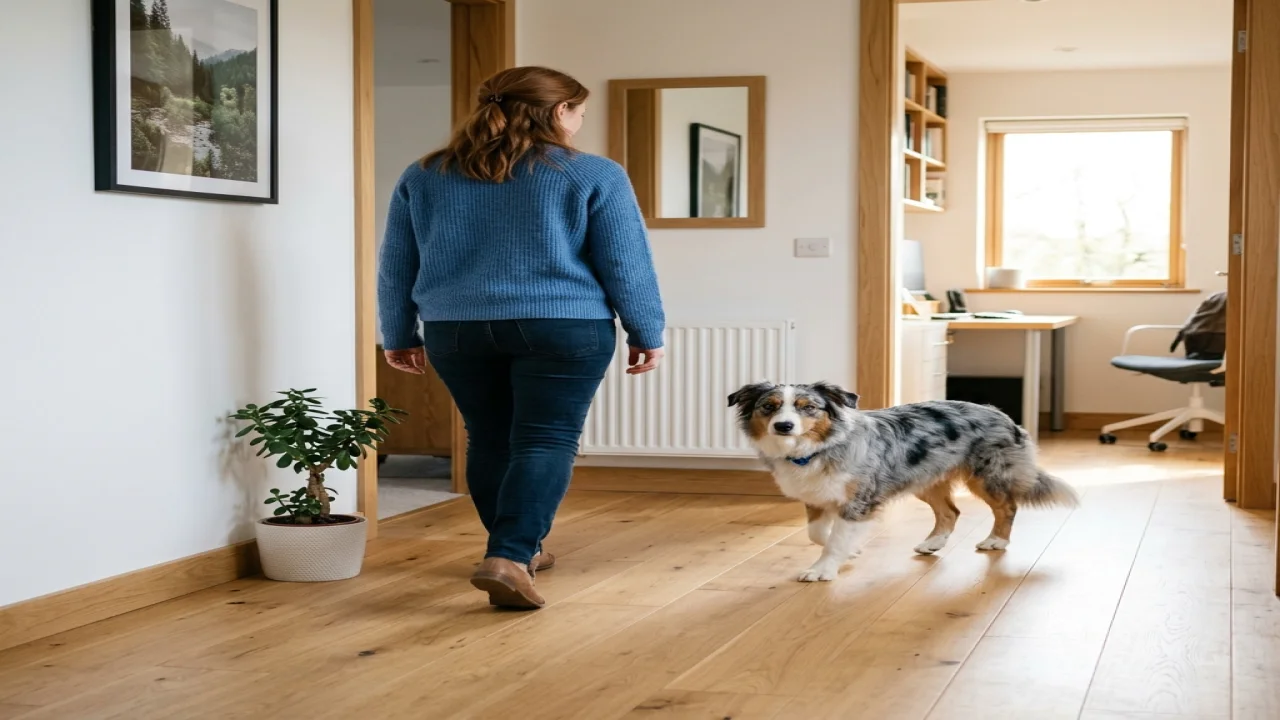
For many dog owners, having a "shadow" is a normal part of life. Whether you are cooking in the kitchen, working at your desk, or even heading to the bathroom, your dog is right there, watching your every move. This behavior often leads to the question, "why does my dog follow me everywhere?" While it can be endearing and a sign of deep affection, having a "velcro dog" can sometimes become overwhelming or indicate that your dog lacks the confidence to settle independently.
To address this behavior humanely, we must examine the biological and environmental motivations that drive it. Dogs are highly social pack animals that have evolved for thousands of years to cooperate with humans. Their instincts tell them that staying close to their social group is safe and rewarding. By understanding their needs, establishing positive boundaries, and rewarding independent relaxation, you can help your dog feel secure even when you are out of sight. This article explores the science behind velcro behavior and outlines a force-free training plan. To start with foundational training, refer to how to train a dog.
Key Takeaways
- Social Bond: Following you is a natural display of bonding, social connection, and curiosity.
- Breed Instincts: Herding and companion breeds are genetically wired to stay close to their humans.
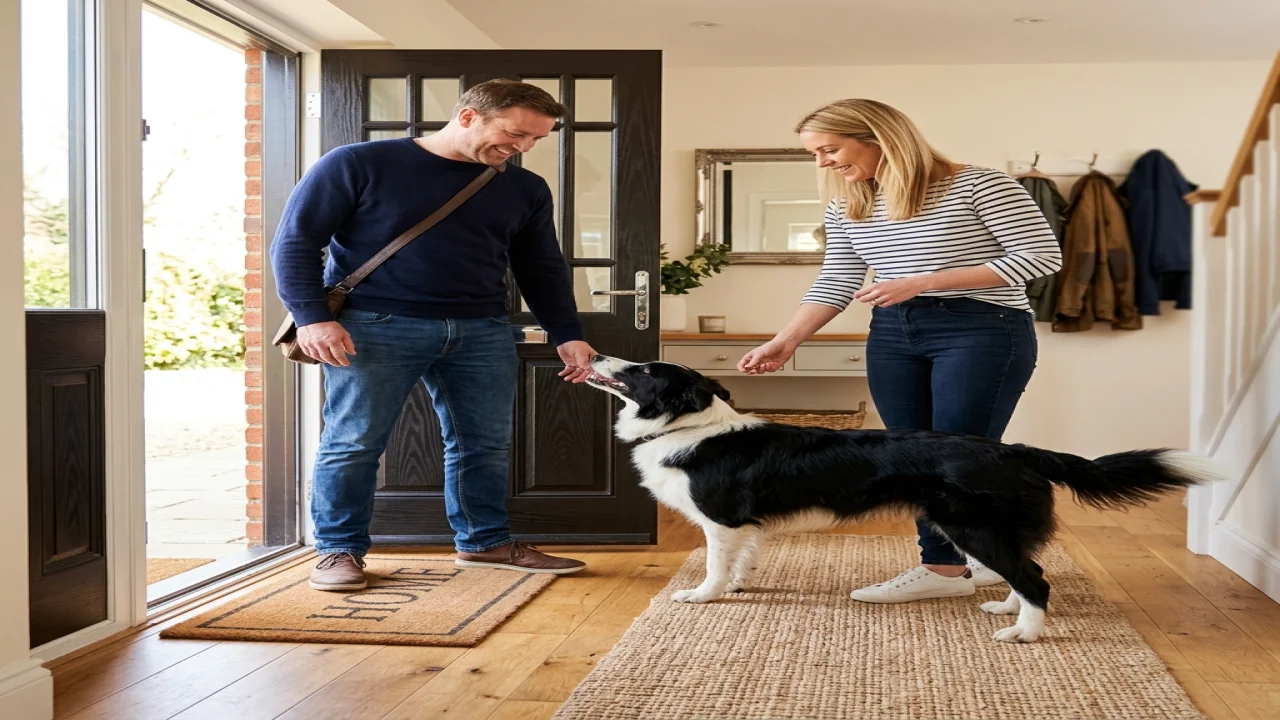
- Accidental Reinforcement: We often reinforce shadowing behavior by looking at, talking to, or petting the dog whenever they follow us.
- Encourage Mat Training: Teach your dog to settle on a mat or bed in a separate room using positive rewards to build confidence.
- Rule Out Separation Panic: Ensure the velcro behavior is not accompanied by panic or destruction when you leave the house.
Why Does My Dog Follow Me Everywhere? Scientific Reasons
In canine ethology, velcro behavior is linked to attachment theory, reinforcement history, and genetic predispositions. Understanding these reasons helps clarify your dog's actions:
1. Companionship and Bonding
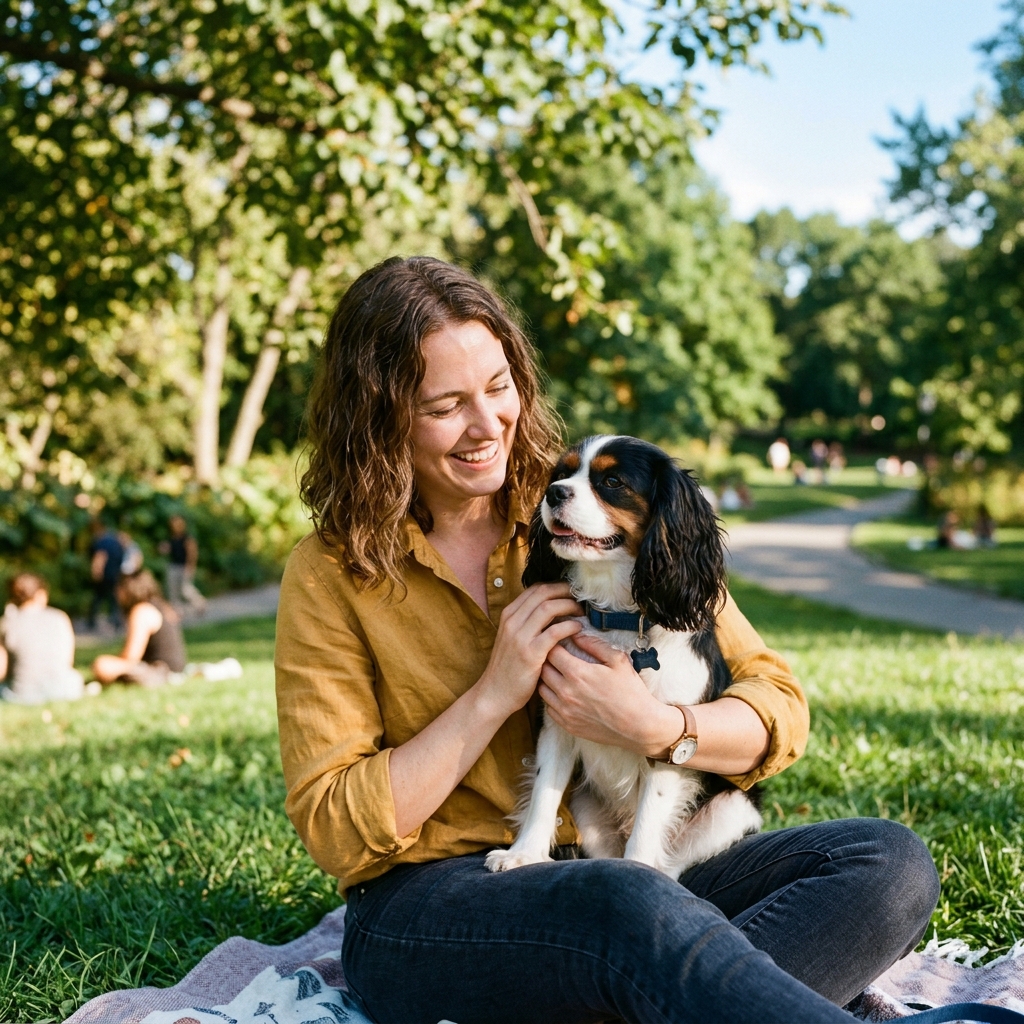
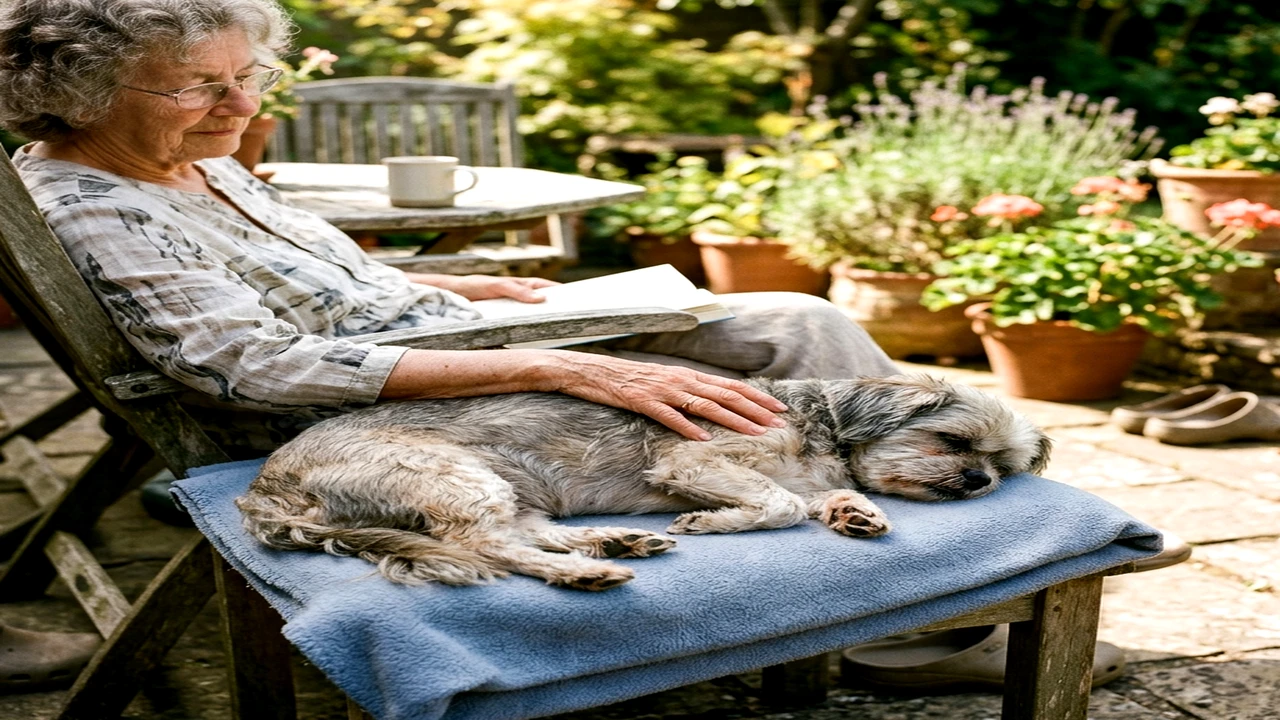
Following you everywhere is a natural display of bonding and social connection. Dogs are social pack animals that find comfort and safety in close proximity to their social group. Breed traits (like herding or companion dogs) and reinforcement history (petting or feeding them when they follow) also play a major role. To teach independence, use positive reinforcement mat training, rewarding your dog for choosing to settle in a separate area. For crate acclimation tips, see crate training a dog.
Additionally, sudden clinginess or velcro behavior in a normally independent dog can indicate physical pain, illness, or sensory loss (like going blind or deaf). Joint pain from arthritis makes dogs feel insecure, causing them to shadow their owners for protection. A thorough veterinary exam is essential to rule out medical causes. Refer to dog health emergency warning signs for monitoring symptoms.
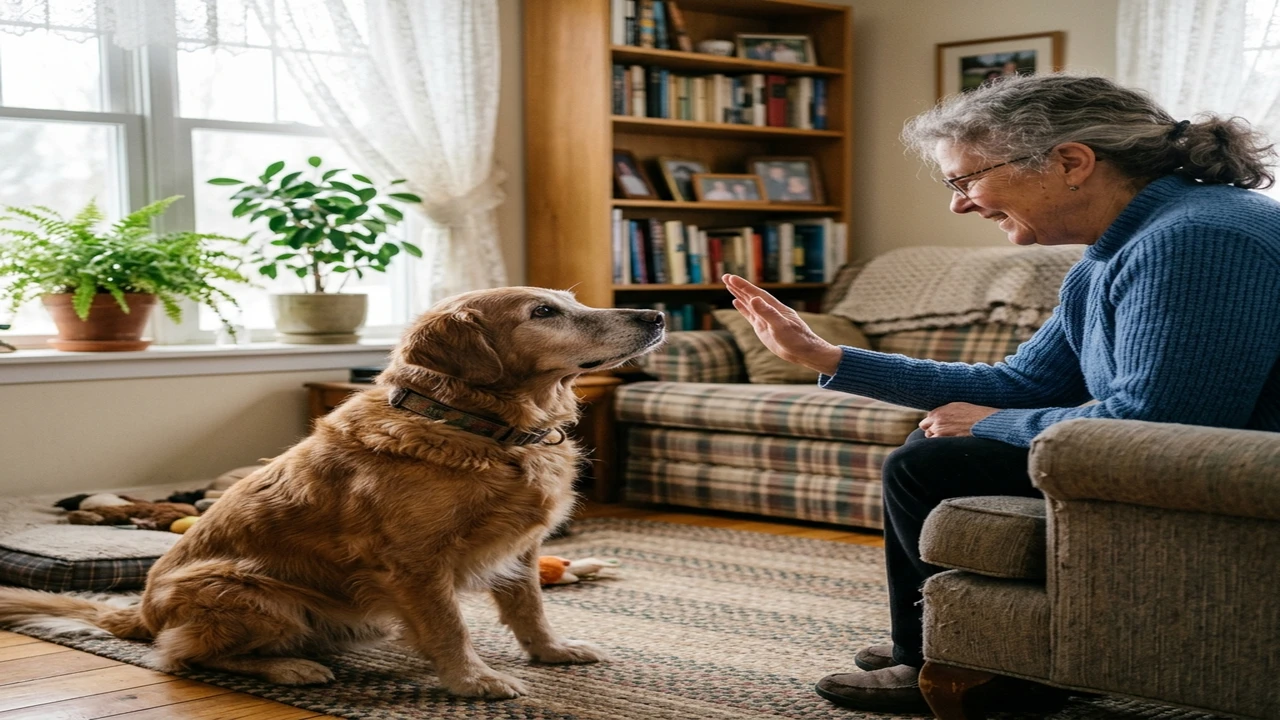
To build healthy boundaries, avoid reinforcing shadowing behavior. Do not look at or pet your dog every time they stand up. Instead, provide solitary enrichment toys (like stuffed KONGs or snuffle mats) in a separate area to keep them occupied. Practice mat training to reward quiet relaxation. To learn basic focus training, see how to train a dog.
Finally, distinguish velcro behavior from separation anxiety. Velcro dogs are happy to follow you but remain calm when left home alone. Separation distress involves panic, pacing, and destruction in your absence, and requires a structured desensitization plan. Refer to preventive care for dogs for health support.
Dogs are social obligates, meaning they thrive on social contact and cooperation. When they follow you, they are fulfilling their need for companionship. Close proximity triggers the release of oxytocin (the bonding hormone) in both dogs and humans, reinforcing their desire to stay near you.
2. Reinforcement History
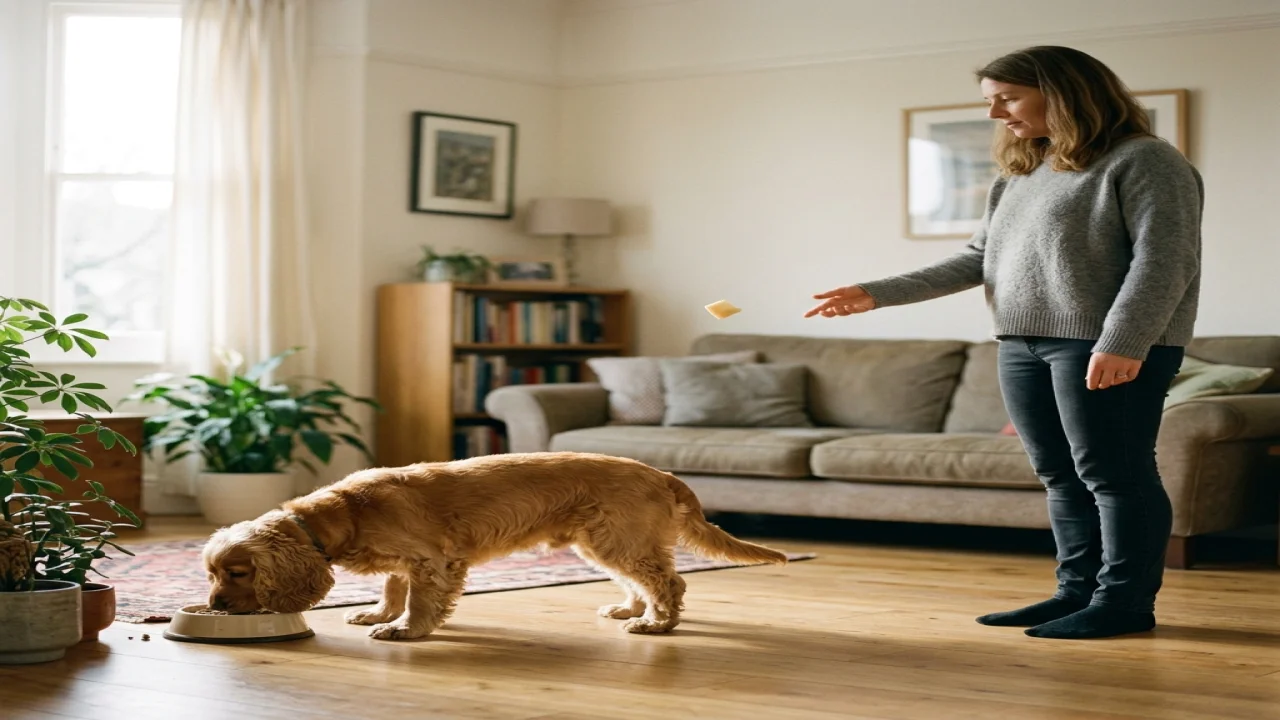
Every time your dog follows you, good things tend to happen. You might walk to the kitchen and drop a piece of food, open the door for a walk, or sit on the couch and pet them. The dog learns that shadowing you predicts positive outcomes, making them repeat the behavior. To learn about training reward structures, read crate training a dog.
3. Genetic Breed Traits
Certain breeds are genetically wired to stay close. Herding dogs (like Border Collies and Australian Shepherds) want to keep their family members in sight to monitor them. Companion breeds (like Pugs and Toy Poodles) have been bred for centuries to sit on laps and remain close to their owners.
4. Curiosity and Information Gathering
Dogs are naturally curious. When you stand up and move to another room, your dog wants to gather information. They wonder, "Where are we going? Is there something interesting happening? Can I help?" Staring at you helps them predict your next move.
Common Triggers and Contributing Factors
A dog's breed genetics and reinforcement history are primary triggers for velcro behavior. Herding breeds (such as Border Collies or German Shepherds) and companion dogs are biologically wired to keep a close eye on their social group. If owners constantly reinforce shadowing behavior by talking to, petting, or feeding the dog every time they follow them into a room, the behavior will become highly habituated. mat training and promoting solitary play help teach independence. For positive crate conditioning, see crate training a dog.
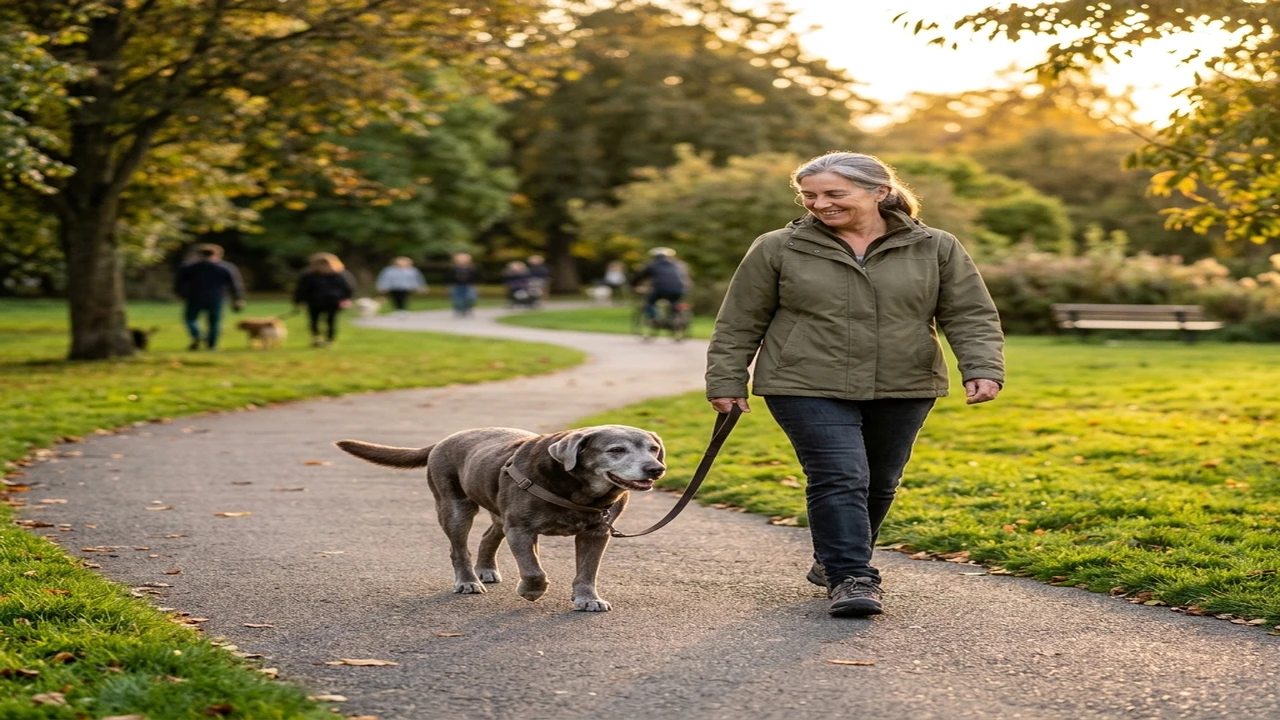
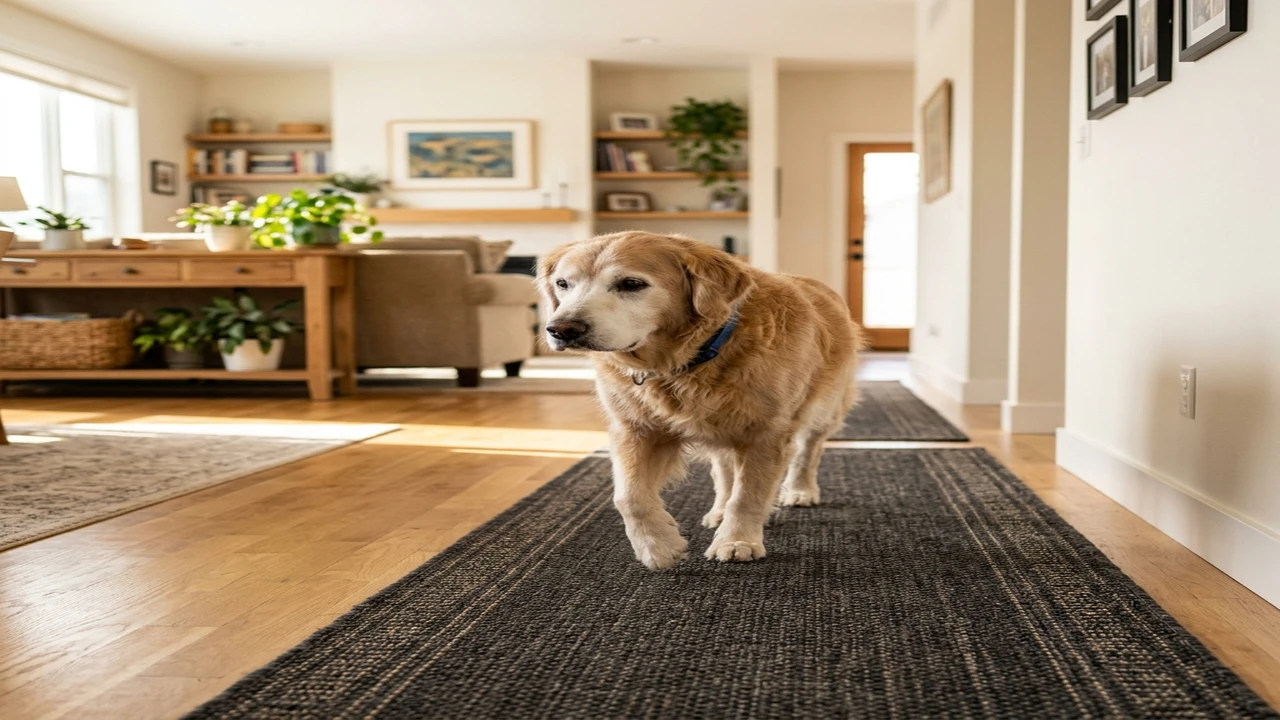
Additionally, age-related changes and sensory decline (such as losing vision or hearing) can trigger sudden clinginess. Aging dogs feel vulnerable when their senses fade, and they rely heavily on their owners for guidance and security. Under-stimulation can also play a role, as a bored dog may follow their owner simply because they are the only source of interest in the environment. Refer to preventive care for dogs for health support.
Velcro behavior is often encouraged by these daily habits and environmental factors:
- Unintentional Rewards: Handing treats, speaking, or petting your dog every time they stand up and follow you.
- Lack of Independence Outlets: Not providing food puzzle toys or snuffle mats that keep your dog occupied in a separate area.
- Anxiety and Lack of Confidence: Insecure dogs may use proximity as a coping mechanism to feel safe. Refer to preventive care for dogs for health monitoring.
Dog Body-Language Signals to Observe
Watch your dog's body signals when they follow you. A happy, bonded dog will follow you with a loose body, soft tail, and will easily lie down and rest nearby when you sit. An anxious dog will follow you with tense muscles, wide eyes, panting, and will stand up immediately if you shift in your chair. If your dog shows panic when you close a door, it is important to distinguish this from simple velcro behavior.
What Owners Can Do Safely
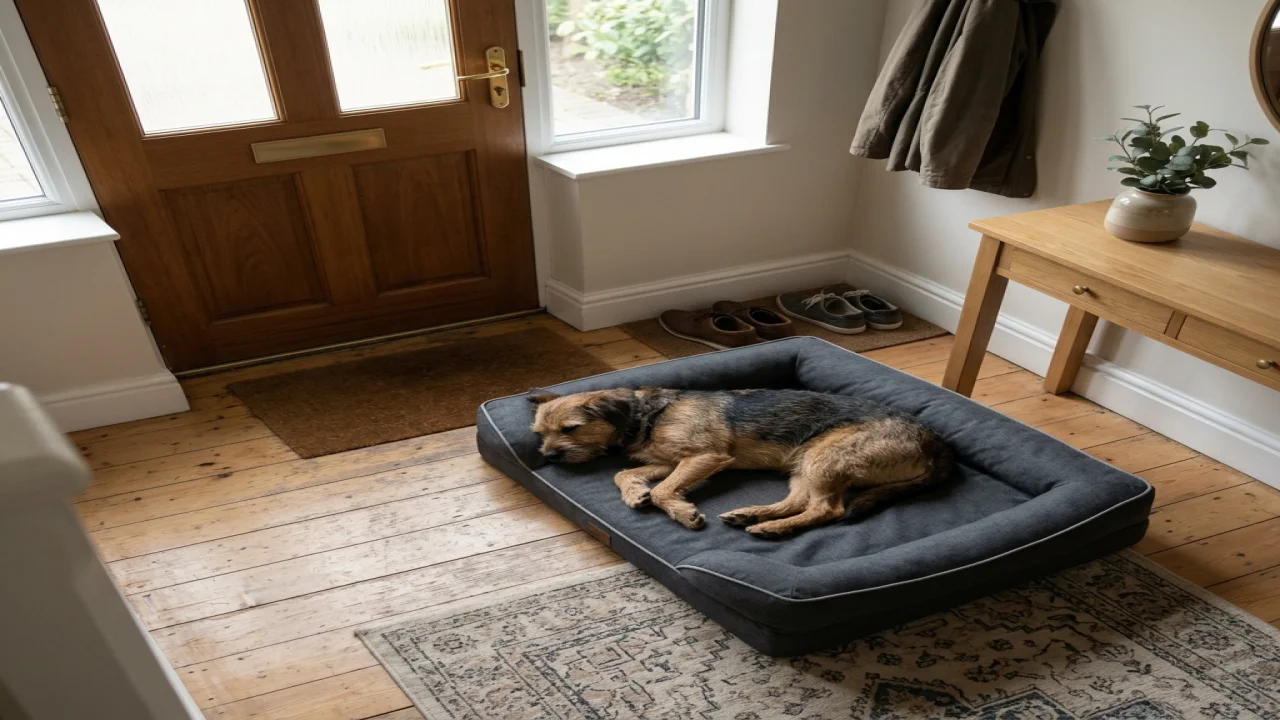
To safely manage velcro behavior, owners must establish healthy boundaries without causing distress. Provide comfortable resting areas in different rooms, and reward your dog with high-value treats for choosing to settle there. Avoid reinforcing shadowing: do not look at or pet your dog every time they stand up to follow you. Provide solitary enrichment activities, like stuffed food toys or snuffle mats, to keep them occupied in a separate area. To learn basic focus training, see how to train a dog.
Additionally, teaching your dog to settle on a mat while you prepare food or work at your desk is highly beneficial. This training should always be positive, rewarding your dog with high-value treats for remaining on their bed rather than physically forcing them to stay. Over time, your dog will learn that relaxing independently is a highly rewarding behavior, reducing their desire to follow you into every room.
It is important to distinguish velcro behavior from separation anxiety. Velcro dogs follow you around but remain relaxed when you leave the house. Separation anxiety involves panic, pacing, and destruction in your absence, requiring a structured desensitization plan. To build a solid sit and stay command, refer to how to teach a dog to sit.
To teach your velcro dog to relax independently, use positive management strategies:
- Practice "Mat Training": Train your dog to lie on a comfortable bed or mat, and reward them for staying there while you move around. This is a vital boundary-setting tool.
- Provide Solitary Enrichment: Give your dog long-lasting chew toys or stuffed KONGs in a separate room while you work or relax. This teaches them that being alone is rewarding.
- Ignore Unnecessary Shadowing: Do not look at or pet your dog every time they follow you. Wait until they lie down and relax before offering attention.
- Avoid Punishment: Never scold or lock your dog away angrily for following you. This increases their anxiety and makes them shadow you more.
Step-by-Step Mat Relaxation Training
To teach your dog to settle calmly on their bed in another room, follow this training plan:
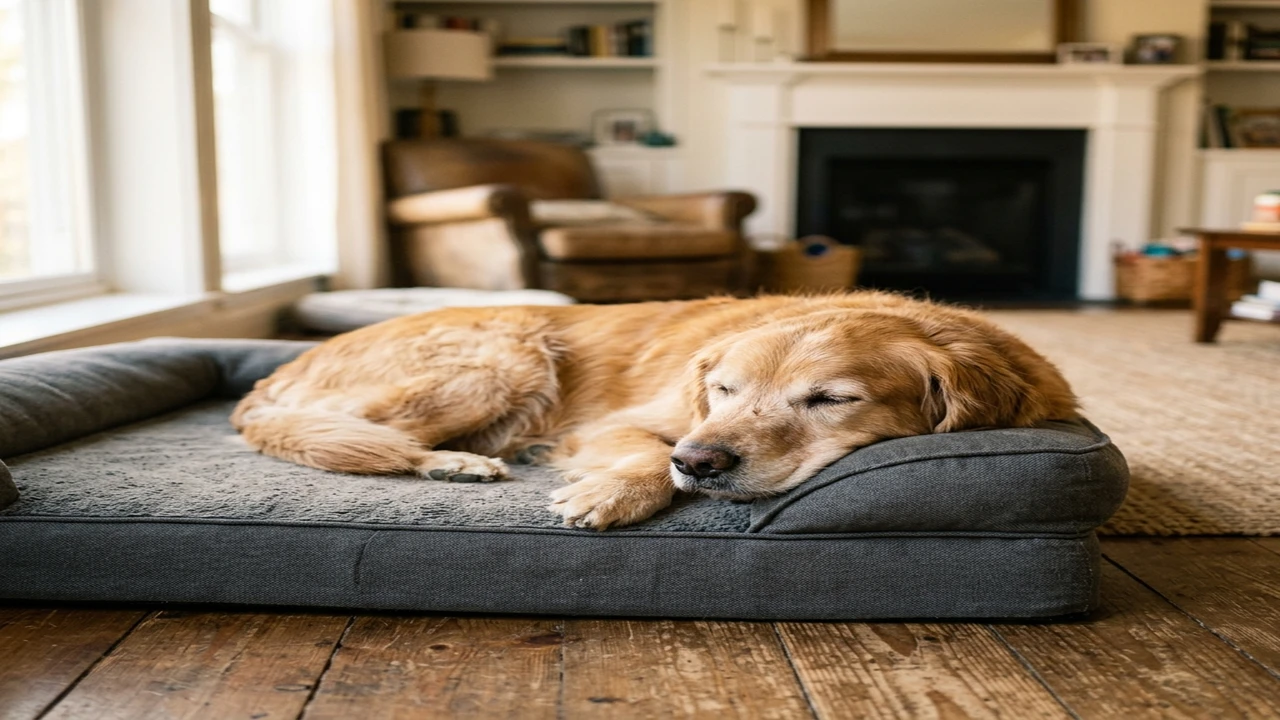
- Step 1: Introduce the Mat: The first step is to select a comfortable mat or bed and place it in a quiet area of the room where you spend time. Lure your dog onto the mat with a treat, and say a command word like "Mat" or "Bed." As soon as they place all four paws on it, feed them the treat and praise them.
Repeat this several times a day. Your dog will quickly learn that stepping onto the mat is a fun game that results in positive rewards, making it a place they want to visit.
- Step 2: Reward the Lie Down: Once they are on the mat, ask for a "Down" and feed them treats in rapid succession to reinforce lying on the mat.
- Step 3: Add Distance: Take one step away from the mat. If your dog remains lying down, step back and feed them a treat. Repeat this, gradually taking more steps away.
- Step 4: Step Out of Sight: Step out of the room for one second, then step back in and reward your dog. Use your voice to keep them calm.
- Step 5: Increase Duration: Gradually increase the time you spend out of the room, rewarding them only when they remain relaxed on the mat. Toss treats from a distance to reinforce the boundary.
Common Mistakes to Avoid
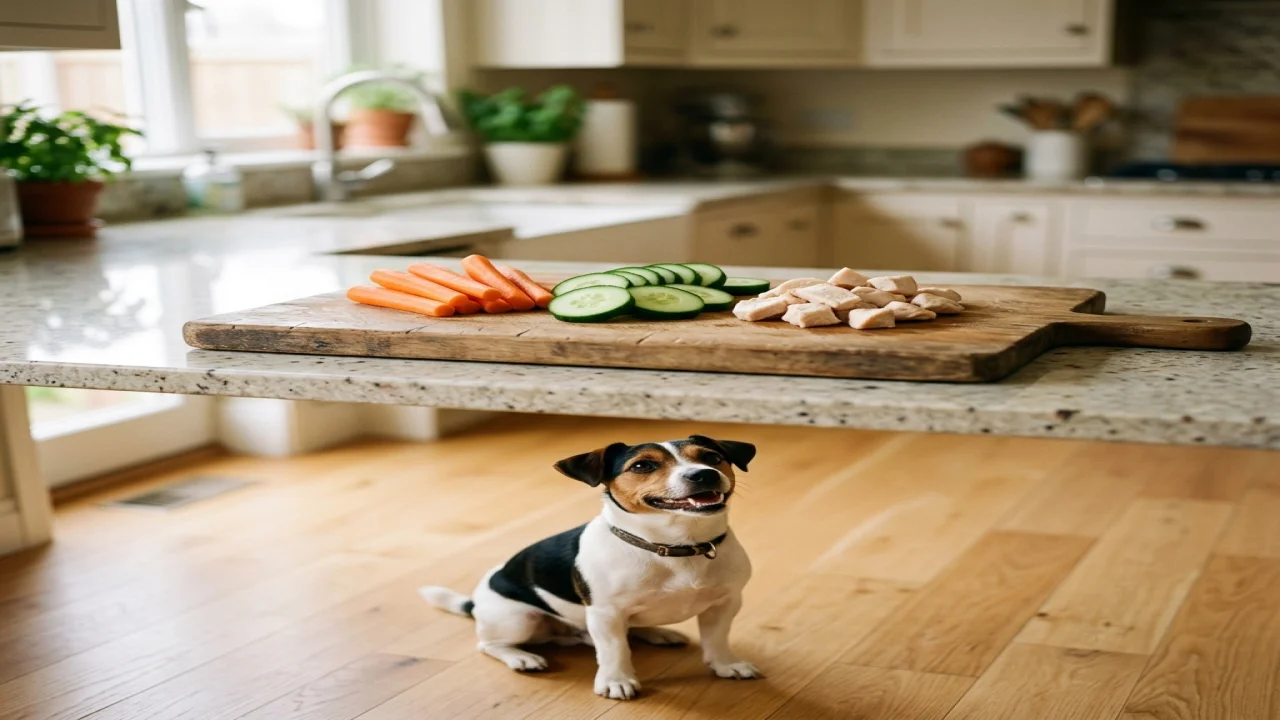
Rewarding the Shadowing: Petting your dog or giving them treats when they are underfoot in the kitchen teaches them that following you is highly lucrative.
Forced Confinement: Locking your dog behind closed doors without training first. This causes panic and frustration, increasing their desire to cling to you.Assuming it is Separation Anxiety: Conflating velcro behavior with separation panic. Many velcro dogs are perfectly fine when left home alone; they simply prefer your company when you are present.
When a Veterinarian Should Be Consulted
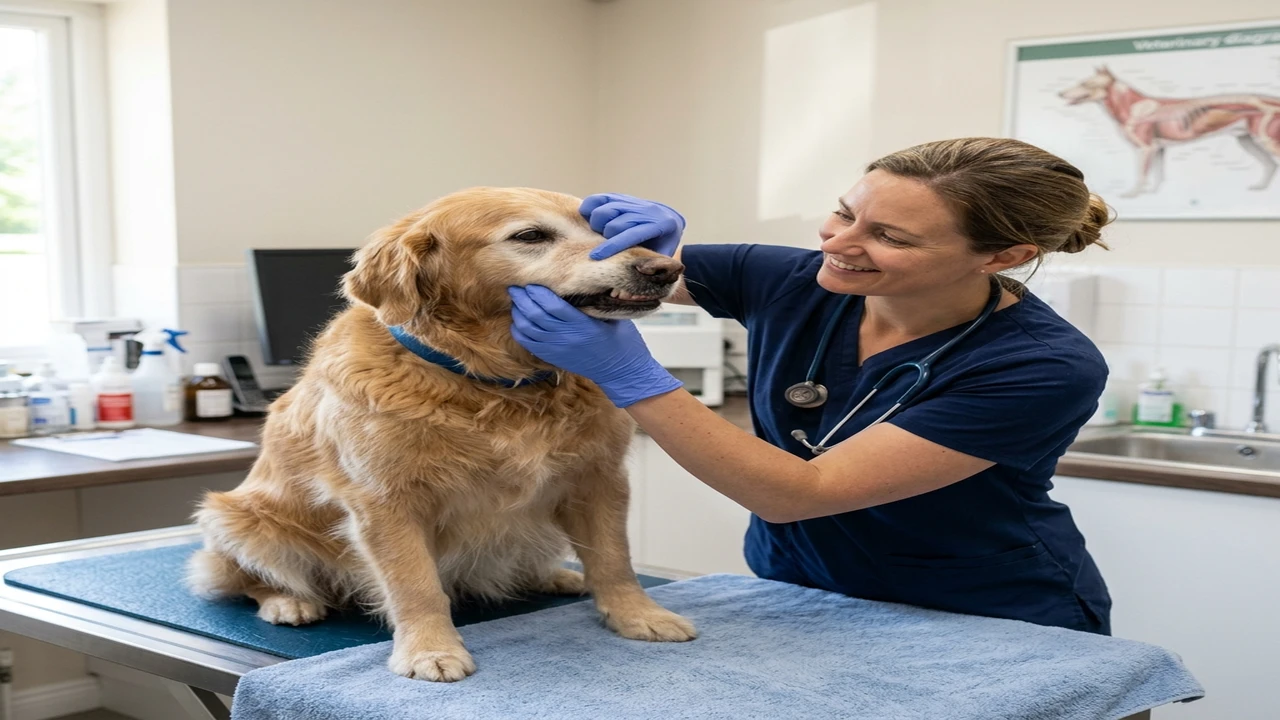
If your dog's velcro behavior starts suddenly or if an older dog displays distress or stiffness, consult your veterinarian. Pain from conditions like osteoarthritis or systemic illnesses can make dogs feel insecure, leading to a sudden spike in clinginess. Additionally, sensory loss or cognitive dysfunction in older dogs requires veterinary diagnosis and support. Refer to dog health emergency warning signs for monitoring pain symptoms.
If your dog suddenly becomes clingy, follows you franticly, or displays pacing and whining, consult your veterinarian. Sudden velcro behavior in a normally independent dog can be a sign of physical pain, illness, or sensory loss (like going blind or deaf). In older dogs, sudden clinginess can indicate the early stages of Canine Cognitive Dysfunction (dementia), which requires medical evaluation.
When a Qualified Behavior Professional Is Needed
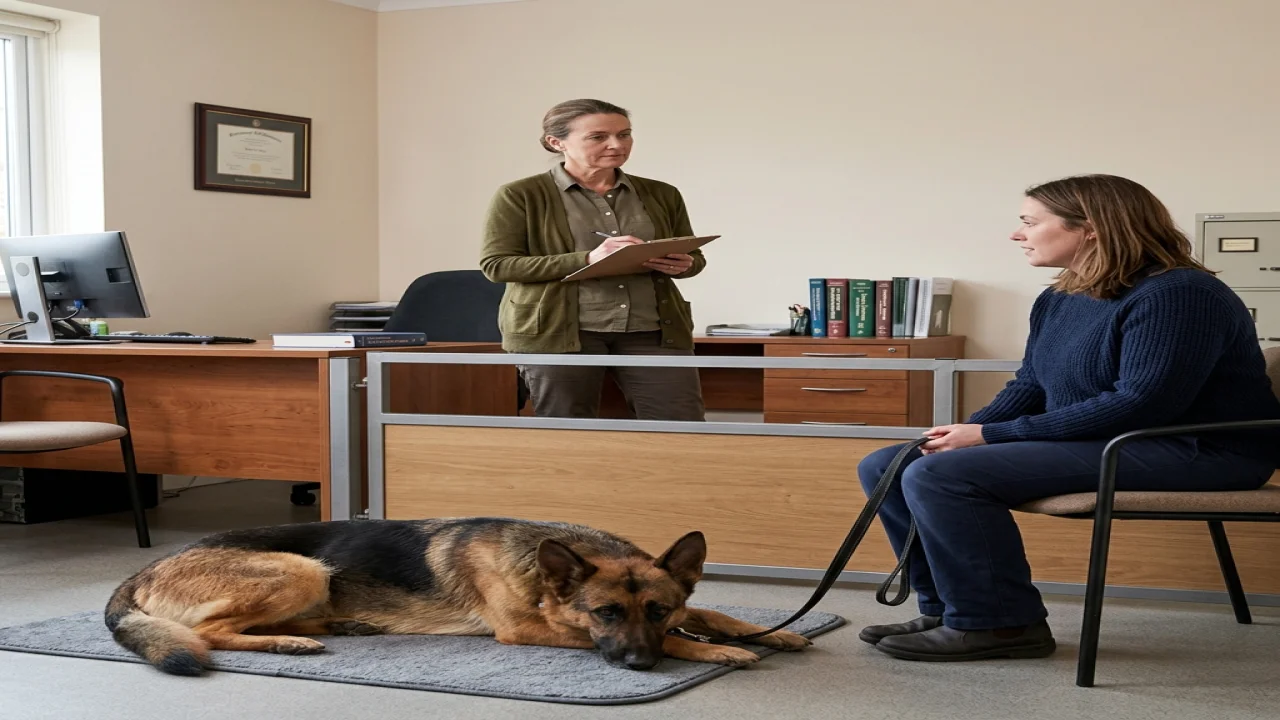
If your dog's shadowing behavior is accompanied by panic (howling, scratching doors, or self-injury) when you close a door or leave the house, seek the help of a certified behavior consultant. Separation-related distress is a serious anxiety disorder that requires a structured behavioral modification plan to help your dog feel safe.
This article provides general educational information and is not a substitute for individualized advice from a veterinarian or qualified behavior professional. Seek professional help if the behavior is sudden, severe, dangerous, or causing significant distress.
Sources and Further Reading
- American Veterinary Society of Animal Behavior (AVSAB)
- International Association of Animal Behavior Consultants (IAABC)
- ASPCA: Dog Behavior Issues
- RSPCA: Dog Behavior Advice
Conclusion
Understanding the question of "why does my dog follow me everywhere" is about recognizing their natural social needs while guiding them toward healthy independence. By implementing mat training, providing rewarding solitary activities, and maintaining consistent boundaries, you can enjoy your dog's loving companionship while ensuring they feel confident and relaxed in their own space.
Frequently Asked Questions about Velcro Dogs
What's Your Reaction?
 Like
0
Like
0
 Dislike
0
Dislike
0
 Love
0
Love
0
 Funny
0
Funny
0
 Wow
0
Wow
0
 Sad
0
Sad
0
 Angry
0
Angry
0


Comments (0)