
Siberian Husky Guide: Beautiful, Energetic and Independent Adventurers
Complete guide to the Siberian Husky breed covering temperament, exercise needs, grooming, health, training challenges, and whether a Husky is right for you.

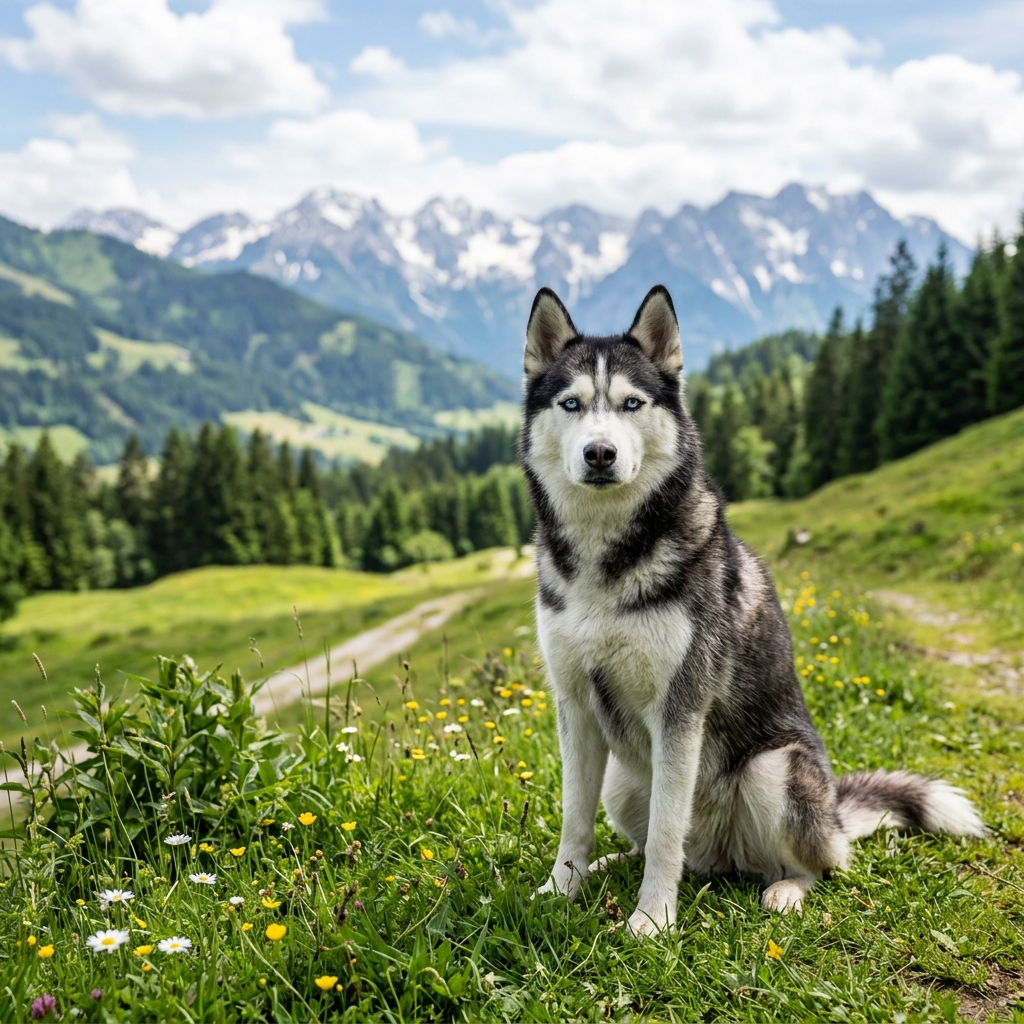
The Siberian Husky is one of the most visually stunning dog breeds on the planet. With their striking blue or multicolored eyes, thick wolf-like coat, and athletic build, Huskies turn heads wherever they go. But owning a Husky is nothing like owning most other dog breeds. These are independent, high-energy, incredibly intelligent dogs that require a committed, experienced owner who understands and embraces their unique nature.
This guide will help you understand what life with a Siberian Husky really looks like — the good, the challenging, and everything in between.
Quick Overview: The Siberian Husky at a Glance
- Origin: Siberia, Russia (Chukchi people)
- Size: Medium — 35 to 60 pounds (16 to 27 kg)
- Height: 20 to 23.5 inches (51 to 60 cm)
- Lifespan: 12 to 15 years
- Coat: Thick, dense double coat
- Temperament: Friendly, independent, mischievous, energetic
- Exercise needs: Very high — 60 to 120 minutes daily
- Trainability: Moderate to challenging — independent thinkers
Temperament and Personality
Siberian Huskies are friendly, outgoing dogs that rarely show aggression toward humans. They were bred by the Chukchi people to live in close quarters with families, including children, which gave them a naturally gentle and social disposition. Huskies greet everyone as a friend, which makes them terrible guard dogs but wonderful companions.
However, their friendliness comes paired with fierce independence. Huskies are not people-pleasers like Golden Retrievers or Labradors. They think for themselves, make their own decisions, and will often look at you during training as if to say, "I know what you want, but what is in it for me?" This independent streak is not stubbornness in the traditional sense — it is an intelligent dog evaluating whether your request is worth its time.
Huskies are also profoundly mischievous. They are clever problem-solvers who can open doors, escape from yards, and find creative ways to get into trouble. If you are not prepared for a dog that keeps you on your toes, a Husky may not be the right choice.
Their vocal nature is legendary. Huskies howl, talk, whine, and produce a symphony of sounds that owners find endearing but neighbors may find less charming. They rarely bark, but their howling can carry for miles.
Size, Energy, and Lifestyle Fit
Siberian Huskies are medium-sized dogs built for endurance. They were originally bred to pull sleds across frozen landscapes for hours on end, and that stamina has not diminished in the modern companion Husky. They need at least 60 to 120 minutes of vigorous exercise every single day. Walks alone will not cut it — they need running, hiking, biking alongside their owner, or participation in organized activities like canicross or skijoring.
Without adequate exercise, Huskies become destructive. They will chew furniture, dig through walls, and find escape routes that would impress a professional locksmith. A bored Husky is a homeowner's worst nightmare.
Huskies are not apartment dogs. They need space to move and a securely fenced yard. The fence should be at least six feet tall and extend underground, as Huskies are both jumpers and diggers. Invisible fences are generally not effective for this breed — they will run right through them.
Training Needs
Training a Siberian Husky is one of the most humbling experiences in dog ownership. They are undeniably intelligent — they understand commands perfectly well. The challenge is that they do not always see the value in obeying them.
Positive reinforcement with high-value rewards is the most effective approach. Keep sessions short, varied, and interesting. Repetitive drills bore Huskies quickly. Use food rewards, play, and novel activities to keep their attention.
Recall training is perhaps the most critical skill for Husky owners. Huskies have a powerful prey drive and a deep-seated desire to run. An off-leash Husky that spots a squirrel or rabbit may be gone in seconds, ignoring your calls entirely. Many experienced Husky owners never allow their dogs off-leash in unfenced areas.
Crate training is highly recommended for Huskies, both for safety and for managing destructive behavior when you cannot supervise them. Make the crate a positive, comfortable space — never use it as punishment.
Grooming and Daily Care
Siberian Huskies have magnificent double coats that require regular attention:
- Brushing: At least two to three times per week year-round, daily during shedding season. An undercoat rake is essential during the biannual coat blow.
- Bathing: Huskies are naturally clean dogs that rarely develop a doggy odor. Bathe only when necessary — every few months is usually sufficient.
- Shedding: Huskies blow their entire undercoat twice a year, producing an astonishing amount of fur. During these periods, daily brushing is a necessity, not a luxury.
- Nail trimming: Every two to three weeks.
- Dental care: Regular brushing and dental chews.
Never shave a Husky's coat. Their double coat provides insulation against both cold and heat, protects against sunburn, and helps regulate body temperature. Shaving disrupts this natural protection and the coat may never grow back properly.
Health Considerations
Siberian Huskies are one of the healthier purebred breeds, with relatively few genetic health problems compared to many other breeds. Common concerns include:
- Hip dysplasia: Less common than in larger breeds but still possible
- Eye conditions: Cataracts, progressive retinal atrophy, and corneal dystrophy
- Hypothyroidism: Can affect metabolism and energy levels
- Zinc-responsive dermatosis: A skin condition specific to northern breeds
Regular veterinary check-ups and eye exams are recommended. The Siberian Husky Club recommends hip and eye evaluations for breeding dogs.
Best Home Environment
The ideal home for a Siberian Husky is one with an active owner or family, a large securely fenced yard with a fence at least six feet tall, access to running and hiking trails, climate control during hot months, and another dog for companionship. Huskies are pack animals and generally do better with a canine companion.
Pros and Cons
Pros
- Strikingly beautiful and athletic
- Friendly and gentle with people and children
- Relatively healthy compared to many breeds
- Clean dogs with minimal body odor
- Long-lived breed with 12 to 15 year lifespan
Cons
- Extremely high exercise requirements
- Difficult to train due to independent nature
- Master escape artists — can jump, dig, and open gates
- Heavy shedding twice a year
- Strong prey drive — may not be safe with small animals
Common Mistakes to Avoid
Getting a Husky because they look cool. Huskies are undeniably gorgeous, but their looks should be the last reason you choose this breed. Their exercise, training, and containment needs are among the most demanding of any breed.
Underestimating their escape ability. Huskies are legendary escape artists. A standard four-foot fence is a minor inconvenience for them. Invest in proper fencing and never leave a Husky unattended in an unsecured area.
Letting them off-leash in unfenced areas. Most Huskies cannot be reliably recalled when they have decided to run. Off-leash freedom should be reserved for fully enclosed areas only.
Shaving their coat in summer. Never shave a Husky. Their double coat protects them from both heat and cold. Shaving can cause sunburn, heat regulation problems, and permanent coat damage.
Final Thoughts
The Siberian Husky is not a dog for everyone — but for the right owner, they are absolutely extraordinary. Their beauty, intelligence, and adventurous spirit create a companion unlike any other. If you have the energy, the patience, the secure fencing, and the sense of humor to live with a Husky, you will be rewarded with a loyal, entertaining, and deeply lovable partner who makes every day an adventure.
Just remember: a Husky will never be a perfectly obedient dog. They will test your patience, challenge your expectations, and occasionally outsmart you. But in the process, they will also fill your life with laughter, love, and the kind of raw, unfiltered joy that only a truly free spirit can offer.
Frequently Asked Questions
What's Your Reaction?
 Like
0
Like
0
 Dislike
0
Dislike
0
 Love
0
Love
0
 Funny
0
Funny
0
 Wow
0
Wow
0
 Sad
0
Sad
0
 Angry
0
Angry
0






Comments (0)