
Poodle Guide: Smart, Elegant and Surprisingly Athletic
Learn about Poodle breeds, their intelligence, hypoallergenic coat, training ability, grooming needs, health basics, and family compatibility.

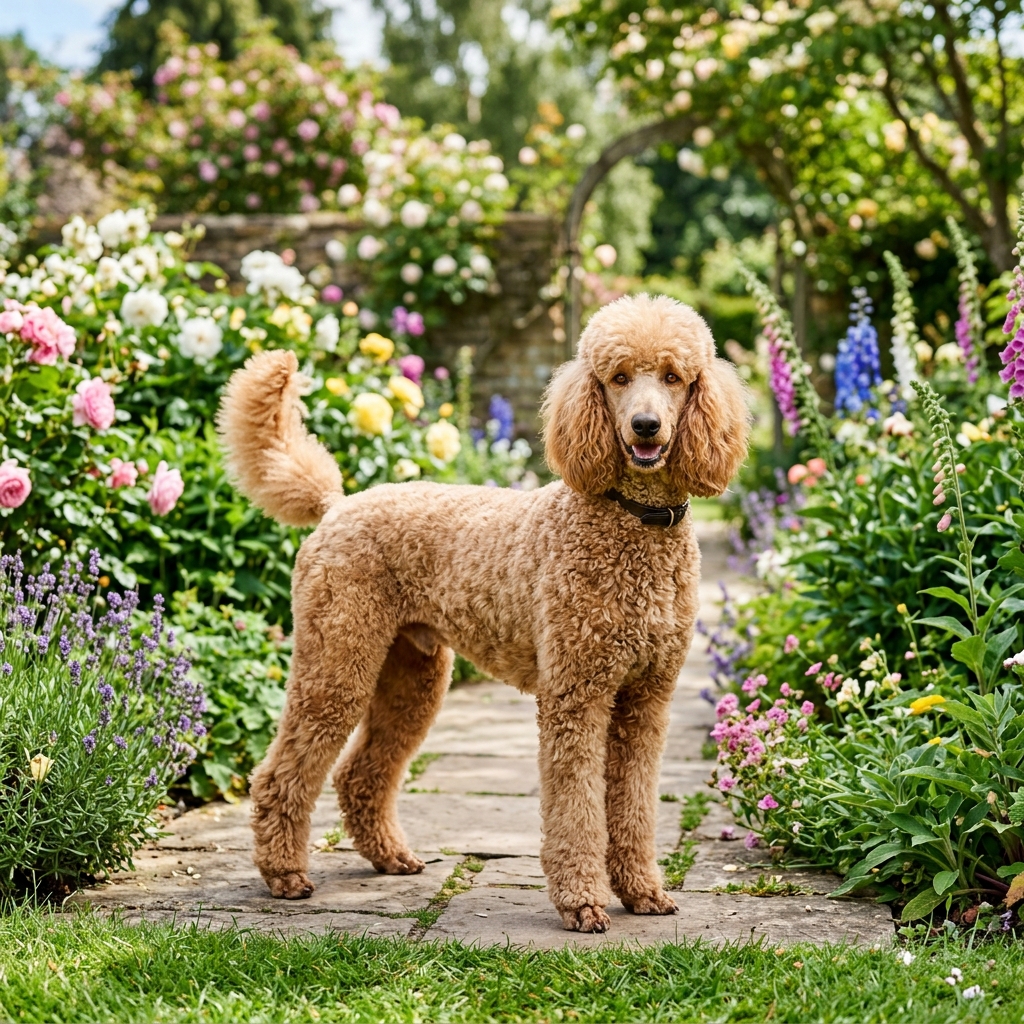
The Poodle is often misunderstood. Many people see the elaborate show clips and dismiss them as prissy or high-maintenance fashion dogs. In reality, Poodles are among the most intelligent, athletic, and versatile dog breeds in existence. They were originally bred as water retrievers in Germany, and their intelligence, agility, and trainability have made them standouts in everything from circus performance to competitive obedience to therapy work.
This guide explores what makes Poodles such exceptional companions, covering all three sizes — Standard, Miniature, and Toy — and helping you decide if a Poodle is the right fit for your family.
Quick Overview: The Poodle at a Glance
- Origin: Germany (refined in France)
- Sizes: Standard (over 15 inches), Miniature (10–15 inches), Toy (under 10 inches)
- Weight: Standard: 40–70 lbs; Miniature: 10–15 lbs; Toy: 4–6 lbs
- Lifespan: Standard: 10–13 years; Miniature/Toy: 12–15 years
- Coat: Dense, curly, single-layer — hypoallergenic
- Temperament: Intelligent, active, alert, proud
- Trainability: Exceptional — second most intelligent breed
Temperament and Personality
Poodles are remarkably intelligent dogs with a depth of personality that surprises many first-time owners. They are not just smart — they are emotionally intuitive, often reading their owners' moods and responding with appropriate sensitivity. A Poodle knows when you are sad, when you are excited, and when you need space.
Standard Poodles are confident, dignified, and surprisingly playful. They have a goofy side that emerges during play and a calm, composed demeanor when the situation calls for it. They are excellent with children, patient with other pets, and welcoming to guests — though they will alert you to strangers with a bark.
Miniature Poodles share the Standard's intelligence but tend to be slightly more energetic and can be more reserved with strangers. They are lively, curious, and make excellent companions for active individuals and small families.
Toy Poodles are devoted, affectionate companions who bond deeply with their primary person. They can be more sensitive and may not tolerate rough handling, making them best for calm households or families with older children.
All Poodle varieties are people-oriented dogs that do not do well when left alone for long periods. They crave interaction, mental stimulation, and companionship.
Size, Energy, and Lifestyle Fit
One of the great advantages of the Poodle is that there is a size for almost every living situation. Standard Poodles are perfect for active families with homes and yards. Miniature Poodles adapt well to both apartments and houses. Toy Poodles are ideal for apartment living and for owners who want a smaller, more portable companion.
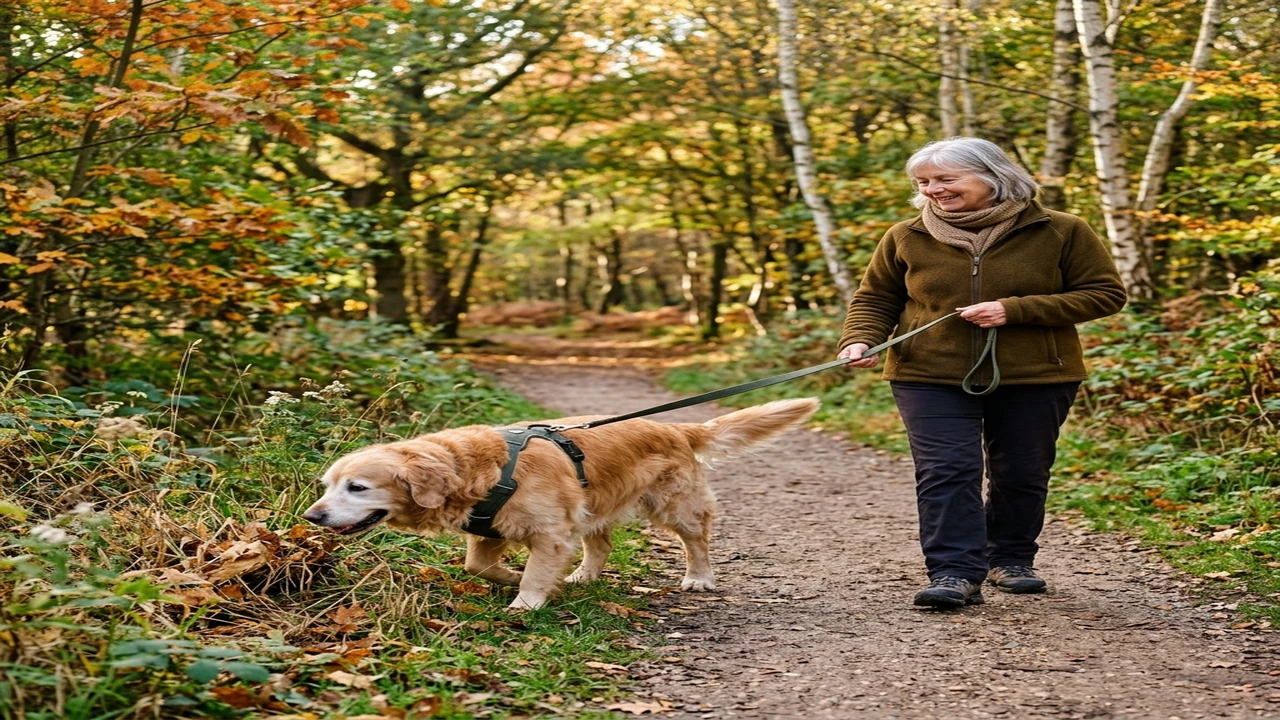
Despite their elegant appearance, Poodles are athletic dogs that need regular exercise. Standard Poodles need 60 to 90 minutes of daily activity including walks, swimming, fetch, and mental games. Miniature Poodles need 45 to 60 minutes, and Toy Poodles need about 30 minutes of active play and short walks.
Training Needs
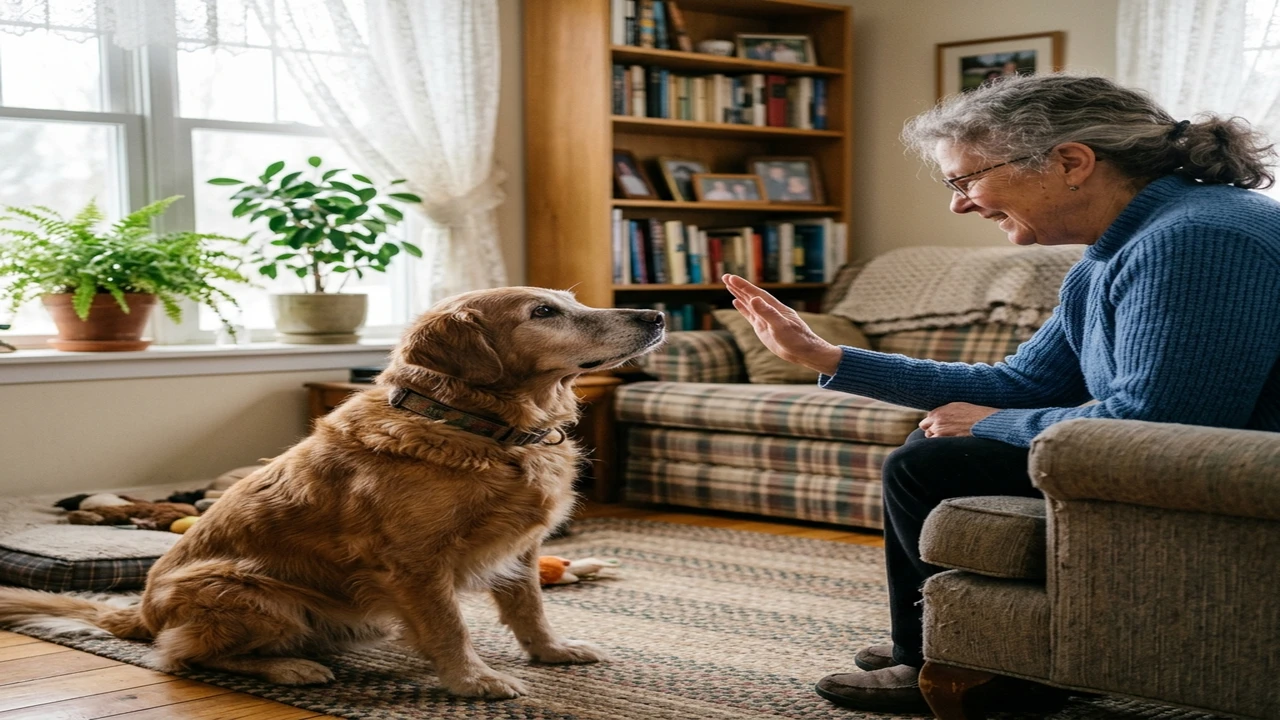
Poodles are a trainer's dream. Their intelligence and eagerness to please make them responsive to positive reinforcement, and they can learn complex commands and tricks with remarkable speed. Many Poodles master basic obedience within days, not weeks.
This intelligence comes with a caveat: Poodles need ongoing mental challenges. A Poodle that is not mentally stimulated will find ways to entertain itself, which often means getting into mischief. Puzzle toys, advanced training, new trick learning, and interactive games are essential for keeping a Poodle's brilliant mind engaged.
Poodles excel in competitive obedience, agility, rally, dock diving, and tracking. They also make outstanding therapy dogs and service dogs, thanks to their sensitivity and trainability.
Grooming and Daily Care
This is the area where Poodle ownership requires the most commitment. Their curly, continuously growing coat does not shed but needs regular professional grooming:
- Professional grooming: Every 4 to 6 weeks for a trim and bath
- Daily brushing: Essential to prevent mats and tangles. A slicker brush and metal comb are your primary tools.
- Ear care: Poodles grow hair inside their ear canals. Regular cleaning and occasional plucking are necessary to prevent infections.
- Dental care: Smaller Poodles are especially prone to dental issues. Regular brushing is important.
- Nail trimming: Every two to three weeks.
Many Poodle owners choose practical clips like the puppy cut, sporting clip, or lamb clip, which keep the coat short and manageable. The elaborate show clips are impressive but entirely optional for pet Poodles.
Health Considerations
Poodles are generally healthy dogs, but each size variety has its own health considerations:
- Standard Poodles: Hip dysplasia, bloat (GDV), Addison's disease, and sebaceous adenitis
- Miniature Poodles: Luxating patella, progressive retinal atrophy, and epilepsy
- Toy Poodles: Luxating patella, Legg-Calve-Perthes disease, and dental issues
- All sizes: Von Willebrand's disease (a bleeding disorder) and eye conditions
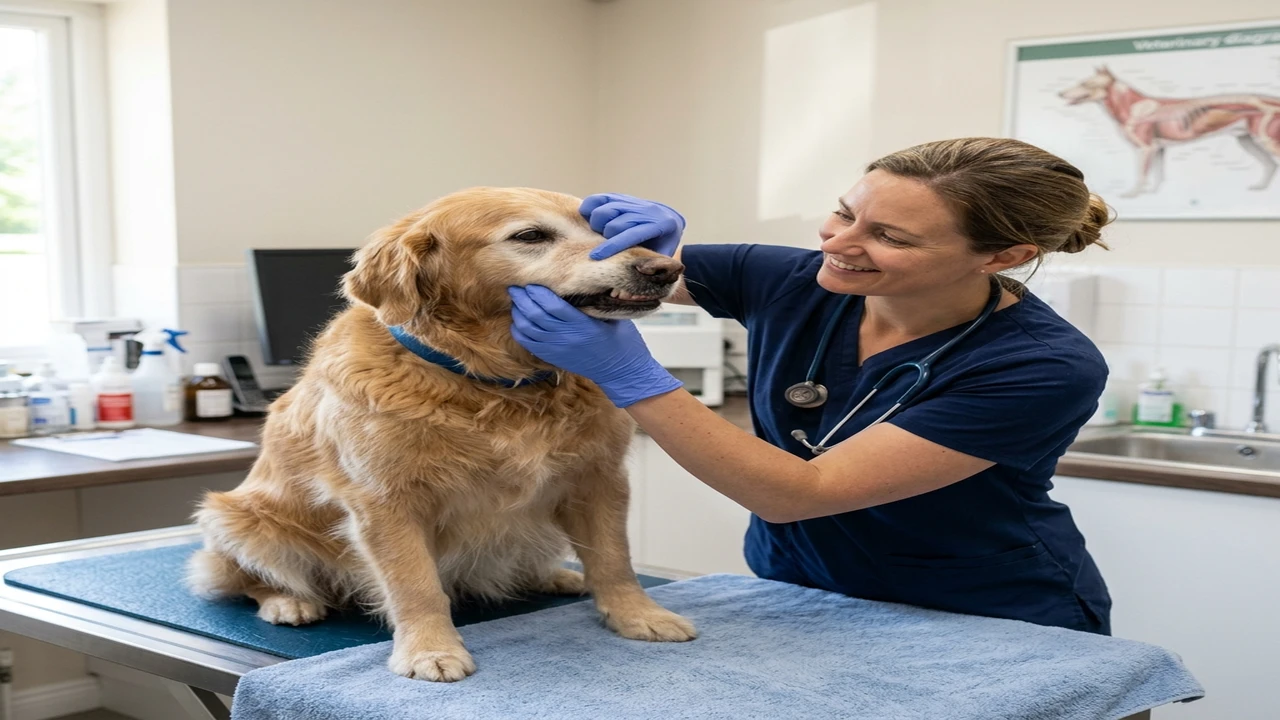
Regular veterinary check-ups are essential. Reputable breeders test for breed-specific health conditions before breeding.
Best Home Environment
Poodles thrive in homes where they receive regular interaction, mental stimulation, and grooming care. The ideal Poodle home has an owner who enjoys training, regular access to grooming services, daily exercise appropriate for the size variety, and a commitment to keeping the dog mentally engaged.
Pros and Cons
Pros
- Hypoallergenic — minimal shedding
- Exceptionally intelligent and highly trainable
- Available in three sizes for different living situations
- Elegant, athletic, and versatile
- Excellent family dogs, especially Standard Poodles
Cons
- High grooming requirements and costs
- Can develop separation anxiety if left alone frequently
- Need consistent mental stimulation to prevent boredom
- Smaller varieties can be fragile
- Can be reserved or aloof with strangers
Common Mistakes to Avoid
Neglecting grooming. Poodle coats mat quickly if not brushed regularly. Skipping grooming sessions leads to painful matting that often requires shaving.
Underestimating their intelligence. A bored Poodle is a creative Poodle — and not in a good way. Provide daily mental challenges.
Treating Toy Poodles like accessories. Despite their small size, Toy Poodles are real dogs that need exercise, training, and socialization.
Dismissing them as "foo-foo" dogs. Poodles are serious athletes and highly capable working dogs. Do not let their appearance fool you.
Final Thoughts
The Poodle is a breed that defies stereotypes. Behind the elegant exterior lies one of the most intelligent, athletic, and devoted dog breeds in the world. Whether you choose a regal Standard, a lively Miniature, or a devoted Toy, you are getting a companion whose intelligence, sensitivity, and loyalty will enrich your life in ways you never expected.
If you are ready for the grooming commitment and the mental stimulation this breed demands, a Poodle will reward you with a partnership that is as deep as it is delightful. They are not just beautiful dogs — they are brilliant ones, and they will never let you forget it.
Frequently Asked Questions
What's Your Reaction?
 Like
0
Like
0
 Dislike
0
Dislike
0
 Love
0
Love
0
 Funny
0
Funny
0
 Wow
0
Wow
0
 Sad
0
Sad
0
 Angry
0
Angry
0





Comments (0)