
Senior Dog Quality of Life: A Compassionate Assessment Guide
Understand how to assess your senior dog's quality of life. Learn about daily monitoring tools, veterinary palliative care, and navigating difficult end-of-life decisions.

Senior Dog Quality of Life: A Compassionate Assessment Guide
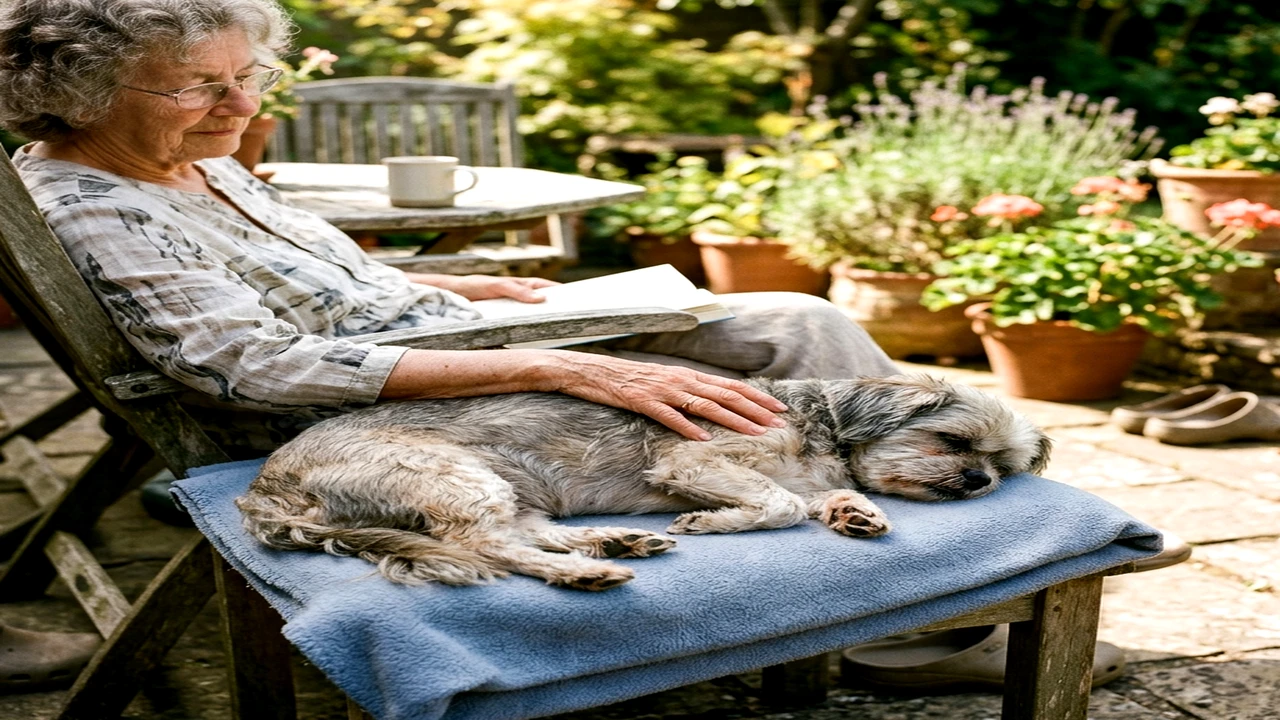
One of the most profound responsibilities of caring for a senior dog is monitoring and assessing their quality of life. As our canine companions reach the final stages of their lives, their bodies and minds change, and their needs shift from active care to comfort, dignity, and palliative support. Navigating this phase requires compassion, objective evaluation, and close partnership with your veterinary care team. It is a deeply personal journey, and there is no single "right" timeline for every family.
Evaluating an older pet's quality of life is not a one-time event; it is an ongoing process that should be carried out over weeks and months. By keeping a daily record of comfort and function, and using established veterinary assessment tools, you can make informed, compassionate decisions that prioritize your dog's well-being. For building a supportive partnership with your veterinarian, see preventive care for dogs.
Using the HHHHHMM (H5M2) Quality of Life Scale
Veterinary oncologists and hospice specialists often recommend using objective tools to evaluate a dog's comfort and happiness. The HHHHHMM scale (developed by Dr. Alice Villalobos) provides a structured way to assess seven key categories on a scale from 0 to 10 (with 10 being ideal and 0 being poor):
- Hurt (0-10): Is your dog's pain managed effectively? Are they breathing easily? Veterinary pain control can include anti-inflammatory drugs, acupuncture, or laser therapy.
- Hunger (0-10): Are they eating enough food? Do they require hand-feeding, warmed food, or appetite stimulants?
- Hydration (0-10): Are they taking in enough fluids? Dehydration can cause lethargy and confusion. In some cases, subcutaneous fluids can be administered at home.
- Hygiene (0-10): Are they clean and brushed? Can they eliminate without soiled fur? If they have incontinence, can you keep them dry to prevent urine scald?
- Happiness (0-10): Do they show joy? Do they greet you, wag their tail, and respond to family activities, or are they withdrawn and isolated?
- Mobility (0-10): Can they stand and walk independently or with assistance (like a harness or cart)? Do they experience painful slips? For mobility signs, see mobility and pain in senior dogs.
- More Good Days than Bad (0-10): When bad days outnumber good days, their quality of life is compromised.
Advanced Palliative and Hospice Care Support
Palliative care focuses on managing symptoms and maximizing comfort when a cure is no longer possible.
- Multimodal Pain Management: Working with your veterinarian to design a tailored pain protocol is critical. Modern veterinary medicine offers a wide range of options, including nerve-specific pain medications, joint supplements, physical therapy, and warm compresses. Never give human pain medications to a dog.
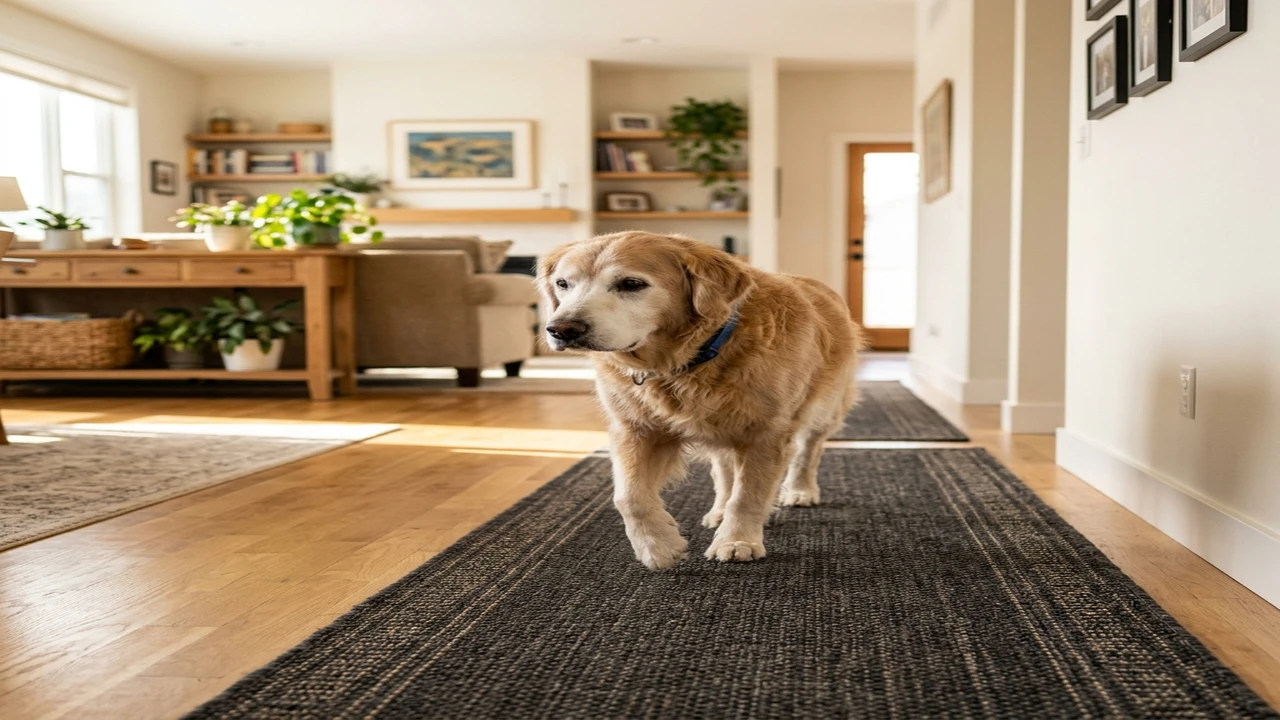
- Environmental Safety: Create a safe environment by laying down non-slip rugs, providing supportive beds, and keeping food and water bowls easily accessible. For home safety tips, read how to make your home safer for a senior dog.
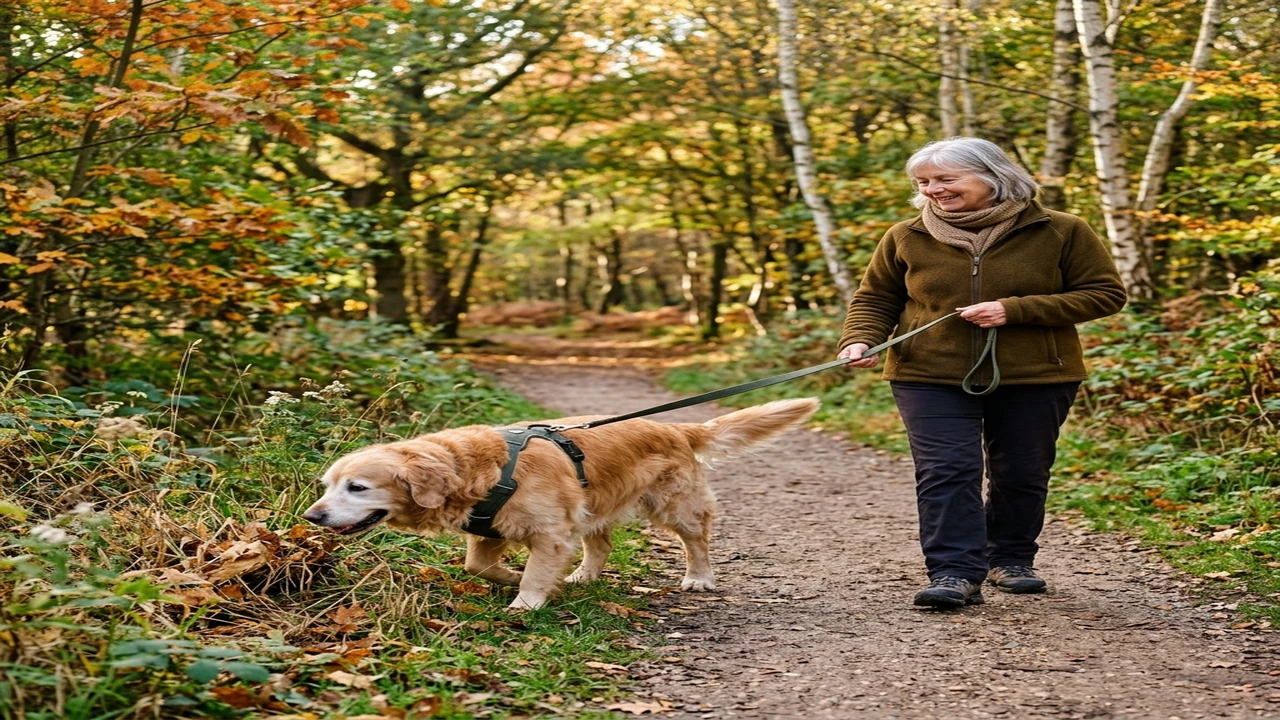
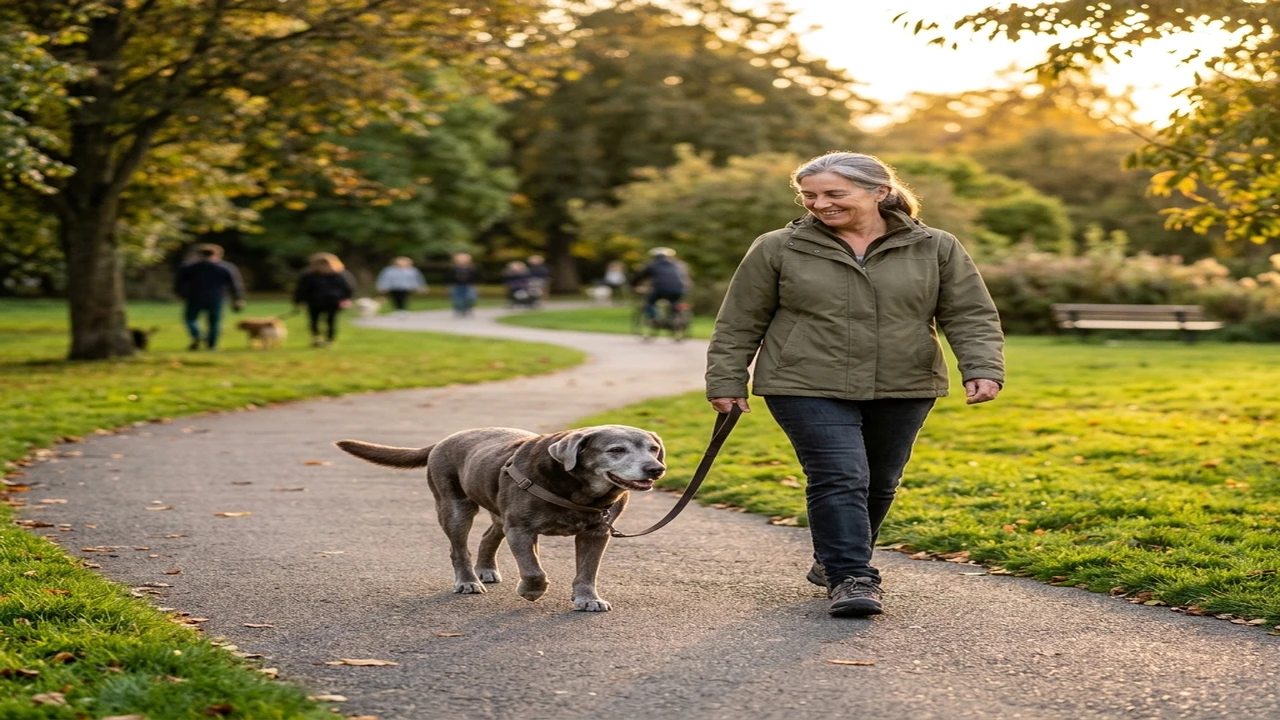
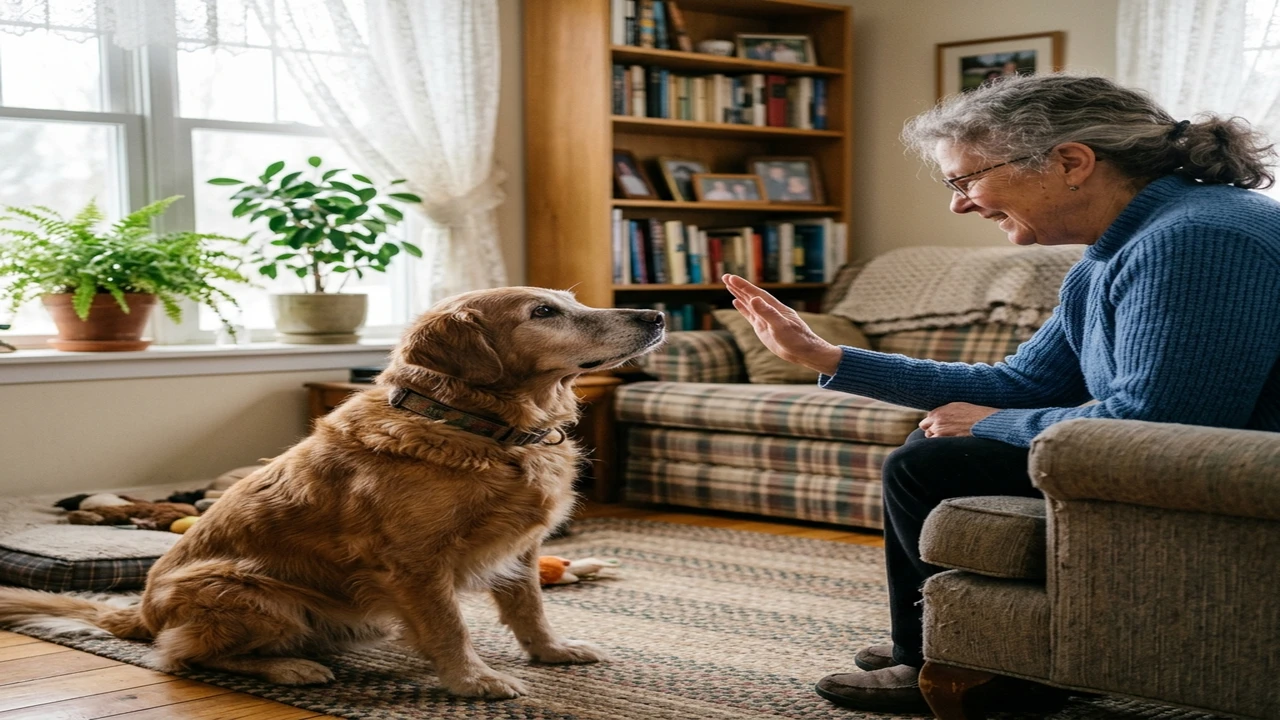
- Emotional Connection: Even if your dog can no longer go for long walks, they still benefit from mental enrichment and family bonding. Spend quiet time sitting with them, brushing their coat gently, and taking them outside for fresh air in a wagon or stroller.
Navigating End-of-Life Decisions
The decision to pursue euthanasia is one of the most painful choices a pet owner will ever make. It is important to approach this choice with compassion for your dog and yourself, free from judgment.
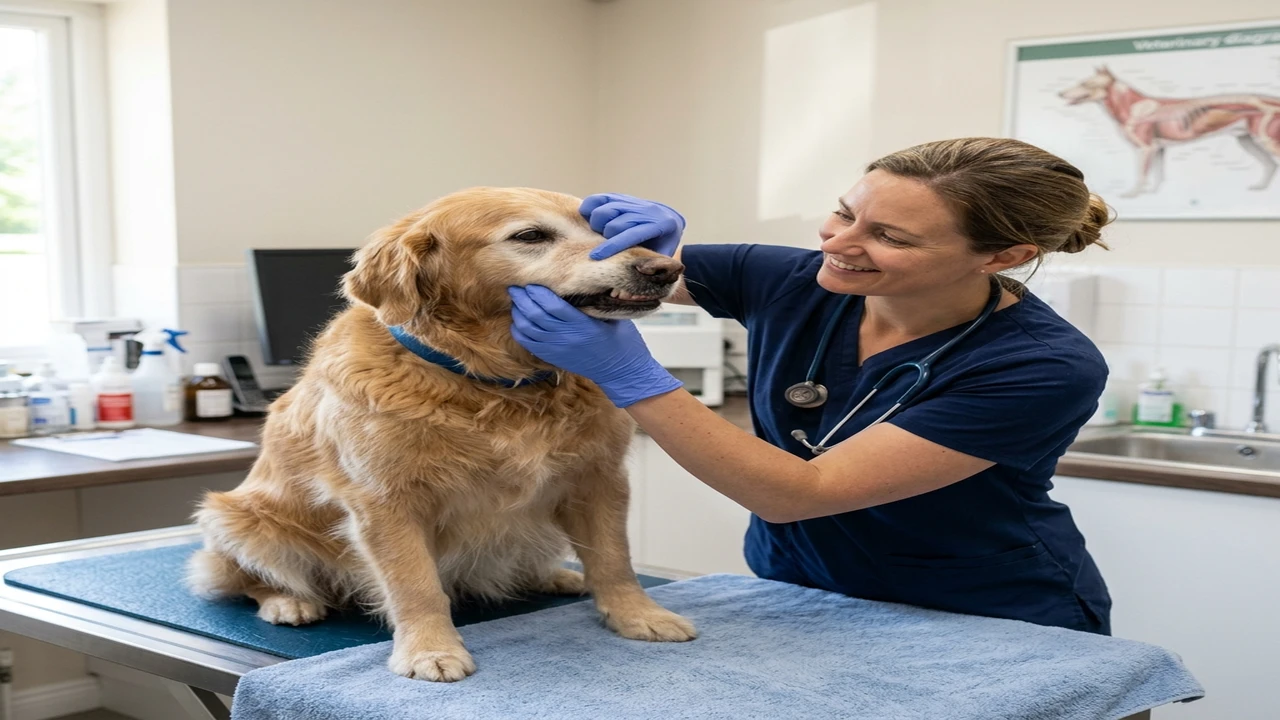
- Consult Your Veterinarian: Your vet is your partner. They can explain your dog's medical condition, evaluate their pain levels objectively, and help you understand what to expect as their condition progresses.
- Consider Their Dignity: Evaluate if your dog can still perform their favorite activities and maintain basic bodily functions. Euthanasia is a compassionate medical tool designed to prevent suffering and ensure a peaceful transition.
- In-Home Services: If possible, consider mobile veterinary services that can perform euthanasia in the comfort of your home. This allows your dog to remain calm in a familiar space surrounded by loved ones.
| Assessment Category | Good Quality indicators | Poor Quality Indicators |
|---|---|---|
| Hurt / Comfort | Pain managed; quiet breathing; restful sleep | Panting at rest; groaning or whining; pacing |
| Hunger / Hydration | Eats meals happily; drinks water normally | Refusing food; chronic weight loss; dehydration |
| Hygiene / Mobility | Keeps clean; stands up easily; walks safely | Incontinence; splaying paws; unable to stand |
| Happiness / Interaction | Greets family; enjoys petting; tail wags | Withdrawn; staring at walls; crying when touched |
The Clinical Framework of Veterinary Hospice and Palliative Care
Veterinary hospice and palliative care represent a structured, compassionate clinical framework focused on managing symptoms, maintaining comfort, and supporting the human-animal bond when a cure is no longer possible. Unlike acute medical care, hospice care does not seek to extend life at all costs; instead, it prioritizes the quality of the remaining life. The framework relies on a collaborative partnership between the owner and the veterinary team to manage pain, ensure nutrition, and adapt the home environment to meet the dog's changing needs.
A central pillar of palliative care is multimodal pain management, which combines different classes of medications (such as NSAIDs, gabapentin, and monoclonal antibody therapies) to target pain pathways from multiple angles. This approach allows for lower drug doses, reducing side effects while providing superior pain relief. Veterinary hospice also includes hydration support, wound care, and nutritional adjustments to manage nausea or inappetence, ensuring that the senior dog remains comfortable and pain-free during their final weeks or months.
Navigating Complex Care Transitions and Caregiver Burnout
Caring for a senior dog in their final stages is an emotionally demanding journey that can lead to significant caregiver burnout. The physical demands of lifting a large dog, managing incontinence, and monitoring daily pain, combined with the emotional strain of anticipating loss, can exhaust owners. It is critical for caregivers to recognize signs of burnout—such as anxiety, feelings of helplessness, or isolation—and seek support from family, support groups, or veterinary professionals.
Navigating the transition from palliative care to euthanasia requires open communication and objective planning. Keeping a daily quality-of-life calendar helps remove emotional bias, allowing you to see clear trends in your dog's comfort and function. Discussing the euthanasia process beforehand with your veterinarian helps demystify the procedure, reducing anxiety and allowing you to focus on saying goodbye in a peaceful, respectful environment. Recognizing when you can no longer manage your dog's pain or maintain their dignity is a profound act of love, ensuring their life ends with comfort and respect.
Understanding Pain Scoring and Behavioral Indicators of Distress
Accurately identifying and scoring pain is essential for managing a senior dog's quality of life. Dogs communicate pain through subtle behavioral changes rather than vocalizations like whining or crying. Common indicators of chronic pain include pacing, restlessness at night, panting when it is not hot, licking at joints or hips, a stiff gait, arched back, and a low head carriage. Behavioral shifts, such as withdrawing from family interactions or displaying sudden irritability when touched, are also frequent signs of discomfort.
To help assess pain objectively, veterinarians recommend using standardized pain scoring systems, such as the Colorado State University Canine Chronic Pain Scale. This scale evaluates body posture, muscle mass, joint comfort, and the dog's response to palpation. Keeping a daily log of these indicators, along with a quality-of-life calendar, allows you to track trends and evaluate if your pain management plan is effective. If your dog exhibits multiple indicators of pain despite medication, consult your veterinarian to adjust their treatment protocol.
The Euthanasia Procedure: What to Expect and How to Prepare
Navigating the final transition of euthanasia requires understanding the procedure and preparing for a peaceful farewell. Euthanasia is a gentle medical procedure designed to end suffering.
- The Process: The veterinarian will typically administer a sedative first to help your dog relax and fall into a deep, pain-free sleep. Once comfortable, a concentrated anesthetic solution is injected, usually through an intravenous catheter, which gently stops the heart. The process is completely painless and takes only a few minutes.
- Preparation: Decide who will be present during the procedure. Talk to children and family members beforehand to prepare them. Choose a quiet location, whether in a dedicated room at the veterinary clinic or at home using a mobile veterinary service.
- Aftercare: Consider aftercare options, such as private cremation (where your pet's ashes are returned to you) or communal cremation, and decide on a memorial item, like a paw print impression, to honor their memory.
HHHHHMM Quality of Life Scoring Rubric and Decision Guidance
To help you assess your senior dog's comfort and happiness objectively, use this detailed scoring rubric based on the HHHHHMM (H5M2) scale. Score each category from 0 (poor) to 10 (ideal) every week:
- Hurt (Pain Control): Is their pain managed effectively? Do they breathe easily and sleep restfully without panting or pacing? (Target: 7+)
- Hunger (Nutrition): Do they eat their meals happily? Do they maintain a healthy body condition without persistent weight loss? (Target: 7+)
- Hydration (Fluids): Are they taking in adequate water? Do they show good skin elasticity and wet, pink gums? (Target: 7+)
- Hygiene (Cleanliness): Can they eliminate easily? Can they be kept clean and dry if they experience urinary incontinence? (Target: 7+)
- Happiness (Social Joy): Do they greet you, wag their tail, and participate in family routines? Do they enjoy petting and interaction? (Target: 7+)
- Mobility (Movement): Can they stand up and walk independently or with minor assistance? Are they free from painful falls? (Target: 5+)
- More Good Days than Bad: Do they have significantly more bright, comfortable days than painful, lethargic days? (Target: 7+)
Long-Term Hospice Planning and Veterinary Support Networks
Structuring a long-term veterinary hospice plan is essential for ensuring your senior dog's final weeks or months are comfortable and dignified. Work with your veterinarian to design a comprehensive palliative care plan that addresses pain control, nutritional support, hydration, and environmental modifications. This plan should include regular quality-of-life assessments and define clear medical criteria for adjusting treatments or administering rescue medications.
In addition to primary veterinary care, leverage professional support networks, including veterinary hospice specialists, mobile veterinary services, and pet loss support groups. Having access to in-home care services allows you to manage your dog's comfort in their familiar environment, reducing stress for both your pet and your family. Collaborative planning helps you navigate difficult decisions with clarity, compassion, and respect.
Psychological Well-Being and Pain Management in Palliative Care
Prioritizing psychological well-being is a critical component of veterinary palliative and hospice care. Chronic pain and terminal illness can cause anxiety, confusion, and distress, making pain management essential for supporting your dog's mental state. Work closely with your veterinarian to monitor for signs of discomfort and adjust their pain protocol using a multimodal approach to ensure they remain comfortable.
Support their psychological health by keeping them integrated in family life, providing quiet, comfortable resting spots near family activities, and offering gentle affection and enrichment. Spend quiet time grooming their coat or taking them for fresh air in a wagon. Ensuring your dog's final weeks or months are filled with comfort, dignity, and love supports their well-being, helping them pass peacefully surrounded by family.
Monitoring Vital Health Trends and Veterinary Clinic Communication
Tracking vital health trends, such as weekly body weight, resting respiration rate, and daily water consumption, is critical for senior dogs. A sudden change in weight or hydration levels can be the first indicator of subclinical metabolic changes, indicating it is time to coordinate with your vet clinic. Maintain a clear, chronological record of these markers to share during checkups, allowing for proactive, individualized care adjustments.
[!IMPORTANT]Medical Disclaimer: This article provides general educational information and does not replace an examination, diagnosis or treatment plan from a licensed veterinarian. Contact your veterinarian about new or worsening changes in your senior dog.
Sources and Further Reading
- International Association for Animal Hospice and Palliative Care (IAAHPC) - Quality of Life Guidelines.
- Dr. Alice Villalobos - Quality of Life Scale (HHHHHMM) for Hospice Patients.
- AVMA Guidelines for the Euthanasia of Animals.
- American Animal Hospital Association (AAHA) - End-of-Life Care Guidelines.
Senior Dog Quality of Life FAQ
What's Your Reaction?
 Like
0
Like
0
 Dislike
0
Dislike
0
 Love
0
Love
0
 Funny
0
Funny
0
 Wow
0
Wow
0
 Sad
0
Sad
0
 Angry
0
Angry
0




Comments (0)