
Dog Food Allergies and Intolerances: Signs and Veterinary Diagnosis
A comprehensive veterinary guide to dog food allergies and intolerances. Learn about toxicity, symptoms, dietary trials, and how to identify food allergens under professional supervision.


Dog Food Allergies and Intolerances: Signs and Veterinary Diagnosis
Itching, scratching, red skin, chronic ear infections, and soft stools are common issues that cause pet owners to seek veterinary care. When these symptoms appear, many owners immediately assume their pet has a food allergy. They walk into pet stores and buy grain-free, exotic-ingredient, or "hypoallergenic" kibbles. However, dog food allergies and intolerances are widely misunderstood, and self-diagnosing them frequently leads to delayed treatment, wasted money, and nutritional imbalances. To manage these conditions effectively, owners must learn to distinguish between allergies and intolerances, understand that symptoms do not confirm a diagnosis, and execute a strict elimination diet under veterinary supervision.
Every dog has a unique immune and digestive system, and reactions to food can manifest in various ways. True food allergies are immunological reactions to specific ingredients, while food intolerances are digestive sensitivities. In this guide, we demystify the science behind dog food allergies and intolerances, outline the clinical signs, and explain the step-by-step process used by veterinary dermatologists to diagnose and manage these conditions.
Key Takeaways for Food Allergies
- Allergy vs. Intolerance: Allergies involve the immune system and cause skin/ear issues, while intolerances are digestive sensitivities causing gas or diarrhea.
- Symptoms Are Non-Specific: Chronic itching or soft stool can be caused by environmental allergies, parasites, or infections, not just food. A symptom alone does not confirm a food allergy.
- Animal Proteins Are Main Culprits: Beef, dairy, and chicken are the most common allergens. Grain allergies are rare.
- Avoid Inaccurate Tests: Blood, saliva, and hair allergy tests are scientifically unreliable. Do not use them.
- Elimination Trial is the Gold Standard: Diagnosing a food allergy requires a strict 8 to 12 week veterinary-supervised elimination diet using hydrolyzed or novel protein foods.
Understanding the Nutritional Concept: Allergy vs. Intolerance
To fully understand adverse food reactions, let's explore how the immune system reacts to allergens. The lining of a healthy dog's gastrointestinal tract acts as a selective barrier, absorbing digested nutrients while preventing intact proteins from entering the bloodstream. In a dog with a food allergy, this barrier is compromised, or the local immune system (gut-associated lymphoid tissue, or GALT) fails to develop oral tolerance to a protein. When an intact allergen passes through the mucosal barrier, it is captured by antigen-presenting cells, which present it to T-helper cells. This triggers B-cells to produce allergen-specific IgE antibodies. These antibodies attach to mast cells located in the skin, gut, and respiratory tract. Upon re-exposure, the allergen binds to these IgE antibodies, causing the mast cells to degranulate and release histamine and other inflammatory mediators, triggering intense itching and redness.
Because these mast cells are heavily concentrated in the skin, the clinical presentation of food allergies in dogs is primarily dermatological. The itching is typically non-seasonal, meaning it occurs year-round, and commonly affects the paws, face, ears, armpits, and groin. Dogs will chew their paws, rub their faces on carpets, and scratch their sides constantly. This chronic scratching damages the skin barrier, leading to secondary bacterial (Staphylococcus pseudintermedius) or yeast (Malassezia pachydermatis) skin and ear infections. These secondary infections increase the severity of the itching, making it essential to treat them before assessing the effectiveness of the elimination diet trial.
It is critical to note that a symptom alone does not confirm a food allergy. Chronic scratching and soft stools are common clinical signs that can also be caused by flea bites, environmental allergens (atopic dermatitis), skin parasites (mites), or primary bacterial infections. Self-diagnosing a food allergy and switching between retail diets often leads to a cycle of temporary improvement followed by relapse. This is because many retail "allergen-free" diets contain trace contamination of other proteins due to shared manufacturing equipment. A true diagnosis requires veterinary supervision to systematically rule out other causes and execute a controlled elimination diet trial.
To address your dog's symptoms, you must first understand the biological difference between a food allergy (adverse food reaction with immunological basis) and a food intolerance (adverse food reaction without immunological basis):
Canine Food Allergies (Adverse Food Reactions)
A food allergy occurs when a dog's immune system mistakenly identifies a harmless ingredient—usually a protein—as a dangerous invader. The immune system sensitizes itself to this protein, producing immunoglobulin E (IgE) antibodies. When the dog consumes that protein again, these antibodies trigger a release of inflammatory chemicals like histamine. In dogs, histamine receptors are concentrated in the skin, resulting in intense itching (pruritus), redness, hives, and chronic ear infections. According to veterinary research, the most common allergens in dogs are beef, dairy products, chicken, wheat, and lamb. A dog cannot develop an allergy to an ingredient they have never eaten; sensitization requires repeated exposure over months or years.
Canine Food Intolerances
A food intolerance does not involve the immune system. It is a functional digestive failure, similar to lactose intolerance in humans. The dog’s digestive tract is unable to break down a specific compound in the food, or reacts to the physical properties of the diet. For example, if a dog lacks the enzyme lactase, consuming milk will result in bacterial fermentation in the colon, causing gas, cramping, vomiting, and diarrhea. Food intolerances occur quickly after ingestion, do not require a sensitization period, and do not cause chronic skin inflammation or ear infections.
Clinical Signs: Why Symptoms Do Not Confirm a Diagnosis
A common clinical mistake is assuming that because a dog is itchy and has soft stool, they must have a food allergy. In reality, the symptoms of dog food allergies and intolerances are non-specific. They overlap with several other common conditions:
- Flea Allergy Dermatitis (FAD): A single flea bite can cause intense, chronic itching, especially over the lower back and tail base.
- Atopic Dermatitis (Environmental Allergies): Allergies to pollen, dust mites, molds, and grasses cause identical skin redness, itching, and chewing of the paws. Atopy is far more common in dogs than food allergies.
- Secondary Infections: Bacterial and yeast skin infections cause severe itching and must be treated before assessing food triggers.
Because these conditions look identical, a symptom alone does not confirm a food allergy. Veterinary diagnostic protocols must systematically rule out fleas, mites, and environmental allergies before concluding that food is the primary cause of the dog's discomfort.
The Gold Standard: The Veterinary Elimination Diet Trial
There are no reliable diagnostic tests for pet food allergies. Commercial blood, saliva, and hair tests have been evaluated in peer-reviewed veterinary studies and proven to be inaccurate, producing numerous false-positive and false-negative results. The only scientifically validated method to diagnose a food allergy is a veterinary-supervised elimination diet trial.
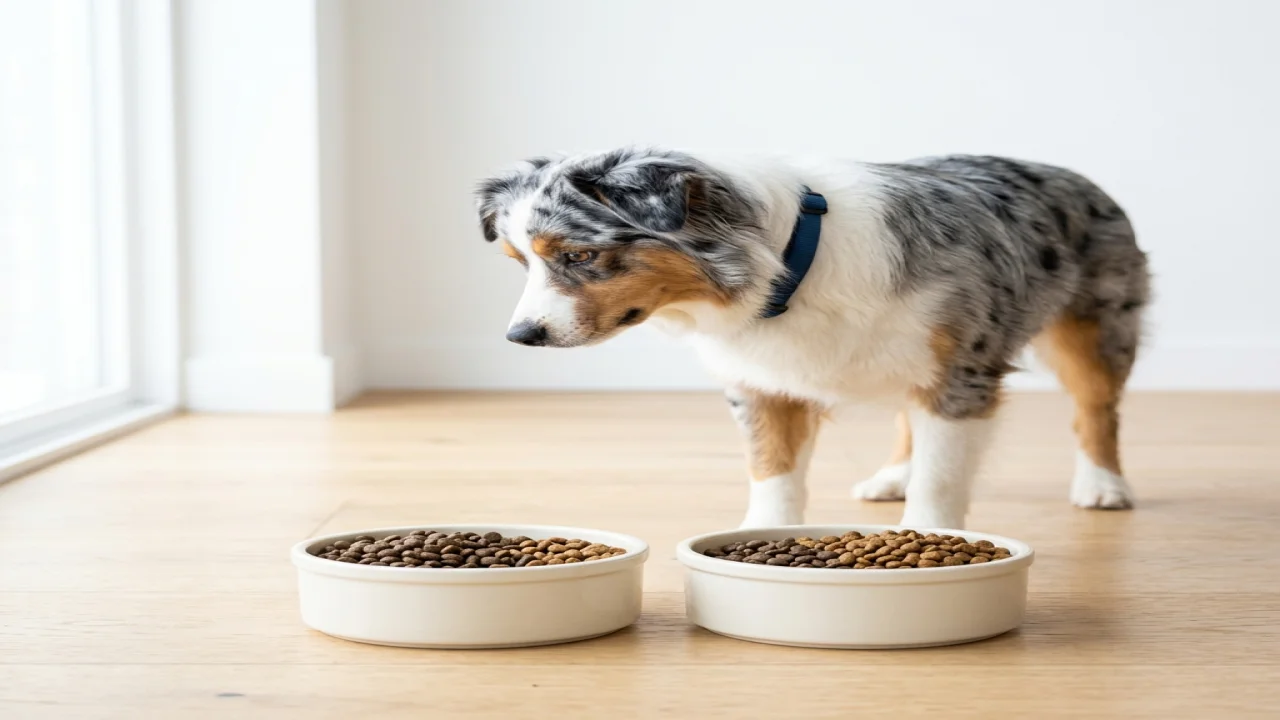
An elimination trial involves feeding the dog a diet containing protein and carbohydrate sources to which they have never been exposed, or a diet where the proteins are chemically hydrolyzed. This trial must be maintained strictly for 8 to 12 weeks. During this period, the dog's immune system is given time to settle, allowing the skin and gut to heal.
Practical Step-by-Step Guidance for an Elimination Diet Trial
If your veterinarian suspects a food allergy, follow these steps to execute a diagnostic elimination trial:
- Select the Trial Diet: Under veterinary guidance, choose between:
- A Hydrolyzed Protein Diet: A veterinary prescription diet (such as Royal Canin Anallergenic, Hill's z/d, or Purina HA) where the proteins are broken down so small that the immune system cannot recognize them. This is the most reliable option.
- A Novel Protein Diet: A diet formulated with a single protein and carbohydrate source your dog has never eaten before (e.g., venison and potato, kangaroo and oats, or alligator). You must use veterinary prescription brands, as retail "limited ingredient" foods frequently contain cross-contamination from shared manufacturing equipment.
- Implement Strict Dietary Control: For 8 to 12 weeks, your dog must consume ONLY the prescribed trial diet and water. You must eliminate all of the following:
- Commercial dog treats, biscuits, and chews
- Rawhide, bully sticks, and dental chews
- Flavored medications (e.g., chewable heartworm/flea preventives—discuss non-flavored alternatives with your vet)
- Toothpaste, flavored toys, and dietary supplements
- Table scraps and dropped kitchen crumbs
- Monitor and Document Symptoms: Keep a daily journal tracking your dog's itching levels, skin redness, ear status, and stool quality.
- Perform the Dietary Challenge: If your dog's symptoms improve significantly by the end of the 12-week trial, you must perform a "challenge." Reintroduce a single ingredient from their old food (e.g., chicken) for up to 14 days. If their symptoms flare up within a few days, you have confirmed that ingredient is an allergen. If no reaction occurs, that ingredient is safe, and you can test another.
Common Mistakes to Avoid
Allowing minor cheat meals. A single piece of cheese, a crumb of toast, or a flavored pill during an elimination trial will trigger the immune system and ruin the entire trial. If a cheat meal occurs, the 12-week clock must be reset to day one.
Using retail "limited ingredient" diets for the trial. DNA testing of retail pet foods has shown that many contain traces of beef, chicken, or pork not listed on the ingredient list due to cross-contamination on shared production lines. Only veterinary prescription diets undergo strict equipment sanitation to guarantee purity.
Stopping the trial too early. Skin inflammation takes months to resolve. Stopping a trial after 4 weeks because the dog is still itchy is a mistake. The trial must be maintained for a full 8 to 12 weeks to draw an accurate conclusion.
Safety Risks and Warning Signs
If your dog develops severe vomiting, watery diarrhea, blood in their stool, or rapid weight loss during a dietary transition or elimination trial, stop the diet and seek veterinary care. These are signs of acute food intolerance, dietary indiscretion, or underlying inflammatory bowel disease that require medical management. Never put your dog on a highly restricted diet without a veterinarian’s guidance, as improvised home-cooked diets are often severely deficient in calcium, vitamins, and minerals, which can cause permanent damage to their skeletal and metabolic systems.
The Rechallenge Phase: Confirming the Allergen
If the dog's symptoms resolve during the elimination trial, the final step to confirm the allergy is the rechallenge phase. This involves introducing the suspected protein (like beef or chicken) back into the diet one at a time. If a flare-up of itching or digestive symptoms occurs within a few days, the allergy is officially confirmed, and that specific ingredient must be permanently excluded from the dog's diet.
The Importance of Strict Compliance During Elimination Trials
An elimination diet trial is a diagnostic test, not just a food change. For the trial to be successful, the dog must consume *only* the prescribed hydrolyzed or novel protein food for a period of 8 to 12 weeks. Giving the dog even a single retail treat, table scrap, flavored medication, or toothpaste can ruin the entire trial. If the dog accidentally ingests any other protein, the immune system can react, causing symptoms to flare up and forcing the trial to restart from day one. Explain this clearly to all family members and visitors to protect the accuracy of the veterinary diagnosis.
When Veterinary Supervision is Indispensable
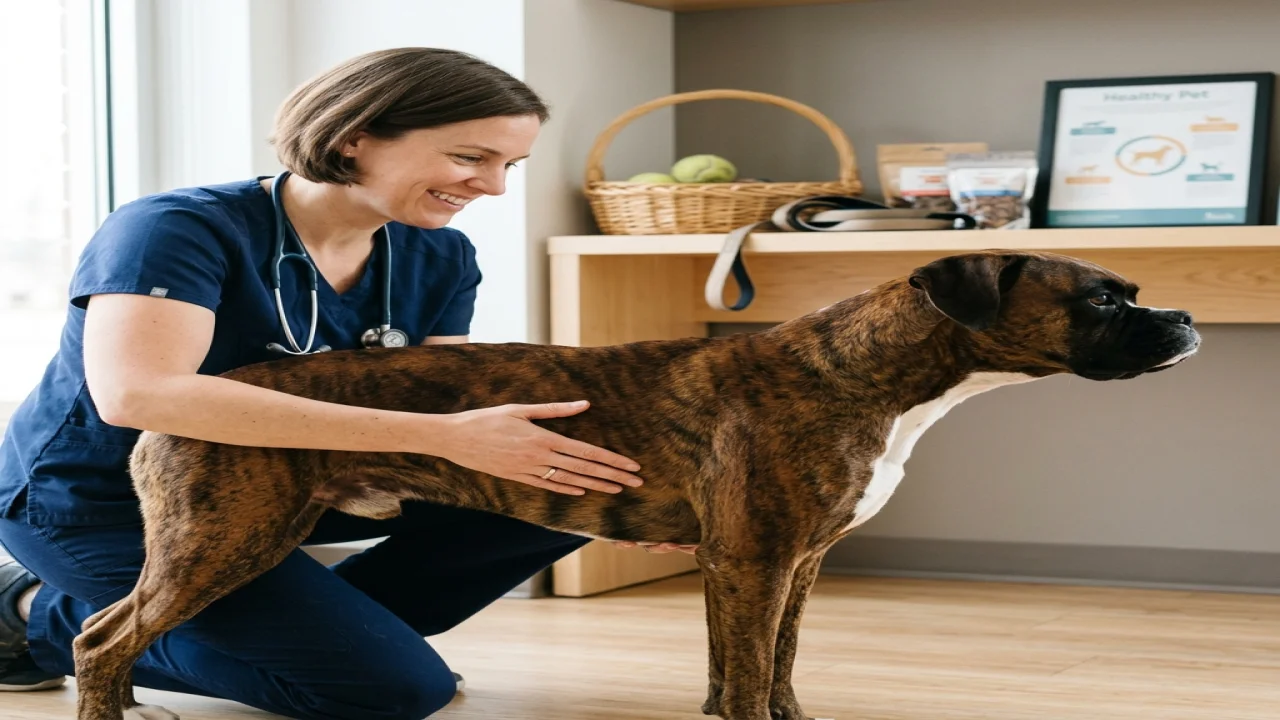
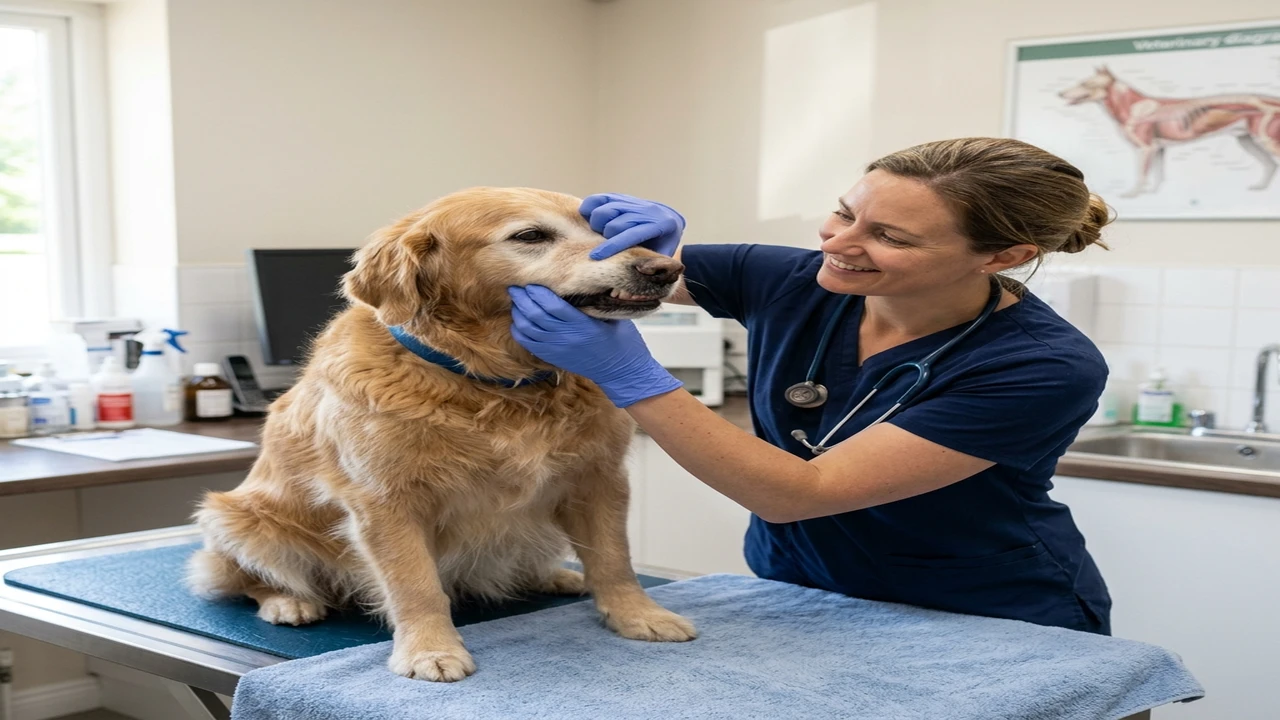
Food allergy diagnosis is complex and must always be handled under veterinary supervision. A veterinarian is required to rule out external parasites (like sarcoptic mange or Demodex mites), diagnose and treat secondary bacterial or yeast infections, and select the appropriate diagnostic diet. If your dog's symptoms do not improve during a strict 12-week trial, your veterinarian can refer you to a board-certified veterinary dermatologist to investigate environmental allergies or perform intradermal allergy testing.
This article provides general educational information and does not replace individualized advice from a veterinarian or board-certified veterinary nutritionist. Consult your veterinarian before making significant changes to your dog’s diet.
Sources and Further Reading
- World Small Animal Veterinary Association (WSAVA): Nutrition Assessment Guidelines
- Cummings School of Veterinary Medicine at Tufts University: Diagnosing Food Allergies
- BMC Veterinary Research: Critically Appraised Topic on Common Food Allergens in Dogs
- Association of American Feed Control Officials (AAFCO): Pet Food Safety Guidelines
Conclusion
Navigating dog food allergies and intolerances requires patience, clinical rigor, and professional veterinary guidance. By understanding that symptoms like itching do not confirm a food allergy, avoiding unreliable commercial blood tests, and strictly executing an 8 to 12 week elimination trial using prescription hydrolyzed or novel protein diets, you can safely identify your dog's dietary triggers. Consult your veterinarian to design a diagnostic plan that will return your dog to a comfortable, itch-free life.
Frequently Asked Questions
What's Your Reaction?
 Like
0
Like
0
 Dislike
0
Dislike
0
 Love
0
Love
0
 Funny
0
Funny
0
 Wow
0
Wow
0
 Sad
0
Sad
0
 Angry
0
Angry
0











Comments (0)