
French Bulldog Guide: Charming, Compact and Full of Personality
Learn about the French Bulldog breed — their charming personality, care needs, health concerns, training basics, and why they are perfect for city life.

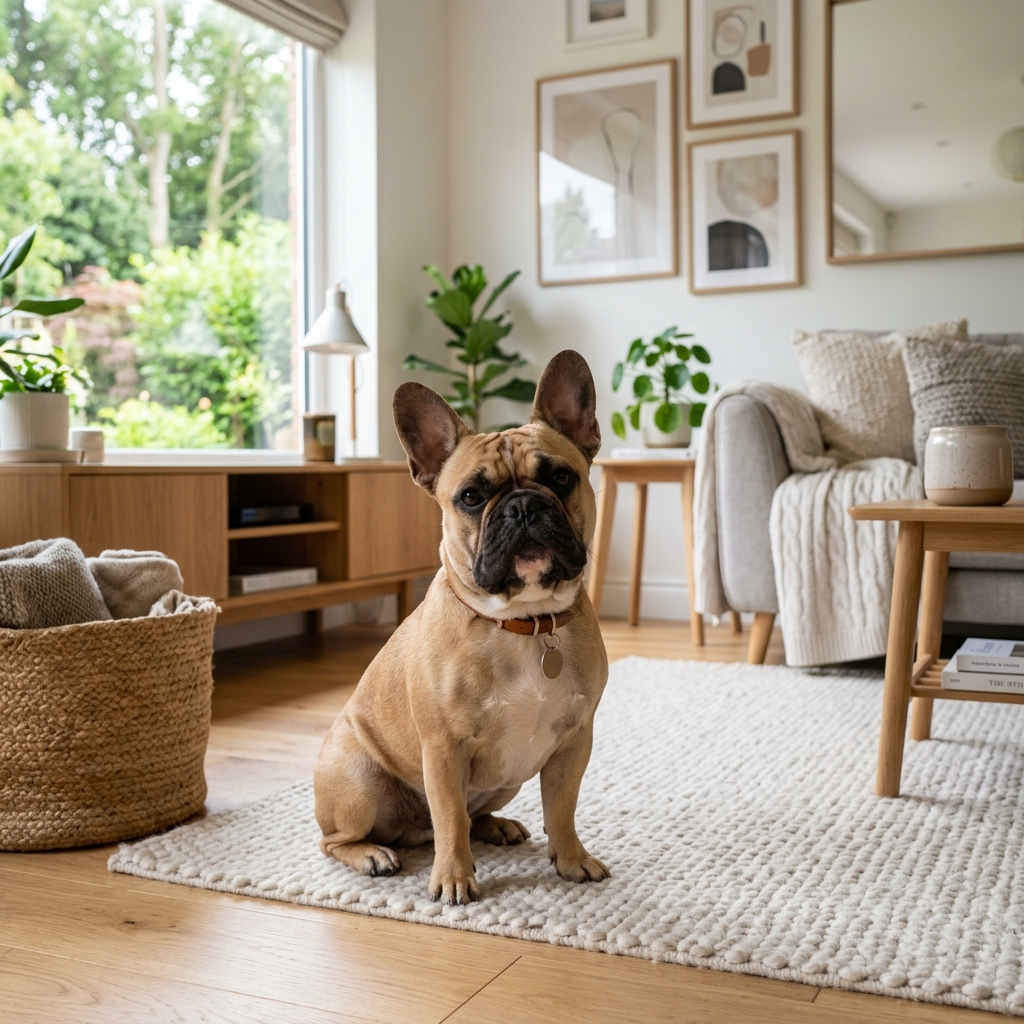
The French Bulldog has skyrocketed in popularity over the past decade, and it is not hard to see why. With their bat-like ears, expressive eyes, and compact muscular build, Frenchies are irresistibly charming. But beneath that adorable exterior lies a breed with specific needs, unique health considerations, and a personality that is far bigger than their small frame suggests.
This guide covers everything you need to know about the French Bulldog — from temperament and daily care to health awareness and training tips.
Quick Overview: The French Bulldog at a Glance
- Origin: France (developed from English Bulldogs)
- Size: Small — 16 to 28 pounds (7 to 13 kg)
- Height: 11 to 13 inches (28 to 33 cm)
- Lifespan: 10 to 12 years
- Coat: Short, smooth, fine
- Temperament: Playful, adaptable, affectionate, alert
- Exercise needs: Low to moderate — 30 to 45 minutes daily
- Good with children: Very good
- Trainability: Moderate — intelligent but occasionally stubborn
Temperament and Personality
French Bulldogs are the comedians of the dog world. They are playful, mischievous, and endlessly entertaining. Despite their small size, they have enormous personalities and a knack for making their owners laugh with their clownish antics and expressive faces.
Frenchies are affectionate without being demanding. They love to cuddle, sit on your lap, and follow you from room to room, but they are not the type to bark for attention or become destructive when you are busy. This balanced temperament is one of the reasons they have become so popular with urban dwellers and apartment residents.
They are remarkably adaptable dogs. Whether you live alone, with a partner, or with a full household of children and other pets, a French Bulldog will adjust to your lifestyle. They are friendly with strangers, get along well with other dogs, and are gentle enough for families with young children.
One thing to know is that Frenchies can be stubborn. They have an independent streak that occasionally surfaces during training or when they decide they are not interested in doing what you have asked. This is not disobedience — it is simply their personality. Patience and humor go a long way with this breed.
Size, Energy, and Lifestyle Fit
French Bulldogs are the ideal size for city living. Weighing between 16 and 28 pounds, they are small enough for apartments but sturdy enough to not feel fragile. Unlike many small breeds, Frenchies are muscular and compact, giving them a solid, stocky build that can handle a bit of rough play.
Their energy level is low to moderate. They enjoy short walks, indoor play, and interactive toys, but they are not the type of dog that needs hours of exercise. In fact, excessive exercise can be dangerous for French Bulldogs due to their breathing structure. Thirty to forty-five minutes of daily activity, broken into multiple short sessions, is ideal.
Frenchies are heat-sensitive. Their flat faces make it difficult for them to regulate body temperature efficiently. In hot weather, exercise should be limited to early morning or late evening, and air conditioning is essential during summer months. Never leave a French Bulldog in a hot car or exposed to direct sun for extended periods.
Training Needs
Training a French Bulldog requires a slightly different approach than training a highly biddable breed like a Labrador. Frenchies are smart — they understand what you are asking — but they sometimes choose not to comply unless properly motivated.
Positive reinforcement is the only way to go with this breed. Use high-value treats, enthusiastic praise, and keep sessions short — five to ten minutes at a time. Frenchies lose interest quickly with repetitive drills. Make training feel like a game, and they will engage enthusiastically.
House training can be a challenge with French Bulldogs. They are not the fastest learners when it comes to potty training, and consistency is crucial. Establish a strict schedule, take them out frequently, and reward every outdoor success. Crate training works well for most Frenchies and helps establish good bathroom habits.
Grooming and Daily Care
French Bulldogs are relatively low-maintenance in the grooming department, but they do have specific care needs:
- Coat care: Their short, smooth coat needs only weekly brushing to remove loose hair.
- Facial wrinkles: Clean between facial folds daily with a damp cloth to prevent moisture buildup, bacterial infections, and irritation. This is one of the most important grooming tasks for Frenchie owners.
- Bathing: Every four to six weeks or as needed. Use a gentle, hypoallergenic shampoo.
- Ear care: Their large, open ears collect dust and debris. Clean weekly.
- Nail trimming: Every two to three weeks.
- Dental care: Brush teeth regularly and provide dental chews. Small breeds are prone to dental issues.
Health Considerations
This is perhaps the most important section of this guide. French Bulldogs are a brachycephalic breed, meaning they have shortened skulls and flat faces. This structure, while endearing, comes with significant health implications:
- Brachycephalic Obstructive Airway Syndrome (BOAS): Difficulty breathing, snoring, and exercise intolerance are common. Severe cases may require surgical intervention.
- Heat sensitivity: Frenchies cannot cool themselves efficiently and are at high risk for heatstroke.
- Spinal issues: Intervertebral disc disease and hemivertebrae can cause pain and mobility problems.
- Skin allergies: Environmental and food allergies are relatively common in the breed.
- Eye conditions: Cherry eye, corneal ulcers, and dry eye can occur.
- Reproduction: Most French Bulldogs cannot reproduce naturally and require cesarean sections.
If you are considering a French Bulldog, choose a breeder who prioritizes health over extreme physical features. Dogs with more moderate facial structures tend to have fewer breathing problems. Regular veterinary care is essential, and pet insurance is strongly recommended for this breed.
Best Home Environment
The best home for a French Bulldog is one with climate control, a calm atmosphere, and an owner who is present regularly. Frenchies are companion dogs — they were bred to be with people, and they do not do well when left alone for long hours. Ideal homes have air conditioning for hot weather, minimal stairs, a regular daily routine, owners who work from home or can provide midday company, and a secure area for short outdoor play.
Pros and Cons
Pros
- Perfect size for apartments and small homes
- Low exercise needs compared to most breeds
- Affectionate, charming, and entertaining personality
- Gets along well with children, other pets, and strangers
- Minimal barking — great for close-quarters living
Cons
- Significant health concerns related to brachycephalic structure
- Heat-sensitive — requires careful temperature management
- Can be stubborn during training
- High veterinary costs due to breed-specific health issues
- Cannot swim and is at risk near water
Common Mistakes to Avoid
Ignoring breathing issues. Snoring and snorting may seem cute, but they can indicate respiratory distress. If your Frenchie struggles to breathe during mild activity, consult your vet.
Exercising in the heat. French Bulldogs can overheat dangerously fast. Always exercise during cooler parts of the day and provide plenty of water and shade.
Neglecting wrinkle cleaning. Those adorable facial folds can harbor bacteria if not cleaned regularly. Make it part of your daily routine.
Choosing a breeder based on color or price. Rare colors like blue or merle often come from breeders who prioritize aesthetics over health. Choose breeders who health-test and prioritize structural soundness.
Final Thoughts
The French Bulldog is a breed that brings enormous joy in a compact package. Their charm, adaptability, and loving nature make them wonderful companions for a wide range of lifestyles. However, responsible ownership means understanding and preparing for their unique health needs.
If you are ready to provide a loving, climate-controlled home with regular veterinary care and plenty of companionship, a French Bulldog will reward you with endless affection, laugh-out-loud moments, and the kind of devoted friendship that makes every day better.
Frequently Asked Questions
What's Your Reaction?
 Like
0
Like
0
 Dislike
0
Dislike
0
 Love
0
Love
0
 Funny
0
Funny
0
 Wow
0
Wow
0
 Sad
0
Sad
0
 Angry
0
Angry
0






Comments (0)