
Fear and Anxiety in Dogs: Signs, Triggers and How to Help
Does your dog hide during storms or tremble around strangers? Learn to identify fear and anxiety in dogs, manage environmental triggers, and build their confidence safely.

Fear and Anxiety in Dogs: Signs, Triggers and How to Help
Living with a fearful or anxious dog can be challenging. Whether your dog trembles during thunderstorms, hides when guests arrive, or panics at the sight of a vacuum cleaner, seeing your pet in distress is heartbreaking. Fear and anxiety in dogs are serious welfare concerns that can significantly impact a dog's quality of life. Like humans, dogs experience complex emotional states that are influenced by genetics, early socialization, learning history, and environmental factors.
Fear is not a behavior that dogs choose to exhibit; it is an involuntary emotional and physiological response to a perceived threat. Labeling a fearful dog as "stubborn" or "spiteful" is incorrect and harms the recovery process. Suppressing fear through punishment is dangerous and can lead to defensive aggression. To help a frightened dog, we must learn to identify their stress signals, manage their environment to keep them safe, and gradually build their confidence using force-free, reward-based methods. This guide outlines how to recognize fear and anxiety in dogs and help them decompress safely.
Key Takeaways
- Involuntary Emotion: Fear is a survival-based emotion, not a voluntary behavior. You cannot cure it with obedience commands or punishment.
- Comfort is Beneficial: Comforting your dog when they are scared helps soothe their nervous system. You cannot reinforce fear through comfort.
- Create a Safe Haven: Build a quiet, dark, and comfortable retreat area where your dog can escape triggers like storms or guests.
- Rule Out Pain First: Sudden onset of fear or anxiety can stem from underlying medical pain or sensory decline and requires a veterinary check.
- Professional Guidance: Severe fear, phobias, or panic attacks require a customized plan from a certified force-free professional.
Understanding Fear and Anxiety in Dogs
In veterinary behavioral medicine, fear is defined as the physiological and emotional response to a specific, present stimulus (such as a loud noise or a veterinary needle). Anxiety is the apprehensive anticipation of a future danger or threat, which can manifest even in the absence of the trigger (such as trembling when the owner picks up keys because the dog anticipates isolation). Phobias are extreme, persistent, and irrational fear responses that result in panic (such as escaping through glass windows during fireworks).
A dog's early socialization window (between 3 and 16 weeks of age) is a critical period where they learn what is safe in their world. A lack of positive exposure to various sights, sounds, people, and dogs during this phase is a primary cause of fear in adult dogs. Additionally, genetics play a major role; some dogs are born with a more sensitive nervous system. Understanding your dog's background helps you tailor your support. For building foundational skills, read how to train a dog.
Common Triggers and Contributing Factors
>>>Sensory and environmental over-stimulation are major triggers for fearful dogs. Sudden loud noises (such as fireworks, thunder, or construction), unfamiliar people, and forced social situations can trigger an acute panic response. If a dog is repeatedly exposed to these triggers without escape options, their stress levels remain high, leading to chronic anxiety. Managing the environment and providing a safe, quiet space is crucial for reducing their stress. To build confidence with positive training, check out how to train a dog.
Physical pain is another major contributing factor. Conditions like osteoarthritis, ear infections, or joint strain lower a dog's tolerance for stress, causing them to show fear or avoidance behaviors more readily. A thorough veterinary orthopedic exam is essential to rule out pain as a cause of anxiety. Refer to dog health emergency warning signs for monitoring pain symptoms.
Fear and anxiety are triggered by various environmental and internal factors, including:
- Environmental Noises: Thunderstorms, fireworks, construction equipment, alarms, and vacuum cleaners.
- Social Triggers: Unfamiliar people, children, vet clinics, or other dogs. For crate management, refer to crate training a dog.
- Isolation: Being left alone, which can lead to separation distress or barrier frustration.
- Physical Pain: Undiagnosed pain from arthritis, dental issues, or skin allergies lowers a dog's threshold for stress. Refer to dog health emergency warning signs.
Dog Body-Language Signals to Observe
Fearful dogs display a range of physical signals. Learning to spot these early allows you to intervene before your dog panics:
- Subtle Signs: Yawning, lip-licking, averting eyes, or holding a front paw up indicate the dog is feeling uncomfortable in their current environment.
Spotting the early, subtle signs of fear in dogs is critical for managing their stress. These include yawning, lip-licking (when food is not present), averting their gaze, raising a front paw, or moving slowly. If these warning signals are ignored, the dog's stress levels will escalate, leading to trembling, cowering, and panic. Comforting your dog gently when they are scared helps soothe their nervous system. You cannot reinforce fear through comfort because fear is an involuntary emotion, not a voluntary behavior. For foundational training, read how to train a dog.
Additionally, sudden fear or anxiety can be triggered by underlying physical pain or sensory decline. Joint pain from arthritis or loss of vision/hearing makes dogs feel vulnerable, leading to new fears or clinginess. A thorough veterinary examination is essential to rule out medical causes. Refer to dog health emergency warning signs for monitoring symptoms.
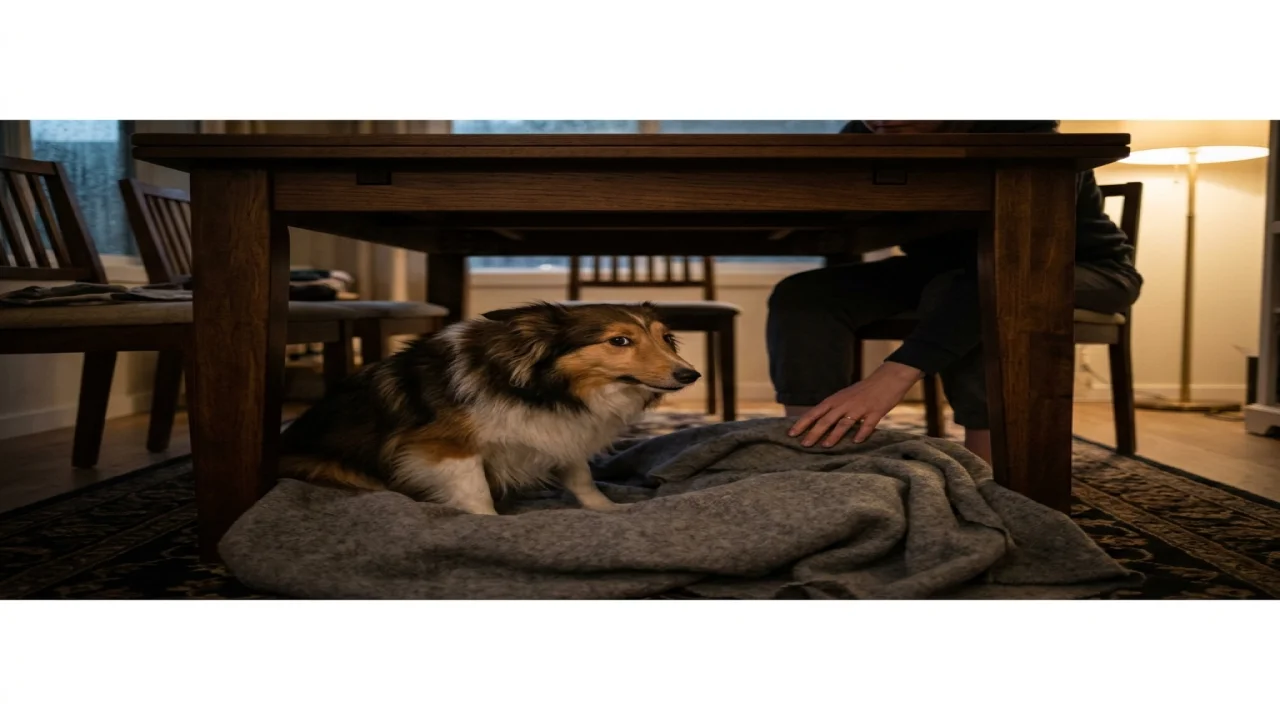
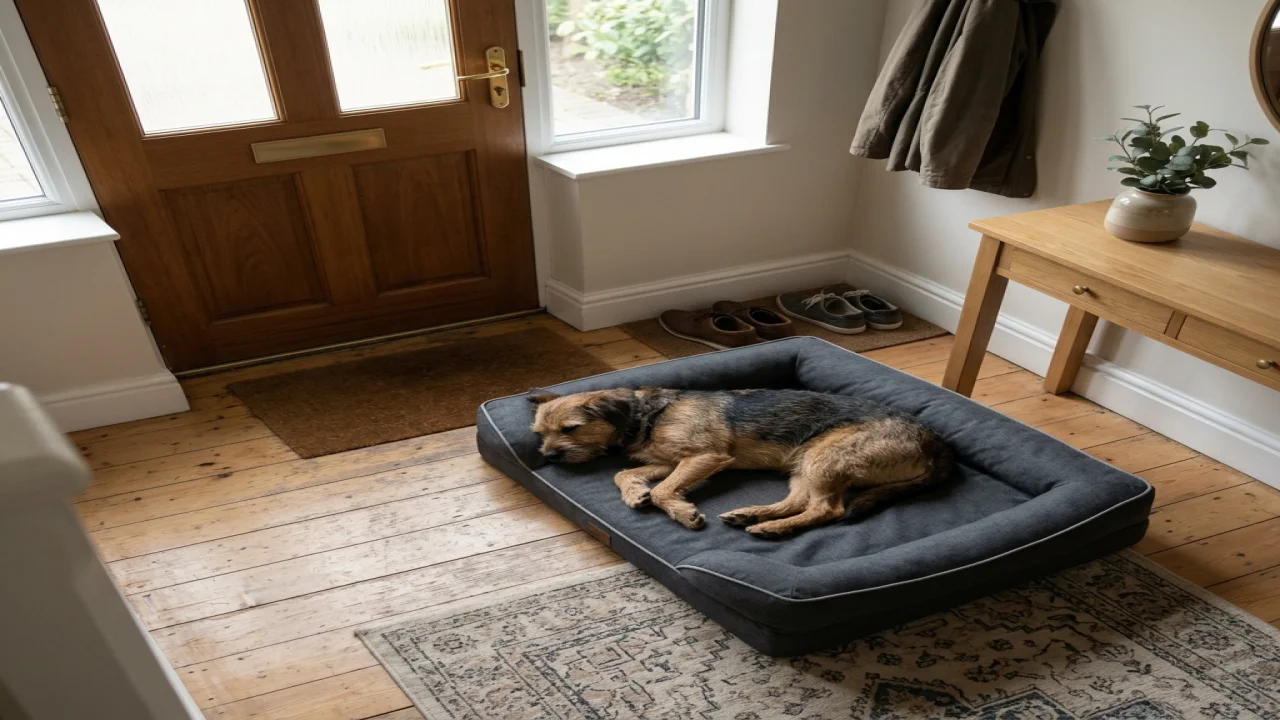
To help an anxious dog cope with stress, create a designated "safe haven" in a quiet room or open crate with comfortable bedding, white noise, and blinds closed. Allow them to escape to this area during storms or fireworks, and never force them to stay in a scary environment. To build confidence with positive confinement, check out crate training a dog.
Finally, work with a certified professional to address severe anxiety or noise phobias. They will help you implement systematic desensitization, gradually exposing your dog to low-level triggers paired with rewards to build confidence safely, without using punishment or aversive tools.
- Moderate Signs: Cowering (lowering the body), tucking the tail between the legs, pulling ears back flat, and dilating pupils.
- Severe Signs: Trembling, pacing, heavy panting (when not hot), hiding under furniture, salivating, and trying to escape.
What Owners Can Do Safely
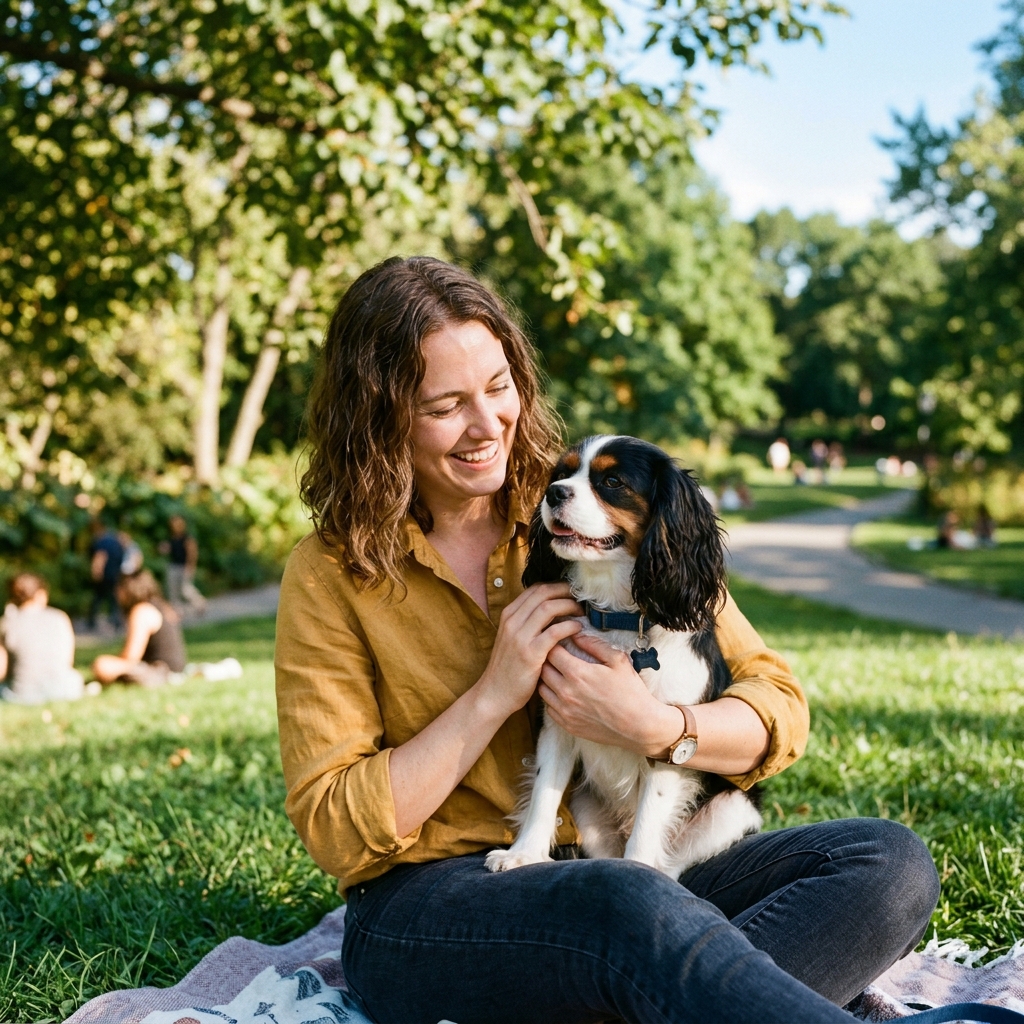
To safely help a fearful dog, owners must focus on offering comfort and a secure environment. Create a designated "safe haven" in a quiet room or an open crate with comfortable bedding, white noise, and closed blinds. Allow your dog to escape to this area during stressful events like storms, and never force them to interact. You can comfort a scared dog; fear is an involuntary emotion, not a behavior, and gentle support will help soothe their nervous system. For crate training tips, see crate training a dog.
Never punish your dog for showing signs of fear, such as trembling, cowering, or growling. Punishment will only confirm their belief that the situation is dangerous, increasing their panic. To practice building basic focus and sit behaviors under low distraction, see how to teach a dog to sit.
Furthermore, ensure that your dog's safe haven remains a place of absolute peace. Do not allow children, guests, or other household pets to enter this space when the dog is resting there. Having an inviolable retreat area gives the dog a sense of control, which is the single most powerful tool for reducing baseline stress levels. Over time, knowing they can escape threats helps lower their overall reactivity.
When your dog is frightened, prioritize their safety and emotional comfort. Never force your dog to approach the object of their fear (a technique known as flooding), as this can lead to extreme panic or defensive biting. Instead, allow your dog to retreat to a safe space. Set up a "safe haven" in a quiet room, closet, or open crate, equipped with comfortable bedding, white noise, and blinds closed. Comfort your dog gently—speak in a soft, reassuring voice, pet them if they enjoy it, and let them hide next to you if they choose. If your dog is comfortable learning simple, positive commands, see our guide on how to train a dog.
Step-by-Step Desensitization and Counter-Conditioning
To help your dog overcome a specific fear, we use gradual exposure paired with positive rewards. Follow this systematic training plan:
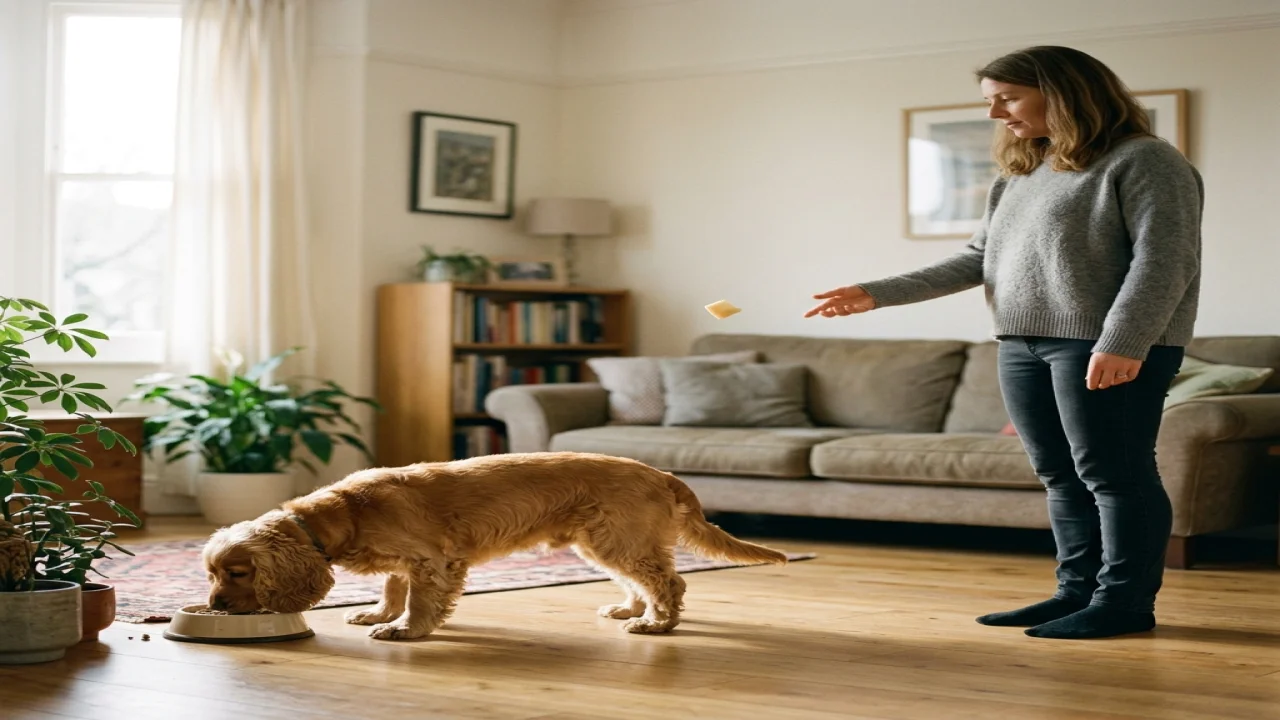
- Step 1: Locate the Safe Distance: To begin desensitization, you must find the distance at which your dog can observe the trigger (e.g., a vacuum cleaner or a strange object) without showing any signs of stress. This is their safe threshold. You must always start training at a distance greater than this threshold to ensure your dog remains relaxed.
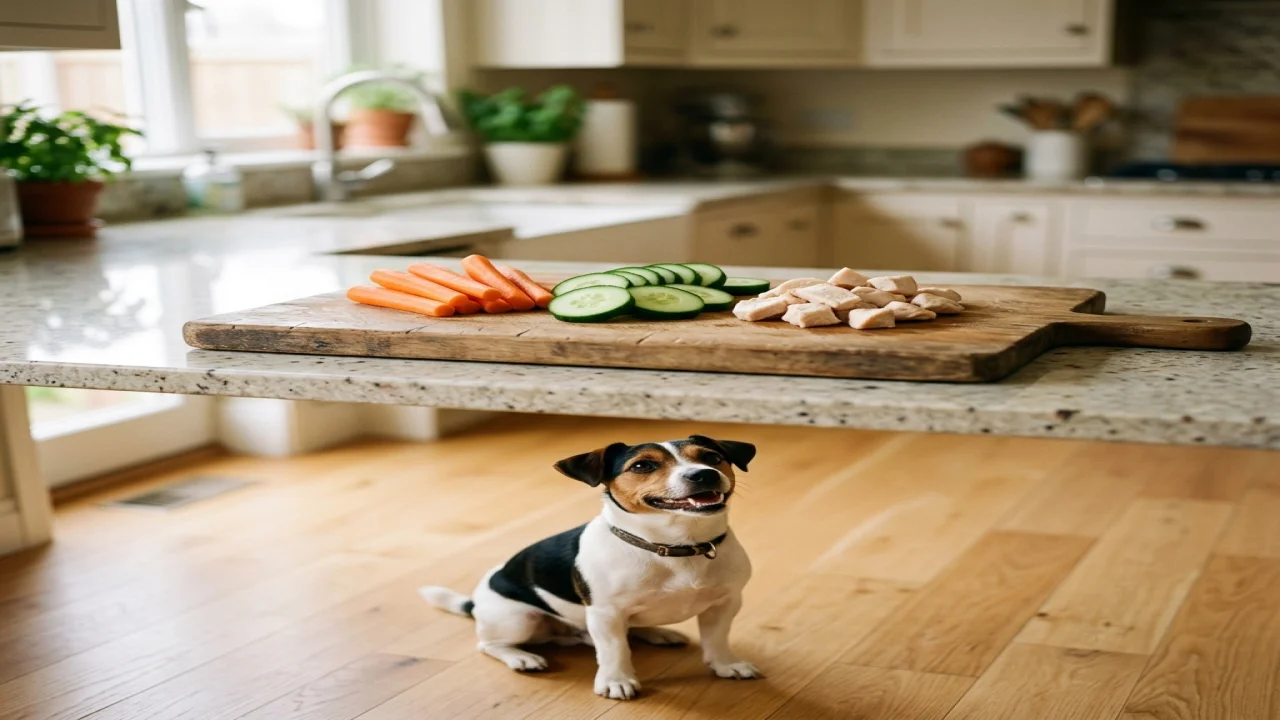
Keep a pouch filled with high-value, soft treats (like chicken or cheese) ready. The rewards must be highly appealing to effectively change their emotional association with the trigger.
- Step 2: Present the Trigger: Place the trigger at this safe distance (ensure it is turned off if it is a noisy object).
- Step 3: Pair with High-Value Rewards: Give your dog high-value treats (like chicken or cheese) while they look at the trigger from a distance.
- Step 4: Remove the Trigger: Put the trigger out of sight, and stop feeding treats. This teaches them that the trigger's presence makes good things happen.
- Step 5: Decrease Distance Gradually: Over multiple sessions, slowly move the trigger closer (or turn it on at a very low volume at a distance), always rewarding the quiet response. If your dog shows tension, increase the distance immediately.
Common Mistakes to Avoid
Forcing Exposure: Dragging your dog toward a stranger or a scary object to "show them it's safe" is counterproductive. It floods their nervous system with cortisol, worsening the fear and potentially triggering defensive bites.
Punishing Fear Responses: Scolding your dog for growling, hiding, or shaking is counterproductive. Punishment adds to their anxiety and teaches them that their environment is indeed unsafe.Failing to Manage Triggers: Allowing your dog to be constantly exposed to fear triggers (like leaving them in the yard during fireworks) damages their mental health and prevents behavioral recovery.
When a Veterinarian Should Be Consulted
If your dog's fear or anxiety starts suddenly, or if they display extreme panic during storms, consult your veterinarian. Underlying pain or sensory decline (like losing vision or hearing) makes dogs feel vulnerable, triggering new fears or clinginess. Additionally, severe anxiety is a mental health issue that often requires daily or situational medications. A veterinarian can evaluate your dog's health and discuss medication options to support their training. Refer to preventive care for dogs for health support.
It is also important to recognize that metabolic issues, such as thyroid dysfunction or adrenal disorders, can contribute to heightened anxiety states. A comprehensive geriatric blood profile and endocrine check are standard procedures when diagnosing new fears in senior dogs. Treating these medical conditions directly can lead to a significant reduction in anxious behavior, allowing behavioral training to be far more effective. Always work closely with a veterinary surgeon to monitor dosage and assess side effects.
If your dog's fear or anxiety is severe, or if they experience panic attacks (frantic pacing, destruction, escaping) during storms or fireworks, consult your veterinarian. Chronic stress damages a dog's immune system and brain health. Your vet can perform a physical exam to rule out pain as a cause, and discuss the use of daily anxiety medications or situational medications. These medications help balance your dog's brain chemistry so they can feel calm enough to participate in behavioral training.
When a Qualified Behavior Professional Is Needed
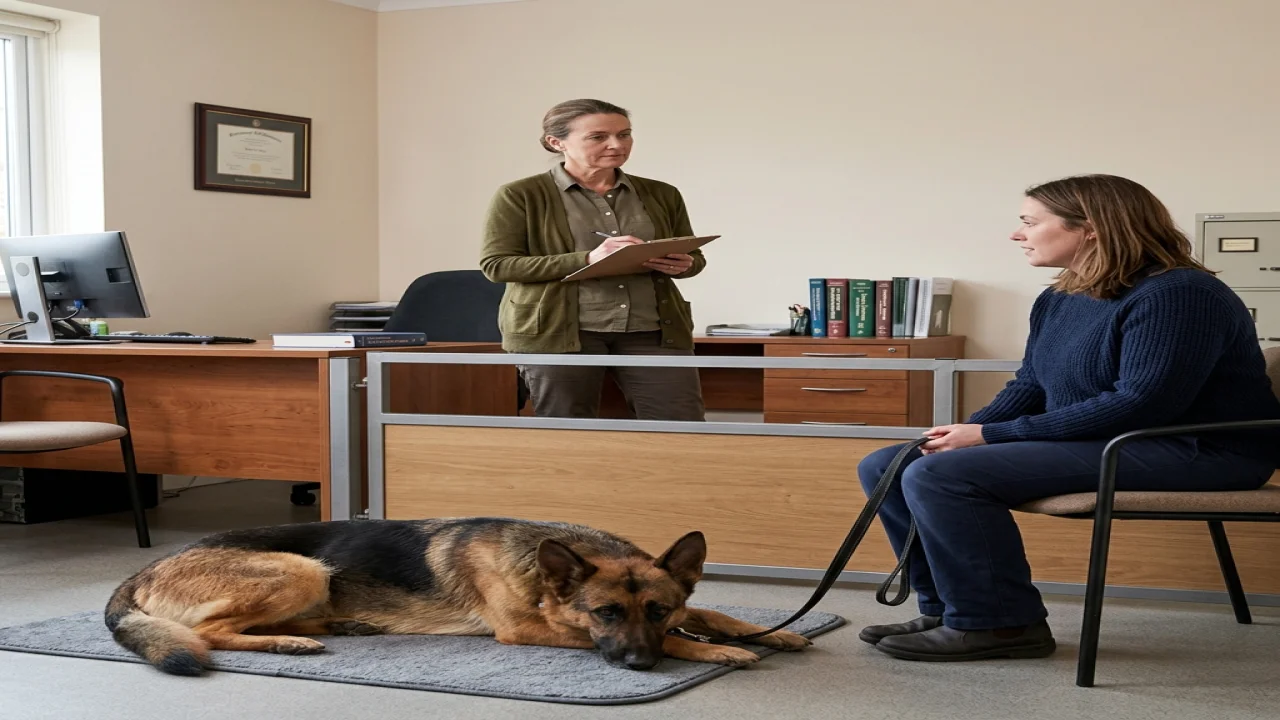
If your dog's fear leads to defensive aggression (growling, snapping, biting), or if their anxiety interferes with their daily life (refusing to walk, constant hiding), seek the help of a certified force-free behavior consultant (IAABC, CCPDT) or a veterinary behaviorist. They will design a customized behavior modification plan that prioritizes safety and emotional recovery, without using aversive tools or confrontation.
This article provides general educational information and is not a substitute for individualized advice from a veterinarian or qualified behavior professional. Seek professional help if the behavior is sudden, severe, dangerous, or causing significant distress.
Sources and Further Reading
- American Veterinary Society of Animal Behavior (AVSAB)
- International Association of Animal Behavior Consultants (IAABC)
- ASPCA: Fear and Anxiety in Dogs
- RSPCA: Dog Behavior Advice
Conclusion
Fear and anxiety are complex emotional states, but they can be managed with patience, empathy, and scientific, reward-based methods. By recognizing early stress signals, protecting your dog from overwhelming triggers, and practicing gradual desensitization, you can help your dog feel safe and confident in a busy world.
Frequently Asked Questions about Dog Fear and Anxiety
What's Your Reaction?
 Like
0
Like
0
 Dislike
0
Dislike
0
 Love
0
Love
0
 Funny
0
Funny
0
 Wow
0
Wow
0
 Sad
0
Sad
0
 Angry
0
Angry
0



Comments (0)