
Helpful Products for Senior Dogs: Comfort, Mobility and Safety
A supportive guide on choosing products for senior dogs. Learn about orthopedic beds, mobility ramps, non-slip flooring solutions, lifting slings, and safety guidelines.

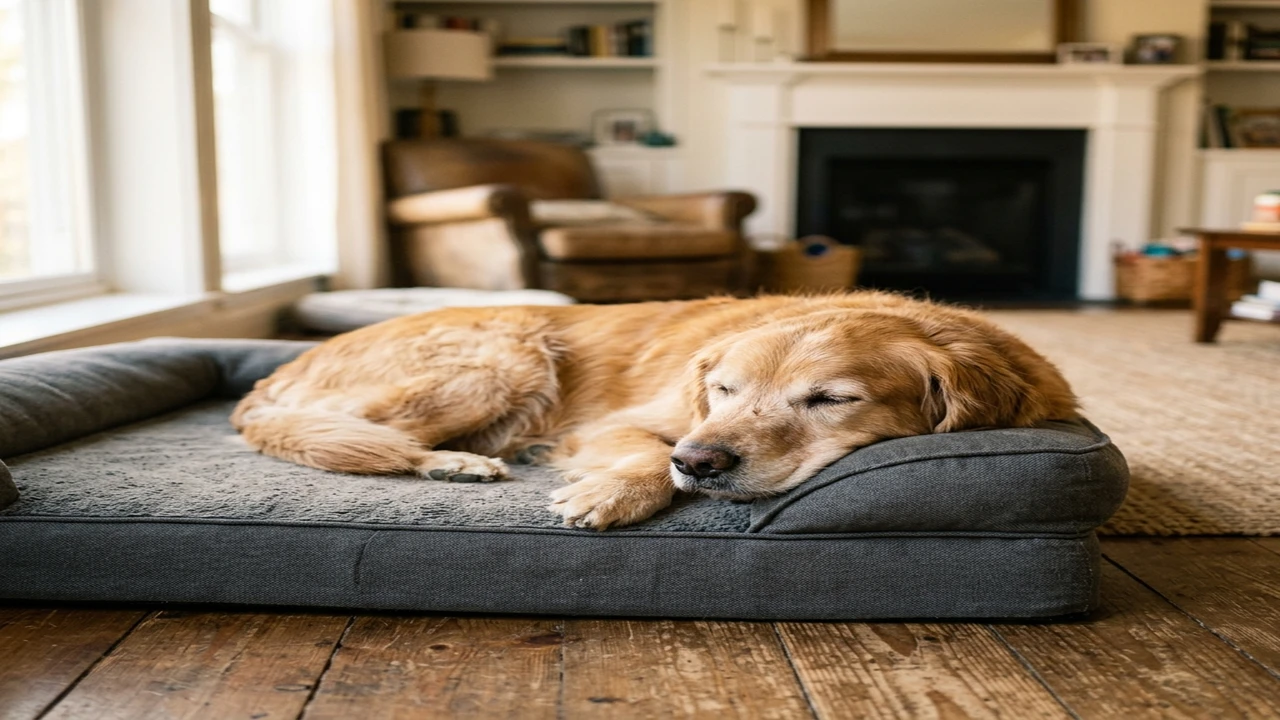
Helpful Products for Senior Dogs: Comfort, Mobility and Safety
Watching a beloved dog age is a tender, sometimes challenging experience. As dogs enter their senior years—typically around age 7 for large breeds and age 10 for small breeds—their bodies undergo significant physiological changes. They lose muscle mass, their joints wear down, and their senses may decline. Activities they once did with ease, such as standing up from a nap, climbing onto the sofa, or walking across slippery floors, can become difficult and painful.
Fortunately, there is a wide range of supportive products designed to improve the quality of life for aging pets. These tools focus on reducing joint pain, restoring mobility, and preventing injuries inside the home. However, it is vital to understand that while these products provide comfort and safety, they are not medical treatments. This guide reviews the best senior dog products, explains how to set up a safe home environment, and outlines key safety boundaries. For age-appropriate diets, read senior dog nutrition; for general veterinary guidelines, see preventive care for dogs.
Mobility Aids: Ramps and Lifting Slings
Loss of mobility is one of the most common challenges faced by senior dogs, often caused by osteoarthritis, hip dysplasia, or neurological decline.
- Ramps vs. Stairs: Many owners buy pet stairs to help dogs climb onto the sofa or bed. However, stairs still require the dog to lift their limbs and flex their joints, which can be painful for arthritic dogs. A wide, stable ramp with a gentle slope and a high-traction surface is far safer. Ramps eliminate the impact on their spine and hips, allowing them to walk up smoothly. Choose ramps with side safety rails.
- Lifting Harnesses and Slings: A support sling is a wide, padded band with handles that wraps under your dog's belly, allowing you to lift their rear quarters and assist them in standing or walking. For dogs with severe hind leg weakness, a full-body lifting harness (like the Help 'Em Up style) is recommended. It features handles over the shoulders and hips, allowing you to lift them evenly without putting pressure on their abdomen.
- Safety Disclaimer: While mobility aids are excellent for assisting your dog, they do not cure joint disease or arthritis. If your dog exhibits a sudden loss of mobility or severe stiffness, consult a veterinarian immediately to establish a medical pain management plan. For recognizing health warnings, read dog health emergency warning signs.
Comfort Products: Orthopedic Beds and Heat Therapy
A senior dog requires a highly supportive sleeping surface to rest comfortably:
- Real Orthopedic Foam: Senior dogs should never sleep on cheap fiber-filled beds, which compress flat, leaving their joints resting directly on the hard floor. This causes pain and elbow hygromas. Choose solid, high-density orthopedic memory foam beds (at least 4 inches thick). This material absorbs pressure and contours to their body, facilitating restful sleep.
- Waterproof Inner Liners: Senior dogs are prone to urinary incontinence. Ensure the bed features a 100% waterproof inner cover to protect the memory foam core, as foam cannot be washed and will trap odors and mold.
- Therapeutic Heat: Gentle heat pads designed specifically for pets (which operate at a lower, safer temperature than human heating pads) can help soothe stiff joints and maintain body temperature during winter. Never leave heated pads on for long periods without supervision.
Safety Modifications: Non-Slip Traction
Hardwood, laminate, and tile floors are major hazards for senior dogs. Because they lack muscle strength and joint stability, their paws easily slide apart on smooth surfaces, leading to panic, falls, and injuries.
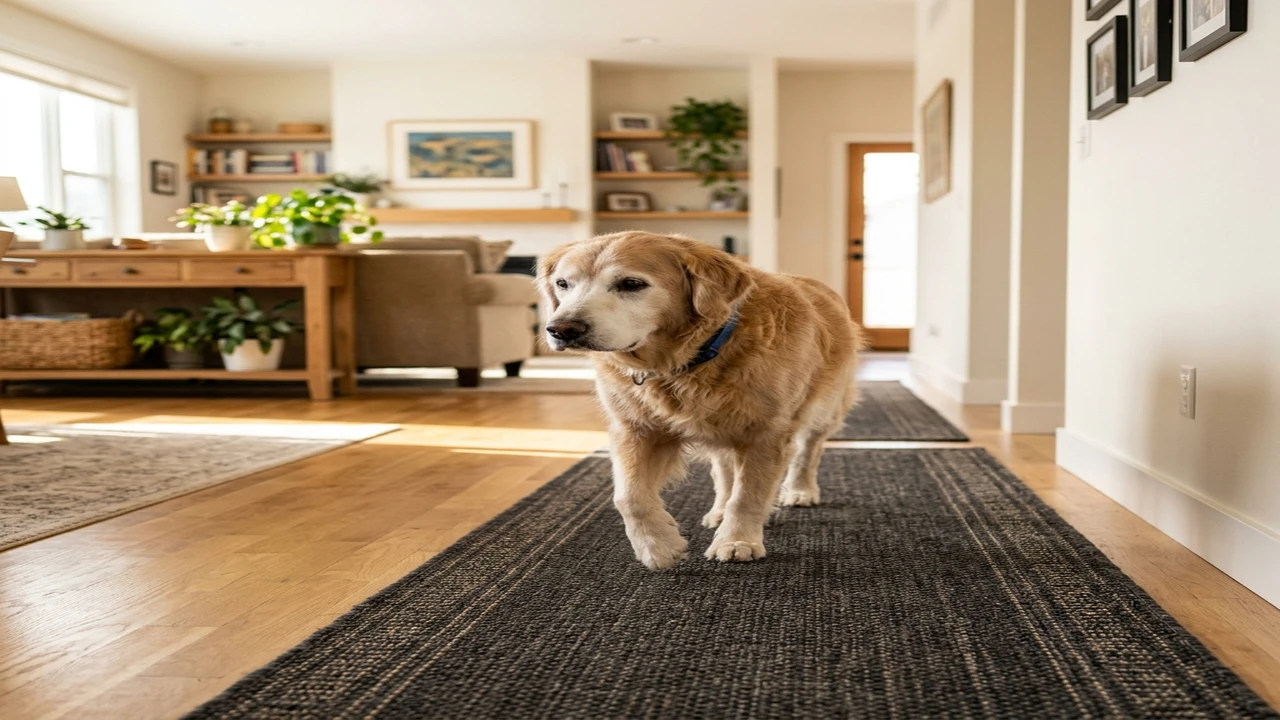
- Nonslip Rugs and Runners: Place rubber-backed rugs or interlocking foam mats along your dog's common walking paths, particularly from their bed to the food bowls and the exit doors. This creates a secure "grip highway" through your home.
- Traction Socks and Boots: If rugs are not practical, use dog socks with 360-degree silicone grip treads on the paws. Make sure they fit snugly but do not restrict blood circulation. Check their paws daily for irritation. Alternatively, non-toxic adhesive traction pads can be applied directly to their paw pads.
- Paw Grooming: Keep the hair between your dog's paw pads trimmed short. Long hair traps dust and acts like a slippery sock, reducing their natural grip on the floor. Keep their nails trimmed; long nails alter their foot structure and reduce traction.
| Product Category | Primary Function | Best Suited For | Important Safety Limit |
|---|---|---|---|
| Orthopedic Bed | Relieves joint pressure points | All senior dogs, large breeds | Does not cure arthritis; must have waterproof cover |
| Mobility Ramp | Accesses furniture or vehicles without impact | Dogs with hip dysplasia, spinal issues | Must be wide and secured; skip steep stairs |
| Lifting Sling / Harness | Supports rear weight for standing | Dogs with hind leg weakness | Never lift solely by the belly; watch back strain |
| Non-Slip Rugs / Socks | Prevents slipping on hard floors | Dogs unstable on hardwood or tile | Socks must be checked daily; trim paw hair |
Medical Warnings and Veterinarian Consultation
It is critical to understand that mobility and comfort products are designed to assist with daily management and improve quality of life, but **they do not diagnose, treat, or cure arthritis, hip dysplasia, spinal degeneration, or any disease**. Sudden changes in your dog's ability to walk, stand, or carry their weight can indicate a medical emergency, such as a ruptured ligament or a neurological event. Always work with your veterinarian to diagnose the root cause of your dog's mobility issues and combine home support products with professional medical care. Refer to preventive care for dogs for health monitoring guidelines.
Senior Dog Home Safety Checklist
- [ ] Replaced steep steps with a wide, stable, non-slip ramp for couch/bed access
- [ ] Placed rubber-backed rug runners across all slippery hardwood or tile hallways
- [ ] Upgraded dog bed to solid, high-density memory foam with a waterproof liner
- [ ] Trimmed hair between paw pads and kept nails short to improve natural grip
- [ ] Verified lifting harness fits securely without rubbing or pressing on the abdomen
- [ ] Placed water and food bowls in easily accessible locations, using elevated stands if advised
- [ ] Ensured heated mats are pet-safe and turn off automatically to prevent burns
Pain Signals in Aging Dogs and Supportive Environmental Design
Senior dogs are masters at hiding chronic pain. In the wild, showing vulnerability is dangerous, so domestic dogs often mask osteoarthritis or joint stiffness until it is severe. Owners must pay close attention to subtle behavioral shifts that indicate pain: pacing at night, panting when it is not hot, licking their paws or hips, reluctance to stand up, or sudden withdrawal from family interactions. Managing this pain requires combining veterinary medical care with a supportive home layout. For general health monitoring, read preventive care for dogs.
Ensure their food and water bowls are kept in easily accessible areas, and avoid placing them on slippery tile floors. Using elevated feeder stands can reduce neck and spine strain for arthritic dogs, but check with your vet first if you have a large breed prone to bloat. Upgrading their sleeping surfaces is also crucial: a supportive orthopedic bed relieves pressure on their joints, improving comfort; see senior dog nutrition and monitor signs of pain using dog health emergency warning signs.
Nonslip Floor Layout and Joint Preservation
Slipping on hard, smooth floors is a major source of stress and physical trauma for aging dogs. When a dog slips, they experience sudden joint rotation and muscle strain, which can exacerbate arthritis or cause ligament tears. To preserve their joints, create a safe flooring layout:
- Place rubber-backed rug runners or interlocking puzzle mats along their common walking paths, particularly from their bed to the kitchen and the back door.
- Use dog socks with silicone grip treads wrapped around the paw to provide traction on uncovered tile or hardwood.
- Ensure the grip treads are inspected daily, and remove the socks when the dog is resting to allow their skin to breathe.
Sensory Decline and Environmental Adaptation
As dogs age, they frequently experience a decline in their vision and hearing due to nuclear sclerosis, cataracts, or age-related hearing loss. This sensory decline can make senior dogs anxious, easily startled, and prone to bumping into walls or furniture. To help them navigate their home safely, maintain a consistent furniture layout; moving tables or sofas can disorient a blind or visually impaired dog. Use tactile cues, such as placing different textured rugs at the entrance of rooms, to help them identify where they are in the house.
Additionally, you can use scent markers (such as dilute lavender or chamomile extracts applied to door frames) to help them locate key areas like their bed or food bowls. Keep hallways well-lit at night, and avoid sudden movements when approaching a deaf dog; wake them by gently tapping the floor near them or placing a hand in front of their nose so they can smell you. Adapting your home reduces their stress and prevents injuries; refer to preventive care for dogs for general safety tips.
Orthopedic Feeder Design and Joint Stress Reduction
Arthritis in the neck, spine, and elbows can make eating from a ground-level bowl extremely painful for senior dogs. Lowering their head to the ground forces them to shift their weight forward, placing extra pressure on their front legs and shoulders, which can cause muscle soreness and joint discomfort. Using an elevated feeder stand brings the bowls to their chest height, allowing them to eat and drink in a neutral, stress-free posture. This simple adjustment improves their comfort and digestions; see senior dog nutrition for diet tips.
When selecting an elevated stand, choose a model that is adjustable so you can set it at the correct height (typically at the level of the dog's lower chest). Ensure the stand has non-slip rubber feet to prevent it from sliding away while they eat, which can cause anxiety. Consult your veterinarian before using elevated stands for large or deep-chested breeds, as discussed in digestions safety. Monitor your senior dog's health closely; read dog health emergency warning signs.
Decubitus Ulcer (Pressure Sore) Prevention and Wound Care
Senior dogs spend much of their time lying down. If they sleep on hard floors or thin bedding, the friction and pressure on bony areas (like the elbows, hips, and hocks) can cause decubitus ulcers, commonly known as pressure sores or hygromas. A hygroma is a fluid-filled swelling that forms as the body tries to protect the joint from friction. If left untreated, these sores can crack, bleed, and develop deep bacterial infections that are difficult to heal in senior dogs.
To prevent pressure sores, ensure your senior dog has access to high-density orthopedic memory foam beds in all their favorite resting spots. If your dog refuses to sleep on beds, place non-slip cushioned mats on the floor where they lie. If a pressure sore develops, keep the area clean, dry, and padded. Using protective leg sleeves or veterinary-approved elbow pads can protect the joints from friction during walks and rest. Regularly inspect their joint areas for any redness or hair loss to identify pressure sores early.
Standard Maintenance and Storage Tips
Caring for senior dog products is essential to ensure they remain comfortable and hygienic for your aging pet. Vacuum orthopedic foam beds weekly to remove dirt and dander, and wash the outer cover in warm water with a pet-safe detergent. Clean mobility ramps and stairs monthly with a damp cloth and mild disinfectant, checking that the nonslip surface grip is not worn smooth. Inspect lifting slings and harnesses weekly for frayed webbing or loose seams.
Store ramps, spare slings, and orthopedic mats in a dry closet when not in use. Avoid leaving ramps in damp areas like porches, which can cause metal frames to rust or wood to warp, compromising safety. Keeping their environment clean and secure preserves their health and comfort; see senior dog nutrition and monitor joint health using dog health emergency warning signs.
Conclusion
Supporting your senior dog through their golden years is a rewarding way to return the lifetime of love they have given you. By incorporating orthopedic beds, mobility ramps, and non-slip rugs, you can dramatically improve their comfort, safety, and independence. Remember that these products are tools for comfort, not cures, and should always be paired with regular veterinary care to ensure optimal pain management.
Sources consulted: American College of Veterinary Surgeons (ACVS) osteoarthritis briefs, American Veterinary Medical Association (AVMA) senior pet care resources, and veterinary physical therapy manuals. Verified on June 18, 2026.
Senior Dog Products FAQ
What's Your Reaction?
 Like
0
Like
0
 Dislike
0
Dislike
0
 Love
0
Love
0
 Funny
0
Funny
0
 Wow
0
Wow
0
 Sad
0
Sad
0
 Angry
0
Angry
0



Comments (0)