
Preventive Care for Dogs: Vet Visits, Vaccines and Routine Screening
Understand the importance of preventive veterinary care including annual exams, core vaccines, parasite prevention, dental care, and health screenings.

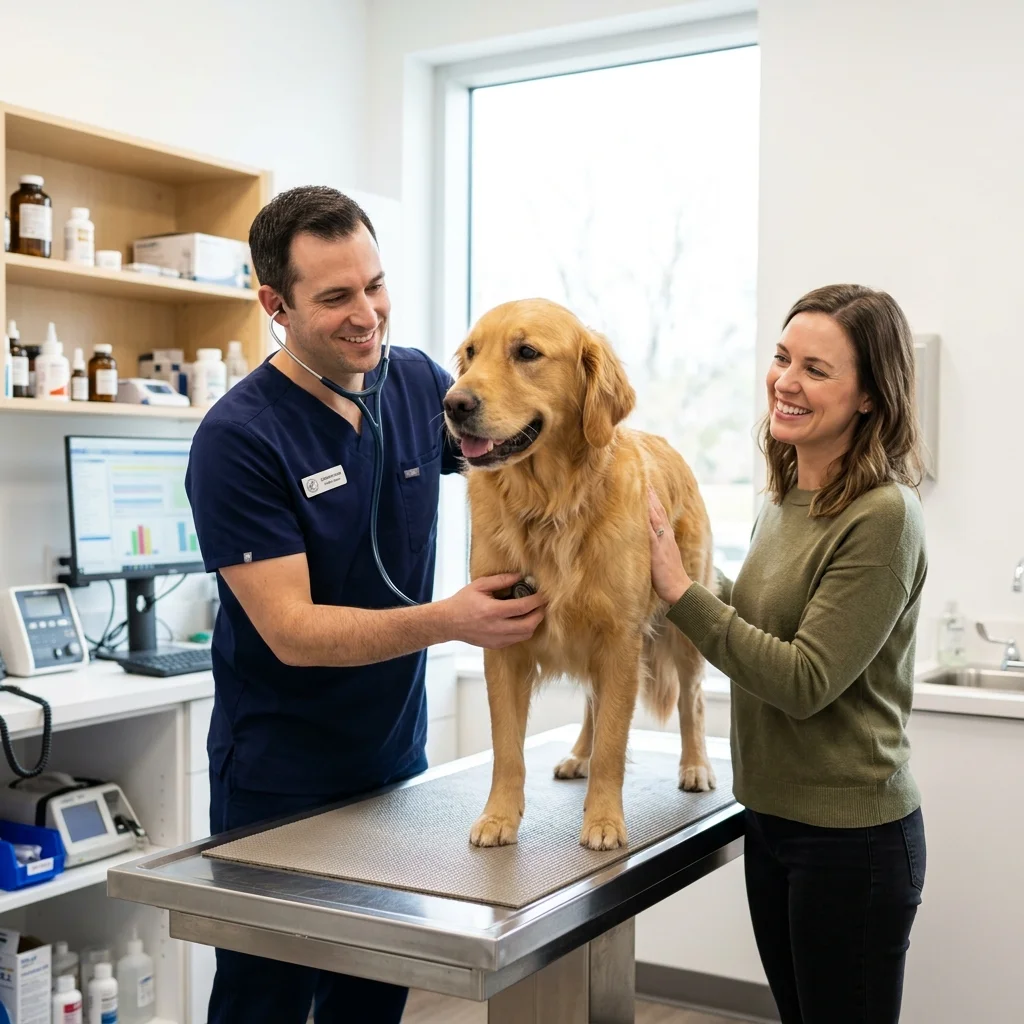
Preventive veterinary care is the foundation of a long, healthy life for your dog. Regular wellness examinations, appropriate vaccinations, parasite prevention, dental care, and routine health screenings allow your veterinarian to detect potential problems early — often before your dog shows any visible signs of illness. Prevention is consistently more effective, less invasive, and less expensive than treating advanced disease.
The Wellness Examination
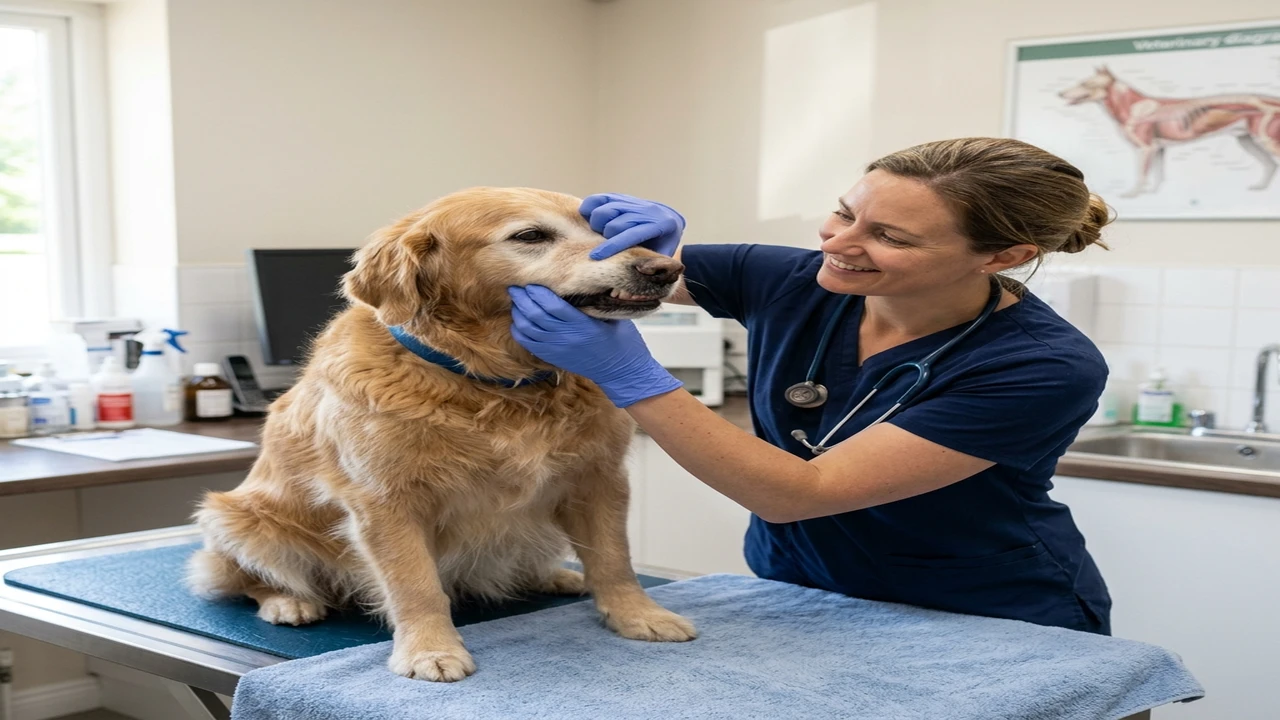
The annual wellness exam is the cornerstone of preventive care. During a thorough physical examination, your veterinarian evaluates your dog from nose to tail — assessing weight, body condition, heart and lung sounds, abdominal organs, eyes, ears, mouth, skin, coat, lymph nodes, joints, and neurological function. This examination can reveal early signs of conditions that your dog may be hiding.
Recommended Exam Schedule
- Puppies — Every three to four weeks from six to sixteen weeks of age, then at six months and one year
- Adult dogs (1–6 years) — Annually
- Senior dogs (7+ years) — Every six months
- Giant breeds — May be considered senior as early as five to six years
Vaccinations
Core Vaccines
Core vaccines are recommended for all dogs regardless of lifestyle because the diseases they prevent are widespread, severe, or transmissible to humans:
- Rabies — Required by law in most areas; protects against a fatal disease transmissible to humans
- Distemper — Protects against a highly contagious viral disease affecting the respiratory, gastrointestinal, and nervous systems
- Parvovirus — Protects against a severe, often fatal gastrointestinal disease, especially dangerous in puppies
- Adenovirus (canine hepatitis) — Protects against a viral liver disease
Non-Core Vaccines
Non-core vaccines are recommended based on your dog's individual risk factors:
- Bordetella and parainfluenza — Recommended for dogs that visit boarding facilities, dog parks, or grooming salons
- Canine influenza — Recommended in areas where outbreaks have occurred
- Leptospirosis — Recommended for dogs with exposure to wildlife, standing water, or rural environments
- Lyme disease — Recommended in tick-endemic areas
Parasite Prevention
Year-round parasite prevention protects your dog against heartworm disease (transmitted by mosquitoes), intestinal parasites (roundworms, hookworms, whipworms, tapeworms), fleas and ticks, and the diseases they carry. Your veterinarian can recommend the most appropriate combination of preventive products based on your dog's size, health, and regional risk factors.
Dental Care
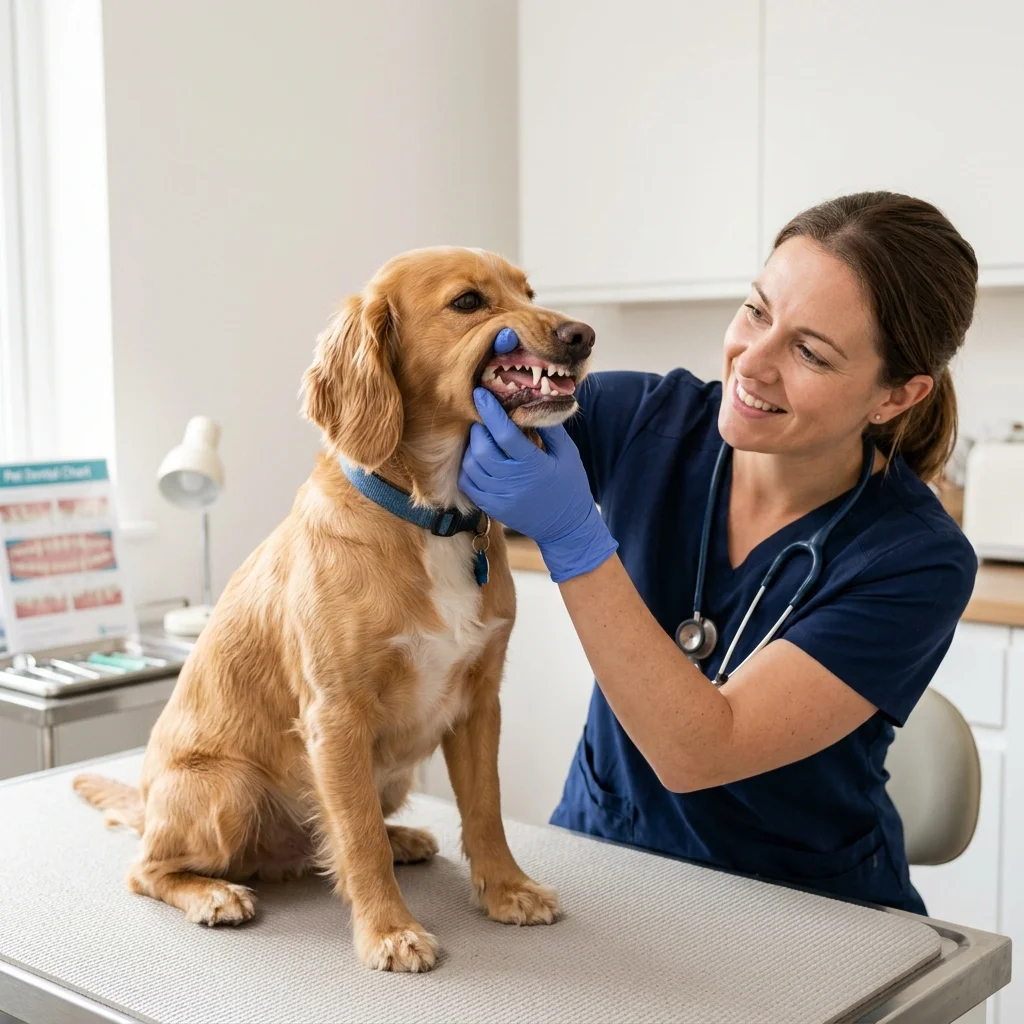
Dental disease affects most dogs by age three and can lead to pain, tooth loss, and systemic health problems. Preventive dental care includes daily toothbrushing at home, veterinary dental examinations, professional dental cleanings as recommended, and VOHC-approved dental products.
Routine Health Screening
Baseline blood work — a complete blood count (CBC) and blood chemistry panel — provides valuable information about organ function, blood cell counts, and metabolic health. Your veterinarian may also recommend urinalysis, fecal testing for parasites, heartworm testing, and tick-borne disease screening. These tests establish a healthy baseline and can detect changes over time.
Nutrition and Weight Management
Feeding a balanced, age-appropriate diet and maintaining a healthy weight are two of the most impactful things you can do for your dog's long-term health. Obesity increases the risk of joint disease, diabetes, heart disease, respiratory problems, and certain cancers. Your veterinarian can help you evaluate your dog's body condition and recommend an appropriate diet and feeding plan.
Spaying and Neutering
Spaying and neutering provide health benefits including reduced risk of certain cancers and reproductive emergencies. The optimal timing depends on your dog's breed, size, and individual circumstances. Discuss the best approach with your veterinarian.
What You Can Do at Home
- Monitor your dog's weight, appetite, energy level, and behavior
- Perform regular at-home checks of eyes, ears, teeth, skin, and coat
- Administer preventive medications as prescribed
- Maintain a consistent exercise routine
- Keep a record of your dog's health history and bring it to veterinary visits
Medical Disclaimer
This article is for general educational purposes and does not replace an examination, diagnosis, or treatment plan from a licensed veterinarian. Contact your veterinarian if you are concerned about your dog's health.
Sources and Further Reading
- American Animal Hospital Association (AAHA) — Canine Vaccination Guidelines
- American Veterinary Medical Association (AVMA) — Preventive Pet Healthcare
- Companion Animal Parasite Council (CAPC) — Parasite Prevention Guidelines
- American Kennel Club Canine Health Foundation — Dog Health Resources
Frequently Asked Questions
What's Your Reaction?
 Like
0
Like
0
 Dislike
0
Dislike
0
 Love
0
Love
0
 Funny
0
Funny
0
 Wow
0
Wow
0
 Sad
0
Sad
0
 Angry
0
Angry
0












Comments (0)