
Dog Dental Care Guide: Teeth Cleaning and Signs of Dental Disease
Learn about dog dental care, how to brush your dog's teeth, recognize signs of dental disease, and understand professional dental cleanings.

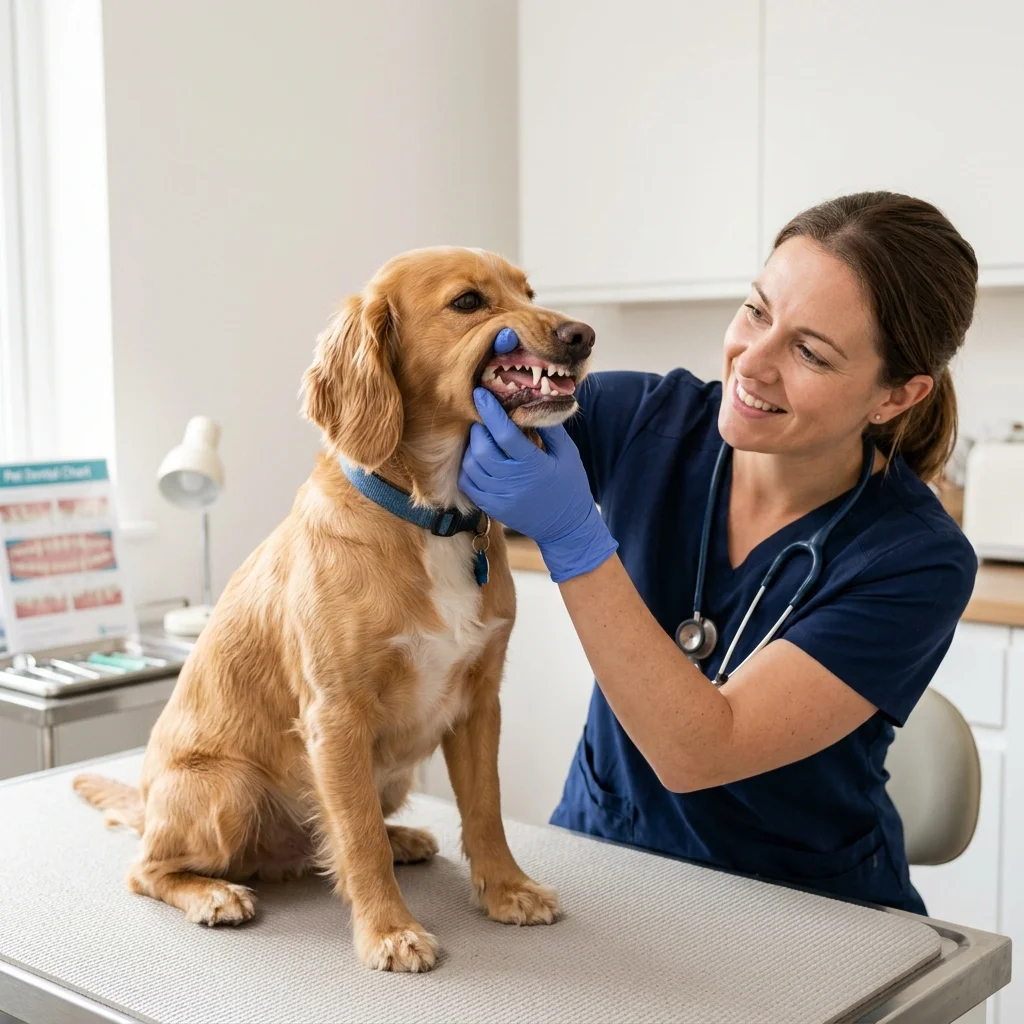
Dental disease affects the vast majority of dogs by the time they reach three years of age, making it one of the most common health conditions veterinarians encounter. Yet it remains one of the most overlooked aspects of routine pet care. Many owners do not realize their dog has a dental problem until the disease has advanced significantly — because dogs are remarkably good at hiding oral pain.
This guide covers what dental disease looks like, how to care for your dog's teeth at home, what professional dental care involves, and why prevention matters far more than treatment.
Understanding Dental Disease in Dogs
Dental disease in dogs follows a predictable progression. Plaque — a soft film of bacteria — forms on teeth daily. If not removed, plaque mineralizes into tartar (calculus) within days. Tartar above and below the gumline harbors bacteria that cause gingivitis (gum inflammation), which can progress to periodontitis — destruction of the supporting structures of the teeth, including bone. Advanced periodontal disease leads to pain, tooth loss, and bacteria entering the bloodstream, potentially affecting the heart, kidneys, and liver.
Signs of Dental Problems
- Persistent bad breath (halitosis) — the most commonly noticed sign
- Visible yellow or brown tartar buildup, especially on upper back teeth
- Red, swollen, or bleeding gums
- Difficulty chewing or reduced appetite
- Dropping food while eating
- Chewing on one side of the mouth
- Pawing at the mouth or rubbing the face
- Excessive drooling, sometimes blood-tinged
- Loose, broken, or discolored teeth
- Facial swelling, which may indicate a tooth root abscess
Home Dental Care
Toothbrushing
Daily brushing is the gold standard of home dental care. Use a soft-bristled toothbrush (finger brushes or angled pet toothbrushes work well) and enzymatic toothpaste formulated for dogs. Never use human toothpaste — it contains xylitol, fluoride, and foaming agents that are harmful to dogs.
To introduce brushing:
- Let your dog taste the toothpaste — most are flavored to be appealing
- Gently rub the toothpaste on the outside of a few teeth with your finger
- Gradually introduce the toothbrush, starting with the front teeth
- Work up to brushing all teeth, focusing on the outer surfaces where tartar accumulates most
- Keep sessions short and positive — even thirty seconds of brushing is beneficial
Dental Products
Look for the Veterinary Oral Health Council (VOHC) seal on dental chews, water additives, dental diets, and other products. The VOHC seal indicates the product has met specific standards for reducing plaque or tartar. These products complement brushing but do not replace it.
Professional Dental Care
Professional dental cleanings performed under general anesthesia allow your veterinarian to perform a thorough oral examination with probing of each tooth, dental radiographs to evaluate bone and roots below the gumline, scaling to remove tartar above and below the gumline, polishing to smooth tooth surfaces, and extraction of severely diseased or painful teeth when necessary.
Anesthesia is essential for this process because it allows safe access to all areas of the mouth, prevents pain and stress during the procedure, and enables the use of sharp instruments without risk of injury from a moving patient.
Common Dental Conditions
- Periodontal disease — the most common dental condition, affecting supporting structures of the teeth
- Fractured teeth — often from chewing hard objects like antlers, bones, or ice
- Tooth root abscess — infection at the root causing pain, facial swelling, and sometimes draining tracts
- Retained deciduous teeth — baby teeth that do not fall out, which can crowd permanent teeth and promote dental disease
- Oral tumors — growths in the mouth that may be benign or malignant
Prevention
- Brush your dog's teeth daily or at least several times per week
- Provide VOHC-approved dental chews and products
- Avoid giving extremely hard chew objects that can fracture teeth
- Schedule regular veterinary dental examinations
- Follow your veterinarian's recommendations for professional cleanings
- Start dental care early — introduce toothbrushing during puppyhood for best acceptance
Medical Disclaimer
This article is for general educational purposes and does not replace an examination, diagnosis, or treatment plan from a licensed veterinarian. Contact your veterinarian if you are concerned about your dog's health.
Sources and Further Reading
- American Veterinary Dental College (AVDC) — Periodontal Disease in Dogs
- Veterinary Oral Health Council (VOHC) — Accepted Products
- American Animal Hospital Association (AAHA) — Dental Care Guidelines
- Merck Veterinary Manual — Dental Disorders in Dogs
Frequently Asked Questions
What's Your Reaction?
 Like
0
Like
0
 Dislike
0
Dislike
0
 Love
0
Love
0
 Funny
0
Funny
0
 Wow
0
Wow
0
 Sad
0
Sad
0
 Angry
0
Angry
0













Comments (0)