
Dental Care for Senior Dogs: Warning Signs and Prevention
Discover the importance of dental care in aging dogs. Learn to spot the signs of periodontal disease, establish safe home care routines, and understand veterinary dental cleanings.

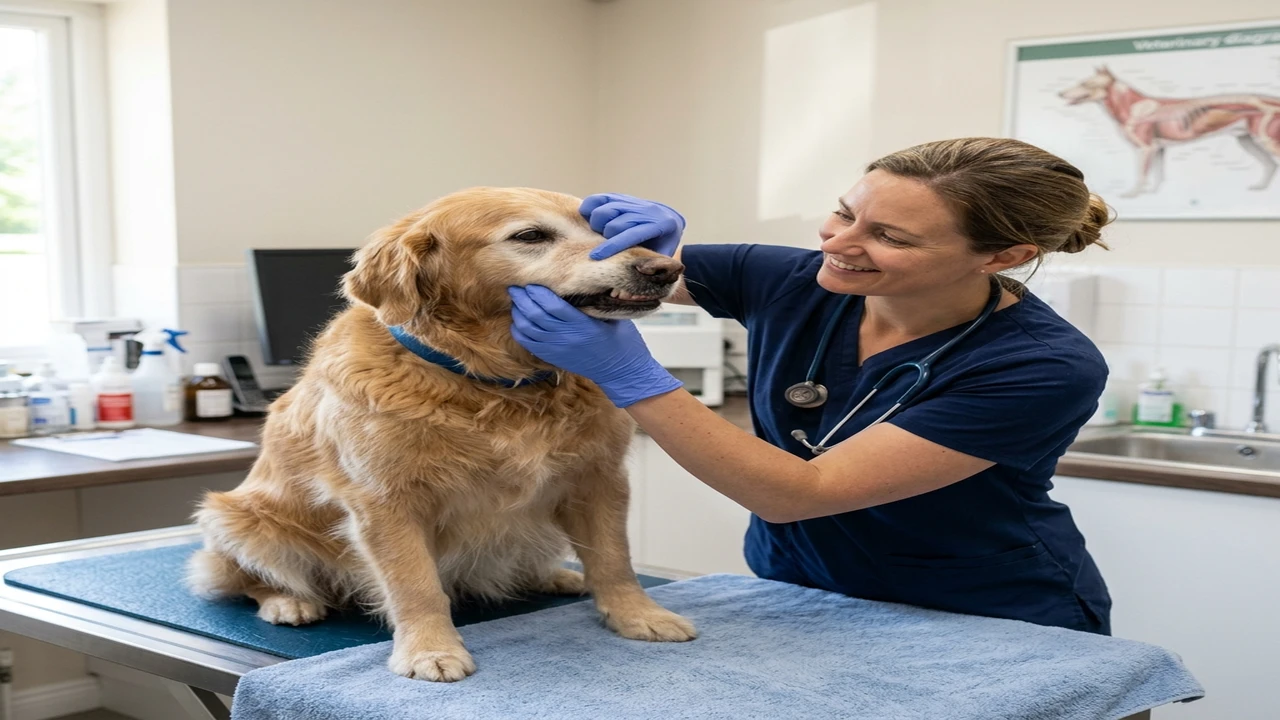
Dental Care for Senior Dogs: Warning Signs and Prevention
Dental health is one of the most critical, yet frequently overlooked, aspects of caring for an aging canine. By the time dogs reach their senior years, the vast majority have some degree of periodontal disease. Periodontal disease is a progressive bacterial infection that affects the tissues surrounding and supporting the teeth. What begins as simple plaque buildup can rapidly escalate into severe infection, pain, bone loss, and tooth loss, severely impacting a dog's quality of life.
Caring for an older dog's teeth requires a dual approach: vigilant home monitoring and professional veterinary care. It is a mistake to assume that bad breath is just a natural consequence of aging; chronic halitosis is almost always a sign of active oral infection. By understanding the warning signs of dental disease and taking preventive steps, you can protect your companion from daily discomfort and safeguard their systemic health. For comprehensive health guides, see preventive care for dogs.
Warning Signs of Dental Disease in Senior Dogs
Dogs are evolutionary masters of masking pain, and dental pain is particularly easy for them to hide. Many owners do not realize their senior dog is suffering from a severe toothache until the affected tooth is extracted and the dog shows a dramatic increase in energy and playfulness.
- Persistent Bad Breath: While a dog's breath is rarely sweet, a strong, foul, or metallic odor indicates bacterial overgrowth and tissue inflammation in the mouth.
- Changes in Eating Habits: Watch for dropping dry food from the mouth, chewing slowly or on only one side, drooling excessively, or showing interest in food but walking away from the bowl in frustration.
- Physical Signs in the Mouth: Red, swollen, or bleeding gums, thick yellow-brown tartar buildup on the teeth, loose or missing teeth, and swelling under the eye (which can indicate a root abscess).
- Behavioral Changes: Pawing at the face, rubbing the muzzle against furniture, showing sensitivity when touched near the mouth, or becoming uncharacteristically irritable.
Establishing a Safe Home Dental Routine
Preventive care at home is the best way to slow the progression of plaque into tartar. Plaque is a soft film of bacteria that can be easily brushed away, but within 24 to 48 hours, it minerals into hard tartar, which can only be removed by professional veterinary tools.
- Use Dog-Safe Toothpaste: Never use human toothpaste. Choose an enzymatic dog toothpaste in appealing flavors like poultry or beef. Enzymatic pastes contain active ingredients that help break down plaque chemically even if you only smear it on the teeth.
- Select the Right Brush: Use a soft-bristled toothbrush designed for dogs, or a silicone finger brush for smaller breeds. If your dog is resistant, begin by using a piece of gauze wrapped around your finger.
- Introduce Brushing Gradually: Start by letting your dog lick the paste off the brush. Slowly transition to touching their teeth and gums, rewarding them with praise and treats after every step. Focus on the outer surfaces of the upper teeth, where tartar accumulates fastest.
- Avoid Scraping Tartar at Home: Never attempt to use metal scaling tools to scrape tartar off your dog's teeth. This scratches the enamel, creating a rough surface where new plaque adheres more easily, and can cause severe gum injury if the dog moves.
Understanding Professional Veterinary cleanings
While home brushing is excellent for prevention, it cannot reverse established periodontal disease. Once hard tartar has formed and bacteria have invaded beneath the gumline, a professional dental cleaning is required.
- The Necessity of Anesthesia: A proper dental cleaning must be performed under general anesthesia. It is impossible to safely clean beneath the gumline, perform dental X-rays, scale the inner surfaces of the teeth, or extract diseased teeth on an awake dog. Anesthesia-free dental cleanings are purely cosmetic and do not treat periodontal disease.
- Pre-Anesthetic Screenings: To ensure safety, veterinarians perform comprehensive bloodwork, urinalysis, and physical exams to evaluate liver, kidney, and heart function before administering anesthesia.
- Dental Radiographs: Much of a dog's tooth structure is hidden beneath the gumline. Veterinary X-rays are crucial for detecting hidden bone loss, root resorption, and abscesses that are invisible during a visual exam.
| Dental Care Aspect | At-Home Brushing | Veterinary Dental Cleaning |
|---|---|---|
| Primary Goal | Plaque prevention and daily maintenance | Tartar removal, subgingival cleaning, treatments |
| Anesthesia Required | No | Yes (essential for safety and thoroughness) |
| Tool Used | Soft toothbrush or finger brush | Ultrasonic scaling and polishing tools, X-rays |
| Frequency | Daily or 3 times a week | Annually or as recommended by veterinarian |
The Pathogenesis of Canine Periodontal Disease
The pathogenesis of canine periodontal disease is a rapid, bacteria-driven process that begins within hours of teeth cleaning. Food particles, saliva, and oral bacteria combine to form a soft, sticky film called plaque. If not removed by brushing, this plaque absorbs minerals from saliva, crystallizing into hard calculus (tartar) within 48 hours. Tartar provides a rough surface that allows more plaque to adhere, pushing the bacterial colonization beneath the gingival margin (gumline). Once bacteria enter this subgingival space, they trigger an inflammatory response from the dog's immune system, resulting in gingivitis.
As the infection progresses beneath the gumline, anaerobic bacteria multiply, releasing toxins and enzymes that break down the periodontal ligament and alveolar bone supporting the teeth. This stage is periodontal disease. The chronic inflammation leads to gum recession, root exposure, bone loss, and tooth mobility. Because the gums are highly vascular, bacteria from these infected periodontal pockets can easily enter the systemic bloodstream (bacteremia). Studies have linked chronic bacteremia from periodontal disease to inflammatory changes and damage in the kidneys, liver, and heart valves, making dental care a vital part of systemic health preservation.
Advanced Clinical Interventions and Anesthetic Risk Mitigation
Treating advanced periodontal disease requires professional clinical intervention under general anesthesia. Anesthesia-free cosmetic cleanings only remove visible tartar from the crown of the tooth, leaving the active bacterial infection untouched beneath the gumline. To perform a thorough cleaning, veterinarians use ultrasonic scalers to remove subgingival plaque, curettes to debride infected periodontal pockets, and polishing cups to smooth the enamel. Complete oral radiographs are mandatory to identify root fractures, abscesses, and bone loss beneath the gums before extracting any non-viable teeth.
Mitigating anesthetic risk in senior dogs is a primary focus of modern veterinary medicine. Before any procedure, vets conduct a comprehensive pre-anesthetic screening, including blood chemistry, complete blood count, urinalysis, and chest radiographs to evaluate heart and lung health. An individualized anesthetic protocol is designed, using tailored intravenous fluids, continuous blood pressure monitoring, electrocardiography (ECG), pulse oximetry, and temperature regulation. Dedicated veterinary technicians monitor the patient constantly from induction through recovery, ensuring senior dogs undergo dental procedures safely and comfortably.
Home-Care Alternatives: Enzymatic Gels, Rinses, and Dental Chews
While brushing is the gold standard for home dental care, some senior dogs are highly resistant to having a toothbrush in their mouth. In these cases, owners should utilize alternative home-care options that still provide plaque-reducing benefits. Enzymatic dental gels can be applied directly to the gums or teeth using a finger; the active enzymes work with the dog's saliva to break down plaque chemicals without the need for brushing. Veterinary dental rinses, which can be added to their drinking water, help reduce bacterial levels in the mouth and freshen breath.
Dental chews and toys approved by the Veterinary Oral Health Council (VOHC) are also excellent supportive tools. These products are specifically designed to scrape plaque off the teeth mechanically as the dog chews, or contain chemical anti-plaque agents. However, supervise your senior dog while chewing, and avoid extremely hard chews like real bones, antlers, or hard plastic toys, which can easily fracture their aging, more brittle teeth. Combining these home-care alternatives helps maintain oral health in dogs that resist brushing.
Long-term Systemic Consequences of Untreated Periodontal Disease
Untreated periodontal disease is not just a localized problem in the mouth; it has serious, long-term systemic consequences for your senior dog's vital organs. The inflamed gums are highly vascular, meaning the bacteria living in periodontal pockets can easily enter the bloodstream during chewing or grooming. Once in the blood, these bacteria travel to vital organs, causing chronic localized inflammation. Research has linked severe periodontal disease to inflammatory changes and cellular damage in the kidneys, liver, and heart valves (specifically contributing to endocardiosis).
Additionally, the constant immune response required to fight chronic mouth infection drains the dog's energy and resources, contributing to systemic fatigue and worsening other chronic conditions like diabetes mellitus and osteoarthritis. Managing dental disease is therefore not cosmetic; it is a critical component of systemic health preservation. By treating oral infection through professional cleaning and home care, you relieve this chronic strain on their immune system, leading to a visible improvement in their vitality and comfort.
Oral Care Action Plan and Decision Criteria for Cleanings
Maintaining your senior dog's oral health requires a clear dental action plan and defined decision criteria for scheduling professional cleanings:
- Visual Plaque Scoring: Inspect your dog's mouth monthly. If gums are pink and teeth are white, continue daily home brushing. If gums are red (gingivitis) or brown tartar is visible, schedule a veterinary oral exam.
- Home Brushing Routine: Brush your dog's teeth daily using enzymatic toothpaste. If your dog resists, use enzymatic oral gels applied with a finger or pet-safe dental rinses in their water.
- Scheduling Veterinary Cleanings: If your veterinarian detects loose teeth, bleeding gums, or signs of root abscesses, a professional cleaning under anesthesia is mandatory to treat the disease and relieve pain.
- Anesthesia Risk Assessment: Evaluate kidney, liver, and heart function via pre-anesthetic bloodwork before any dental procedure, ensuring the anesthetic protocol is tailored and safe for your senior pet.
Veterinary Dental Care Coordination and Home Oral Audits
Maintaining dental health requires active coordination with your veterinary team and regular home oral audits. Schedule professional dental exams twice a year as part of your senior dog's wellness checks. During these exams, your vet can evaluate for signs of periodontal disease that are difficult to see at home, such as pocket formation behind the molars or early bone loss. They can help you determine the optimal schedule for professional dental cleanings under anesthesia.
At home, conduct a simple visual check of your dog's teeth and gums monthly. Look for red margins along the gumline, tartar accumulation, or loose teeth. If your dog resists direct brushing, discuss veterinary-approved alternatives like enzymatic rinses or VOHC-certified dental chews. Collaborative dental care protects your senior dog from painful toothaches and supports their overall systemic health.
Behavioral Signatures of Dental Pain and Irritability
Dental disease is a common source of chronic, unmanaged pain in senior dogs, often manifesting as subtle behavioral changes and increased irritability. Because dogs hide oral discomfort, owners may only notice changes in their social interactions or temperament. A dog with a painful toothache may withdraw from contact, growl when touched near the face, or show a sudden intolerance for handling or grooming sessions.
Keep a close eye on these behavioral signatures of oral pain. Refusing hard treats, chewing on one side of the mouth, or dropping kibble are clear indicators of discomfort. If your senior dog shows a sudden shift in behavior or irritability, schedule a veterinary oral exam. Relieving dental pain through professional veterinary cleaning and treatment can resolve these behavioral issues, restoring your dog's happy temperament and comfort.
Monitoring Vital Health Trends and Veterinary Clinic Communication
Tracking vital health trends, such as weekly body weight, resting respiration rate, and daily water consumption, is critical for senior dogs. A sudden change in weight or hydration levels can be the first indicator of subclinical metabolic changes, indicating it is time to coordinate with your vet clinic. Maintain a clear, chronological record of these markers to share during checkups, allowing for proactive, individualized care adjustments.
[!IMPORTANT]Medical Disclaimer: This article provides general educational information and does not replace an examination, diagnosis or treatment plan from a licensed veterinarian. Contact your veterinarian about new or worsening changes in your senior dog.
Sources and Further Reading
- American Veterinary Dental College (AVDC) - Periodontal Disease Information.
- World Small Animal Veterinary Association (WSAVA) - Global Dental Guidelines.
- Journal of Veterinary Dentistry - Geriatric Oral Pathology and Anesthetic Management.
- American Animal Hospital Association (AAHA) - Dental Care Guidelines for Dogs.
Senior Dog Dental Care FAQ
What's Your Reaction?
 Like
0
Like
0
 Dislike
0
Dislike
0
 Love
0
Love
0
 Funny
0
Funny
0
 Wow
0
Wow
0
 Sad
0
Sad
0
 Angry
0
Angry
0



Comments (0)