
How to Teach a Dog "Leave It" and "Drop It"
Teach your dog leave it and drop it with trades, reward value progression, impulse control games, and safe handling of dangerous objects.


Leave it and drop it are two of the most important safety commands you can teach your dog. Leave it tells your dog to not touch something — food on the sidewalk, a dead animal, medication dropped on the floor. Drop it tells your dog to release something already in their mouth — a sock, a chicken bone, a child's toy. Together, these commands form a safety system that can prevent poisoning, choking, intestinal blockages, and dangerous confrontations over guarded items.
This guide teaches both commands using positive, force-free methods that build your dog's impulse control and willingness to cooperate — not their fear of losing something valuable.
The Quick Answer
Teach leave it by holding a treat in a closed fist, waiting for the dog to disengage, and rewarding with a better treat from the other hand. Teach drop it by offering a high-value trade — the dog drops what they have because what you are offering is better. Never chase, pry open the dog's mouth, or punish — these approaches destroy trust and can worsen resource guarding.
Why These Commands Matter
Dogs explore the world with their mouths. They pick up everything — some of it harmless, some of it life-threatening. Chocolate, grapes, medications, sharp objects, chicken bones, rat poison, and countless other hazards exist in every walk, park visit, and home environment. Leave it prevents the pickup. Drop it recovers the item. These are not obedience tricks — they are emergency tools that protect your dog's health and safety.
Teaching Leave It: Step by Step
Level 1: Closed Fist
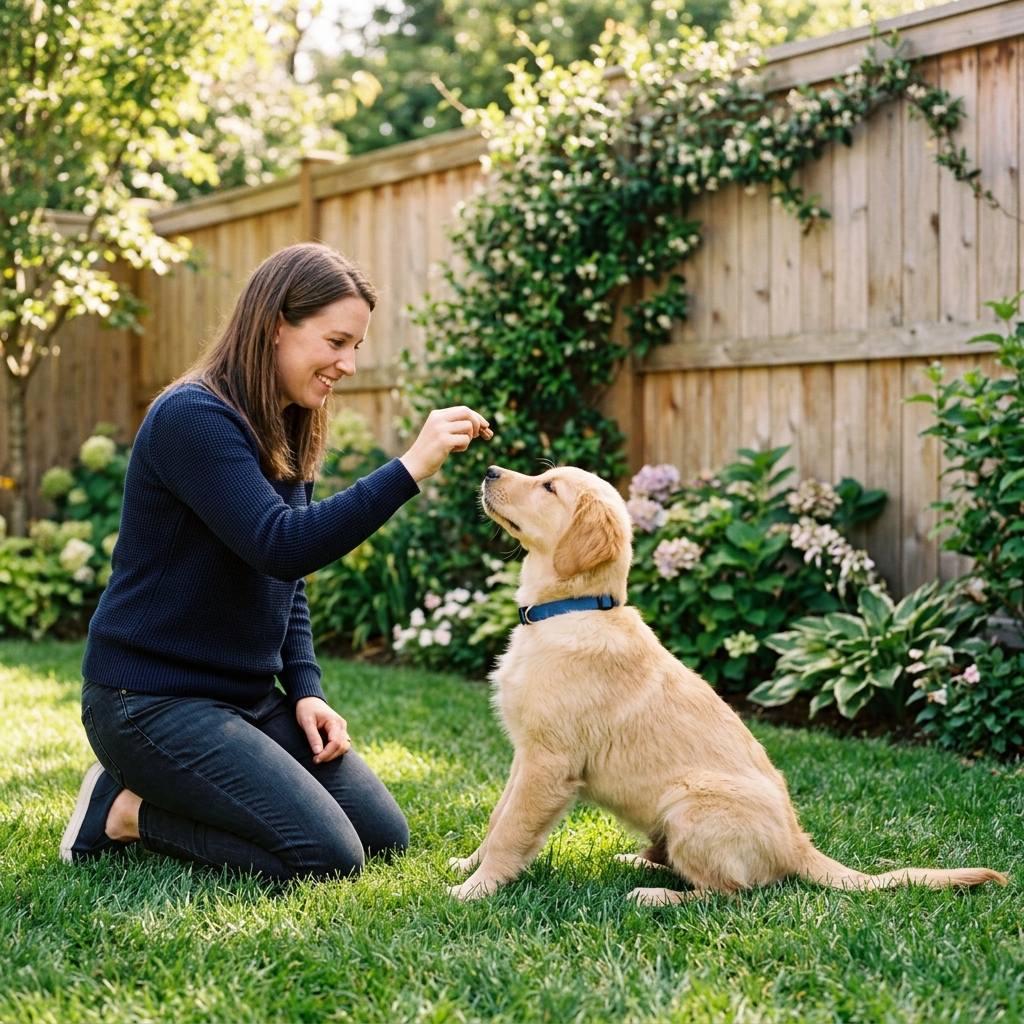
- Place a low-value treat in your closed fist and present it to your dog at nose level
- Your dog will sniff, lick, and paw at your hand. Wait patiently — do not pull away
- The moment your dog pulls their nose back from your fist — even for a fraction of a second — mark with "yes"
- Reward with a different, higher-value treat from your other hand — not the one in your closed fist
- Repeat until your dog consistently moves away from the fist on presentation
Level 2: Open Hand
- Place a treat on your open palm and present it to your dog
- If they lunge for it, close your hand quickly — no scolding, just a closed fist
- Open your hand again. Repeat until they look at the treat without lunging
- When they show restraint, mark and reward from the other hand
Level 3: Floor Item
- Place a treat on the floor and cover it with your hand or foot
- When your dog looks away or makes eye contact with you, mark and reward from your hand
- Gradually reduce your coverage — uncover the treat partially, then fully
- When your dog can see the treat on the floor and choose to look at you instead, add the verbal cue "leave it" just before presenting the item
Level 4: Real-World Practice
Practice during walks by placing treats on the ground and walking past them. When your dog notices the item and looks at you instead of lunging, mark and reward generously. Practice with increasingly interesting items — other food, toys, items on the ground during walks.
Teaching Drop It: Step by Step
The Trade Game
- Give your dog a low-value toy they will happily hold
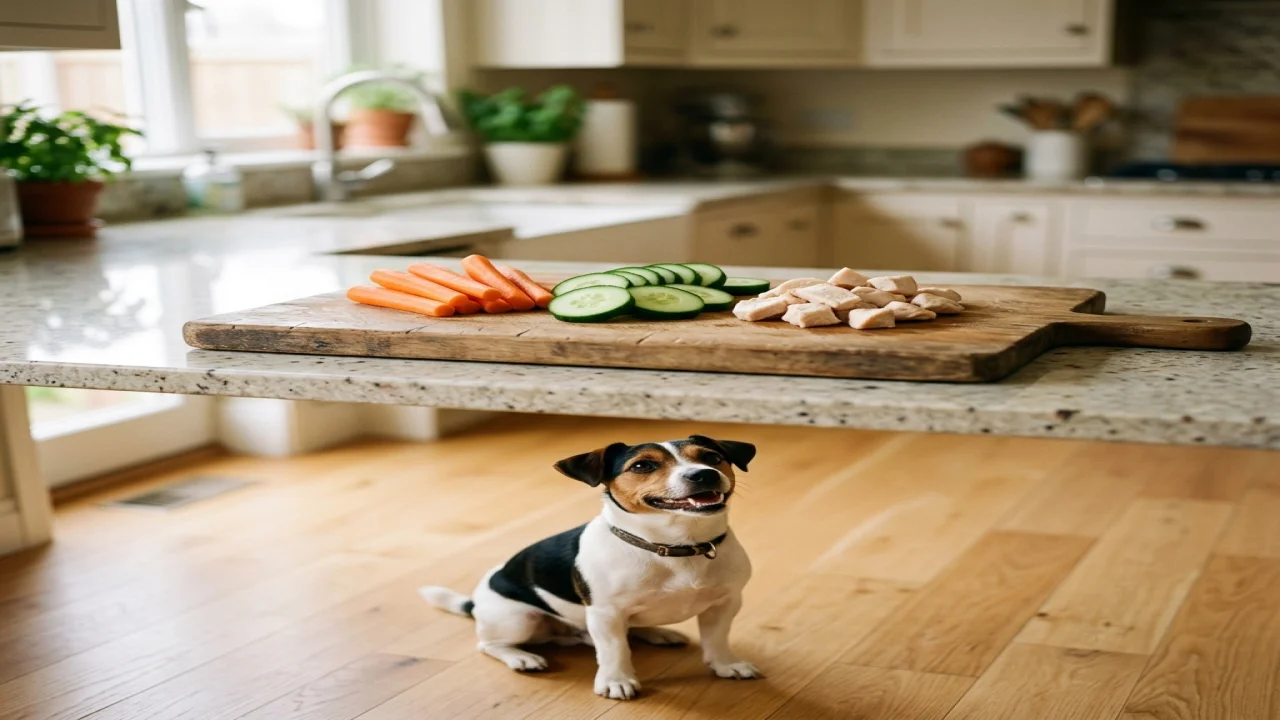
- Present a high-value treat near their nose — something irresistible like chicken or cheese
- When they open their mouth to take the treat, the toy drops naturally
- Mark with "yes," give the treat, and immediately give the toy back
- Repeat many times — the dog learns that dropping items earns a reward AND they get the item back
Adding the Verbal Cue
Once the dog reliably drops items during the trade, add the words "drop it" just before presenting the trade treat. Over time, "drop it" becomes the cue, and the treat becomes the reward after the drop rather than the bribe that causes it.
Important Notes on Resource Guarding
If your dog growls, stiffens, snaps, or otherwise guards items when you approach, do not attempt to force the item away. Resource guarding is a natural behavior, but it can escalate to biting if handled incorrectly. Never punish a growl — the growl is a warning that prevents a bite, and suppressing it removes the warning without removing the motivation. Consult a certified behavior professional who can create a safe desensitization and counterconditioning plan specific to your dog.
Common Mistakes
Chasing the dog when they grab something. This creates a game of keep-away and may cause the dog to swallow the item quickly. Stay calm and use a trade instead.
Prying the dog's mouth open. This is aversive, damages trust, and can escalate guarding behavior. Trade for something better instead.
Never returning the item. If you always take the item away after the dog drops it, the dog learns that dropping things means losing them. Return the item frequently during training to build trust.
Using leave it for items the dog already has. Leave it means do not touch. If the dog already has the item, use drop it. Using the wrong cue creates confusion.
When to Seek Professional Help
If your dog shows aggressive behavior around valued items — growling, snapping, or biting — consult a certified behavior professional. Resource guarding can escalate if mishandled and requires a careful, systematic approach. A professional can assess the severity, identify triggers, and build a behavior modification plan that keeps everyone safe.
Final Thoughts
Leave it and drop it are investments in your dog's safety. They are not about dominance or control — they are about giving your dog the skills to make safe choices and giving you the tools to protect them in dangerous situations. Teach these commands early, practice them often, and always make compliance more rewarding than the alternative. Your dog's willingness to cooperate with you could save their life one day.
Frequently Asked Questions
What's Your Reaction?
 Like
0
Like
0
 Dislike
0
Dislike
0
 Love
0
Love
0
 Funny
0
Funny
0
 Wow
0
Wow
0
 Sad
0
Sad
0
 Angry
0
Angry
0



Comments (0)