
First Week with a Puppy: What to Expect and How to Make It Easier
A realistic guide to the first week with a puppy, including routines, feeding, sleep, potty training, bonding, safety, and common challenges.

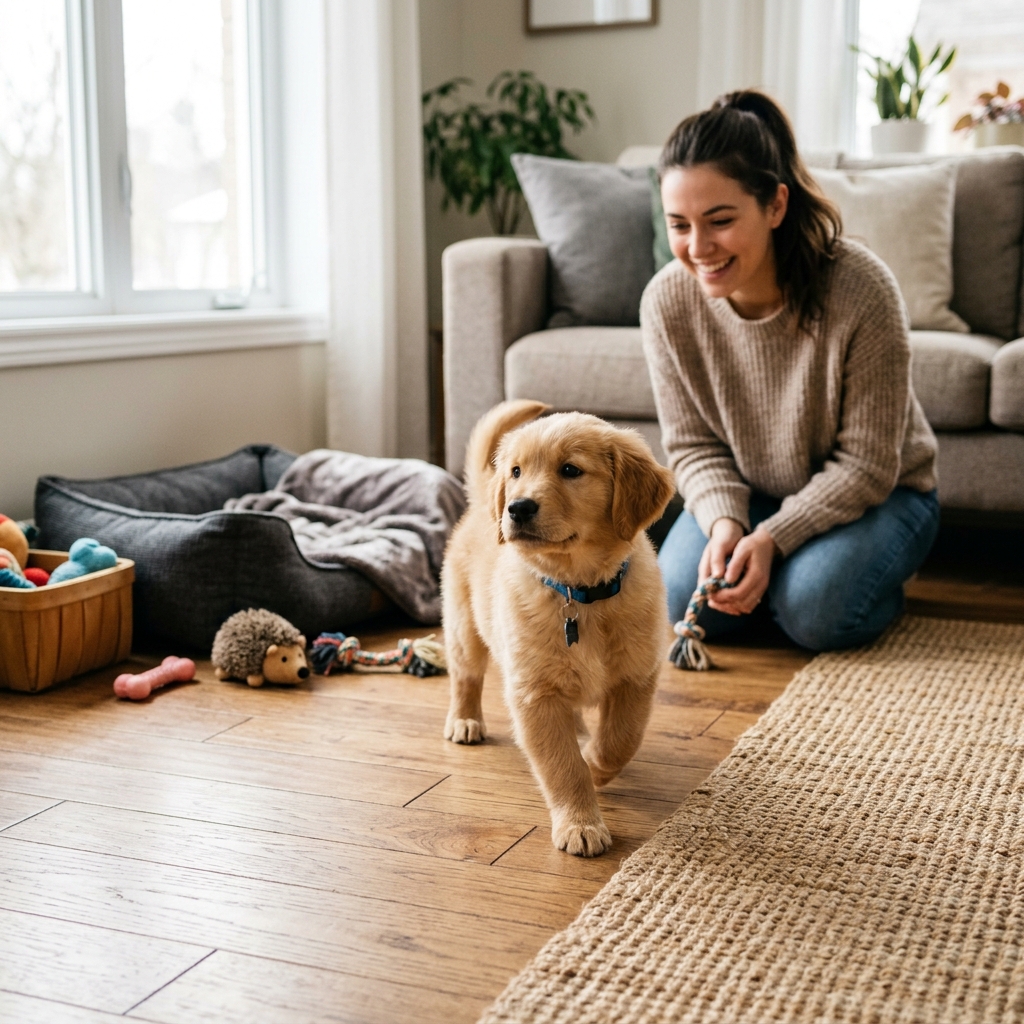
The first week with a new puppy is one of the most memorable experiences of dog ownership — and also one of the most challenging. You are learning about each other, establishing routines, dealing with sleepless nights, cleaning up accidents, and trying to figure out what your puppy needs at any given moment. It is wonderful, exhausting, and occasionally overwhelming, all at the same time.
This guide walks you through what to realistically expect during those first seven days and gives you practical strategies to make the transition smoother for both you and your puppy. No sugar-coating, no unrealistic expectations — just honest advice from the trenches of new puppy parenthood.
Quick Overview: The First Week at a Glance
- Day 1 — Arrival, exploration, first meals, first potty trips, first night in the crate
- Days 2–3 — Establishing feeding and potty routines, nighttime may still be rough
- Days 4–5 — Puppy begins to settle, routines start clicking, sleep improves
- Days 6–7 — More confidence, better potty habits, early bonding strengthens
- Throughout — Patience, consistency, lots of rest for the puppy, and grace for yourself
Why the First Week Matters
The first week sets the tone for your entire relationship with your dog. Every interaction during these critical days teaches your puppy about their new world — who you are, what the rules are, where they sleep, when they eat, and whether they are safe. Puppies are remarkably adaptable, but they need consistency, patience, and gentleness to build the trust and confidence that will carry them through the months and years ahead.
It is also important to remember that this week is a massive change for your puppy. They have been separated from their mother and siblings, transported to an unfamiliar environment, surrounded by new people, new smells, and new sounds. Some puppies adjust quickly and seem fearless from the start. Others are cautious, clingy, or anxious. Both responses are completely normal.
Day One: Bringing Your Puppy Home
The Car Ride
If possible, have someone else drive while you sit with your puppy. Bring a towel and a few paper towels in case of car sickness — many puppies get nauseous on their first car ride. Keep the ride calm and quiet, with gentle music or silence. A small crate secured in the back seat is the safest option.
Arrival at Home
Before bringing your puppy inside, take them to the designated potty spot first. Give them time to sniff around and go if they need to. Then bring them inside and allow them to explore one room at a time. Resist the urge to invite everyone over to meet the puppy — keep the first day quiet and low-key.
First Meal
Offer your puppy their regular food in a quiet spot. Do not be alarmed if they eat very little — the stress of a new environment can temporarily suppress appetite. Offer fresh water and leave them to eat without hovering. If they eat well, great. If not, try again in a few hours.
First Night
Place the crate in your bedroom with a comfortable blanket and a safe chew toy inside. Take your puppy out for a final potty break right before bed. Expect crying — it is their first night away from their mother and siblings. Place your hand near the crate briefly for reassurance, but avoid taking the puppy out of the crate in response to crying unless they genuinely need a bathroom break.
Days Two and Three: Finding the Rhythm
These days are about establishing routines that will become the backbone of your puppy's daily life. Focus on three things: feeding schedule, potty schedule, and sleep schedule.
Feeding
Feed three to four meals at consistent times. Use the same food the puppy was eating before to avoid stomach upset. Keep meals calm and undisturbed. Pick up uneaten food after fifteen to twenty minutes.
Potty Training
Take your puppy to the designated potty spot first thing in the morning, after every meal, after naps, after play, and before bed. Praise and treat immediately when they go in the right spot. Clean accidents without fuss using enzymatic cleaner. You will be making many, many trips outside — this is normal and necessary.
Sleep
Your puppy needs eighteen to twenty hours of sleep per day. Enforce naps when your puppy gets cranky or overstimulated — they often do not know when to stop. A tired puppy that is forced to stay awake becomes a biting, crying, unmanageable puppy. Settling them in the crate for a nap is not punishment — it is giving their body and brain the rest they desperately need.
Days Four and Five: Settling In
By mid-week, most puppies start showing signs of settling. Nighttime crying typically decreases or stops. Your puppy begins to anticipate the routine — they may start heading toward the door when they need to go outside or settle into the crate without protest at naptime.
This is a good time to start very short, positive training sessions. Teach your puppy their name by saying it in a happy tone and rewarding with a treat when they look at you. Practice luring them into a sit using a treat held above their nose. Keep sessions to two or three minutes maximum — puppies have extremely short attention spans.
Continue to limit visitors and keep the environment calm. Your puppy is still processing an enormous amount of new information, and too much stimulation can cause setbacks in behavior and potty training.
Days Six and Seven: Building Confidence
By the end of the first week, your puppy should be noticeably more comfortable. They know where their food comes from, where they sleep, and where the potty spot is. They recognize your voice and your scent. The foundation of trust is being laid.
Use these days to introduce very gentle new experiences — a short walk in a quiet area if your puppy has had initial vaccinations, a careful introduction to a friend or family member, or a new toy. Keep everything positive and let your puppy set the pace.
Reflect on the week and notice the progress. It may not feel like much when you are in the middle of cleaning up accidents and dealing with midnight wake-ups, but compared to Day One, your puppy has come a long way.
Daily Routine Example for the First Week
- 6:30 AM — Wake up, immediate potty trip, praise success
- 7:00 AM — Breakfast, then potty fifteen minutes later
- 7:30 AM — Short play and exploration, then enforced nap
- 9:30 AM — Wake from nap, potty, short play, back to nap
- 12:00 PM — Lunch, potty, play, nap
- 2:30 PM — Afternoon potty, gentle play or training session, nap
- 5:00 PM — Dinner, potty, family time
- 7:00 PM — Evening wind-down, potty, calm time
- 9:00 PM — Final potty trip, crate for the night
Common Mistakes to Avoid
Inviting everyone over on Day One. Your puppy needs time to adjust before being passed around by excited visitors. Keep the first few days quiet and introduce new people gradually over the following weeks.
Giving too much freedom. Your puppy does not need access to the entire house during the first week. Start with one or two rooms and expand gradually as potty training improves and your puppy demonstrates trustworthy behavior.
Skipping naps. An overtired puppy is a misbehaving puppy. If your puppy is getting wild, bitey, and uncontrollable, they probably need sleep, not more stimulation.
Expecting too much too soon. Your puppy will have accidents. They will cry at night. They will chew on something they should not. These are not failures — they are the natural learning process of a baby animal in a new environment. Lower your expectations and raise your patience.
Changing food immediately. Stick with whatever food the puppy was eating before they came home. A sudden diet change on top of the stress of a new environment is a recipe for digestive upset.
Signs That Need Extra Attention
- Refusal to eat for more than twenty-four hours
- Persistent vomiting or diarrhea
- Extreme lethargy — your puppy should be active and alert during wake periods
- Coughing, sneezing, or nasal discharge
- Limping or signs of pain
- Bloated or hard abdomen
When to Ask a Veterinarian
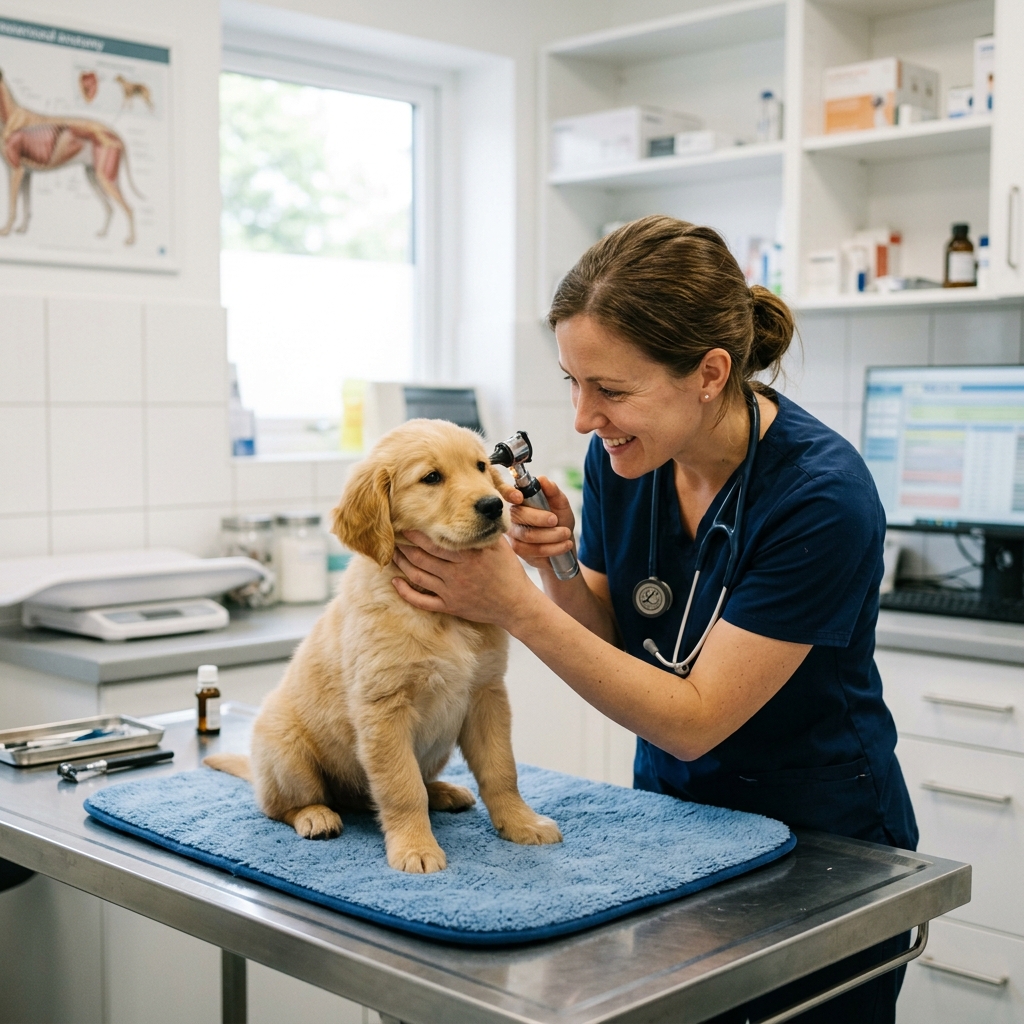
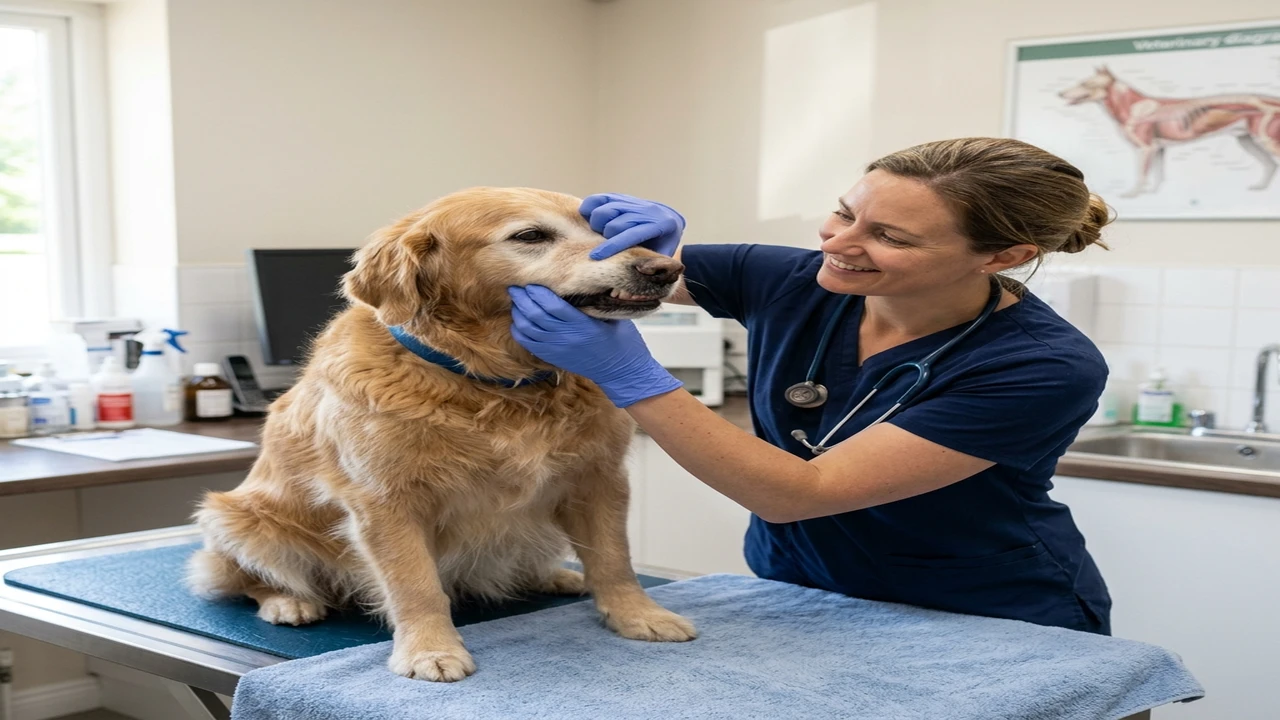
Schedule a veterinary visit within the first three to five days of bringing your puppy home — even if they seem perfectly healthy. This initial visit establishes a health baseline, confirms vaccination status, checks for parasites, and gives you an opportunity to ask questions about feeding, training, and care. If your puppy shows any of the warning signs listed above before the scheduled visit, do not wait — contact your veterinarian immediately. Young puppies can decline quickly, and prompt attention can make all the difference.
Final Thoughts
The first week with a puppy is intense. There will be moments of pure joy — that first tail wag just for you, the first time they fall asleep in your lap, the first successful potty trip outside. There will also be moments of doubt — the third accident before noon, the two AM crying session, the shredded sock you forgot to pick up.
All of it is normal. All of it is temporary. And all of it is building the foundation for a relationship that will bring you more happiness than you can imagine. Be patient with your puppy, be patient with yourself, and trust that it gets easier every single day.
By the end of the first week, you will have established the beginnings of a routine, taken the first steps in potty training, survived the toughest nights, and started to build a bond that will only grow deeper with time. Welcome to puppy parenthood — the most rewarding, sleep-deprived, sock-losing, heart-filling adventure of your life.
Frequently Asked Questions
What's Your Reaction?
 Like
0
Like
0
 Dislike
0
Dislike
0
 Love
0
Love
0
 Funny
0
Funny
0
 Wow
0
Wow
0
 Sad
0
Sad
0
 Angry
0
Angry
0



Comments (0)