
Best Dog Breeds for First-Time Owners: Easy, Friendly and Low-Maintenance
A guide to the best dog breeds for first-time owners, including easy-to-train, friendly, low-maintenance breeds that are perfect for beginners.

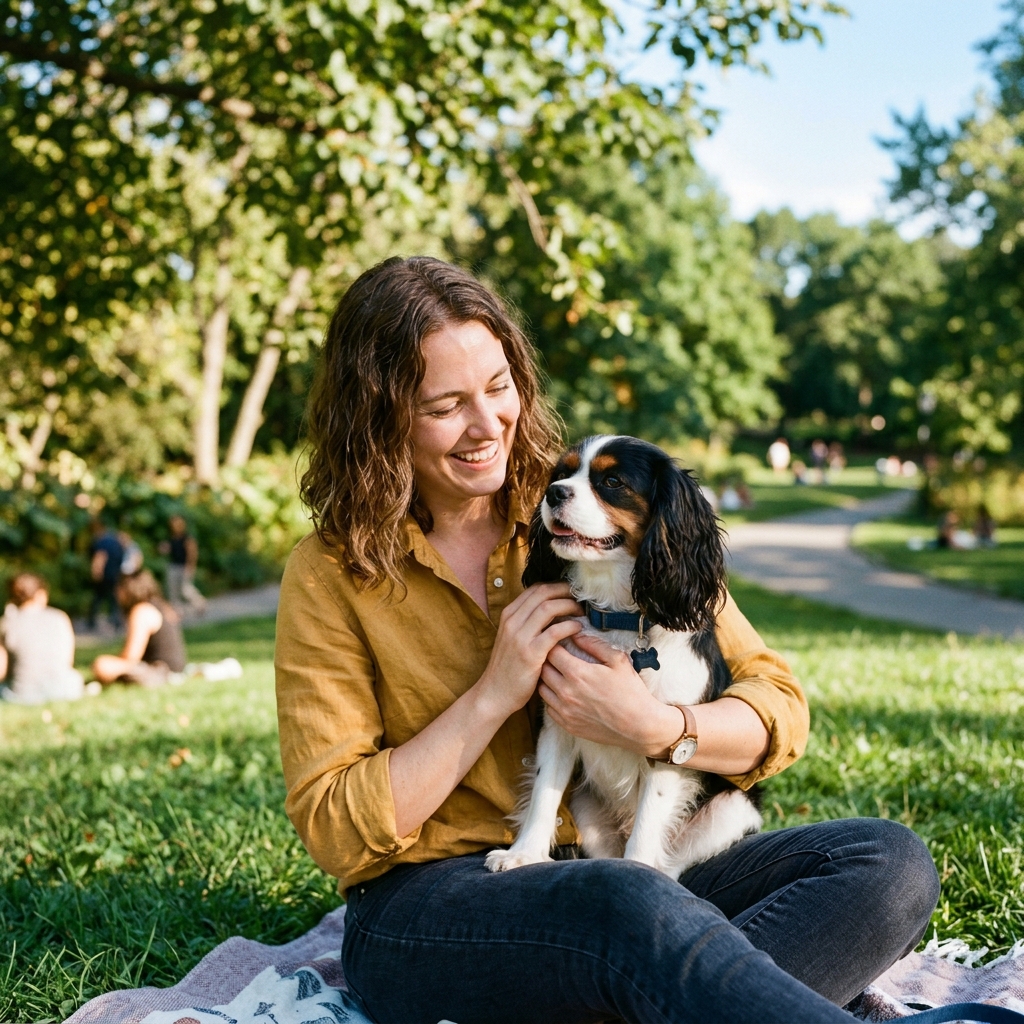
Getting your first dog is one of life's most exciting milestones. The anticipation, the research, the preparation — it is all part of the journey. But it is also a decision that will shape your daily life for the next 10 to 15 years, so choosing the right breed matters enormously.
This guide is designed specifically for first-time dog owners. We will cover which breeds are most beginner-friendly, what qualities to look for, what mistakes to avoid, and how to set yourself up for success from day one.
Quick Overview: What Makes a Dog Breed Good for Beginners?
The best dogs for first-time owners share several key traits:
- Easy trainability — responds well to basic commands and positive reinforcement
- Moderate energy — active enough for daily walks but not overwhelmingly demanding
- Forgiving temperament — patient with mistakes and inconsistencies
- Adaptability — adjusts well to different living situations and schedules
- Low to moderate grooming needs — manageable coat care without frequent professional grooming
- Good health profile — fewer breed-specific health complications
Best Dog Breeds for First-Time Owners
Cavalier King Charles Spaniel
If there is one breed that seems designed for first-time owners, it is the Cavalier. These gentle, affectionate dogs are incredibly adaptable and forgiving. They are happy in apartments or houses, with singles or families, and with active or relaxed lifestyles. Cavaliers are eager to please, easy to train, and their moderate exercise needs — about 30 to 45 minutes daily — are manageable for any schedule. Their biggest requirement is companionship; they thrive on human connection and do not do well when left alone for long hours.
Labrador Retriever
Labs are the classic recommendation for first-time owners, and for good reason. They are friendly, outgoing, patient, and eager to please. Their trainability is exceptional — they respond quickly to positive reinforcement and seem genuinely happy when learning new things. Labs do need more exercise than some other beginner breeds — at least 60 minutes daily — but their forgiving nature and stable temperament make them ideal for owners who are still learning the ropes.
Golden Retriever
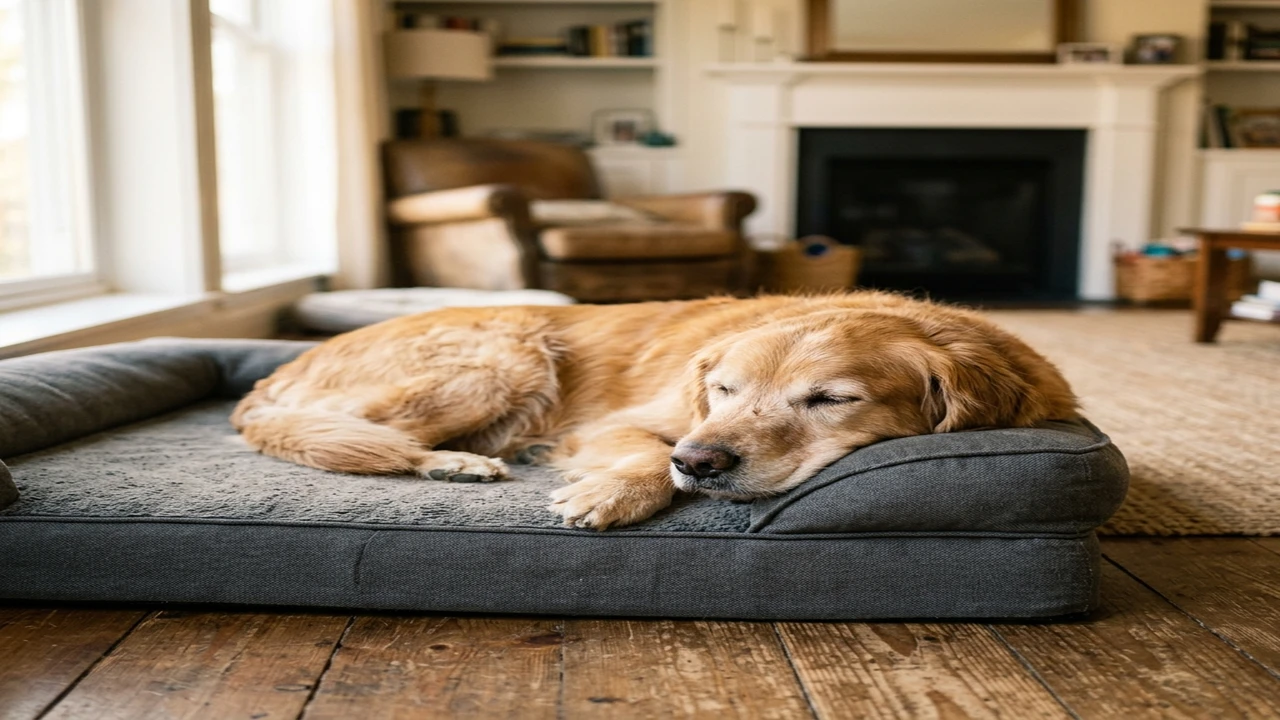
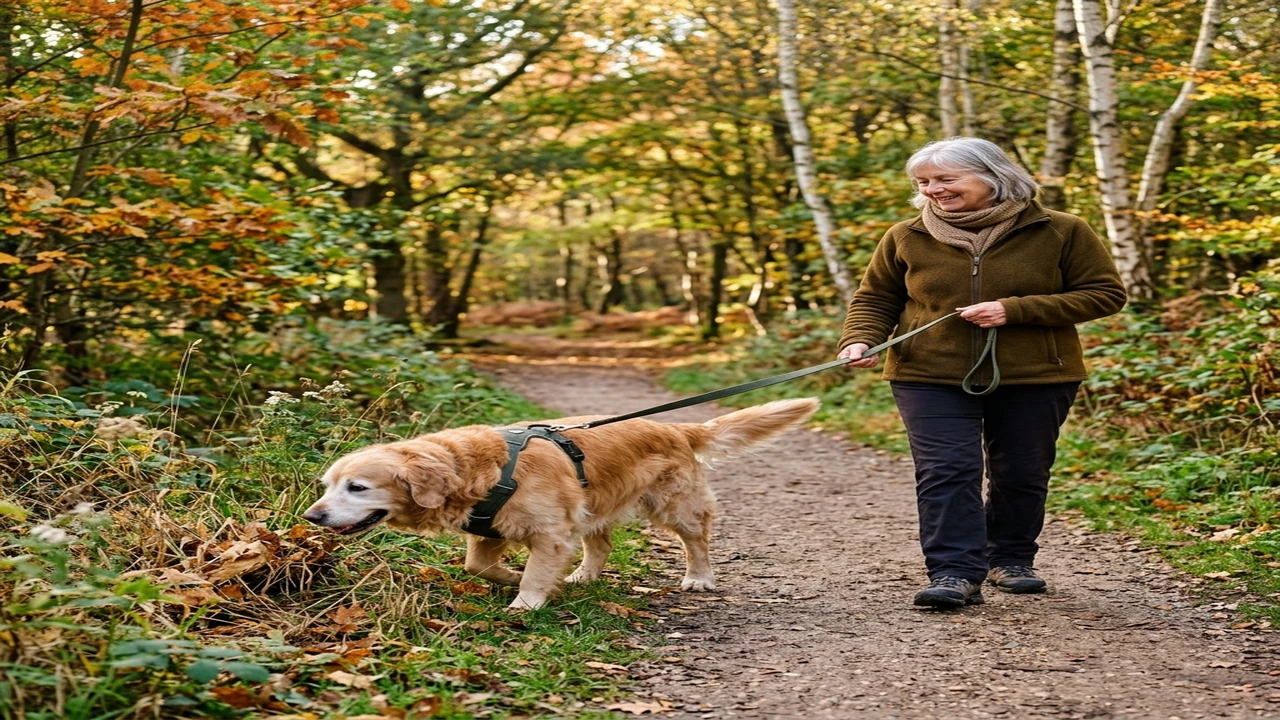
Similar to Labs but with a slightly calmer disposition, Golden Retrievers are patient, loving, and incredibly trainable. They are excellent with children, adaptable to various living situations, and their desire to please makes training feel natural rather than forced. Goldens do require regular grooming due to their long coat, but their temperament more than compensates for the extra brushing.
Poodle (Miniature or Standard)
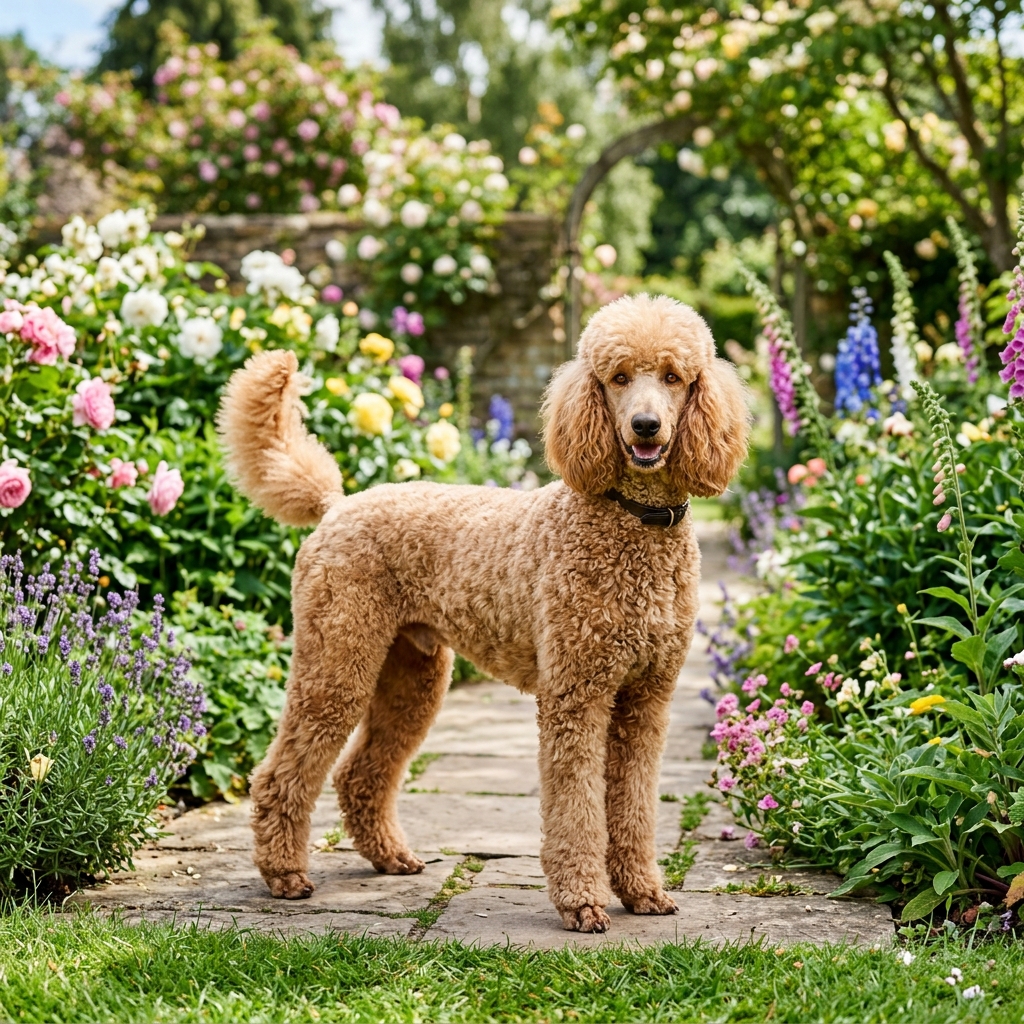
Poodles are the smartest hypoallergenic choice for first-time owners. They are highly trainable, minimal shedding, and come in sizes that fit almost any living situation. Miniature Poodles are particularly good for beginners living in apartments, while Standard Poodles suit families with more space. The grooming commitment is real — professional grooming every four to six weeks — but their intelligence and adaptability make them rewarding companions.
Bichon Frise
The Bichon Frise is a small, cheerful, hypoallergenic breed that adapts beautifully to almost any household. They are friendly with everyone, relatively easy to train, and their moderate exercise needs make them manageable for new owners. Bichons are playful without being hyperactive, and their happy disposition is infectious. They do need regular grooming to maintain their fluffy white coat, but their overall care requirements are beginner-friendly.
Papillon
Do not let their delicate appearance fool you — Papillons are surprisingly sturdy, trainable, and intelligent small dogs. They are one of the most trainable toy breeds and excel in obedience. Papillons are active and playful but their small size means their exercise needs are easily met with indoor play and short walks. They are alert, social, and make excellent companions for first-time owners who want a small but capable dog.
Mixed Breeds and Rescue Dogs
Many of the best first-time dogs are not purebreds at all. Mixed breed dogs from shelters and rescue organizations can be wonderful companions. They often benefit from hybrid vigor, meaning fewer inherited health problems. Shelter staff can help match you with a dog whose temperament and energy level suit your lifestyle. Adopting a dog also gives a deserving animal a second chance at a loving home.
Temperament and Personality: What to Look For
As a first-time owner, look for a dog that is confident but not dominant, friendly but not overbearing, calm but not lethargic, and responsive to food and praise during training. Avoid breeds that are known for strong-willed independence, high prey drive, or guarding instincts unless you have specific experience or are willing to invest heavily in professional training.
Size, Energy, and Lifestyle Fit
Be honest about your lifestyle before choosing a breed. If you work long hours, choose a lower-energy breed that handles alone time well. If you love hiking and running, an active breed like a Lab or Standard Poodle will be a great fit. If you live in a small apartment, consider a Cavalier, Bichon, or Miniature Poodle.
Remember that a dog's energy level matters more than its size. A small Jack Russell Terrier requires far more exercise and mental stimulation than a large Greyhound. Choose based on energy and temperament, not just physical dimensions.
Training Needs
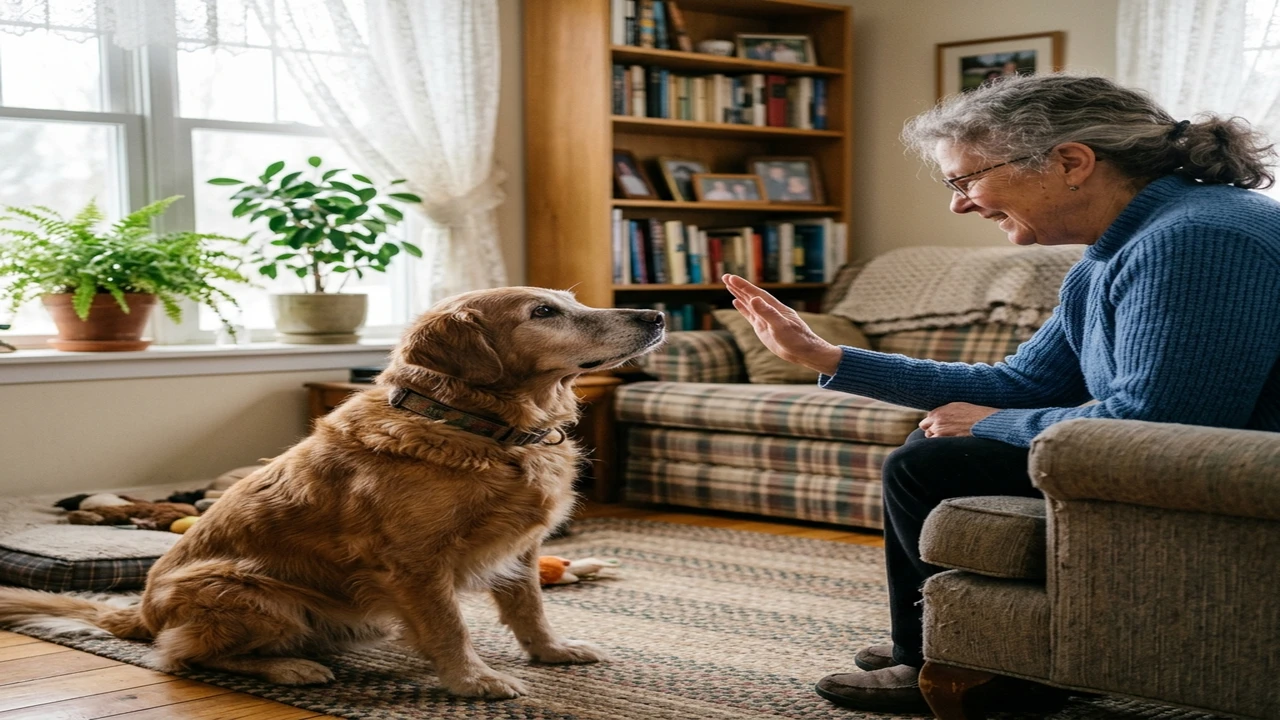
Every dog needs training, and as a first-time owner, you should prioritize basic obedience from day one. The essential commands are sit, stay, come, down, and leave it. These commands form the foundation of good behavior and safety.
Invest in a puppy class or group obedience class. These provide professional guidance, socialization opportunities, and a supportive community of fellow dog owners. Positive reinforcement — rewarding good behavior with treats, praise, and play — is the most effective and humane training method.
Be patient with yourself and your dog. Training is a process, not an event. There will be setbacks, accidents, and frustrating moments. That is normal. Consistency, kindness, and persistence will get you through.
Grooming and Daily Care
Grooming varies significantly by breed, but all dogs need basic care including regular brushing appropriate for their coat type, nail trimming every two to three weeks, dental care including tooth brushing and dental chews, ear checking and cleaning as needed, and regular bathing on a schedule appropriate for the breed.
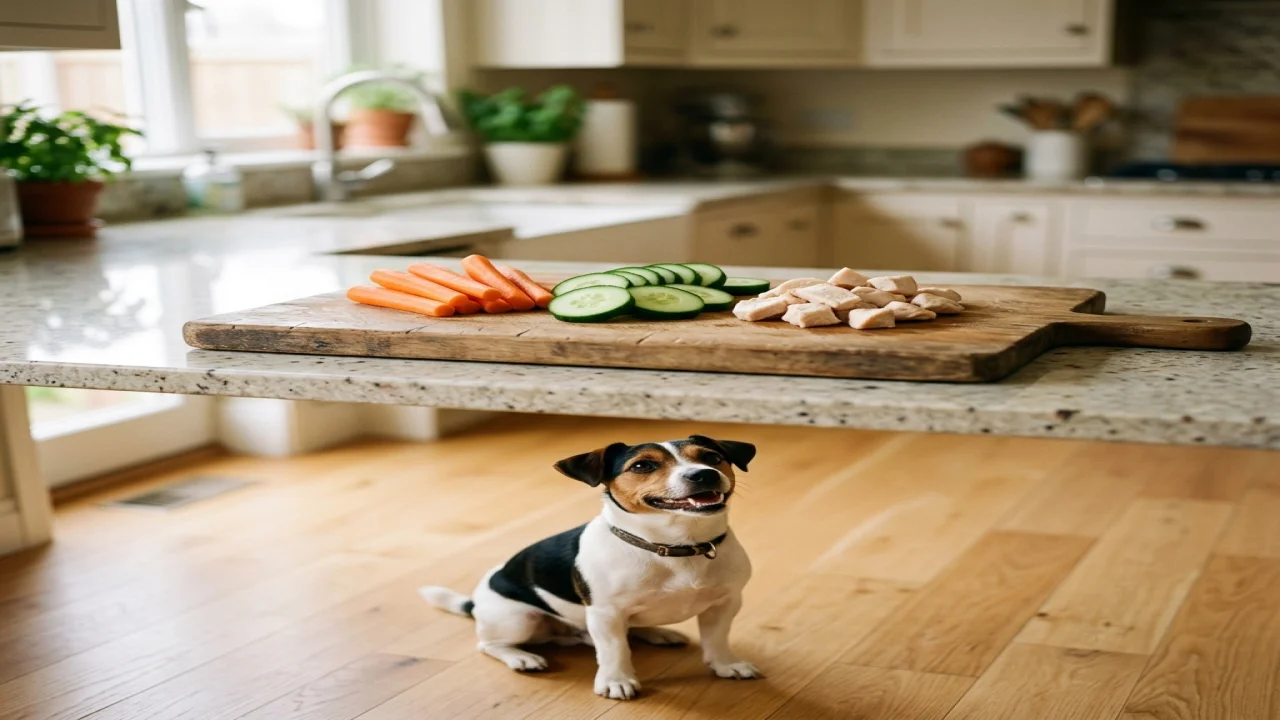
Beyond grooming, daily care includes feeding a balanced, age-appropriate diet, providing fresh water at all times, daily exercise and play, regular veterinary check-ups and vaccinations, and mental stimulation through toys, training, and social interaction.
Health Considerations
Before choosing a breed, research its common health issues. Some breeds are prone to expensive medical conditions that can catch first-time owners off guard. Consider pet insurance — it can provide financial peace of mind for unexpected veterinary bills.
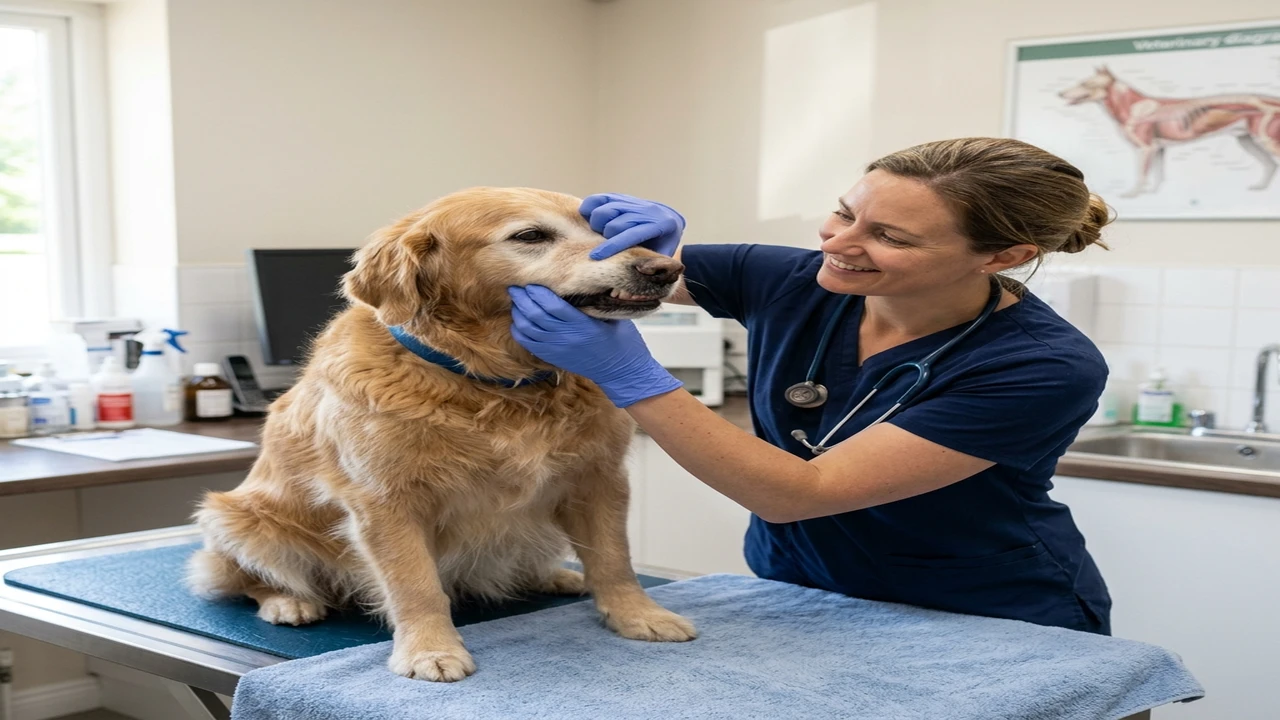
Establish a relationship with a veterinarian early. Schedule a wellness exam within the first week of bringing your dog home, and follow the recommended vaccination and preventive care schedule. Your vet is your most valuable partner in keeping your dog healthy.
Best Home Environment
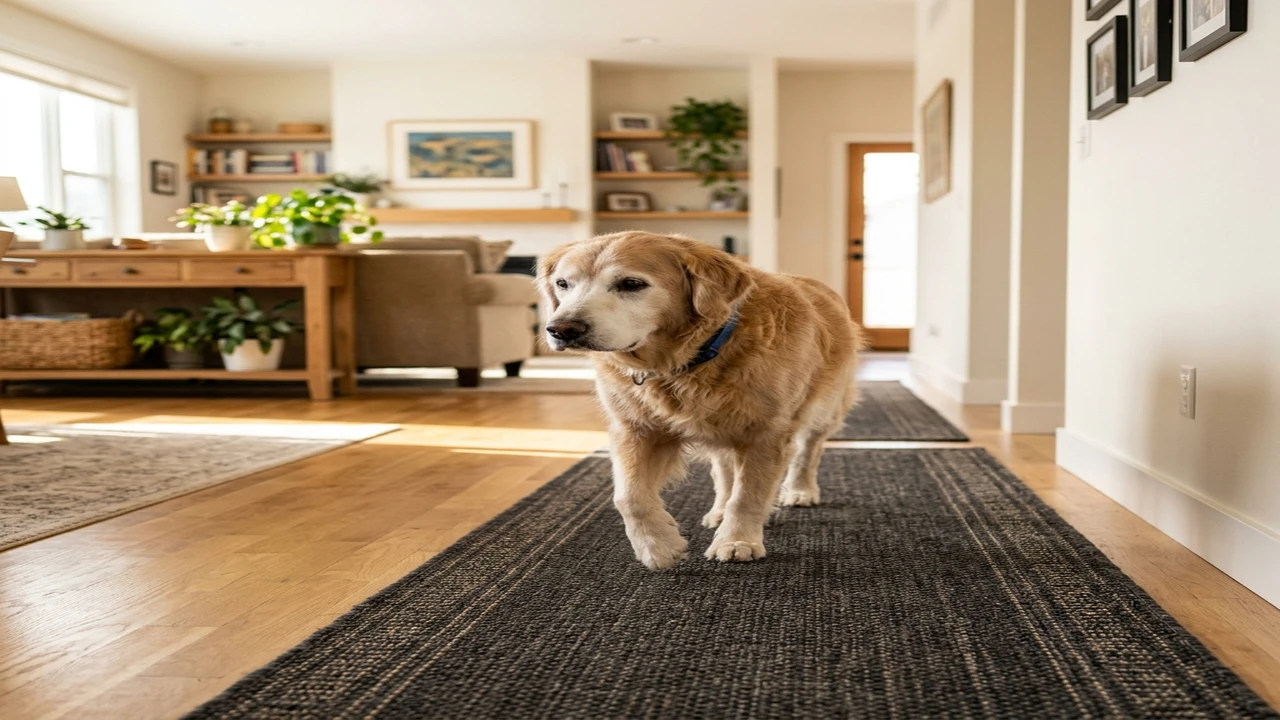
The best home for a first-time owner's dog is one with a consistent daily routine, a safe space for the dog to rest and retreat, regular social interaction, clear boundaries and house rules established from the beginning, and a commitment to ongoing learning about dog care and behavior.
Pros and Cons of Being a First-Time Dog Owner
Pros
- Companionship and emotional support that improve quality of life
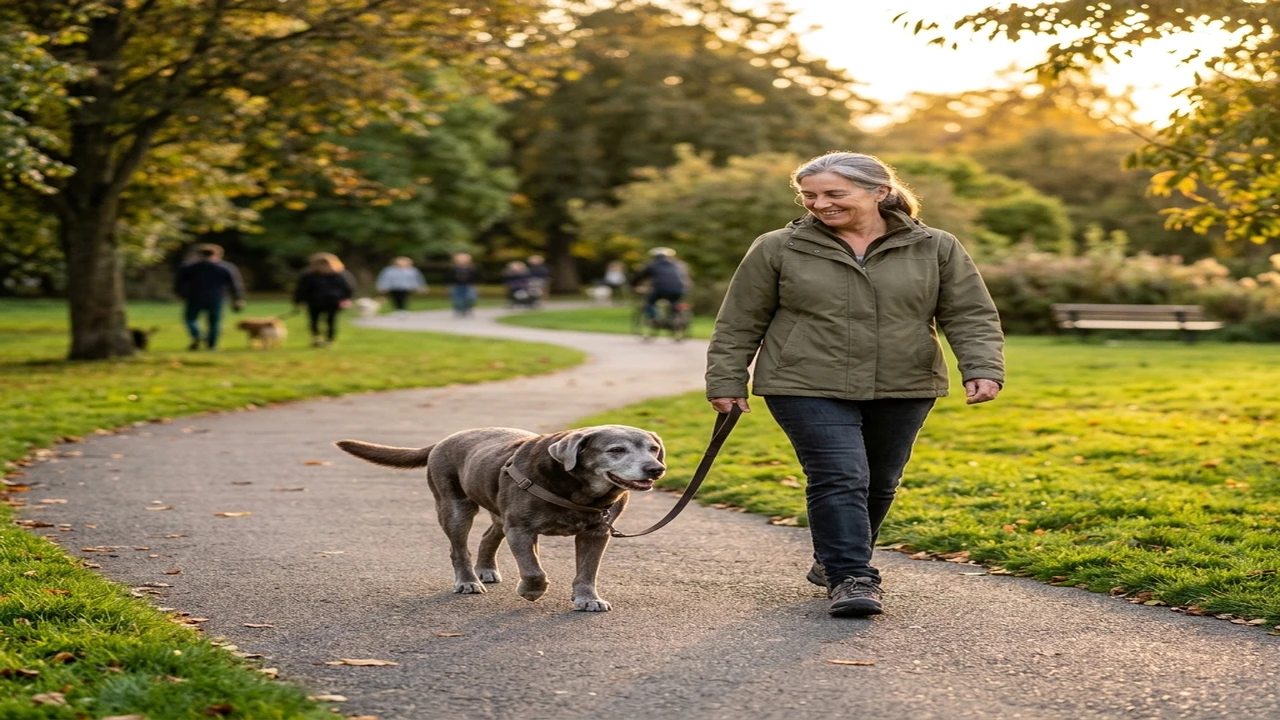
- Increased physical activity through daily walks and play
- Structure and routine that benefit both dog and owner
- Social opportunities through dog parks, classes, and community
- The joy of building a bond with a loyal, loving animal
Cons
- Significant time commitment for exercise, training, and care
- Financial costs including food, vet bills, grooming, and supplies
- Loss of spontaneity — travel and social plans need to account for the dog
- Emotional weight of responsibility for another living being
- Learning curve — mistakes are inevitable and can be stressful
Common Mistakes to Avoid
Choosing based on appearance. A Dalmatian might look amazing, but they are high-energy working dogs that need experienced handlers. Always research temperament and care needs first.
Skipping obedience training. Training is not optional. Even the most naturally well-behaved dog benefits from structured learning.
Being inconsistent. If the dog is allowed on the couch one day but not the next, confusion follows. Set rules and stick to them from the beginning.
Not budgeting for unexpected costs. Dogs get sick, injured, and need dental work. Have an emergency fund or pet insurance ready.
Rushing the process. Take your time choosing the right breed and the right individual dog. A hasty decision often leads to a poor match.
Final Thoughts
Your first dog will change your life in ways you cannot fully anticipate. The early days will be challenging — house training, establishing routines, learning to read your dog's body language — but the rewards are immeasurable. The bond you build with your first dog is a relationship unlike any other, built on trust, patience, and mutual affection.
Choose a breed that matches your lifestyle, not just your aesthetic preferences. Invest in training and veterinary care from the start. Be patient with yourself and your new companion. And above all, enjoy the journey. There is nothing quite like the experience of sharing your life with a dog for the first time.
Welcome to the world of dog ownership. It is messy, expensive, time-consuming, and occasionally frustrating. It is also one of the most rewarding experiences you will ever have.
Frequently Asked Questions
What's Your Reaction?
 Like
0
Like
0
 Dislike
0
Dislike
0
 Love
0
Love
0
 Funny
0
Funny
0
 Wow
0
Wow
0
 Sad
0
Sad
0
 Angry
0
Angry
0


Comments (0)