
German Shepherd Guide: Loyal, Intelligent and Protective Companions
Discover the German Shepherd breed — their intelligence, loyalty, training needs, exercise requirements, health basics, and why they make great companions.


The German Shepherd is one of the most recognizable and respected dog breeds in the world. Known for their intelligence, courage, and unwavering loyalty, German Shepherds have earned their reputation as exceptional working dogs, devoted family companions, and reliable protectors. From police and military work to service dog roles and family life, this breed excels in virtually every capacity.
This guide covers everything you need to know about living with a German Shepherd — their temperament, care needs, training requirements, and what makes this breed truly special.
Quick Overview: The German Shepherd at a Glance
- Origin: Germany, late 19th century
- Size: Large — 50 to 90 pounds (23 to 41 kg)
- Height: 22 to 26 inches (56 to 66 cm)
- Lifespan: 9 to 13 years
- Coat: Medium-length double coat, dense and weather-resistant
- Temperament: Intelligent, loyal, confident, courageous
- Exercise needs: Very high — 60 to 120 minutes daily
- Trainability: Exceptional
Temperament and Personality
German Shepherds are defined by their intelligence and loyalty. They are consistently ranked among the top three most intelligent dog breeds, and their ability to learn commands, read situations, and respond to their handler's cues is remarkable.
These dogs are deeply devoted to their families. A German Shepherd will position itself between its family and any perceived threat, not out of aggression, but out of a profound protective instinct. They are watchful, alert, and naturally suspicious of strangers — qualities that make them outstanding watchdogs but also require thoughtful socialization.
With their families, German Shepherds are affectionate, playful, and surprisingly gentle. They bond strongly with all household members and are known for being particularly patient with children. They can be silly and goofy at home while remaining composed and serious when the situation demands it.
One characteristic that surprises many new owners is the German Shepherd's sensitivity. Despite their tough exterior, they are emotionally attuned to their owners and can be deeply affected by tension, anger, or instability in the household. A calm, confident owner brings out the best in this breed.
Size, Energy, and Lifestyle Fit
German Shepherds are large, powerful dogs that need significant daily exercise and mental stimulation. They are not apartment dogs unless the owner is extremely dedicated to providing outdoor activity. A house with a secure, fenced yard is ideal.
This breed needs at least 60 to 120 minutes of exercise every day. Walks alone are not enough — they need running, play, training sessions, and activities that challenge their minds. German Shepherds excel in tracking, search work, agility, and protection sports. Without adequate stimulation, they become bored and may develop unwanted behaviors such as excessive barking, digging, or destructive chewing.
The ideal owner for a German Shepherd is someone who is active, experienced with dogs, and willing to invest time in training and socialization. First-time owners can succeed with this breed but should be prepared for the commitment required.
Training Needs
Training a German Shepherd is one of the most rewarding experiences in the dog world. Their intelligence, focus, and desire to work make them exceptional students. However, that same intelligence means they need consistent, engaging training — a bored German Shepherd will find its own entertainment, and you may not like the results.
Start training early. Puppy socialization between 8 and 16 weeks is critical for this breed. Expose them to different people, places, sounds, surfaces, and animals. A well-socialized German Shepherd is confident and calm; a poorly socialized one can be fearful and reactive.
Positive reinforcement is the most effective training method for German Shepherds. They respond well to praise, play, and treats. Avoid harsh corrections or punishment-based methods, which can damage the bond of trust and create behavioral problems.
Beyond basic obedience, consider advanced training activities. German Shepherds thrive with purpose. Scent work, agility, obedience competitions, and even tracking exercises give them the mental challenges they crave.
Grooming and Daily Care
German Shepherds have thick double coats that require consistent grooming:
- Brushing: Daily brushing is ideal, especially during shedding season. An undercoat rake and slicker brush are essential.
- Bathing: Every four to eight weeks. Avoid over-bathing, which strips natural oils.
- Ear care: Their upright ears are less prone to infection than floppy-eared breeds but should still be checked weekly.
- Nail trimming: Every two to three weeks.
- Dental care: Regular brushing and dental chews.
German Shepherds shed heavily — there is no way around it. They blow their undercoat twice a year, during which the shedding is extraordinary. Daily brushing during these periods is essential to manage the volume of loose hair.
Health Considerations
German Shepherds are prone to several health conditions:
- Hip and elbow dysplasia: The most common concern in the breed, causing pain and mobility issues
- Degenerative myelopathy: A progressive spinal cord disease that affects rear limb mobility
- Bloat (GDV): A life-threatening condition where the stomach twists, requiring emergency treatment
- Allergies: Skin allergies and food sensitivities are relatively common
- Pancreatic insufficiency: A condition affecting nutrient absorption
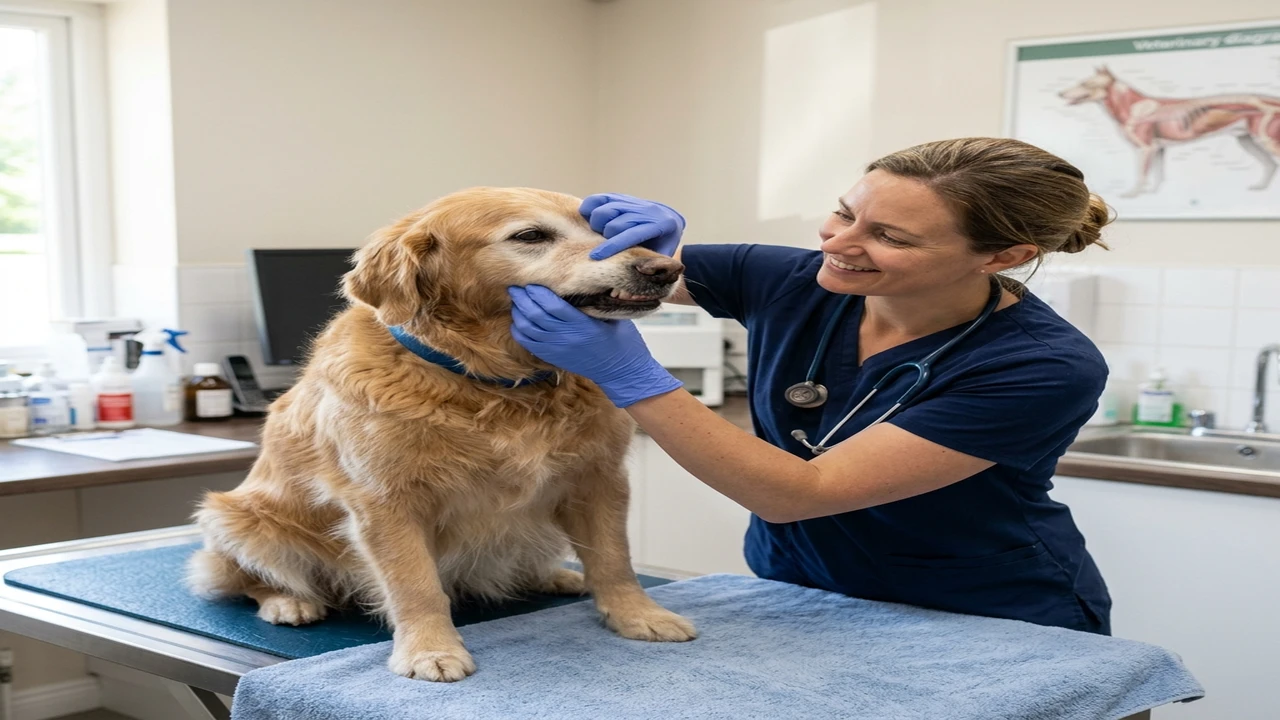
Work with a veterinarian familiar with the breed and discuss appropriate health screenings. Reputable breeders test for hip and elbow dysplasia and degenerative myelopathy before breeding.
Best Home Environment
German Shepherds do best in homes with experienced, active owners who provide structure, exercise, and mental challenges. They need a clear leader, consistent boundaries, and regular social interaction. A fenced yard is strongly recommended, and access to open spaces for exercise is important.
These dogs are not meant to be isolated. They need to be part of the family and involved in daily activities. A German Shepherd left alone in a backyard without interaction will become anxious, vocal, and potentially difficult to manage.
Pros and Cons
Pros
- Exceptionally intelligent and trainable
- Loyal and deeply devoted to family
- Natural protectors — excellent watchdogs
- Versatile working dogs for many roles
- Active and athletic companions
Cons
- Very high exercise and mental stimulation needs
- Heavy shedding year-round
- Prone to hip dysplasia and other health issues
- Requires experienced handling and consistent training
- Can be reactive if not properly socialized
Common Mistakes to Avoid
Skipping socialization. This is the single biggest mistake with German Shepherds. Without early, thorough socialization, they can become fearful, reactive, or aggressive toward unfamiliar people and animals.
Using harsh training methods. German Shepherds are sensitive dogs that respond best to positive reinforcement. Punishment-based methods can break their trust and create behavioral problems.
Not providing enough exercise. A German Shepherd without adequate physical and mental outlets will find destructive ways to release energy.
Choosing based on looks alone. German Shepherds are undeniably handsome, but they require significant commitment. Make sure you are prepared for their exercise, training, and health needs.
Final Thoughts
The German Shepherd is a breed that demands the best from its owner and gives even more in return. Their intelligence, loyalty, and versatility are unmatched, and in the right hands, they are one of the most rewarding dogs you can share your life with.
If you are willing to invest the time, effort, and love that this breed requires, you will be rewarded with a companion whose devotion knows no bounds. A well-trained, well-socialized German Shepherd is a true partner — one who will stand by your side through every chapter of your life.
Frequently Asked Questions
What's Your Reaction?
 Like
0
Like
0
 Dislike
0
Dislike
0
 Love
0
Love
0
 Funny
0
Funny
0
 Wow
0
Wow
0
 Sad
0
Sad
0
 Angry
0
Angry
0




Comments (0)