
Senior Dog Nutrition: How Dietary Needs Change With Age
An in-depth, veterinary-approved guide to senior dog nutrition. Learn how aging affects digestion, protein requirements, calorie management, and joint health.


Senior Dog Nutrition: How Dietary Needs Change With Age
Advances in veterinary medicine, vaccination, and commercial nutrition have allowed dogs to live longer lives. Today, senior dogs make up a significant percentage of the canine population. As dogs age, their bodies undergo physiological changes that directly affect their metabolic rate, digestive efficiency, joint health, and cognitive function. Consequently, their nutritional requirements change. Managing this transition requires shifting from adult maintenance to senior dog nutrition. Understanding these age-related shifts is critical to helping your older companion remain healthy, comfortable, and active in their golden years.
There is no single age at which all dogs become "senior." Aging is a highly variable process that depends on breed size. Giant breeds age much faster than toy breeds. Regardless of when the senior stage begins, managing older dogs requires adjusting calorie levels, maintaining high-quality protein intake, protecting organ function, and managing chronic conditions like osteoarthritis and kidney disease. This guide outlines the biology of canine aging and provides science-backed recommendations for feeding senior dogs.
Key Takeaways for Senior Dog Feeding
- Breed Size Governs Aging: Large breeds enter their senior years much earlier (age 6) than small breeds (age 9 to 10). Adjust diets accordingly.
- Prioritize High-Quality Protein: Healthy senior dogs need digestible protein to prevent sarcopenia (muscle loss). Do not restrict protein unless recommended by a vet for kidney disease.
- Adjust Calorie Density: Monitor weight closely. Active adult portions can cause obesity in sedentary seniors, while very old geriatric dogs may need calorie-dense foods to prevent weight loss.
- Support Joint Health: Incorporate anti-inflammatory fatty acids (EPA/DHA) and joint supplements to manage osteoarthritis symptoms.
- Address Dental Issues: Soften food or feed canned wet food if your senior dog suffers from dental pain or missing teeth.
The Nutritional Concept: Metabolic and Physical Shifts in Aging Dogs
Let's explore the physiological changes that senior dogs experience and how they affect nutrient digestibility. As dogs age, the surface area of their intestinal lining (villi) decreases, and the production of salivary, gastric, and pancreatic enzymes drops. This leads to a reduction in the digestive efficiency of fats and proteins. Consequently, senior dogs require highly digestible ingredients so their bodies can extract nutrients without placing stress on the digestive tract. Foods containing high concentrations of highly bioavailable proteins, such as eggs, chicken, and wheat gluten, are ideal for older dogs. These ingredients provide essential amino acids with minimal metabolic waste, which is particularly beneficial for dogs with early-stage, subclinical kidney disease.
Additionally, cognitive decline (Canine Cognitive Dysfunction Syndrome, or CDS) is a common issue in senior dogs. Similar to Alzheimer's disease in humans, CDS is characterized by brain inflammation and oxidative damage. Specialized senior diets often incorporate Medium-Chain Triglycerides (MCTs), which are fats derived from coconut oil that provide an alternative energy source for the brain. Since aging brains lose their ability to utilize glucose efficiently, MCTs provide ketones that fuel brain cells. Clinical studies have shown that feeding MCTs to senior dogs improves spatial memory, learning, and attention span. Antioxidants like Vitamin E, Vitamin C, and beta-carotene are also added to neutralize free radicals and slow cognitive aging.
The aging process is characterized by a gradual decline in physiological reserve and metabolic efficiency. When evaluating senior dog nutrition, veterinarians focus on several critical metabolic shifts:
Protein Synthesis and Sarcopenia
One of the most significant physical changes in senior dogs is the loss of lean body mass, particularly muscle tissue—a process known as sarcopenia. As dogs age, their ability to synthesize protein decreases, while their protein maintenance requirements remain the same or increase. Healthy senior dogs require foods containing high-quality, highly digestible protein (comprising at least 24% to 28% of the dry matter) to prevent their bodies from breaking down muscle tissue for energy. Maintaining muscle mass is vital because muscle loss is directly linked to weakness, decreased mobility, and a higher mortality rate. A common veterinary misconception was that all senior dogs should be fed low-protein diets to protect their kidneys. Current research indicates that protein restriction is unnecessary and harmful for senior dogs with healthy kidney function.
Calorie Management: Obesity vs. Muscle Wasting
Senior dogs typically fall into one of two metabolic categories:
- The Young-Senior (Weight Gain): In early senior years, activity levels and resting metabolic rates decrease. If calorie intake is not reduced, these dogs will quickly accumulate body fat. Obesity in senior dogs is particularly damaging because it exacerbates joint pain from arthritis and increases the risk of metabolic disorders. These dogs require lower-calorie, high-fiber senior formulas.
- The Geriatric Dog (Weight Loss): In very advanced years, dogs often experience a decline in digestive efficiency. They absorb fewer fats and proteins from their food. Additionally, their senses of smell and taste decline, leading to a reduced appetite. These geriatric dogs require highly palatable, calorie-dense formulas to prevent muscle wasting and dangerous weight loss.
Digestive Efficiency and Gut Health
The canine gastrointestinal tract undergoes structural changes with age, leading to reduced digestive enzymes and altered gut microbiomes. Senior dogs are more prone to constipation due to decreased colon motility. Commercial senior diets often incorporate prebiotic fibers (like beet pulp or chicory root) and soluble fibers to support digestion, stabilize stool consistency, and nourish beneficial gut bacteria.
Factors that Influence Senior Dog Diets
Choosing the correct senior food requires examining breed-specific and medical variables:
Breed and Lifespan Profiles
Because giant breeds (like Great Danes and Mastiffs) have lifespans of 8 to 10 years, they are considered senior by age 6. Toy breeds (like Chihuahuas and Yorkies) have lifespans of 15 to 18 years and do not show signs of metabolic aging until age 10. You must adjust your dog’s diet based on their breed-specific aging rate, rather than a generic age marker.
Skeletal and Joint Health
Osteoarthritis affects a vast majority of senior dogs, causing chronic pain and reducing mobility. Senior dog diets often incorporate Eicosapentaenoic Acid (EPA) and Docosahexaenoic Acid (DHA)—omega-3 fatty acids derived from fish oil. These fatty acids act as natural anti-inflammatories, reducing cartilage degradation in arthritic joints. Glucosamine and chondroitin sulfate are also commonly added to support cartilage structure, though additional therapeutic supplements are often required to manage active joint disease.
Practical Step-by-Step Guidance for Feeding Senior Dogs
Follow these steps to optimize your senior dog’s nutritional routine:
- Assess Your Dog’s Aging Stage: Identify if your dog is entering their early senior years (prone to weight gain) or geriatric years (prone to weight loss and muscle wasting).
- Schedule Senior Veterinary Screening: Before switching foods, have your vet perform senior blood work, a urinalysis, and a physical exam. This rules out early-stage kidney disease, thyroid dysfunction, or dental issues that dictate dietary requirements.
- Evaluate AAFCO Statements: Ensure the food you choose is labeled for "adult maintenance" or "all life stages." Note that there is no official AAFCO nutrient profile specifically for senior dogs; senior foods fall under the adult maintenance profile. Rely on reputable brands that formulate diets specifically for the demands of aging.
- Weigh and Monitor Portion Sizes: Weigh the daily ration on a scale. Adjust the portions by 10% increments to keep your dog at a stable, ideal Body Condition Score (4 to 5 out of 9).
- Adjust Food Texture if Needed: If your dog has dental pain or missing teeth, add warm water or low-sodium bone broth to their dry kibble to create a soft mash, or feed canned wet food.
Addressing Canine Cognitive Dysfunction with Dietary Antioxidants
Cognitive decline, often referred to as Canine Cognitive Dysfunction (CCD), is a common age-related condition in dogs that mirrors Alzheimer's disease in humans. Symptoms include disorientation, altered sleep-wake cycles, and changes in social interactions. Research shows that diets rich in antioxidants (such as vitamins C and E, beta-carotene, and selenium) combined with medium-chain triglycerides (MCTs) can significantly improve cognitive health in senior dogs. MCTs serve as an alternative energy source for the aging brain, which becomes less efficient at utilizing glucose. Providing these targeted nutrients helps maintain mental alertness and quality of life in senior pets.
Supporting Hydration and Kidney Function in Senior Dogs
As dogs age, their sensation of thirst decreases, making them prone to subclinical dehydration. Chronic dehydration puts additional stress on their kidneys, which may already be experiencing age-related decline. To support kidney health and maintain proper hydration, senior dogs benefit from diets with higher moisture content. You can achieve this by mixing complete and balanced wet canned food with their dry kibble, or by adding warm, low-sodium bone broth to their meals. The increased fluid intake helps flush toxins from the body and supports overall metabolic function.
Maintaining Muscle Mass and Managing Arthritis
Sarcopenia, or the natural loss of muscle mass, is a common consequence of aging in senior dogs. Older dogs require high-quality, easily digestible proteins to maintain their muscle tissue without overloading their kidneys with waste. Additionally, senior dog diets must also contain high levels of omega-3 fatty acids, particularly eicosapentaenoic acid (EPA) and docosahexaenoic acid (DHA). These fatty acids replace arachidonic acid in cell membranes, reducing the production of pro-inflammatory eicosanoids. This dampens the inflammatory cascade within joints affected by osteoarthritis, reducing pain and stiffness. Incorporating these functional ingredients through a high-quality commercial diet or targeted veterinary supplements can improve mobility and reduce the dog’s dependence on non-steroidal anti-inflammatory drugs (NSAIDs).
Common Mistakes to Avoid
Restricting protein proactively without medical reason. Avoid feeding low-protein "senior" diets unless a blood test confirms kidney dysfunction. Low-protein diets will accelerate sarcopenia (muscle loss) and weaken your dog’s immune system.
Assuming all senior dogs need joint diets. Do not rely solely on commercial dry food to treat arthritis. The heat processing used in kibble manufacturing can degrade joint ingredients, and the concentrations are rarely therapeutic. Work with your vet to obtain concentrated, pharmaceutical-grade joint supplements.Overlooking dental pain as a cause of poor appetite. If your senior dog stops eating or drops kibble from their mouth, do not assume they are just "getting old" or picky. They are likely experiencing dental pain from fractured teeth or periodontal disease. Seek veterinary dental care immediately.
Maintaining optimal gastrointestinal motility is crucial for the health of senior dogs. As dogs age, the smooth muscle function of their digestive tract can slow down, which often leads to chronic constipation or irregular bowel movements. Feeding a diet with moderate levels of dietary fiber, specifically soluble fibers like pumpkin beet pulp, can help regulate bowel transits. Soluble fiber absorbs water in the colon, creating a softer, bulkier stool that is easier for the senior dog to pass. This simple nutritional adjustment reduces strain on their back and joints during elimination.
Safety Risks and Veterinary Warnings
Unexplained weight loss, excessive drinking (polydipsia), and excessive urination (polyuria) are warning signs of common senior canine conditions, including kidney disease, diabetes, Cushing’s disease, and cognitive dysfunction syndrome. If your senior dog exhibits these symptoms, do not attempt to adjust their diet on your own. Diagnostic testing is required to identify the underlying pathology. Additionally, senior dogs have lower physiological tolerance for dehydration; persistent vomiting or diarrhea can cause rapid, life-threatening dehydration that requires emergency veterinary intervention.
When to Consult a Veterinarian
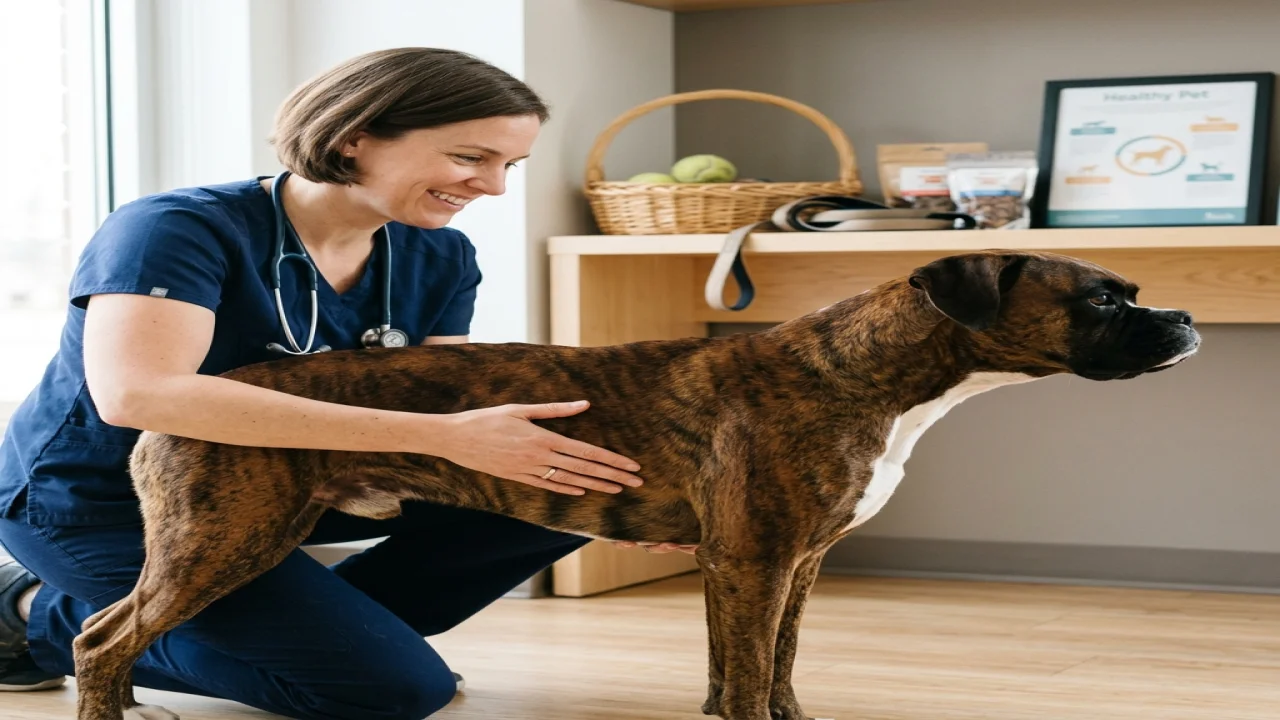
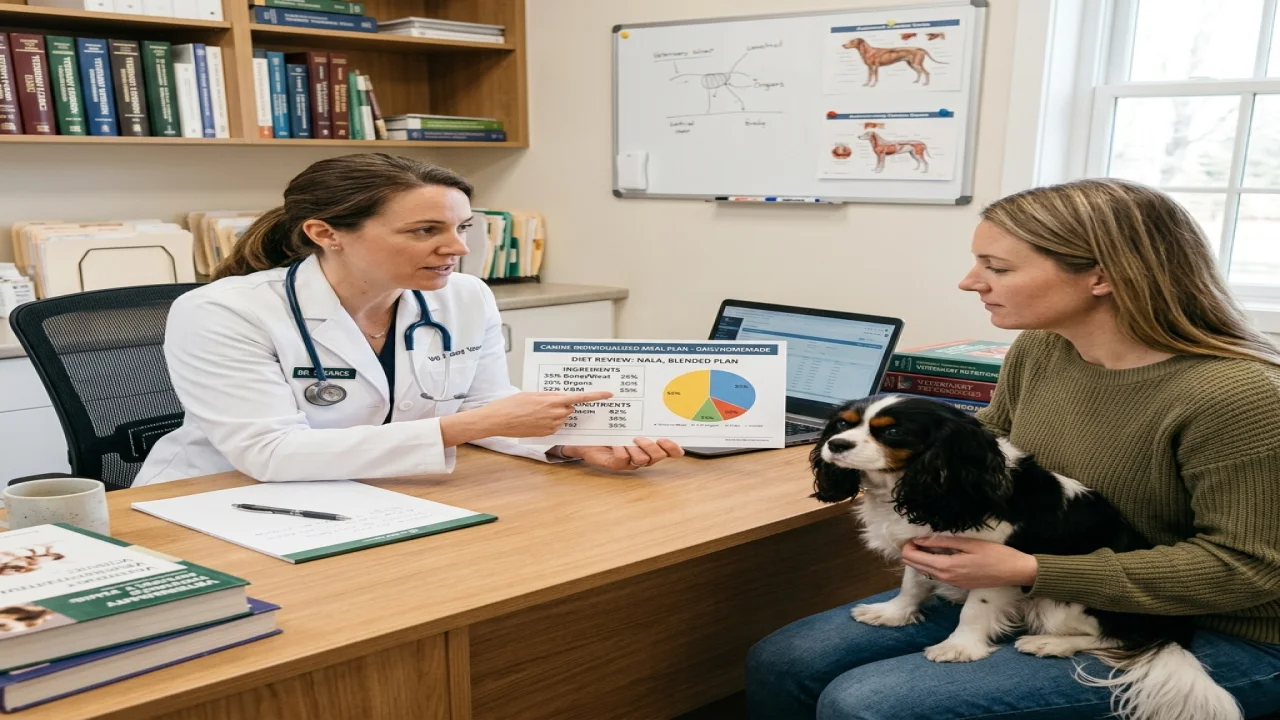
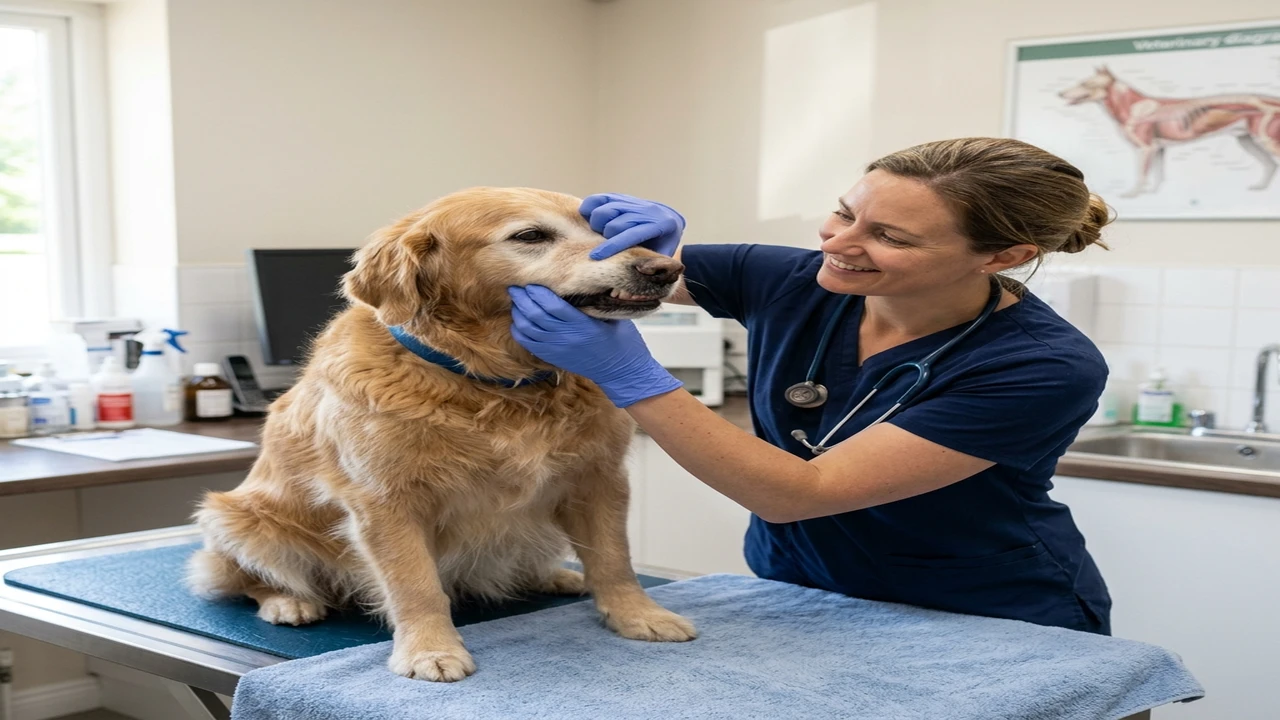
Senior dogs should receive veterinary examinations at least twice a year. During these visits, discuss your dog’s body condition, mobility, and diet. Your veterinarian can recommend prescription therapeutic diets if your dog is diagnosed with organ failure, cardiovascular disease, or cognitive decline. If you wish to feed a homemade diet to manage your senior dog’s health, you must consult a board-certified veterinary nutritionist to ensure the recipe is balanced and safe for their changing organ function.
This article provides general educational information and does not replace individualized advice from a veterinarian or board-certified veterinary nutritionist. Consult your veterinarian before making significant changes to your dog’s diet.
Sources and Further Reading
- World Small Animal Veterinary Association (WSAVA): Nutritional Assessment Guidelines
- Association of American Feed Control Officials (AAFCO): Understanding Pet Food Labeling
- Cummings School of Veterinary Medicine at Tufts University: Protein Requirements in Senior Dogs
- Veterinary Medicine and Science: The Role of Omega-3 Fatty Acids in Canine Osteoarthritis
Conclusion
Understanding senior dog nutrition is key to supporting your dog through their aging process. By adjusting their calorie density to match their changing metabolism, prioritizing high-quality protein to maintain muscle mass, and incorporating targeted joint-supporting fatty acids, you help your older companion enjoy a comfortable, happy life. Partner with your veterinarian to monitor their health and adjust their diet as their physical requirements evolve.
Frequently Asked Questions
What's Your Reaction?
 Like
0
Like
0
 Dislike
0
Dislike
0
 Love
0
Love
0
 Funny
0
Funny
0
 Wow
0
Wow
0
 Sad
0
Sad
0
 Angry
0
Angry
0







Comments (0)