
Separation Anxiety in Dogs: Signs, Causes and What to Do
Does your dog panic when you leave? Learn to identify separation anxiety in dogs, distinguish it from simple boredom, and implement a safe, step-by-step separation training plan.

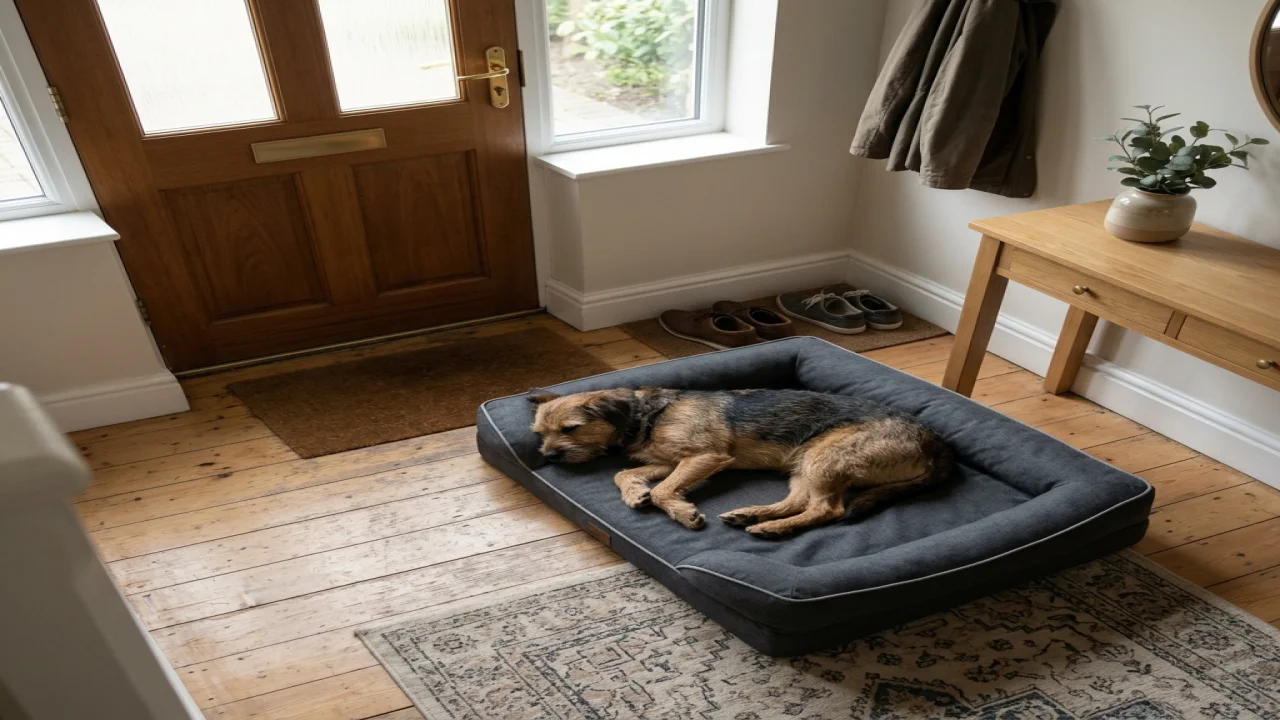
Separation Anxiety in Dogs: Signs, Causes and What to Do
For many pet owners, leaving the house is a simple daily routine. However, for owners of dogs with separation anxiety, departures are a source of dread. Separation anxiety in dogs is a complex, panic-based psychological condition where a dog experiences severe distress when separated from their primary attachment figures. The behavior is not a result of spite, lack of training, or a desire to get revenge for being left behind; it is a physiological panic attack, similar to a human phobia or panic disorder.
It is crucial to understand that not all destructive behavior or barking that occurs when a dog is alone is confirmed separation anxiety. Many dogs chew household items or bark out of simple boredom, lack of exercise, or reactivity to outdoor sounds. Distinguishing between normal boredom and true clinical separation anxiety in dogs is the first step toward implementing a safe, effective behavior modification plan. This article provides detailed guidance on recognizing the signs, understanding the motivations, and implementing a force-free training program to support your dog.
Key Takeaways
- Panic-Based Condition: Separation anxiety is a genuine panic disorder, not stubbornness or spite. The dog is unable to control their behavior during a panic episode.
- Distinguish from Boredom: Anxiety focuses destruction on exit points (doors/windows) and is accompanied by immediate pacing, drooling, or howling. Boredom destruction is more generalized.
- Desensitize Slowly: Training relies on systematic desensitization, practicing departures so short that the dog never enters a state of panic.
- Consult a Vet: Pain or sudden health changes can trigger separation distress. A veterinarian must rule out medical causes and evaluate if anxiety medication is needed.
- Avoid Punishment: Never punish your dog for separation-related destruction. Punishment increases their fear of being left alone, making the anxiety worse.
What Separation Anxiety Can Mean
Separation anxiety is a clinical panic disorder, similar to human agoraphobia or panic attacks. When the dog's owner leaves, the dog's sympathetic nervous system goes into overdrive, triggering a flight-or-flight response. The dog is literally terrified of being alone. This intense emotional state means the dog cannot control their behavior. Their attempts to escape or vocalize are not driven by spite or anger, but by a desperate search for security. Confinement in a crate can exacerbate this panic, leading to barrier frustration and self-injury. To learn how to safely introduce boundaries, review crate training a dog.
The severity of separation anxiety can vary. Some dogs only display distress when their primary attachment figure leaves, while others panic when left completely alone regardless of who is present. Understanding your dog's specific triggers and attachment history is crucial for designing a successful rehabilitation program. Always prioritize safety and management to keep your dog under their panic threshold.
When a dog suffers from separation anxiety, their nervous system shifts into a fight-or-flight response upon their owner's departure. This emotional state is driven by a profound fear of isolation and a breakdown of their coping mechanisms. The dog's behavior during these episodes—such as scratching at doors, tearing window treatments, or howling constantly—is an attempt to escape their confinement and reunite with their owner.
The learning history of the dog, breed predispositions, and previous life experiences (such as being rehomed or spending time in a shelter) can contribute to the development of this condition. Because separation anxiety is a clinical distress state, it is important to implement safety and management protocols to protect the dog's physical well-being. For introducing boundaries, check out crate training a dog to ensure a safe environment.
Common Triggers and Contributing Factors
Anticipatory stress is a major trigger for dogs with separation anxiety. They observe our departure routines (such as picking up keys, putting on a coat, or opening the garage door) and associate them with the upcoming isolation. By the time the owner actually walks out the door, the dog's adrenaline and heart rate are already spiking. Breaking this association through pre-departure cue desensitization is a vital first step in training. For additional focus work, see how to train a dog.
Sudden lifestyle changes can also trigger the onset of separation distress. Moving to a new home, a change in the owner's work schedule, or a long stay at a boarding kennel can destabilize a dog's confidence. Additionally, medical conditions like osteoarthritis or cognitive decline in senior dogs can increase their vulnerability to isolation distress. Refer to dog health emergency warning signs for monitoring symptoms.
Understanding the triggers that initiate the panic response allows owners to manage departures more effectively. Common factors include:
- Departure Cues: Routine actions like picking up keys, putting on shoes, or packing a bag can trigger anticipatory anxiety before the owner even leaves the house.
- Sudden Schedule Changes: A transition from working from home to working at an office can trigger onset distress.
- Recent Traumatic Events: A long stay at a boarding kennel, a move to a new house, or the loss of a family member or pet can destabilize the dog's confidence.
- Physical Health Issues: Sensory decline or pain in aging dogs can increase their vulnerability to isolation distress. Refer to dog health emergency warning signs for monitoring medical emergencies.
Dog Body-Language Signals to Observe
To accurately assess if your dog is suffering from separation anxiety, set up a home security camera to watch their behavior immediately after you leave. Look for the following indicators of panic:
- Immediate Distress: Pacing, whining, or howling that starts within 5 to 15 minutes of your departure and continues without pausing.
In clinical separation anxiety, the panic response begins almost immediately after the owner leaves. Unlike bored dogs, who may sleep for hours and then chew a shoe to pass the time, anxious dogs enter a fight-or-flight state within 5 to 15 minutes of departure. This immediate onset of distress is a key diagnostic indicator. Setting up a home camera is the best way to monitor this. You will observe the dog pacing back and forth along exit routes, trembling, salivating, and vocalizing without pause. The dog's heart rate and respiration are elevated, representing a physiological state of terror.
This distress can lead to self-injury and severe panic. Dogs may dig at door frames until their paws bleed, chew on metal crates until they damage their teeth, or attempt to jump through glass windows. This is why confinement in small crates is often dangerous for dogs with separation anxiety. The barrier frustration exacerbates their panic, leading to extreme escape attempts. Confinement should only be practiced under structured guidance; check out crate training a dog for positive acclimation methods.
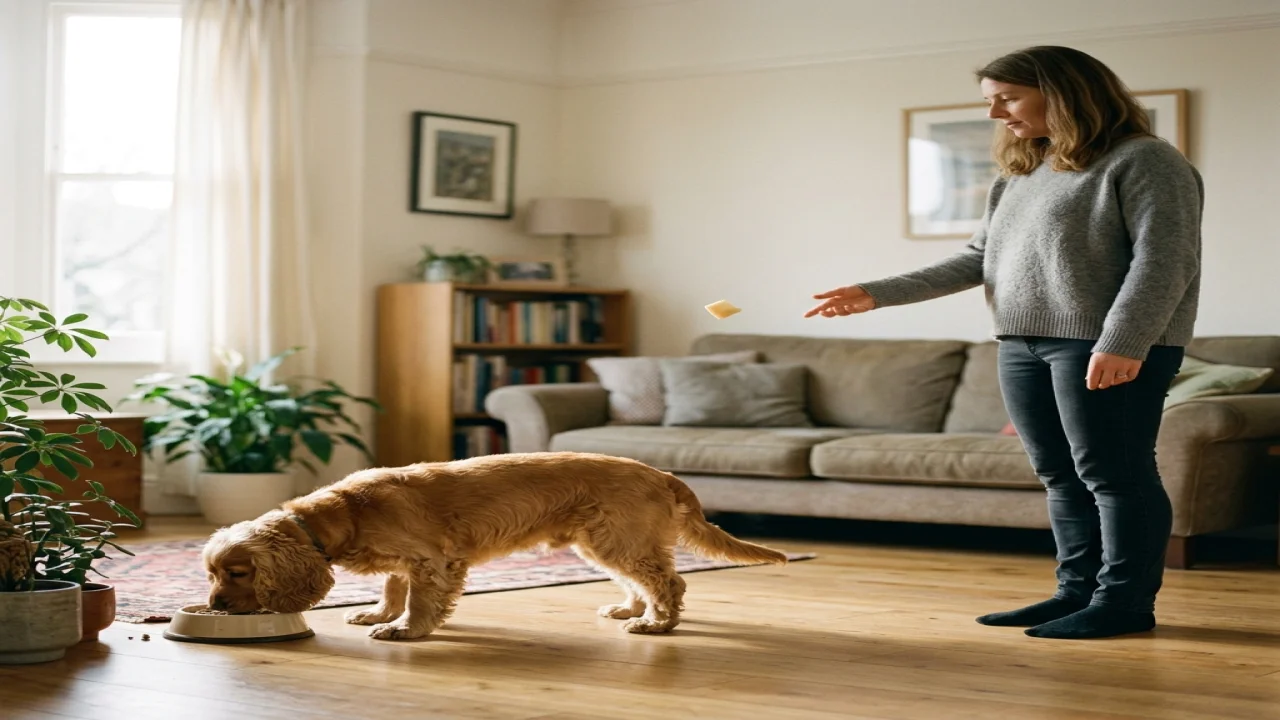
Additionally, separation-related distress can affect the dog's health and nutrition. An anxious dog will often refuse to eat high-value treats or food puzzles when left alone, as their sympathetic nervous system shuts down digestion during a panic attack. Refusing food is a clear sign that the dog is over threshold and experiencing distress. Monitoring these parameters helps customize the departure training plan.
Furthermore, sudden changes in behavior or separation distress can be linked to physical discomfort or cognitive changes in older dogs. Joint pain from arthritis can make a senior dog feel vulnerable, increasing their reliance on their owner and triggering separation issues. A full veterinary evaluation is necessary to rule out medical causes; refer to dog health emergency warning signs for monitoring signs of pain.
- Physiological Signs: Excessive drooling (salivation), panting when the temperature is cool, dilated pupils, and trembling.
- Exit-Point Destruction: Tearing at door frames, scratching at the front door carpet, or chewing on window sills.
- Self-Injury: Damaged paws or broken teeth from attempting to break out of crates or rooms.
What Owners Can Do Safely
The most important safety rule is to suspend all departures that exceed your dog's threshold. If your dog panics every time you leave, their fear response is reinforced, making recovery much harder. Utilize daycare, dog sitters, or friends to ensure your dog is never left alone during the initial training phases. Additionally, never punish your dog for separation-related destruction. Dogs cannot connect your anger with an action they did hours ago; punishment will only increase their fear of your return. Refer to preventive care for dogs for health support.
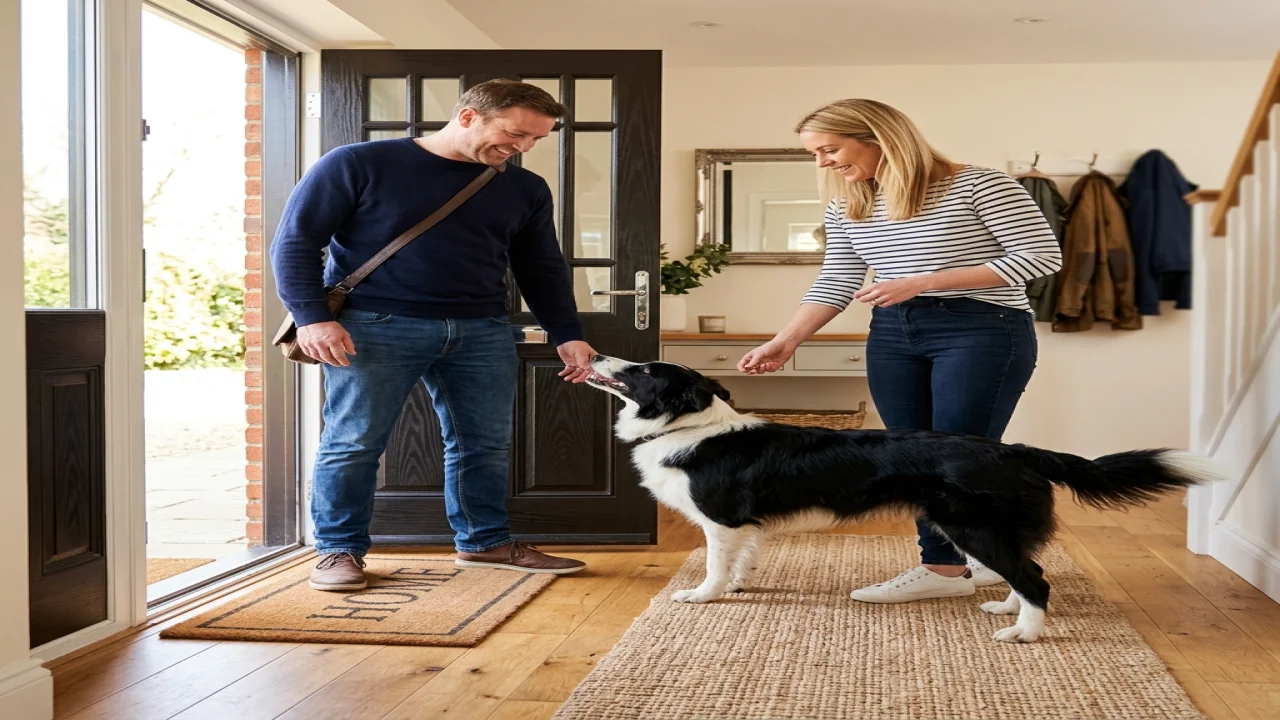
When you leave or return home, keep your greetings and departures calm and low-key. Emotional, high-energy greetings make the contrast between your presence and absence much larger, which can increase their anticipatory anxiety. Act as if leaving and arriving are completely normal, unexciting events.
First and foremost, suspend all forced departures that trigger your dog's panic. Every time your dog panics, the neural pathways of fear are reinforced, making rehabilitation harder. Utilize dog sitters, daycare, or friends to ensure your dog is never left alone past their threshold. Never punish your dog when you return home to find damage. Dogs cannot link your current anger with an action they performed hours or even minutes ago. Punishing them only teaches them that your return is dangerous, increasing their overall anxiety. For health-related checks, keep in mind preventive care for dogs.
Step-by-Step Reward-Based Management
Rehabilitating a dog with separation anxiety relies on systematic desensitization, teaching the dog that being alone is safe. Follow these steps:
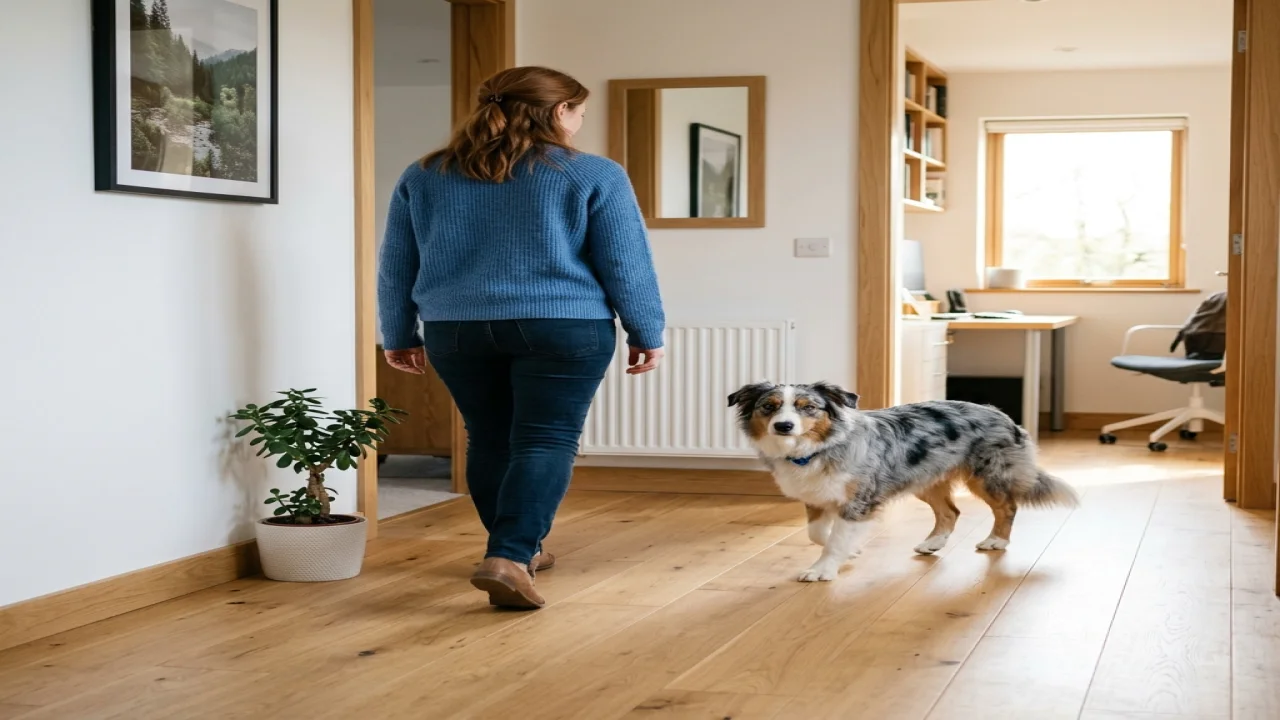
- Desensitize Departure Cues: To start training, you must break the association between your departure preparations and the dog's panic response. Make a list of all the actions you perform before leaving (e.g., picking up keys, putting on your coat, putting on work shoes, opening the garage door). Practice these actions several times a day without actually leaving the house. For example, pick up your keys, sit on the couch, and watch television. Put on your coat, feed your dog a treat, and take it off. Repeat this until your dog ignores these actions completely, showing no signs of alert or anxiety.
This step, known as desensitizing pre-departure cues (PDCs), is crucial. If your dog's adrenaline levels are already spiking before you walk out the door, they are far more likely to panic during your absence. Work on this daily until their baseline anxiety remains low.
- Practice Micro-Departures: Walk out the door, close it, and immediately step back inside before your dog has a chance to worry. Reward them for calm behavior.
- Build Up Duration Separately: Gradually increase the time you spend outside the door, starting with 2 seconds, then 5 seconds, then 10 seconds. Use your home camera to verify that your dog remains relaxed.
- Introduce Quiet Activities: Provide a stuffed KONG or enrichment toy on their mat before practicing. This helps build positive associations with you being briefly out of sight.
- Work Under the Threshold: If your dog shows any signs of distress (like standing up, pacing, or whining), return immediately. This indicates you have pushed too far; reduce the time on your next trial.
Common Mistakes to Avoid
A dangerous mistake is attempting to let the dog "cry it out" when they panic. Leaving a dog to scratch at doors and howl for hours is inhumane and can cause severe physical injuries, such as broken teeth, torn nails, or heatstroke. It also leads to learned helplessness, worsening the underlying psychological trauma. Always keep departures short enough that your dog remains completely relaxed.
Using aversive training tools, like shock collars or shouting at the dog through a home camera, is highly counterproductive. These methods only suppress the vocalization while increasing the dog's internal terror, which can eventually lead to defensive aggression. Focus entirely on positive reinforcement and gradual desensitization.
Forcing the Dog to "Cry It Out": Leaving a panicking dog alone to bark and scratch until they stop is inhumane and dangerous. It can lead to extreme distress, physical injury, and learned helplessness, which worsens the psychological damage.
Using Crate Confinement Indiscriminately: Locking an anxious dog in a crate can cause severe barrier panic. The dog may injure their mouth or paws trying to escape, or experience heatstroke from hyperventilating.
Using Aversive Training Methods: Using shock collars or yelling at the dog to suppress howling or barking only adds to their terror. It does not treat the panic and will damage the dog's trust in you.
When a Veterinarian Should Be Consulted
Separation anxiety is a serious clinical condition that often requires medical support. If your dog's panic is severe, consult your veterinarian. They can perform blood tests to rule out underlying pain or thyroid issues and discuss the use of daily anxiety medications (like SSRIs). These medications help lower your dog's baseline anxiety, allowing them to learn and progress during desensitization training. Refer to dog health emergency warning signs to monitor pain.
Separation anxiety in dogs is a severe panic disorder, and like human anxiety disorders, it often requires a combination of behavioral training and medical support. If your dog's anxiety is severe, consult your veterinarian. They can perform blood tests to rule out thyroid issues or systemic pain, and discuss the use of daily anxiety medications (like SSRIs) or situational medications. These medications help lower your dog's arousal and panic levels so they can learn during training sessions.
When a Qualified Behavior Professional Is Needed
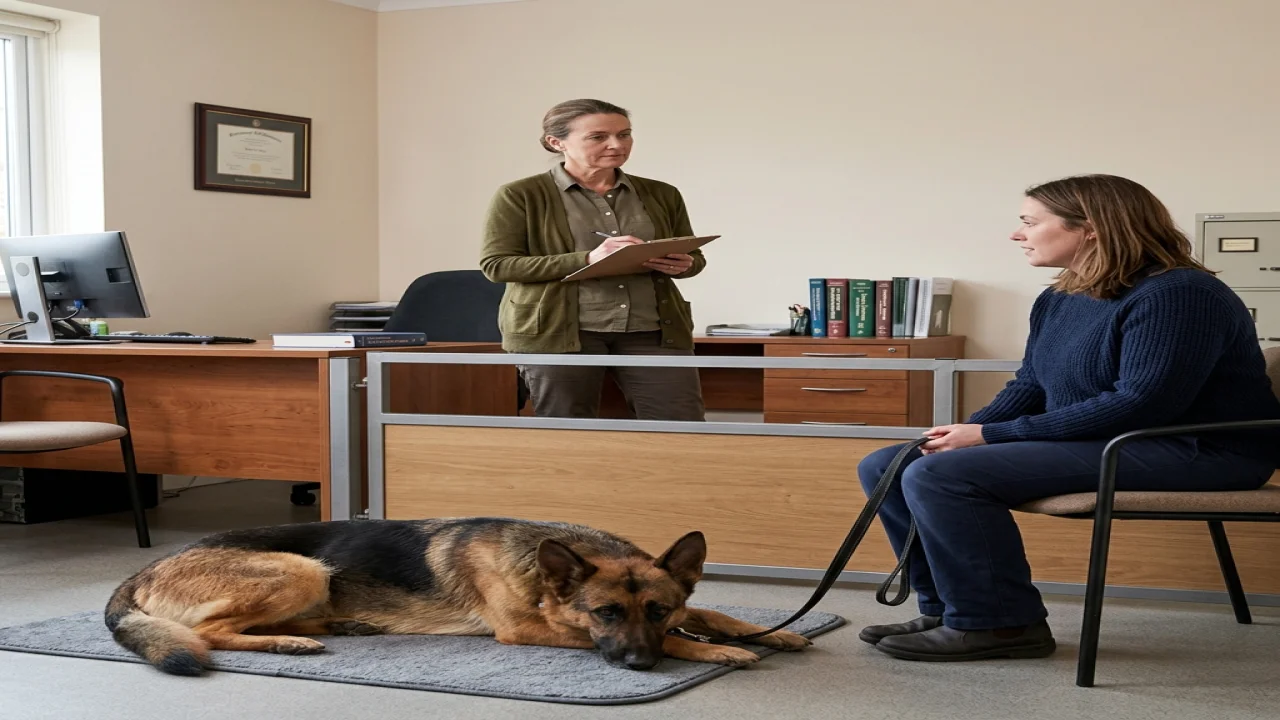
Because separation anxiety is highly complex and poses safety risks to both the dog and your home, seeking professional help is highly recommended. Contact a certified veterinary behaviorist (DACVB) or a certified separation anxiety professional (such as a CSAT or IAABC consultant). They will provide a structured behavior modification plan and monitor your dog's progress safely, without using punishment or intimidation.
This article provides general educational information and is not a substitute for individualized advice from a veterinarian or qualified behavior professional. Seek professional help if the behavior is sudden, severe, dangerous, or causing significant distress.
Sources and Further Reading
- American Veterinary Society of Animal Behavior (AVSAB)
- International Association of Animal Behavior Consultants (IAABC)
- ASPCA: Separation Anxiety in Dogs
- RSPCA: Helping Anxious Dogs
Conclusion
Helping a dog overcome separation anxiety is a journey of patience, empathy, and consistency. By recognizing the difference between boredom and panic, managing your departures, and implementing systematic desensitization under threshold, you can help your dog feel safe and secure, restoring peace and harmony to your home.
Frequently Asked Questions about Separation Anxiety
What's Your Reaction?
 Like
0
Like
0
 Dislike
0
Dislike
0
 Love
0
Love
0
 Funny
0
Funny
0
 Wow
0
Wow
0
 Sad
0
Sad
0
 Angry
0
Angry
0



Comments (0)