
Why Do Dogs Dig? Understanding and Managing the Behavior
Is your dog turning your beautiful garden into a minefield of holes? Discover the scientific reasons behind why do dogs dig and learn how to manage it humanely.


Why Do Dogs Dig? Understanding and Managing the Behavior
For gardeners and homeowners who take pride in a beautiful lawn, a dog that loves to dig can be a major source of frustration. Seeing a freshly planted flowerbed uprooted or a lawn covered in deep holes often leads to the question, "why do dogs dig?" To resolve this behavior humanely, we must first understand that digging is a deeply ingrained, natural canine instinct. It is not an act of spite or a deliberate attempt to destroy your property; rather, it is a functional behavior that serves a variety of biological and emotional purposes.
Because digging is a natural behavior, attempting to suppress it completely through punishment is rarely successful and can lead to anxiety, frustration, and secondary behavioral issues. Instead of punishing the dog, the most effective approach is to identify their specific motivation, manage their access to vulnerable areas, and redirect their natural instinct toward an approved outlet, such as a designated digging sandbox. This comprehensive guide will help you understand your dog's digging behavior and manage it safely using reward-based methods.
Key Takeaways
- Digging is Instinctive: Digging is a natural behavior linked to nesting, hunting, temperature regulation, and play.
- Identify the Cause: Dogs dig for different reasons—cooling off, searching for moles, escape, or simple boredom. Address the root cause first.
- Create a "Legal" Spot: Build a designated sandbox or digging pit, burying toys to encourage your dog to use it instead of the garden.
- Manage and Protect: Use physical barriers like chicken wire, rocks, or fencing to protect flowerbeds and fence lines.
- Increase Enrichment: Bored dogs often dig to pass the time. Increase daily physical exercise and mental puzzles to reduce this default behavior.
Why Do Dogs Dig? Analyzing the Motivations
Canine behaviorists classify digging based on the primary motivation of the dog. Identifying why your dog digs is crucial for selecting the right solution. The main categories include:
1. Boredom and Self-Entertainment
Boredom is a primary driver of digging behavior in dogs left unattended in yards. Dogs are active animals that require mental engagement. When left alone for hours with no toys, puzzle feeders, or physical outlets, they will find their own ways to pass the time. Digging is an excellent self-soothing activity because it burns physical energy, releases endorphins, and provides instant sensory feedback (cool soil, interesting smells, loose dirt). To address this, increase daily physical exercise and training sessions to tire them out before leaving them alone; read how to train a dog.
Another common motivation is hunting. Many dog breeds, especially terriers and dachshunds, were selectively bred for generations to dig into burrows to catch underground prey. If your dog is digging near tree roots, along paved paths, or in specific lines across the yard, they are likely tracking moles, gophers, mice, or grubs. The dog's acute sense of hearing and smell allows them to detect underground movements, and they will dig frantically to catch the prey. Eradicating lawn pests or blocking access to affected areas is necessary to resolve hunting-based digging.
Additionally, dogs dig in the dirt during hot weather to regulate their body temperature. By scraping away the hot topsoil, they uncover the cool layers of dirt beneath and lie inside the hole to cool their bellies. If your dog digs exclusively on hot days, provide alternative cooling options like shaded decks, cooling mats, a child's wading pool, or access to an air-conditioned room. Refer to preventive care for dogs for heatstroke prevention tips.
Finally, digging along the fence line indicates an escape attempt. This can be driven by isolation distress, fear of noises, or the desire to roam. Securing the fence line with buried wire or heavy stones is crucial for safety while you work on resolving the underlying anxiety. For teaching a solid recall and focus outdoors, refer to teach dog leave it drop it.
Dogs left alone in a yard for hours without toys, companionship, or mental stimulation often dig to pass the time. Digging is physically satisfying, burns energy, and provides instant sensory feedback (cool dirt, interesting smells). For bored dogs, the act of digging is its own reward. Improving training and exercise routines is helpful; refer to our guide on how to train a dog.
2. Hunting for Prey
Terriers and dachshunds were selectively bred for generations to dig into burrows to flush out prey. If your dog is digging at the roots of trees, along pathways, or in specific lines across the yard, they are likely hunting for burrowing animals like moles, gophers, mice, or grubs. The dog's keen sense of smell and hearing allows them to detect these animals moving underground.
3. Temperature Regulation (Nesting)
During hot summer days, the top layer of soil becomes hot, but the layers underneath remain cool. Dogs will dig holes and lie inside them to cool their bellies and regulate their body temperature. Similarly, in cold weather, dogs may dig shallow holes to create a nest that protects them from cold winds. Check out preventive care for dogs for keeping your dog safe from extreme temperatures.
4. Escape Attempts
If your dog is digging exclusively along the fence line, particularly under the bottom of the fence, they are attempting to escape. This is often driven by separation anxiety, fear of loud noises (like thunder or fireworks), or the desire to reach an attractive stimulus on the other side, such as another dog or a female in heat.
Common Triggers and Contributing Factors
Dogs are motivated to dig by a variety of distinct environmental triggers. The most common is the presence of underground pests, such as moles, gophers, or grubs, moving beneath the lawn. A dog's acute hearing and keen sense of smell can easily detect these movements, driving their natural instinct to track down and dig up underground prey. This is particularly prevalent in hunting and terrier breeds.
Another frequent contributing factor is extreme weather. During hot summer days, dogs dig holes to escape the heat and expose the cooler layers of soil beneath. By lying in these freshly dug hollows, they can effectively regulate their body temperature. Providing shade, fresh water, or an indoor cooling area is the best way to address temperature-related digging. Similarly, dogs may dig shallow nests in cold weather to seek shelter from strong winds.
Freshly disturbed soil, such as a newly tilled garden bed or a pile of loose dirt, also acts as an immediate invitation to dig. The soft texture makes it physically easy and satisfying for a dog to move, reinforcing the behavior. Lastly, digging along fence lines often indicates isolation distress or a desire to roam and explore. Understanding these underlying triggers allows owners to apply targeted, reward-based management strategies.
Environmental factors that encourage or trigger digging include:
- Presence of Underground Pests: An infestation of moles or grubs in your lawn will attract natural hunters.
- Lack of Shade and Water: If the yard lacks a cool, shaded area during hot weather, your dog will dig to find cool soil.
- Freshly Disturbed Soil: Digging in freshly tilled garden beds is highly rewarding because the soil is loose and easy to move.
- Unsupervised Yard Access: Leaving the dog outside for long periods without supervision allows the digging habit to develop.
Dog Body-Language Signals to Observe
Watch your dog while they dig. A dog digging out of play or boredom will look loose and happy, often displaying a wagging tail and running between holes. A hunting dog will have a tense, focused posture, with ears forward, sniffing the ground intensely, and occasionally tilting their head to listen to underground sounds. An escaping dog will look anxious, pacing back and forth along the fence line and looking through cracks. If your dog is trying to escape, refer to teach dog leave it drop it to work on recall and focus.
What Owners Can Do Safely
To safely manage digging behavior, owners must provide appropriate digging outlets instead of just punishing the dog. Creating a designated digging zone, such as a sandbox filled with play sand, is a highly effective solution. Bury high-value treats or toys in the sandbox to encourage your dog to dig there. If they attempt to dig in your garden, calmly redirect them to their sandbox and reward them. To practice building focus and basic commands, refer to how to teach a dog to sit.
Avoid using physical punishment or shouting at your dog when you catch them digging. This will only teach them to dig when you are not around, and can increase their anxiety. Focus entirely on positive redirection and securing your garden boundaries to keep your dog safe.
The key to resolving digging issues safely is to prevent access to forbidden areas while providing an approved outlet. Follow these guidelines:
- Protect the Garden: Use decorative fencing, baby gates, or raised beds to block access to sensitive plants. Lay chicken wire flat under the soil surface in flowerbeds to discourage digging.
- Secure the Fence Line: Bury chicken wire at the base of your fence, facing inward in an "L" shape, or place heavy rocks along the fence line to block escape routes.
- Provide Shade and Comfort: Ensure your dog has access to a shaded deck, a dog house, and a continuous supply of fresh, cool water when outside.
- Avoid Punishment: Never scold, hit, or punish your dog for digging. They cannot connect the punishment with the hole they dug earlier, and it will only make them anxious.
Step-by-Step Sandbox Training Plan
Instead of trying to stop your dog from digging, teach them where digging is allowed. Follow these steps to train them to use a sandbox:
- Step 1: Set Up the Sandbox: The first step is to build or buy a designated digging area for your dog. A child's plastic sandbox or a wooden frame filled with play sand or clean dirt works perfectly. Place the sandbox in a shaded area of your yard where your dog naturally likes to spend time. Sand is ideal because it is loose, easy to dig, and does not stick to your dog's fur like muddy dirt, making cleanup easy.
Ensure the sandbox is large enough for your dog to turn around and lie down comfortably. Moisten the sand slightly to make it easy to shape and dig, which increases its appeal to your dog.
- Step 2: Hide Valuables: Let your dog watch you bury their favorite toys, chew bones, or treats just beneath the surface of the sand.
- Step 3: Encourage Digging: Point to the sandbox and encourage them with a happy voice: "Find it!" or "Dig!"
- Step 4: Reward Success: When your dog starts scratching the sand and uncovers a toy, praise them enthusiastically and reward them with treats.
- Step 5: Redirect Mistakes: If they try to dig in the garden, call them away calmly, lead them to the sandbox, and encourage them to dig there instead. Bury new treats daily to keep it rewarding.
Common Mistakes to Avoid
Leaving the Dog Alone in the Yard: A dog left alone in the yard for hours will dig out of sheer boredom. Supervise your dog and play with them when they are outdoors.
Yelling or Chasing: Screaming at your dog when they dig can make them think it is a game or increase their anxiety, prompting more nervous digging.Assuming it is Spite: Believing your dog digs to "get back at you" for leaving them alone. Dogs act to satisfy immediate needs (cooling off, finding pests, curing boredom), not spite.
When a Veterinarian Should Be Consulted
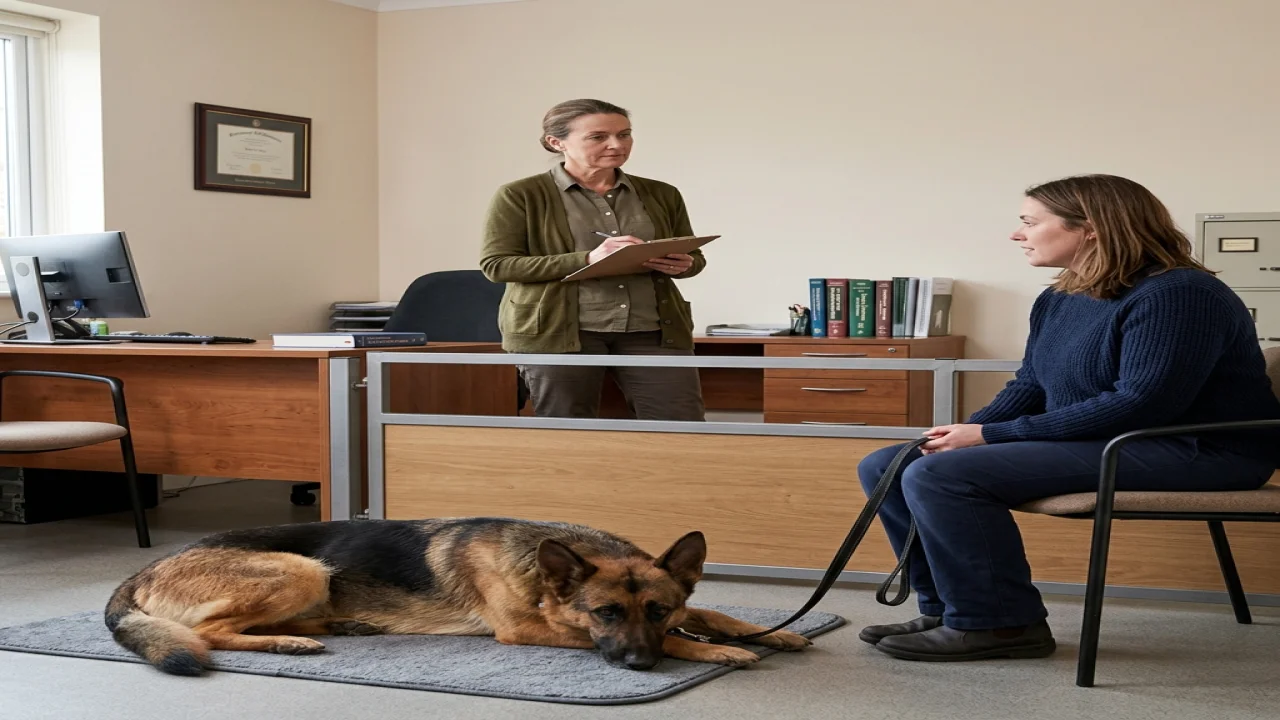
If your dog's digging behavior starts suddenly, or if they attempt to dig indoors on hardwood floors, carpets, or walls, consult your veterinarian. Sudden indoor digging, often called nesting, can be triggered by anxiety, pain, or phantom pregnancies. It can also indicate cognitive decline in senior dogs. A veterinary checkup can help rule out these health issues and provide a plan for support. Refer to dog health emergency warning signs for monitoring pain symptoms.
If your dog is digging at hard surfaces like tile, concrete, or drywall, or if they dig obsessively until their paws bleed, consult your veterinarian. Obsessive digging can be a sign of Canine Cognitive Dysfunction in older dogs, or an obsessive-compulsive disorder triggered by severe chronic stress and anxiety. Your vet can perform physical exams to ensure their paws are healthy and recommend appropriate behavioral treatment.
When a Qualified Behavior Professional Is Needed
If your dog's digging is driven by severe separation anxiety, phobias of outdoor noises, or persistent escape attempts that put their safety at risk, seek help from a certified behavior consultant. They will help you address the underlying fear or anxiety safely, without using punishment or aversive tools that could worsen their distress.
This article provides general educational information and is not a substitute for individualized advice from a veterinarian or qualified behavior professional. Seek professional help if the behavior is sudden, severe, dangerous, or causing significant distress.
Sources and Further Reading
- American Veterinary Society of Animal Behavior (AVSAB)
- International Association of Animal Behavior Consultants (IAABC)
- ASPCA: Understanding and Preventing Digging
- RSPCA: Dog Behavior Advice
Conclusion
Managing digging is not about fighting your dog's natural instincts, but redirecting them in a way that respects their biology. By providing an approved digging area, securing your fence line, and increasing mental and physical stimulation, you can maintain a beautiful yard while allowing your dog to express their natural canine behaviors safely.
Frequently Asked Questions about Dog Digging
What's Your Reaction?
 Like
0
Like
0
 Dislike
0
Dislike
0
 Love
0
Love
0
 Funny
0
Funny
0
 Wow
0
Wow
0
 Sad
0
Sad
0
 Angry
0
Angry
0








Comments (0)