
How to Choose a Dog Bed for Comfort, Size and Sleep Style
A comprehensive guide on choosing the best dog bed based on sleeping habits, orthopedic needs, size, materials, and cleaning features.


How to Choose a Dog Bed for Comfort, Size and Sleep Style
Dogs spend a massive portion of their lives sleeping. On average, adult dogs sleep between 12 and 14 hours a day, while puppies and senior dogs can sleep up to 18 hours or more. Because sleep is so critical for a dog's mental recovery, physical healing, and immune system health, providing a dedicated, supportive sleeping surface is one of the most important things you can do for their well-being. A cold, hard floor or an ill-fitting bed can aggravate joint stiffness, cause pressure sores, and disrupt sleep cycles.
However, walking into a pet store can be overwhelming. There are hundreds of dog beds available, ranging from cheap fiber-filled cushions to expensive high-tech orthopedic mattresses. The truth is, the best bed for your neighbor's Labrador might be a terrible choice for your Chihuahua. To choose the perfect dog bed, you must evaluate your dog's size, sleep positions, age, health condition, and chewing habits. In this guide, we will break down the science of canine sleep and show you how to select a bed that guarantees a restful sleep. For health tips, see preventive care for dogs.
The Physiology of Canine Sleep and Joint Health
When dogs sleep, their bodies go through vital restorative processes. During deep sleep and REM cycles, their muscles relax, tissue repair occurs, and the brain processes the day's learning. However, if a dog's spine is misaligned or if their weight is not supported evenly, they will toss and turn, preventing them from entering deep sleep. This is particularly problematic for dogs suffering from arthritis or joint pain. Support is key for aging dogs; read senior dog nutrition for diet tips that aid joint mobility.
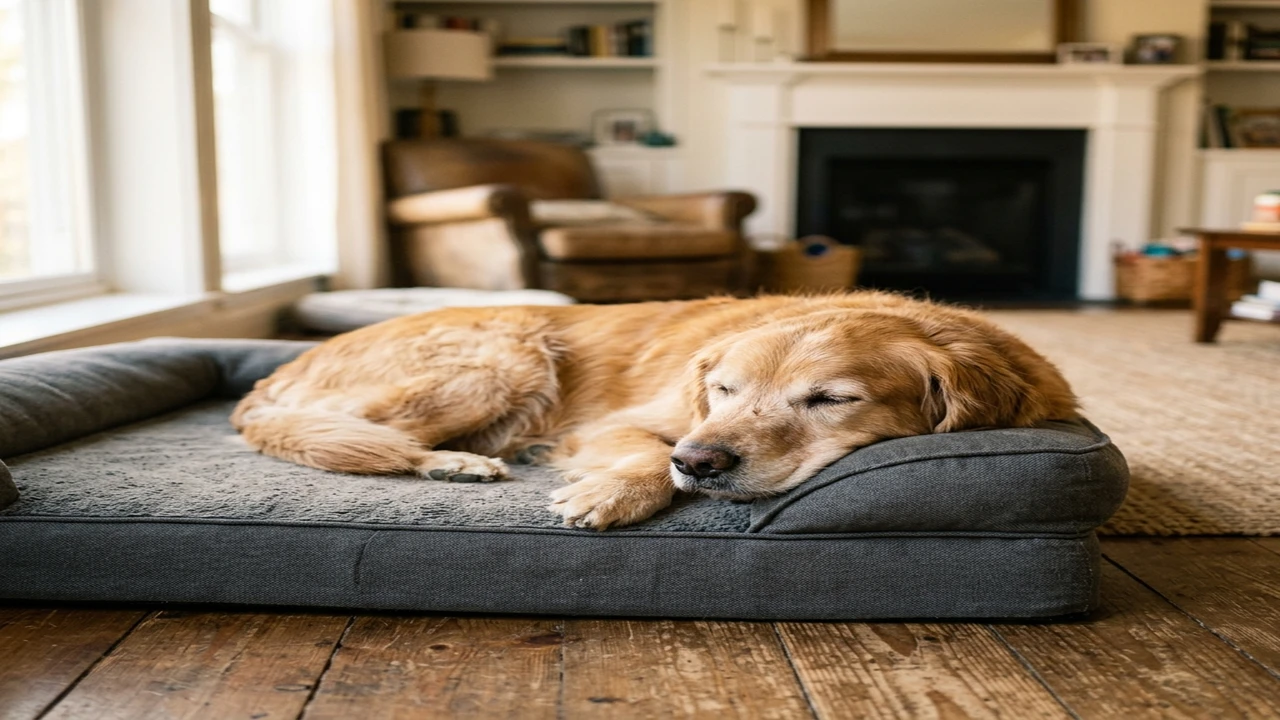
Veterinary orthopedists emphasize that joint support is crucial for both small and large dogs. Large breeds like Great Danes and Golden Retrievers are prone to hip dysplasia and elbow arthritis, where their heavy joints press directly through cheap cushioning onto the hard floor. This creates friction and pressure sores (hygromas) on their elbows and hocks. Small dogs are also sensitive to drafts and cold floors, which can worsen joint stiffness. A high-density foam bed insulates the dog's body from temperature extremes and cradles their joints, reducing morning stiffness.
Match the Bed to Your Dog's Sleep Position
Every dog has a favorite sleep position. Observing how your dog rests when they are relaxed is the best indicator of what shape of bed they will prefer.
1. The Curler (Donut or Bolster Beds)
Many dogs curl up into a tight ball, with their nose touching their tail. This position conserves body heat and protects their vital organs—a survival instinct inherited from wild ancestors. If your dog curls up, they will love a donut bed or a bolster bed. These beds have raised, padded walls that hug the dog's body, providing a sense of security and warmth. The raised edges also act as a built-in pillow to support their neck.
2. The Sprawler (Rectangular Orthopedic Pads)
Some dogs prefer to sleep stretched out completely on their side, with their front and back legs fully extended. These dogs need a flat, rectangular orthopedic bed with no bolsters or raised edges that could restrict their legs. If the bed is too small, their legs will hang off onto the floor, leading to uneven pressure distribution and joint pain. Large breeds are frequently sprawlers.
3. The Belly Sleeper (Elevated Cots or Flat Mats)
Dogs that sleep flat on their bellies (often in a "superman" pose with arms extended) are usually trying to cool down. They prefer flat mats or elevated cot beds. Elevated beds are made of a tight mesh fabric suspended over a metal frame, allowing air to circulate beneath the dog's body. These are popular for double-coated breeds like Huskies or Samoyeds during hot weather.
4. The Leaner (Bolster or Cave Beds)
If your dog loves to sleep against a wall, a sofa cushion, or under a blanket, they are "leaners" or "burrowers." Leaners need a heavy, sturdy bolster bed that will not slide away when they press their weight against the back. Burrowers (like Dachshunds and Terriers) thrive in cave beds, which feature an attached fabric hood that forms a cozy pocket they can crawl inside.
| Sleep Style | Description | Best Bed Shape | Ideal Material |
|---|---|---|---|
| The Curler | Tucked in a tight circle, conserving heat | Donut / Round Bolster | Plush, fleece, shredded foam |
| The Sprawler | Stretched out flat on side or back | Rectangular Flat Pad | Solid memory foam |
| The Belly Sleeper | Flat on chest, limbs extended | Elevated Cot / Thin Mat | Mesh, cooling fabric |
| The Burrower | Likes to dig and sleep under covers | Cave Bed / Hooded Bed | Soft microfiber, faux fur |
Selecting the Right Materials: Memory Foam vs. Fiber Fill
The interior support material determines how long the bed will last and how well it supports your dog's body:
- Solid Memory Foam (Orthopedic): This is the gold standard for joint health. It contours to the dog's shape, absorbing pressure and preventing joint contact with the floor. Look for medical-grade polyurethane memory foam. Avoid cheap shredded memory foam, which shifts and clumps, leaving empty spots.
- Polyester Fiber Fill: Common in inexpensive beds. It provides a soft, cloud-like feel that young, healthy dogs enjoy. However, fiber fill loses its loft quickly and compresses flat over time. It offers no orthopedic support for heavy or arthritic dogs.
- Chew-Resistant Covers: If you have a puppy or a dog that digs before settling down, standard cotton or plush covers will quickly be destroyed. Look for heavy-duty ballistic nylon, Cordura, or canvas covers with double-stitched seams and hidden zippers to prevent chewing. For training tips, read why dogs chew everything.
Sizing Guide and Measurements
Never guess the size. An incorrect size can result in your dog refusing to use the bed entirely. To get the perfect size:
- Measure your dog from the tip of their nose to the base of their tail while they are standing.
- Measure from their shoulder to the floor to estimate height.
- Add 6 to 12 inches to the length measurement. This is the minimum length or diameter the bed should have.
Ensure the bed's weight capacity exceeds your dog's current weight. High-density foam is rated for different weight thresholds; a bed designed for a Chihuahua will compress completely flat under a Great Dane.
Health Cautions and Cleaning Hygiene
Dog beds can become breeding grounds for bacteria, mold, dust mites, and fleas. To maintain hygiene, select a bed with a fully removable, machine-washable outer cover. The cover should be washed in hot water every 1 to 2 weeks. If your dog is prone to accidents or has senior incontinence, ensure the memory foam core is protected by a 100% waterproof inner liner. Memory foam itself cannot be washed; if it absorbs urine or moisture, it will develop deep mold and must be discarded. Refer to dog health emergency warning signs to learn about senior dog health indicators.
Dog Bed Selection Checklist
- [ ] Measured dog from nose to tail base and added 6–12 inches
- [ ] Observed favorite sleeping position (curler, sprawler, belly sleeper)
- [ ] Checked that foam is solid memory foam, not shredded or poly-fill (for orthopedic needs)
- [ ] Verified the outer cover is fully removable and machine-washable
- [ ] Confirmed a waterproof inner liner is included to protect the foam core
- [ ] Checked for a non-slip bottom to prevent the bed from sliding on hardwood floors
- [ ] Ensured zipper is hidden or protected to prevent chewing
Sleep Disorders in Senior Dogs and Bed Support
Senior dogs frequently experience changes in their sleep patterns due to joint pain or Canine Cognitive Dysfunction (CCD), similar to dementia in humans. Dogs with CCD often pace at night, wander aimlessly, and struggle to settle down to sleep. A cold, unsupportive bed worsens this restlessness because the dog cannot find a comfortable position for their arthritic joints. Providing a high-quality orthopedic bed is a critical step in managing these symptoms. The memory foam cradles their body, reducing the tossing and turning driven by joint discomfort and helping them fall into a deep, restorative sleep. Insulating them from cold floors helps stabilize their body temperature, which is essential for comfort; see senior dog nutrition for dietary joint support.
Ensure the bed is placed in a quiet, dark area of your home, away from drafts and household noise. For senior dogs, placing a second orthopedic bed in your bedroom can reduce their night-time anxiety, helping them sleep through the night because they feel close to their family. If your senior dog exhibits sudden changes in sleep or mobility, consult your vet; read dog health emergency warning signs.
Material Safety: Non-Toxic Foam Certification
When shopping for a memory foam dog bed, check the quality and safety of the foam. Many cheap imports use foam manufactured with toxic chemical flame retardants, formaldehyde, and heavy metals. Since dogs sleep with their noses pressed directly against the bed, they inhale these chemicals for hours, which can cause skin allergies, respiratory issues, and long-term toxicity. Look for beds certified by independent testing organizations, such as CertiPUR-US or OEKO-TEX, which guarantee the foam is manufactured without ozone depleters, lead, mercury, formaldehyde, or phthalates, and has low chemical emissions.
Additionally, check the density of the memory foam. Low-density foam (which feels very soft and squishy) will compress flat under a large dog's weight, offering no support. Look for high-density foam (typically rated at 3 to 4 pounds per cubic foot) that maintains its shape and provides firm support. High-quality foam will rebound slowly when pressed, ensuring durable, long-term orthopedic support.
Behavioral Nesting and Scratching Habits
Many dogs exhibit a distinct routine before lying down: they circle several times and scratch or dig at their bed. This is an instinctual nesting behavior inherited from wild canines, who dug dirt to create a comfortable, temperature-regulated hollow and clear away debris like twigs or insects. While this behavior is entirely natural, it can quickly destroy standard dog beds. Cotton, fleece, or plush covers can tear, exposing the interior stuffing, which the dog may then chew or ingest. Ingesting bed stuffing or foam is a common cause of intestinal blockages, which require emergency surgery; see why dogs chew everything for advice on chewing behavior.
If your dog is an active scratcher or digger, avoid beds with delicate plush fabrics. Instead, choose beds covered in heavy-duty ballistic nylon, Cordura, or thick canvas. These materials feature tight weaves that resist claw damage. Additionally, look for beds with hidden or covered zippers, as exposed zipper tabs are a primary target for dogs that like to chew and deconstruct their bedding. Regularly inspect the cover for tears to ensure your dog's safety.
Thermal Regulation and Seasonal Bed Selection
Thermal comfort plays a massive role in how well your dog sleeps. Double-coated or thick-furred breeds (such as Golden Retrievers, German Shepherds, and Huskies) easily overheat and will often abandon plush, fiber-filled beds to sleep on cold tile or hardwood floors. While the floor cools them down, it offers no joint support, leading to stiffness. For these dogs, elevated mesh cots or cooling gel mats are ideal. Elevated cots lift the dog off the ground, allowing air to circulate beneath them, while cooling mats absorb and dissipate body heat. Combining these cooling options with orthopedic support ensures comfort during hot weather.
Conversely, short-coated, lean, or senior dogs (such as Greyhounds, Chihuahuas, and arthritic seniors) struggle to retain body heat and are highly sensitive to cold drafts. These dogs thrive in self-warming beds lined with reflective thermal materials or deep bolster beds that trap their body heat. Heated pet mats can also be used, provided they operate at a safe, low voltage and have steel-wrapped cords to prevent chewing. Maintaining thermal balance helps reduce muscle stiffness and joint pain; refer to preventive care for dogs for general health and home safety tips.
Sizing for Multi-Dog Households and Space Requirements
In homes with multiple dogs, sizing and bed placement require careful planning. While some bonded dogs enjoy sharing a bed and cuddling together, forcing dogs to share space can lead to resource guarding and tension. Ensure you have at least one high-quality bed per dog, plus one extra bed, placed in different quiet areas of the house. For dogs that like to share, select a large, rectangular orthopedic bed that can comfortably accommodate the combined weight and length of both dogs without bottoming out.
Evaluate the space requirements of each dog based on their sleeping habits. A large dog who sprawls requires a dedicated rectangular bed that is larger than their measurements, while a smaller dog who curls up can comfortably use a compact round bed. Placing beds away from high-traffic hallways ensures that dogs can rest without being disturbed, reducing anxiety and promoting deeper sleep cycles. If you notice signs of tension or guarding around beds, consult a trainer; read how to train a dog for positive management guidelines.
Standard Maintenance and Storage Tips
Maintaining hygiene and structural support is key to preserving your dog bed's quality. Vacuum the bed weekly to remove shed hair, dirt, and dander before they penetrate the fabric weave. Wash the removable outer cover in hot water every one to two weeks using pet-safe, unscented detergents, as dogs have a sensitive sense of smell and can develop skin allergies from harsh chemicals. If your bed has a waterproof inner liner, wipe it down with a pet-safe disinfectant cloth during washes to eliminate trapped bacteria and moisture.
Never wash the orthopedic memory foam core directly in a washing machine, as the agitation will shred the foam and water logging will cause deep mold to grow. If the foam core needs cleaning, spot clean it with a damp cloth and baking soda, then allow it to dry completely in a well-ventilated room. When storing spare beds or covers, keep them in breathable canvas bags in a dry closet to prevent mold growth and dust mite buildup. Proper care extends the life of the bed and supports joint health; see senior dog nutrition for holistic joint care.
Conclusion
A high-quality dog bed is an investment in your dog's long-term health and mobility. By matching the bed's shape and support level to your dog's specific sleeping habits, age, and size, you provide them with a safe haven to rest and recover. Take the time to measure your dog, check the foam quality, and prioritize easy-to-clean designs to ensure a healthy, hygienic environment for your pet.
Sources consulted: Tufts University Cummings School of Veterinary Medicine orthopedic care guidelines, ASPCA pet care safety sheets, and manufacturing specifications for veterinary orthopedic bedding. Verified on June 18, 2026.
Dog Bed Frequently Asked Questions
What's Your Reaction?
 Like
0
Like
0
 Dislike
0
Dislike
0
 Love
0
Love
0
 Funny
0
Funny
0
 Wow
0
Wow
0
 Sad
0
Sad
0
 Angry
0
Angry
0



Comments (0)