
Puppy Feeding Guide: How Much and How Often Should Puppies Eat?
A complete puppy feeding guide covering meal schedules, portions, safe foods, growth stages, water, treats, and common feeding mistakes.


Feeding your puppy the right food in the right amounts at the right times is one of the most important things you can do as a new dog owner. Proper nutrition during the first year of life sets the foundation for your puppy's growth, energy, immune system, coat health, and overall wellbeing. Yet feeding a puppy is not as straightforward as filling a bowl — there are schedules to follow, portions to measure, and foods to avoid.
This guide covers everything you need to know about feeding your puppy, from choosing the right food to creating a meal schedule that supports healthy development at every stage.
Quick Overview: Puppy Feeding at a Glance
- 8 to 12 weeks — Four meals per day, puppy-specific food
- 3 to 6 months — Three meals per day, consistent brand and formula
- 6 to 12 months — Two meals per day, adjust portions to growth
- 12+ months — Transition to adult food (timing depends on breed size)
- Fresh water — Always available during the day
- Treats — No more than ten percent of daily calories
Why Proper Puppy Nutrition Matters
Puppies grow at an astonishing rate during their first year. A puppy may double or even triple its birth weight within the first few weeks and reach close to adult size by twelve months. This rapid growth demands a diet rich in high-quality protein for muscle development, balanced fats for energy and brain development, calcium and phosphorus for strong bones and teeth, DHA for cognitive and visual development, and a carefully calibrated calorie count that supports growth without promoting obesity.
Feeding too much can lead to excessive weight gain and skeletal problems, especially in large breed puppies. Feeding too little can result in stunted growth, nutritional deficiencies, and a weakened immune system. Finding the right balance requires attention, consistency, and regular check-ins with your veterinarian.
Choosing the Right Puppy Food
Read the Label Carefully
Look for food that meets the nutritional standards established by AAFCO — the Association of American Feed Control Officials. The label should state that the food is formulated for growth or for all life stages. A named animal protein like chicken, beef, or salmon should be the first ingredient, not a generic term like meat meal or animal by-products.
Match the Food to Your Puppy's Size
Puppy foods come in formulas designed for small, medium, and large breeds. This is not just marketing — the nutrient profiles are genuinely different. Large breed puppy foods contain controlled levels of calcium and phosphorus to prevent the rapid bone growth that can lead to joint problems like hip dysplasia. Small breed formulas have smaller kibble sizes and higher calorie density because small puppies have fast metabolisms and tiny stomachs.
Wet Food, Dry Food, or Both
Dry kibble is convenient, affordable, and helps with dental health. Wet food is more palatable and provides additional hydration. Many owners choose to mix a small amount of wet food with dry kibble, which combines the benefits of both. Whatever you choose, stick with one brand and formula to avoid digestive upset, and transition gradually if you need to change foods.
Step-by-Step Feeding Schedule
Eight to Twelve Weeks
At this age, your puppy's stomach is tiny and their metabolism is high. Divide their daily food portion into four equal meals spaced evenly throughout the day. A typical schedule might be breakfast at seven in the morning, lunch at noon, afternoon meal at four, and dinner at eight in the evening. The food should be softened slightly with warm water for very young puppies or those recently weaned.
Three to Six Months
As your puppy grows, their stomach capacity increases and they can handle slightly larger meals. Reduce from four meals to three per day. Increase the portion size at each meal so the total daily amount remains appropriate for their weight and growth rate. This is also a good time to stop softening the kibble if you have been doing so.
Six to Twelve Months
Most puppies can move to two meals per day at this stage. This is the schedule most adult dogs follow for the rest of their lives. Divide the daily portion into morning and evening meals. Continue to weigh your puppy regularly and adjust portions as needed — growth rates slow down during this period but have not stopped entirely.
Twelve Months and Beyond
Most small and medium breed puppies are ready to transition to adult food around their first birthday. Large breed puppies should continue on puppy food until eighteen to twenty-four months. When you switch, do it gradually over seven to ten days by mixing increasing amounts of the new food with decreasing amounts of the old food. This prevents digestive upset.
How to Determine the Right Portion Size
Start with the feeding guidelines printed on your puppy food packaging — these are based on your puppy's expected adult weight and current age. These are guidelines, not rules. Every puppy is different, and factors like breed, activity level, metabolism, and health status all influence how much food they need.
Use the body condition score method to evaluate whether you are feeding the right amount. When you look at your puppy from above, you should see a visible waist behind the ribs. When you run your hands along their sides, you should feel the ribs easily without pressing hard, but the ribs should not be visually prominent. If your puppy's ribs are showing, increase the portion. If you cannot feel the ribs at all, reduce the portion and increase exercise.
Weigh your puppy every two weeks during the rapid growth phase and adjust portions accordingly. Your veterinarian can provide a growth chart specific to your puppy's breed to help you track progress.
Foods to Avoid
Several common foods are toxic or dangerous for puppies. Keep these away from your puppy at all times:
- Chocolate — contains theobromine, which is toxic to dogs in all forms
- Grapes and raisins — can cause sudden kidney failure even in small amounts
- Onions and garlic — damage red blood cells and can cause anemia
- Xylitol — an artificial sweetener found in gum, candy, and baked goods that can cause rapid insulin release and liver failure
- Macadamia nuts — cause weakness, vomiting, and tremors
- Cooked bones — splinter easily and can cause internal injuries or choking
- Avocado — contains persin, which can cause vomiting and diarrhea
- Alcohol — even small amounts are extremely dangerous for puppies
When in doubt about whether a food is safe, do not feed it to your puppy. Consult your veterinarian if your puppy accidentally ingests any of these items.
Treats: How Much Is Too Much
Treats are an essential tool for training, but they should make up no more than ten percent of your puppy's daily calorie intake. Choose small, soft training treats that can be eaten quickly. Break larger treats into smaller pieces — your puppy cares about the frequency of rewards, not the size of each treat.
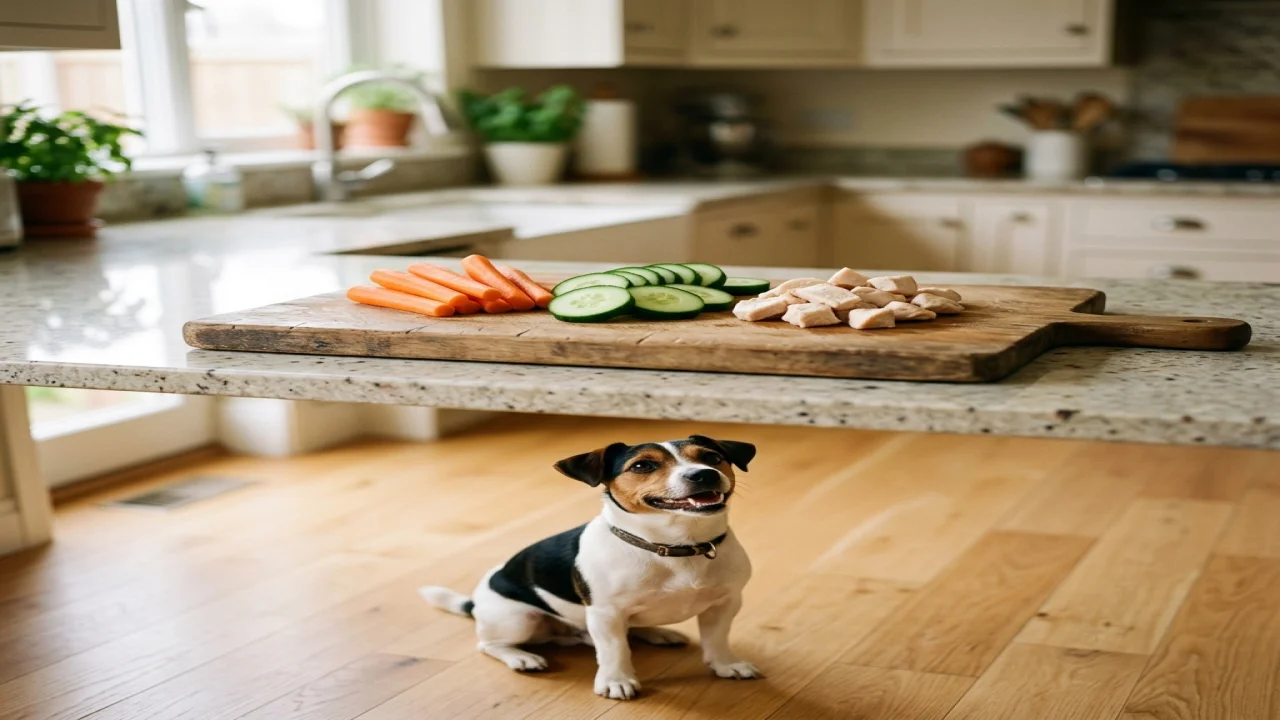
Safe treat options include small pieces of cooked chicken breast, commercial puppy training treats, baby carrots, small blueberries, and apple slices without seeds or core. Avoid treats that are high in fat, salt, or sugar, and never give your puppy rawhide chews unsupervised.
Keeping Your Puppy Hydrated
Fresh, clean water should be available to your puppy throughout the day. A general guideline is approximately one ounce of water per pound of body weight per day, though active puppies and those in warm climates may need more. Change the water at least twice daily and clean the bowl regularly to prevent bacteria buildup.
During potty training, some owners choose to limit water access a couple of hours before bedtime to reduce overnight accidents. This is acceptable as long as the puppy has access to plenty of water during the day. Never restrict water during meals or after exercise.
Common Feeding Mistakes to Avoid
Free-feeding. Leaving food available all day prevents you from monitoring how much your puppy eats, makes potty training harder, and can contribute to obesity. Stick to scheduled meals and remove uneaten food after fifteen to twenty minutes.
Switching foods abruptly. Changing your puppy's food suddenly can cause diarrhea, vomiting, and stomach upset. Always transition gradually over seven to ten days, mixing old and new food in increasing ratios.
Overfeeding treats. It is easy to overdo treats during training. Remember that treats have calories too, and excessive treats can unbalance your puppy's diet and contribute to weight gain.
Feeding table scraps. This creates begging behavior and can expose your puppy to foods that are unhealthy or toxic. If you want to share human food, offer only approved items in your puppy's bowl — never from the table.
Ignoring weight changes. Rapid weight gain or failure to gain weight are both signals that something needs adjustment. Regular weigh-ins and body condition checks help you catch problems early.
When to Call a Vet
Contact your veterinarian if your puppy exhibits any of the following feeding-related concerns:
- Refuses to eat for more than twenty-four hours
- Persistent vomiting or diarrhea after meals
- Rapid weight loss or failure to gain weight despite adequate feeding
- Excessive weight gain that does not respond to portion adjustments
- Swollen or painful abdomen after eating
- Signs of food allergies such as itching, ear infections, or skin irritation
- Eating non-food items like rocks, dirt, or fabric, which may indicate a condition called pica
Your veterinarian is your best resource for nutrition questions specific to your puppy's breed, size, and health status. Do not hesitate to ask for guidance — feeding is one of the most impactful aspects of puppy care, and getting it right makes a lasting difference.
Final Thoughts
Feeding your puppy well is not complicated, but it does require attention and consistency. Choose a high-quality puppy food appropriate for your dog's breed size, follow a regular meal schedule, measure portions carefully, and adjust as your puppy grows. Monitor their body condition, limit treats, and keep plenty of fresh water available.
The investment you make in your puppy's nutrition today pays dividends for years to come — in stronger bones, healthier organs, a shinier coat, better energy, and a longer, happier life. Your puppy depends on you to make the right choices at mealtime, and with the information in this guide, you have everything you need to feed them well from their first week home through their transition to adulthood.
Frequently Asked Questions
What's Your Reaction?
 Like
0
Like
0
 Dislike
0
Dislike
0
 Love
0
Love
0
 Funny
0
Funny
0
 Wow
0
Wow
0
 Sad
0
Sad
0
 Angry
0
Angry
0






Comments (0)