
Puppy Vaccine Schedule: What New Owners Should Know
Learn the basics of puppy vaccines, common timelines, why vaccines matter, vet visits, safety tips, and what owners should ask.

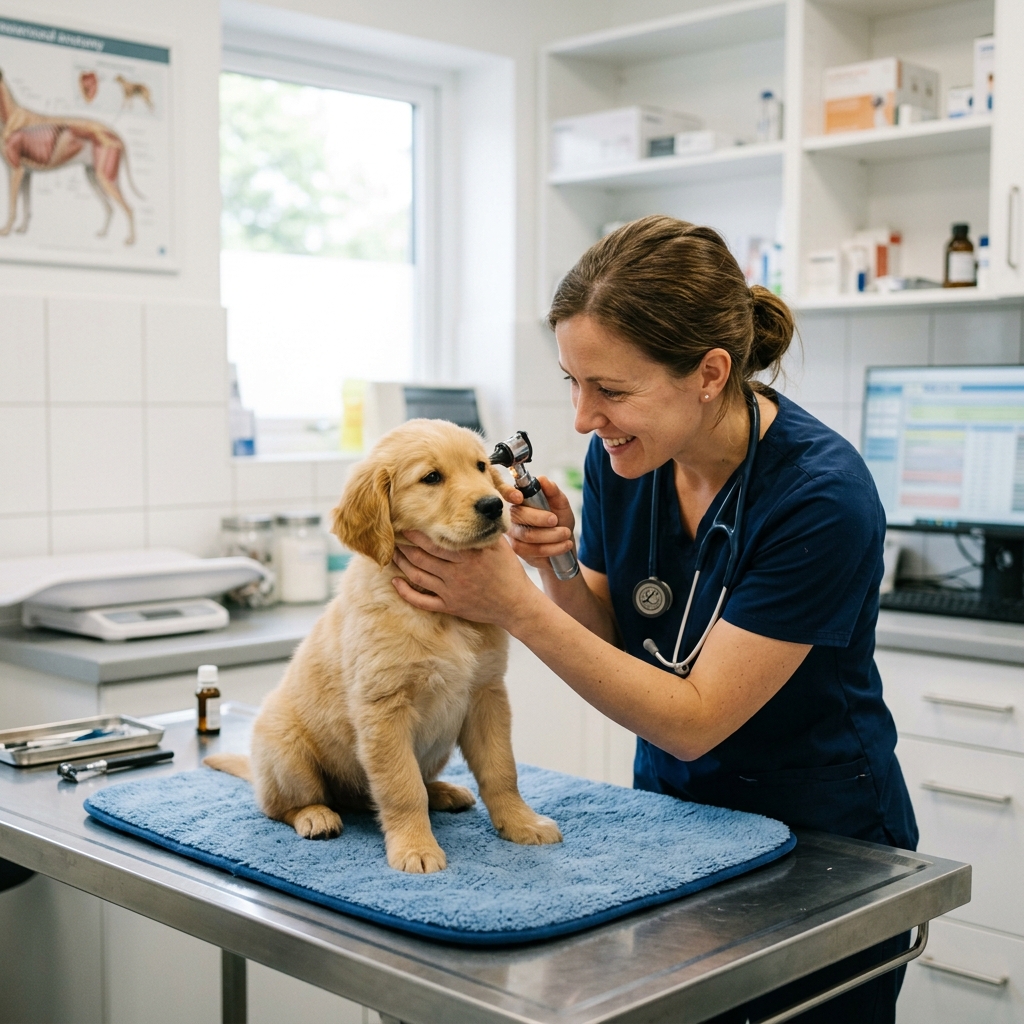
Vaccines are one of the most important investments you will make in your puppy's health. They protect against serious and often fatal diseases that can affect dogs of any age, and they are especially critical during puppyhood when your dog's immune system is still developing. Understanding the puppy vaccine schedule helps you plan vet visits, protect your puppy from preventable illness, and feel confident that you are doing everything right.
This guide explains what vaccines your puppy needs, when they need them, what to expect during vet visits, and how to keep your puppy safe before the vaccine series is complete. While this article provides educational information, always consult your veterinarian for personalized advice specific to your puppy.
Quick Overview: Puppy Vaccines at a Glance
- 6–8 weeks — First round of core vaccines (distemper, parvovirus)
- 10–12 weeks — Second round of core vaccines, possible non-core vaccines
- 14–16 weeks — Third round of core vaccines, rabies vaccine
- 12–16 months — One-year booster for core vaccines
- Ongoing — Regular boosters as recommended by your veterinarian
Why Puppy Vaccines Matter
Puppies are born with some natural immunity passed from their mother through antibodies in her milk. However, this maternal immunity fades gradually during the first few months of life, leaving the puppy vulnerable to infectious diseases. Vaccines work by stimulating the puppy's immune system to recognize and fight specific pathogens — so if the puppy encounters the real disease later, their body is prepared to defend itself.
Without vaccines, puppies are at risk of contracting diseases like canine parvovirus, which causes severe vomiting and diarrhea and has a mortality rate of up to ninety percent in untreated puppies. Canine distemper attacks the respiratory, gastrointestinal, and nervous systems and can be fatal. Rabies is not only deadly to dogs but also transmissible to humans. These are not theoretical risks — they are real dangers that veterinarians see regularly in unvaccinated animals.
Understanding Core and Non-Core Vaccines
Core Vaccines
Core vaccines are recommended for every puppy, regardless of breed, size, or lifestyle. They protect against the most dangerous and widespread canine diseases:
- Canine Distemper Virus (CDV) — A highly contagious disease that affects the respiratory, gastrointestinal, and nervous systems. It can cause fever, coughing, nasal discharge, seizures, and death.
- Canine Parvovirus (CPV) — An extremely contagious virus that attacks the intestinal lining, causing severe bloody diarrhea, vomiting, dehydration, and potentially death. Puppies are especially vulnerable.
- Canine Adenovirus (CAV-2) — Protects against infectious canine hepatitis, which affects the liver, kidneys, and eyes. This vaccine also provides some protection against respiratory infections.
- Rabies — A fatal disease that affects the nervous system and can be transmitted to humans. Rabies vaccination is required by law in most areas and is typically given between twelve and sixteen weeks of age.
Non-Core Vaccines
Non-core vaccines are recommended based on your puppy's specific risk factors, including geographic location, lifestyle, and exposure to other dogs:
- Bordetella bronchiseptica — Protects against kennel cough, a highly contagious respiratory infection. Recommended for puppies that will attend daycare, boarding, grooming, or training classes.
- Leptospirosis — A bacterial infection transmitted through contaminated water or soil. Recommended in areas where wildlife exposure is common.
- Canine Influenza — Protects against dog flu strains. Recommended for dogs in social environments like dog parks and boarding facilities.
- Lyme Disease — Transmitted by ticks, this disease can cause joint pain, fever, and kidney problems. Recommended in areas where ticks are prevalent.
Your veterinarian will assess your puppy's specific needs and recommend the appropriate combination of core and non-core vaccines.
Typical Puppy Vaccine Timeline
The following timeline represents a general schedule that many veterinarians follow. Your puppy's actual schedule may vary based on their health, breed, and risk factors. Always follow your veterinarian's specific recommendations.
First Visit: Six to Eight Weeks
At this first visit, your puppy will typically receive the initial combination vaccine — often called the DHPP or DA2PP — which covers distemper, adenovirus, parainfluenza, and parvovirus. The veterinarian will perform a thorough physical examination, check for parasites, begin deworming if needed, and discuss your puppy's nutrition and home care.
Second Visit: Ten to Twelve Weeks
Your puppy receives the second round of the combination vaccine to strengthen the immune response. Depending on risk factors, the veterinarian may also administer non-core vaccines like Bordetella or leptospirosis at this visit. A fecal exam to check for intestinal parasites is common at this stage.
Third Visit: Fourteen to Sixteen Weeks
This is the final round of the puppy vaccine series and includes the third combination vaccine plus the rabies vaccine. This visit is particularly important because the final booster ensures that maternal antibodies, which may have interfered with earlier vaccines, are no longer blocking the puppy's immune response. After this visit, your puppy is considered fully vaccinated for the initial series.
One-Year Booster: Twelve to Sixteen Months
Approximately one year after the last puppy vaccine, your dog receives booster shots for core vaccines. After this booster, many core vaccines are given every three years, while some non-core vaccines may be given annually. Your veterinarian will establish an ongoing schedule tailored to your dog.
What to Expect During Vaccine Visits
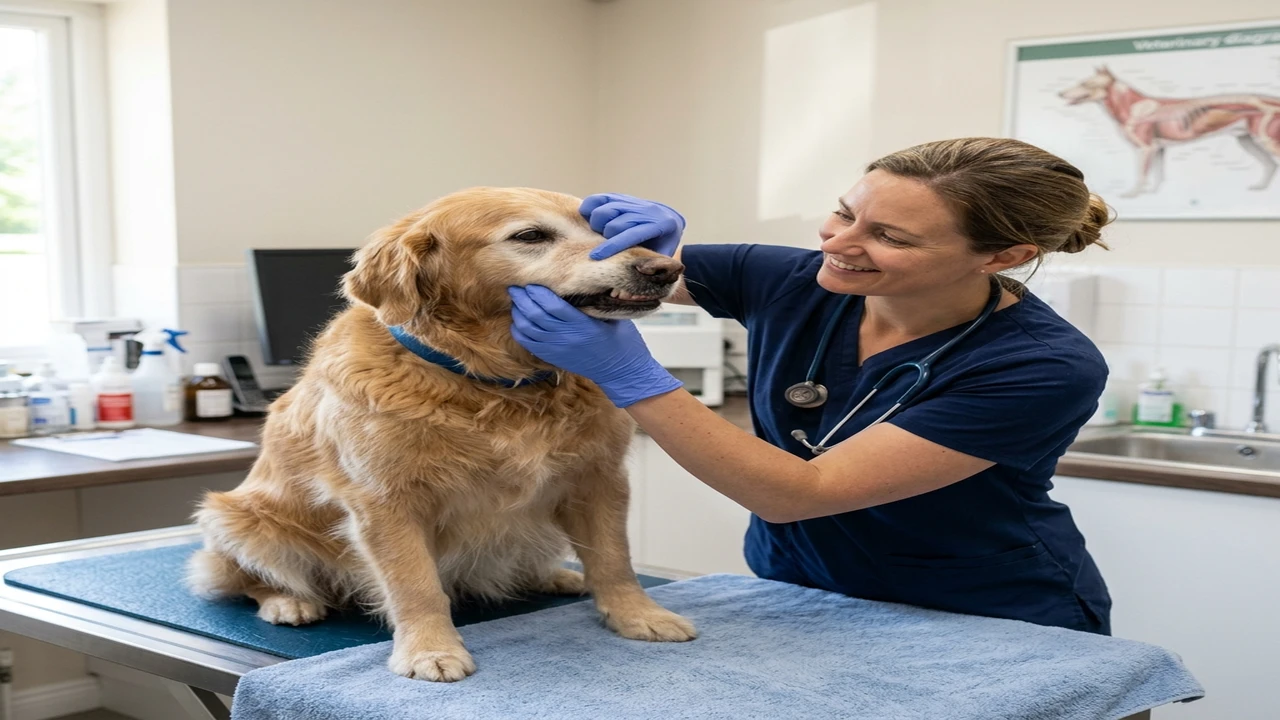
Veterinary visits for vaccinations are generally quick and straightforward. Here is what a typical visit looks like:
- A physical examination including weight check, heart and lung auscultation, temperature, and overall condition assessment
- Discussion of your puppy's behavior, appetite, and any concerns you have noticed
- Administration of vaccines — typically given as subcutaneous injections under the skin between the shoulder blades
- A brief observation period to watch for immediate reactions
- Scheduling the next appointment
Bring your puppy's vaccination records to every visit. Keep a copy at home and ask your veterinarian for updated records after each appointment.
Common Side Effects and What Is Normal
Most puppies handle vaccines with no problems at all. Some may experience mild, temporary side effects that are considered normal:
- Slight lethargy or sleepiness for twelve to twenty-four hours after vaccination
- Mild decrease in appetite on the day of vaccination
- Small, firm lump at the injection site that resolves within a few days
- Mild sneezing after intranasal vaccines like Bordetella
These side effects are signs that the immune system is responding to the vaccine, which is exactly what it should be doing. They typically resolve on their own within a day or two.
Keeping Your Puppy Safe Before Full Vaccination
Until your puppy completes the full vaccine series around sixteen weeks, they remain vulnerable to certain infectious diseases. Here are practical ways to protect your puppy while still allowing essential socialization:
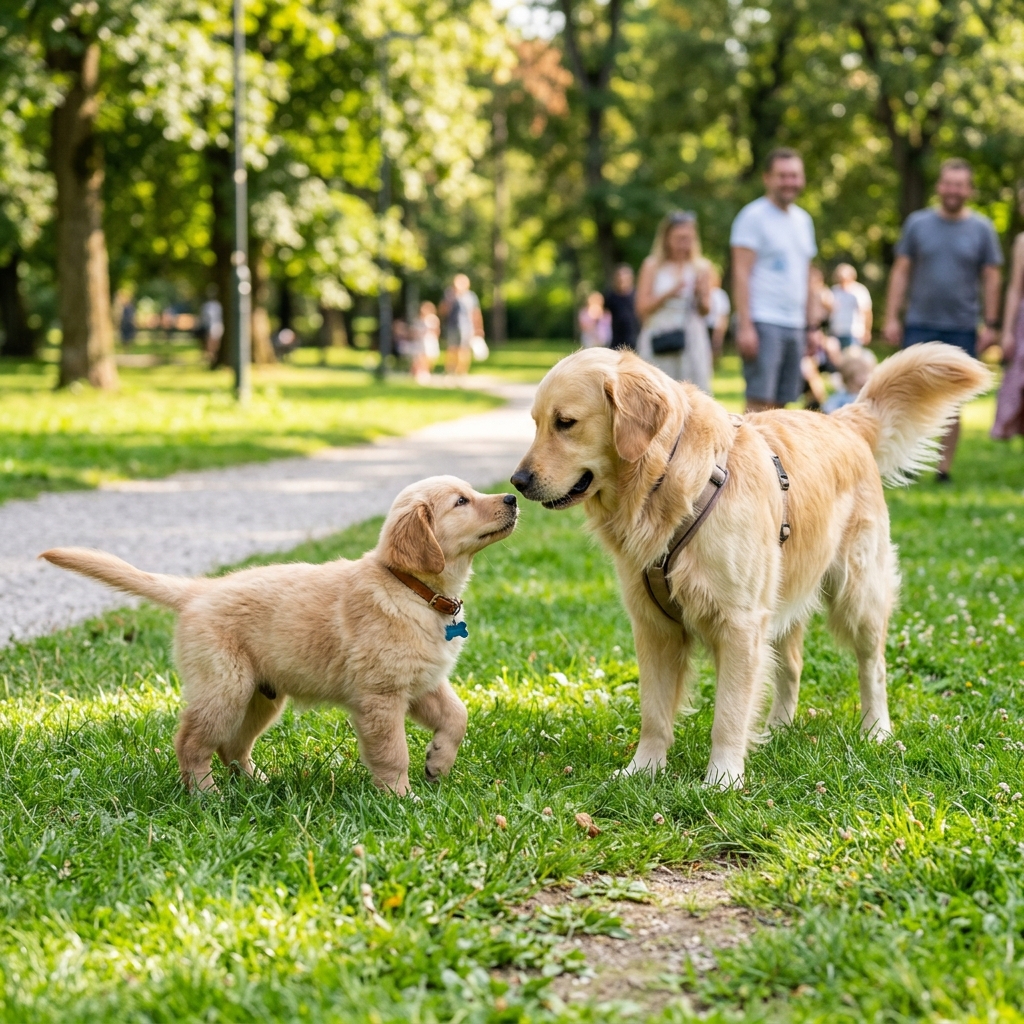
- Avoid dog parks, pet stores, and areas with high dog traffic
- Do not let your puppy sniff unknown dogs' waste or drink from communal water bowls
- Carry your puppy in your arms when visiting new environments
- Allow socialization with healthy, fully vaccinated dogs in clean, private settings
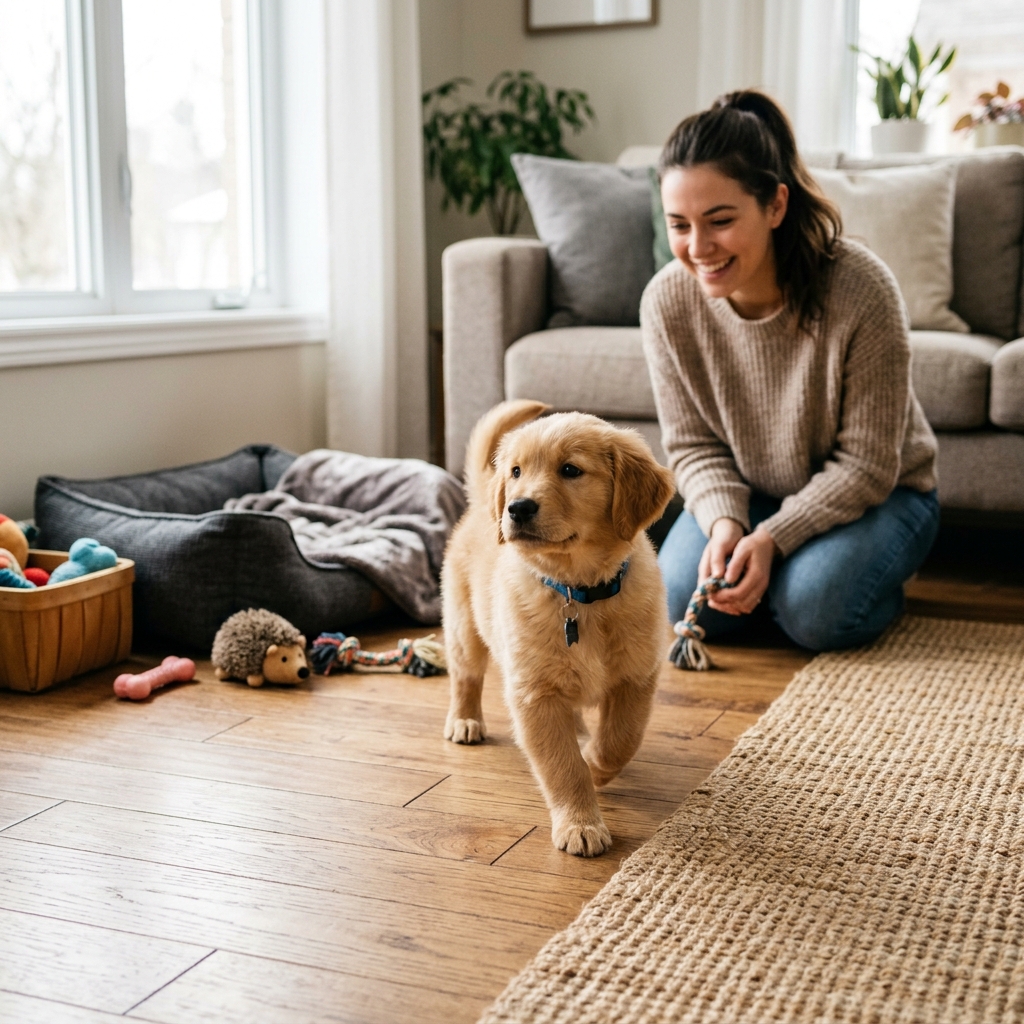
- Expose your puppy to new sounds, surfaces, and gentle handling at home
- Attend puppy socialization classes that require proof of vaccination for all participants
Common Mistakes to Avoid
Skipping or delaying vaccines. Every missed or delayed vaccine leaves your puppy vulnerable during a critical period. Follow the schedule your veterinarian recommends and do not skip appointments even if your puppy seems healthy.
Assuming one vaccine is enough. Puppies need multiple rounds because maternal antibodies can interfere with the vaccine's ability to stimulate the immune system. It takes the full series to ensure adequate protection.
Over-socializing before full vaccination. While socialization is critically important, exposing an unvaccinated puppy to high-risk environments like dog parks can be dangerous. Find safe ways to socialize without putting your puppy at risk.
Not keeping records. Vaccine records are essential for boarding, grooming, training classes, and future veterinary visits. Keep a file with all vaccination dates and certificates.
Relying on internet advice over your vet. Every puppy is different, and vaccine recommendations may vary based on local disease prevalence, your puppy's health, and lifestyle factors. Your veterinarian's personalized guidance is always the most reliable source.
When to Call a Vet
While serious vaccine reactions are rare, contact your veterinarian immediately if your puppy shows any of the following signs after vaccination:
- Facial swelling, hives, or difficulty breathing — these may indicate an allergic reaction
- Persistent vomiting or diarrhea lasting more than twenty-four hours
- Extreme lethargy lasting more than forty-eight hours
- Collapse or signs of shock
- A lump at the injection site that grows larger or does not resolve after two weeks
Most veterinary clinics are prepared to handle vaccine reactions and can provide prompt treatment. If your puppy has had a reaction to a vaccine in the past, inform your veterinarian before any future vaccinations so they can take appropriate precautions.
Questions to Ask Your Veterinarian
Being prepared with questions helps you make the most of every veterinary visit. Consider asking:
- Which vaccines are essential for my puppy's specific situation?
- Are there any non-core vaccines you recommend for our area?
- What should I watch for after today's vaccines?
- When can my puppy safely visit dog parks and public areas?
- How often will my dog need boosters as an adult?
- Do you offer a puppy wellness plan that includes vaccinations?
Final Thoughts
Vaccinating your puppy is one of the simplest and most effective ways to protect their health. The diseases that vaccines prevent are serious, often fatal, and entirely avoidable with proper care. While the schedule may seem overwhelming at first, your veterinarian will guide you through every step — from the first visit to the one-year booster and beyond.
Keep your appointments, maintain accurate records, follow your veterinarian's recommendations, and protect your puppy from high-risk environments until the vaccine series is complete. The small investment of time and money in vaccinations provides enormous peace of mind and gives your puppy the best possible start to a long, healthy life.
Frequently Asked Questions
What's Your Reaction?
 Like
0
Like
0
 Dislike
0
Dislike
0
 Love
0
Love
0
 Funny
0
Funny
0
 Wow
0
Wow
0
 Sad
0
Sad
0
 Angry
0
Angry
0






Comments (0)