
New Puppy Checklist: Everything You Need Before Bringing a Puppy Home
A complete new puppy checklist covering supplies, home preparation, safety, feeding, sleeping, potty training, and first-week tips.

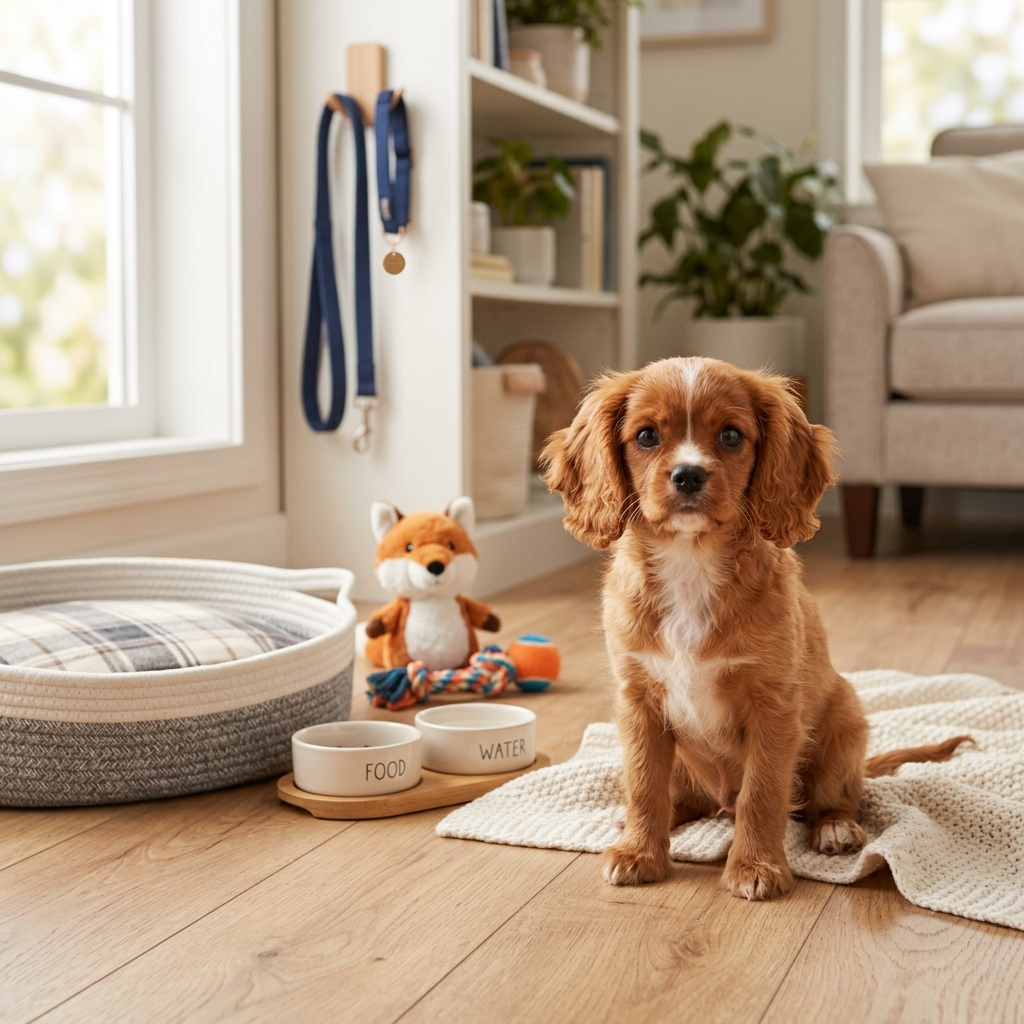
Bringing a new puppy home is one of the most exciting experiences you will ever have. The wagging tail, the puppy breath, the tiny paws exploring every corner of your home — it is pure joy. But behind that joy is a significant responsibility that starts before your puppy even walks through the door.
This checklist covers everything you need to prepare, buy, set up, and know before bringing your new puppy home. Whether this is your first puppy or your fifth, having a plan in place makes the transition smoother for everyone.
Quick Overview: Your New Puppy Checklist at a Glance
Here is a quick summary of the essential categories you need to cover before your puppy arrives:
- Supplies — food, bowls, crate, bed, collar, leash, toys, cleaning products
- Home safety — puppy-proofing, securing hazards, blocking restricted areas
- Feeding plan — choosing the right food, meal schedule, fresh water access
- Sleeping setup — crate placement, bedding, nighttime routine
- Potty training prep — training pads, designated outdoor spot, cleaning enzyme spray
- First vet visit — appointment scheduled within the first week
- Family rules — consistent boundaries agreed upon by all household members
Essential Puppy Supplies Checklist
Food and Water
Choose a high-quality puppy food appropriate for your puppy's breed size — small breed, medium breed, or large breed formulas differ in calorie density and nutrient ratios. Ask the breeder or shelter what food the puppy has been eating and transition gradually over seven to ten days to avoid stomach upset. Purchase stainless steel or ceramic food and water bowls — they are easier to clean and more durable than plastic. Always have fresh, clean water available.
Crate and Bedding
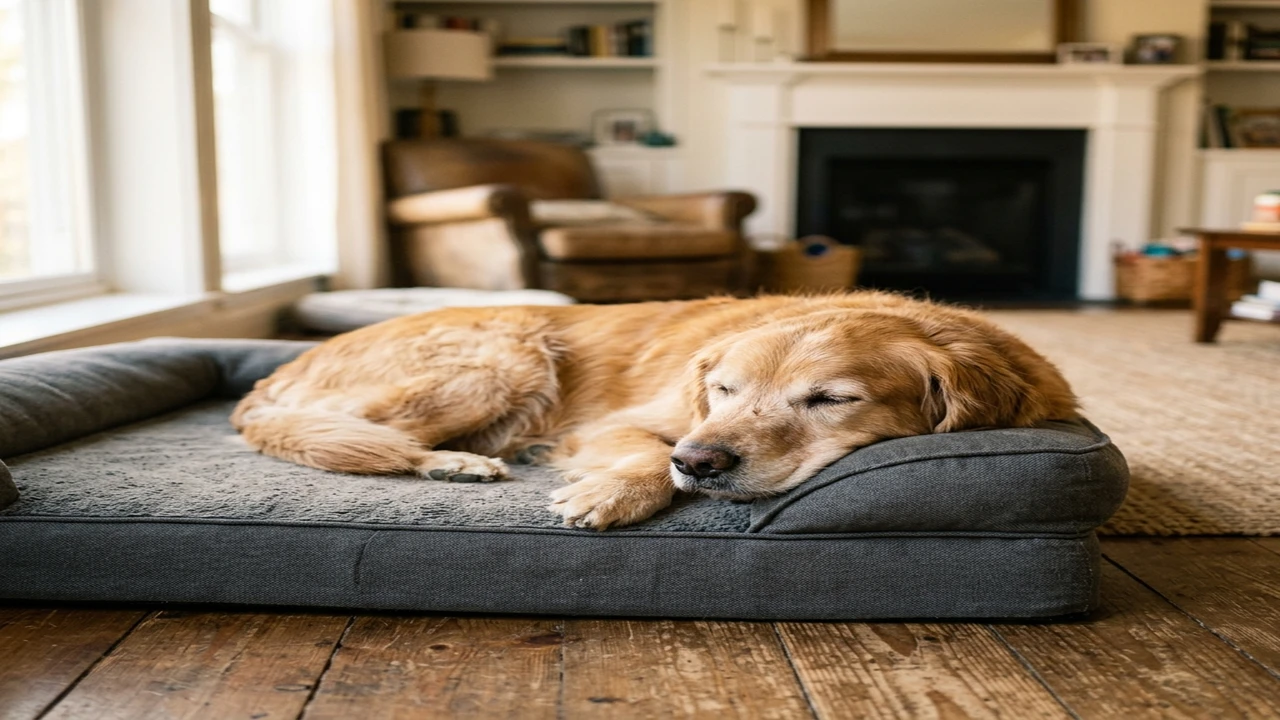
A crate is one of the most important investments you will make. Choose a wire crate with a divider panel so you can adjust the space as your puppy grows. The crate should be large enough for the adult dog but partitioned down for the puppy stage. Place a comfortable, washable bed or blanket inside. Avoid expensive beds until your puppy is past the chewing phase — many owners learn this the expensive way.
Collar, Leash, and Identification
Purchase an adjustable collar with a secure buckle and attach an ID tag with your phone number immediately. Even before your puppy is fully vaccinated and ready for walks, wearing a collar helps them get used to the sensation. A standard six-foot leash is ideal for training and walks. Avoid retractable leashes for puppies — they teach pulling and offer less control.
Toys and Chew Items
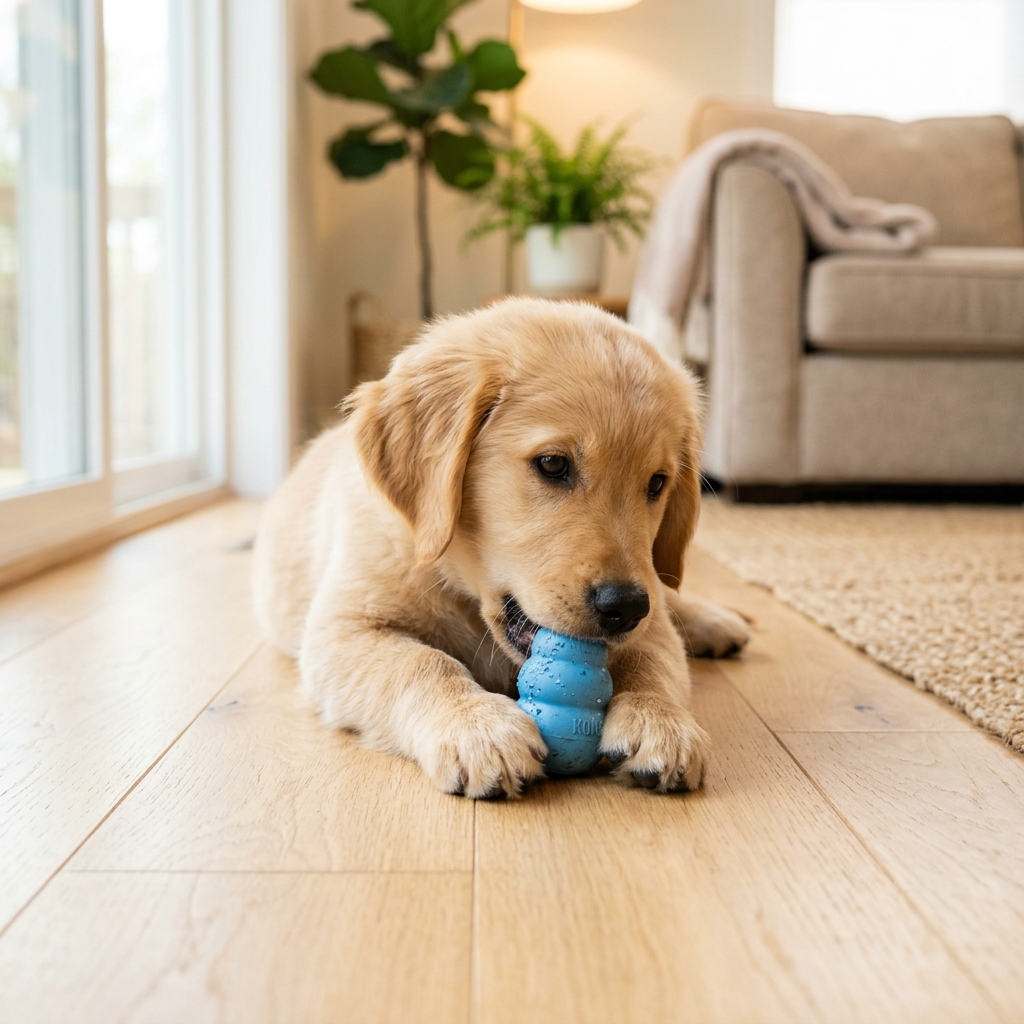
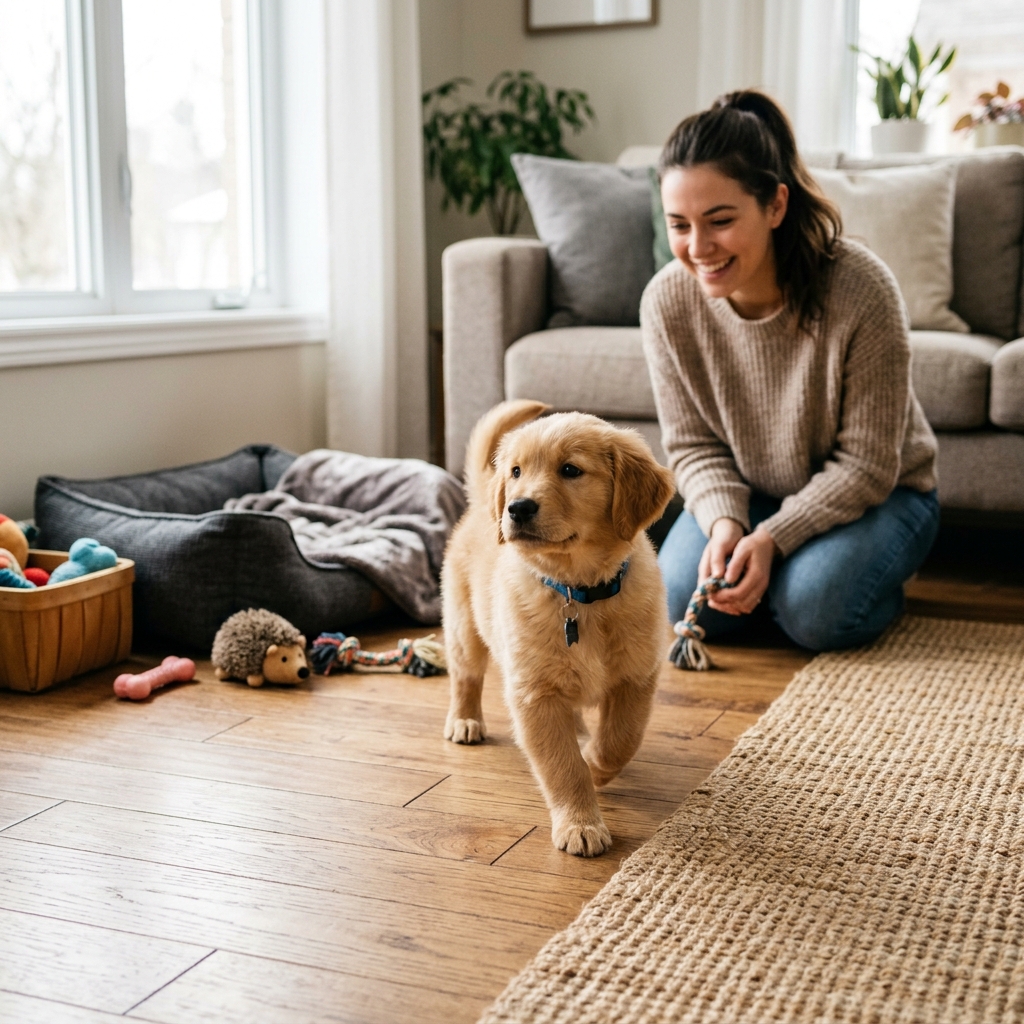
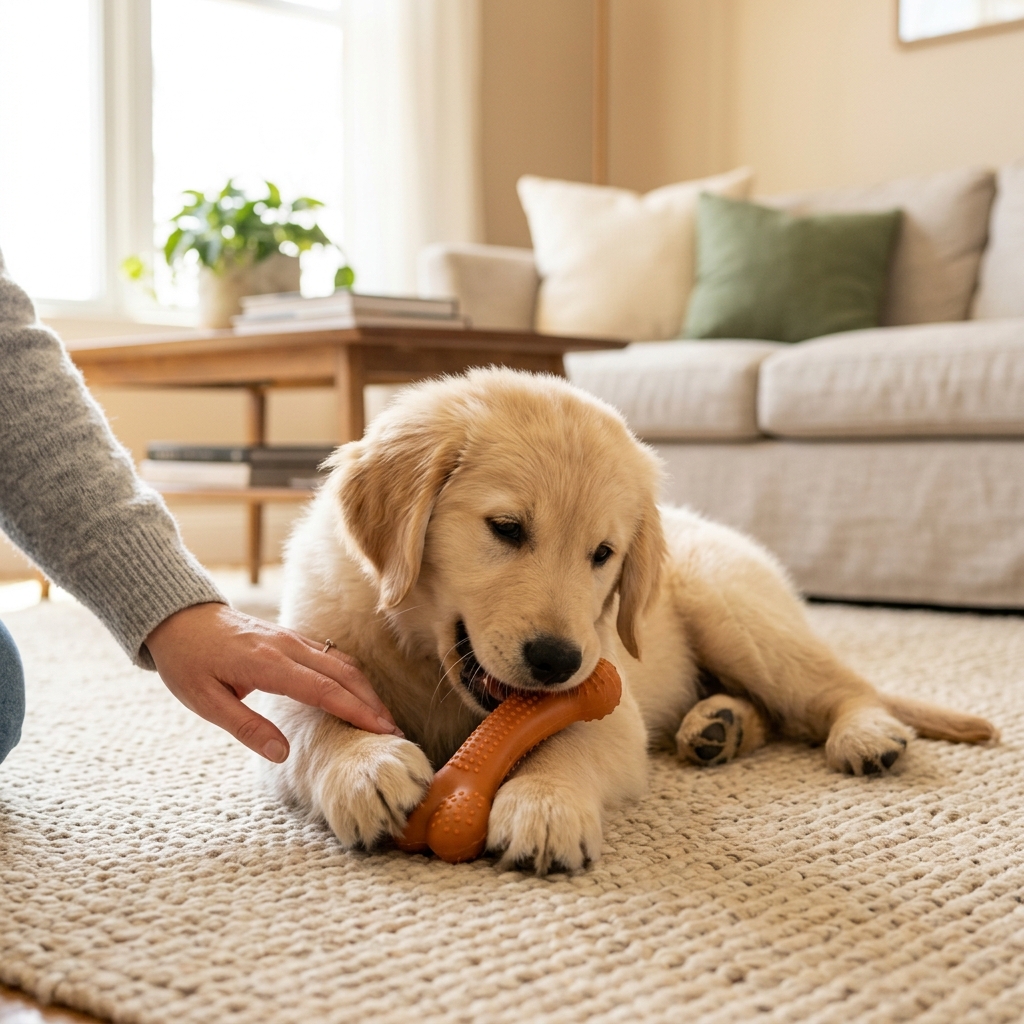
Puppies explore the world with their mouths, so having appropriate chew toys is essential. Stock up on a variety of textures — rubber toys, rope toys, plush toys, and puzzle toys. Rotate toys regularly to keep things interesting. Avoid toys with small parts that could be swallowed or toys that are too hard for puppy teeth. A frozen wet washcloth can provide soothing relief during teething.
Cleaning Supplies
Accidents will happen — plan for them. Purchase an enzymatic cleaner specifically designed for pet stains. Regular household cleaners do not fully eliminate the scent, which can attract your puppy back to the same spot. Stock up on paper towels, old towels, and puppy training pads. Having these supplies ready reduces frustration during the inevitable housetraining phase.
Puppy-Proofing Your Home
Before your puppy arrives, walk through every room they will have access to and eliminate potential hazards:
- Electrical cords: Tape them to baseboards or hide them behind furniture. Puppies love to chew on cords, which can cause burns or electrocution.
- Toxic plants: Many common houseplants are poisonous to dogs, including lilies, pothos, philodendrons, and sago palms. Move them out of reach or remove them entirely.
- Chemicals and medications: Secure all cleaning products, medications, and supplements behind locked cabinets. Puppies can chew through childproof caps.
- Small objects: Coins, rubber bands, hair ties, children's toys, socks — anything small enough to be swallowed is a choking hazard.
- Trash cans: Use covered trash cans or place them inside cabinets. Kitchen and bathroom trash is irresistible and often dangerous for puppies.
- Stairs and balconies: Use baby gates to block access until your puppy is old enough and coordinated enough to navigate safely.
Setting Up Your Puppy's Space
Designate a specific area in your home as your puppy's space. This area should include their crate, bed, water bowl, and a few toys. Having a defined space helps your puppy feel secure and makes supervision easier during the first few weeks.
Place the crate in a common area where the family spends time — the living room or kitchen works well. Your puppy should feel connected to the household, not isolated. At night, you can move the crate to your bedroom so your puppy can hear and smell you, which reduces nighttime anxiety and crying.
Feeding Your New Puppy
Puppies need to eat more frequently than adult dogs. Here is a general feeding schedule based on age:
- 8 to 12 weeks: Four meals per day
- 3 to 6 months: Three meals per day
- 6 to 12 months: Two meals per day
- 12 months and older: Two meals per day (breed-dependent)
Follow the feeding guidelines on the food packaging as a starting point, then adjust based on your puppy's body condition. Your veterinarian can help you determine the right portion size for your puppy's breed, age, and activity level.
Potty Training Preparation
Potty training starts the moment your puppy comes home. Be prepared with these essentials:
- Designate an outdoor potty spot and take your puppy there consistently
- Keep puppy training pads near the door for emergencies
- Set a timer to take your puppy out every one to two hours
- Always go out after meals, naps, playtime, and first thing in the morning
- Reward successful outdoor bathroom trips immediately with praise and a small treat
- Never punish accidents — clean them up calmly with enzymatic cleaner
The First Vet Visit
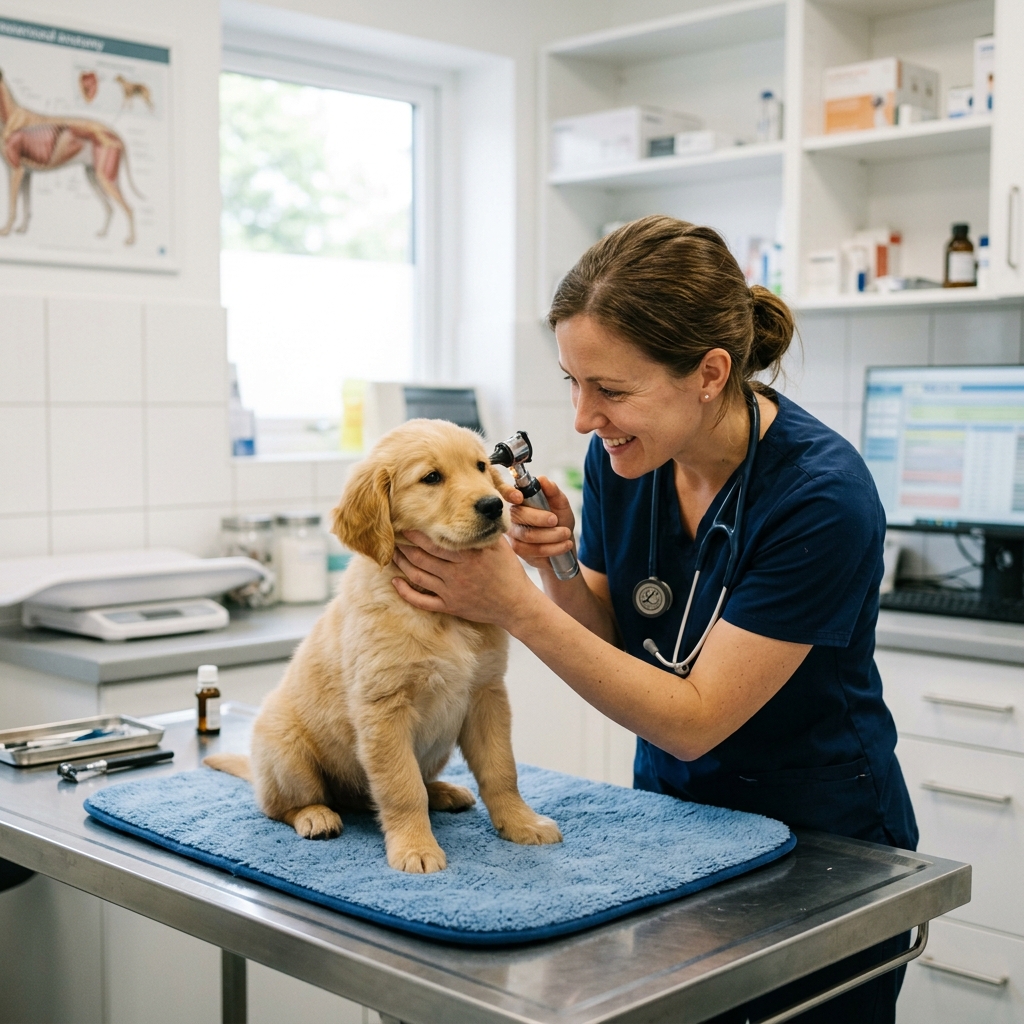
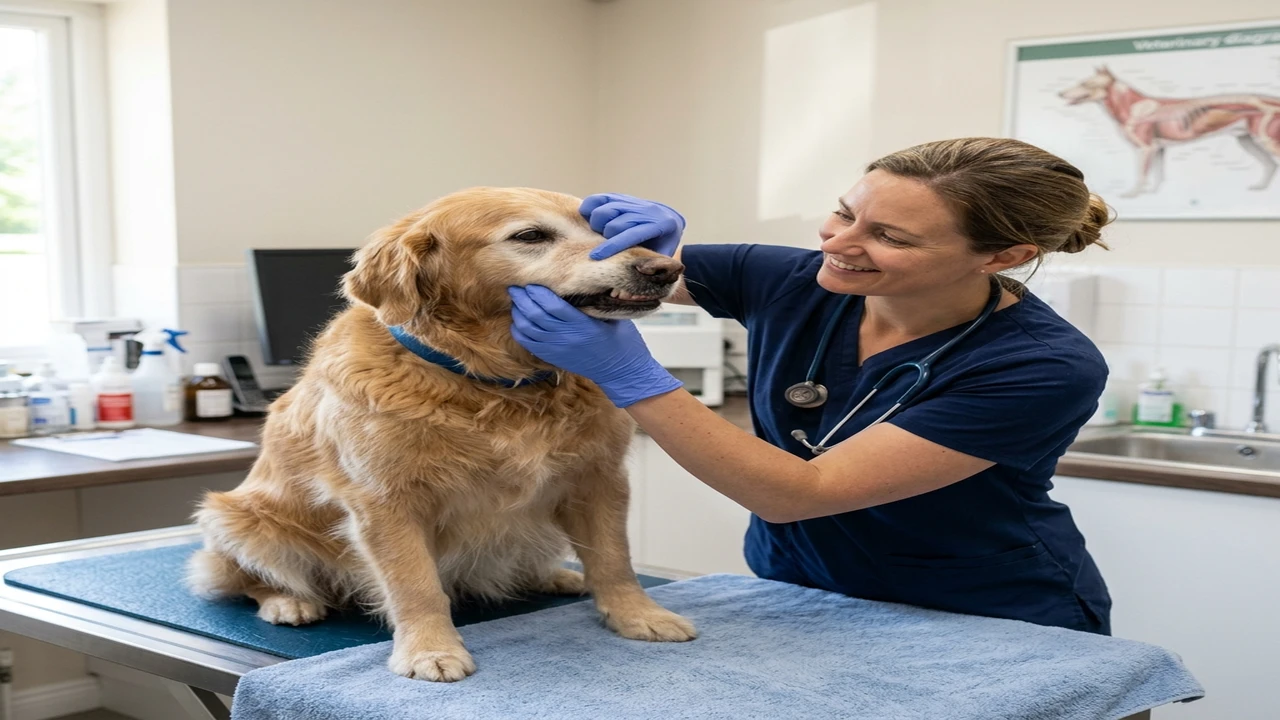
Schedule a veterinary appointment within three to five days of bringing your puppy home. Bring any medical records from the breeder or shelter, including vaccination history and deworming records. The vet will perform a physical examination, check for parasites, discuss a vaccination schedule, and answer your questions about nutrition, spaying or neutering, and preventive care.
This first visit is also a great opportunity to discuss puppy health insurance. Many plans are more affordable when started early, and they can save you thousands of dollars in the event of an illness or injury.
Establishing Family Rules
Before your puppy arrives, have a family meeting to agree on house rules. Consistency is the foundation of good training. Decide together on questions like:
- Is the puppy allowed on furniture?
- Which rooms are off-limits?
- Who is responsible for feeding, walks, and training?
- What commands will everyone use? Pick one word per command and stick with it.
- How will you handle jumping, barking, and begging?
When everyone follows the same rules, your puppy learns faster and feels more secure.
Common Mistakes to Avoid
Buying too much too soon. You do not need every product marketed for puppies. Start with the basics and add items as needed. Many expensive puppy beds, fancy toys, and designer accessories will be chewed up or outgrown within weeks.
Giving too much freedom too fast. Puppies should earn access to your home gradually. Start with one room and expand as they demonstrate good behavior and reliable potty habits.
Expecting immediate perfection. Your puppy does not understand your rules on day one. Be patient. Training takes weeks, not days. Celebrate small wins and accept that setbacks are part of the process.
Skipping socialization. The first three to four months are a critical window for socialization. Expose your puppy to different people, gentle dogs, sounds, and environments. A well-socialized puppy grows into a confident, well-adjusted adult dog.
Not establishing a routine. Puppies thrive on predictability. Set consistent times for meals, potty breaks, play, training, and sleep. A routine reduces anxiety and speeds up learning.
When to Call a Vet
Contact your veterinarian promptly if your new puppy shows any of these signs:
- Refusal to eat for more than 24 hours
- Persistent vomiting or diarrhea
- Lethargy or unusual sleepiness
- Coughing, sneezing, or nasal discharge
- Swollen or painful abdomen
- Signs of pain such as whimpering or limping
Young puppies can deteriorate quickly, so never take a wait-and-see approach when something seems wrong. Trust your instincts — if your puppy does not seem right, call your vet.
Final Thoughts
Preparing for a new puppy takes time, planning, and a willingness to learn as you go. The supplies are important, but what matters most is your commitment to providing a safe, loving, and structured environment from the very first day. Puppies are resilient, forgiving, and eager to bond with you — give them the tools and the patience they need, and you will build a relationship that lasts a lifetime.
Use this checklist as your starting point, adjust it to your specific situation, and remember that the best puppy parent is not the perfect one — it is the one who keeps learning, adapts to challenges, and never stops trying to do better for their furry companion.
Frequently Asked Questions
What's Your Reaction?
 Like
0
Like
0
 Dislike
0
Dislike
0
 Love
0
Love
0
 Funny
0
Funny
0
 Wow
0
Wow
0
 Sad
0
Sad
0
 Angry
0
Angry
0



Comments (0)