
How to Stop Puppy Biting: Gentle Training Tips for New Owners
Understand why puppies bite and learn gentle ways to reduce biting, teach bite inhibition, redirect chewing, and build better habits.

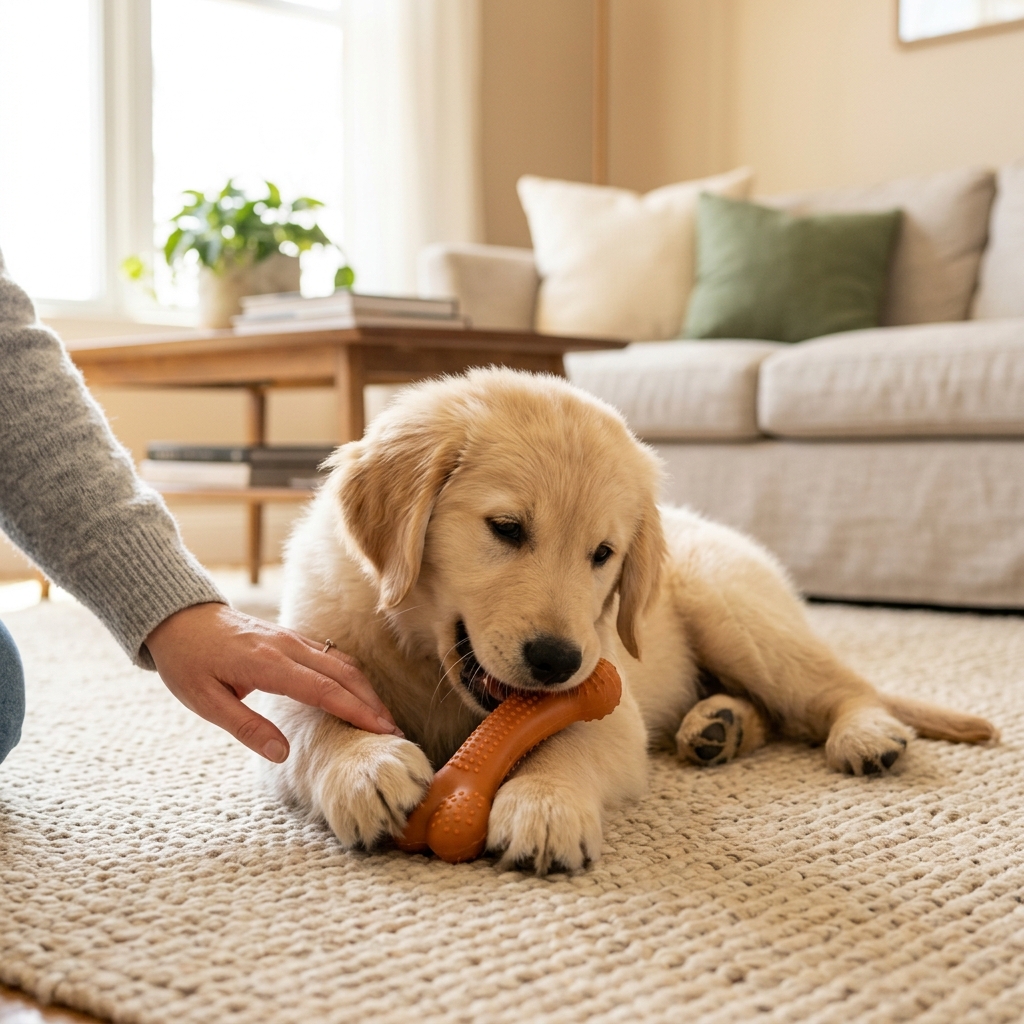
If you have a puppy, you have been bitten. Those tiny teeth are sharp, relentless, and seemingly attracted to fingers, toes, shoelaces, furniture, and anything else within reach. Puppy biting is one of the most common complaints from new dog owners — and it is also one of the most misunderstood.
The truth is that puppy biting is completely normal. It is not a sign of aggression, and it does not mean your puppy is "bad." Puppies bite because it is how they explore, play, and learn. The good news is that with gentle, consistent training, you can teach your puppy to control their mouth and develop better habits that last a lifetime.
Quick Overview: Puppy Biting at a Glance
- Why puppies bite — Exploration, play, teething, overstimulation
- Key concept — Bite inhibition, teaching gentle mouth pressure
- Best approach — Redirect to toys, withdraw attention, reward calm behavior
- What not to do — No hitting, no yelling, no holding the mouth shut
- Timeline — Most puppies improve significantly by five to six months
Why Puppies Bite: Understanding the Behavior
Before you can stop puppy biting, it helps to understand why it happens. Puppies are not biting to hurt you — they are communicating, learning, and coping with physical changes in the ways nature intended.
Exploration
Puppies do not have hands. Their mouth is their primary tool for investigating the world. When a puppy mouths your fingers, they are gathering information about texture, taste, and response — much like a human baby puts everything in their mouth.
Play
In a litter, puppies play by wrestling and biting each other. When a puppy bites a sibling too hard, the sibling yelps and stops playing. This natural feedback teaches puppies how much pressure is acceptable. When your puppy comes home with you, they try to play the same way — they just need to learn that human skin is more sensitive than puppy fur.
Teething
Between three and six months of age, puppies lose their baby teeth and grow adult teeth. This process causes discomfort and itching in the gums, and chewing provides relief. During teething, biting behavior often increases because the puppy is seeking pressure on their sore gums.
Overstimulation
Puppies can become overexcited during play, especially when roughhousing or when they are overtired. An overstimulated puppy may bite harder and more frantically because they have temporarily lost their ability to self-regulate. Recognizing the signs of overstimulation — wild eyes, frantic movement, inability to calm down — helps you intervene before biting escalates.
What Is Bite Inhibition and Why It Matters
Bite inhibition is your puppy's ability to control the force of their mouth. It is one of the most valuable skills a puppy can learn, and it is best taught during the first few months of life.
A puppy with good bite inhibition learns that mouths should be gentle around humans. Even if they mouth your hand during play, they apply minimal pressure. This is important because all dogs — no matter how well-trained — may someday mouth a person in a moment of surprise, pain, or fear. A dog with bite inhibition is far less likely to cause injury in those moments.
Teaching bite inhibition is a gradual process. You are not trying to eliminate all mouthing immediately. Instead, you first teach the puppy that hard bites are unacceptable, then gradually raise the standard until gentle mouthing disappears too.
Step-by-Step Tips to Reduce Puppy Biting
Step 1: Redirect to Appropriate Toys
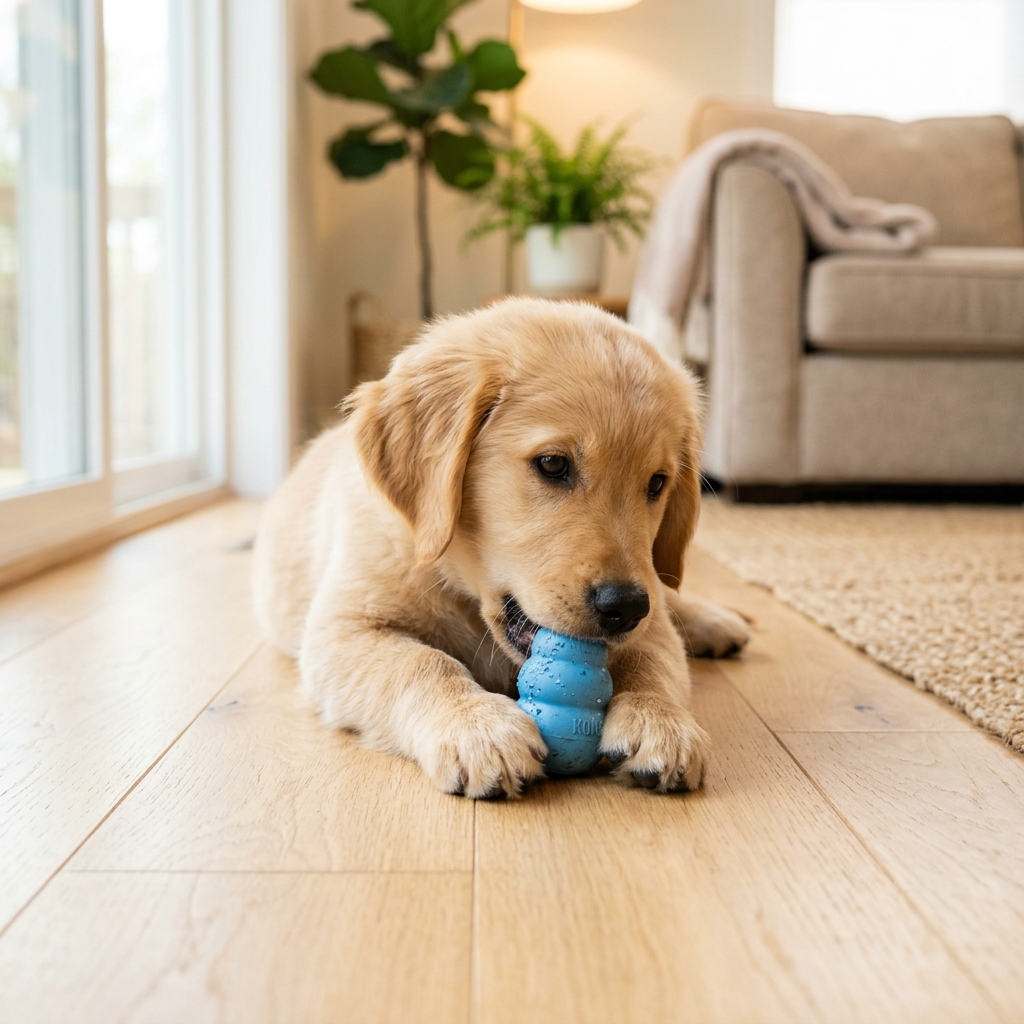
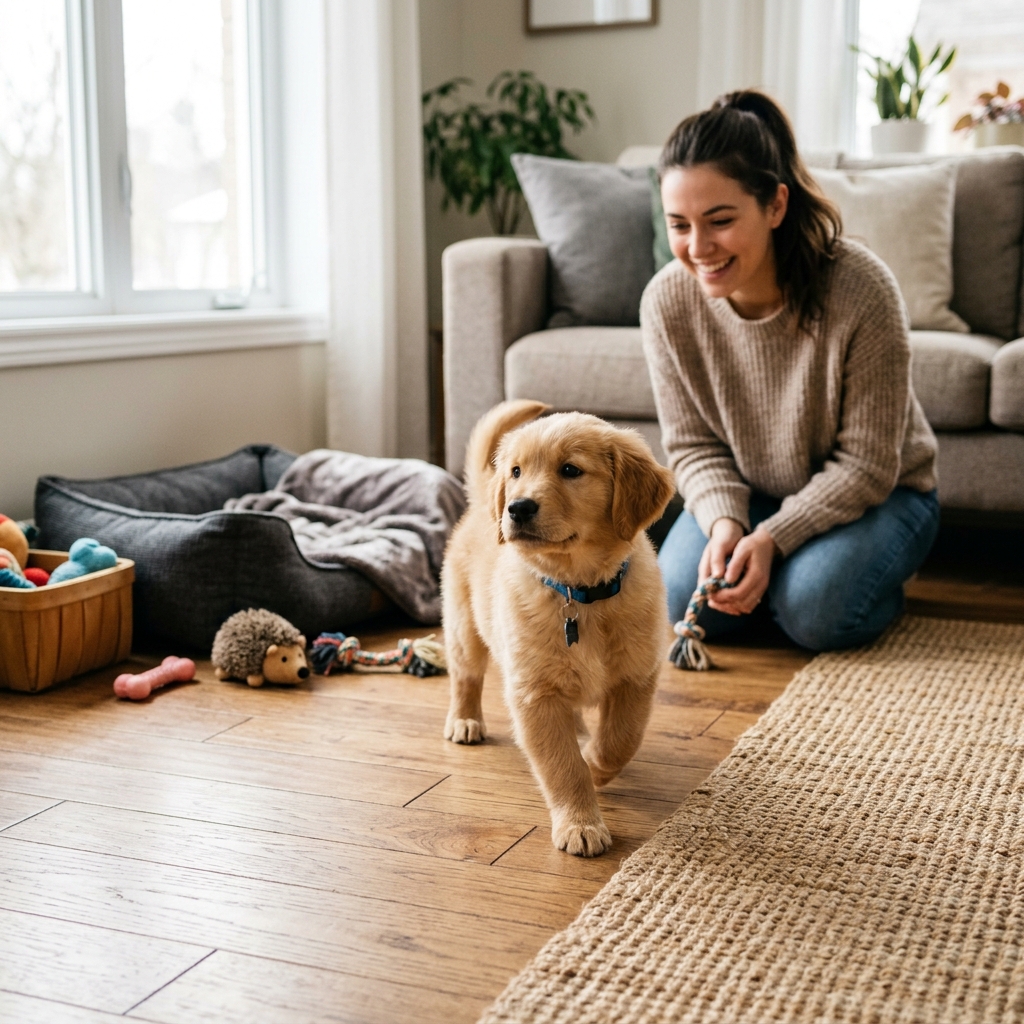
The instant your puppy starts to mouth your hand or clothing, calmly offer a toy instead. Keep toys accessible in every room where you and your puppy spend time. When the puppy takes the toy, praise them warmly. This teaches that toys are for biting, hands are not.
Step 2: Withdraw Attention When Biting Occurs
If your puppy bites hard, let out a brief, calm response — a simple "ouch" or "too much" in a neutral tone — then immediately stop all interaction. Stand up, turn away, or briefly leave the room for ten to fifteen seconds. Return and resume play calmly. The message is clear: biting makes the fun stop.
Step 3: Use Positive Reinforcement
Actively reward your puppy when they interact with you gently. If they lick instead of bite, give a treat. If they take a toy from your hand without nipping your fingers, praise them. Positive reinforcement builds the behavior you want far more effectively than punishment eliminates the behavior you do not want.
Step 4: Manage the Environment
If your puppy tends to bite during specific situations — like when you walk through the room and they grab your ankles — manage the environment proactively. Keep a toy in your hand while walking, use baby gates to create calm zones, and avoid wearing dangling clothing or loose shoelaces that trigger chasing and biting.
Step 5: Teach an Incompatible Behavior
Train your puppy to perform a behavior that is incompatible with biting. For example, teaching a reliable "sit" gives you a tool to interrupt biting. When your puppy starts to get mouthy, ask for a sit, then reward with a treat or calm praise. A puppy that is sitting cannot be jumping up and biting your hands.
Step 6: Provide Adequate Exercise and Mental Stimulation
A tired puppy is a calmer puppy. Many biting episodes happen because the puppy has excess energy with no appropriate outlet. Ensure your puppy gets age-appropriate exercise — short walks, play sessions, and training — throughout the day. Puzzle toys, snuffle mats, and training games provide mental stimulation that tires the brain, which is just as important as physical exercise.
Daily Checklist for Managing Puppy Biting
- Keep appropriate chew toys in every room
- Redirect to a toy at the first sign of mouthing
- Withdraw attention calmly after hard bites
- Reward gentle interactions with praise and treats
- Ensure adequate physical exercise and mental stimulation
- Watch for signs of overstimulation and enforce calm-down breaks
- Practice basic commands daily to build impulse control
- Avoid roughhousing that encourages biting hands
Common Mistakes to Avoid
Using your hands as toys. Wrestling with your puppy or wiggling your fingers in front of their face teaches them that hands are playthings. Always use a toy between your hand and your puppy's mouth.
Punishment-based methods. Holding your puppy's mouth shut, flicking their nose, or spraying them with water creates fear and confusion. These methods often backfire, making the puppy more anxious and more likely to bite.
Inconsistency among family members. If one person allows biting during play while another person corrects it, the puppy receives mixed messages. Everyone must follow the same approach.
Expecting instant results. Changing a natural puppy behavior takes time. You will see gradual improvement over weeks, not overnight transformation. Celebrate small victories and stay patient.
Ignoring signs of fatigue. An overtired puppy often becomes a bitey puppy. If your puppy is getting frantic and nippy, they probably need a nap. Settle them in their crate with a chew toy for a quiet rest.
Signs That Need Extra Attention
While most puppy biting is normal, certain behaviors warrant professional guidance:
- Biting accompanied by stiff body posture, hard staring, or raised hackles
- Biting that consistently breaks skin despite training efforts
- Resource guarding — biting when you approach their food, toys, or resting spot
- Biting that intensifies rather than decreases over time with consistent training
- Fear-based biting when approached by strangers or in new environments
If you notice any of these patterns, consult a certified professional dog trainer or veterinary behaviorist. Early intervention can prevent minor issues from becoming serious behavioral problems.
When to Ask a Veterinarian
If your puppy's biting seems connected to pain — such as biting when touched in a specific area, changes in eating habits, or excessive drooling — a veterinary visit is in order. Dental problems, injuries, or illness can cause a puppy to bite more than usual. Your veterinarian can identify any physical issues and recommend appropriate treatment. Additionally, if you are concerned about aggressive behavior that goes beyond normal puppy mouthing, your vet can refer you to a qualified behaviorist.
Final Thoughts
Puppy biting is a phase — an annoying, sometimes painful phase, but a phase nonetheless. Every puppy goes through it, and every puppy can learn to outgrow it with the right guidance. The tools are simple: redirection, consistency, positive reinforcement, and patience.
Remember that your puppy is not trying to be difficult. They are learning how to interact with a world that has different rules than their litter. By teaching bite inhibition and redirecting their natural chewing instincts to appropriate outlets, you are building the foundation for a well-mannered, gentle adult dog who knows how to use their mouth responsibly.
Stay consistent, celebrate progress, and keep plenty of chew toys handy. Those sharp baby teeth will be gone before you know it — and in their place will be a dog that greets you with a toy in their mouth instead of your hand.
Frequently Asked Questions
What's Your Reaction?
 Like
0
Like
0
 Dislike
0
Dislike
0
 Love
0
Love
0
 Funny
0
Funny
0
 Wow
0
Wow
0
 Sad
0
Sad
0
 Angry
0
Angry
0




Comments (0)